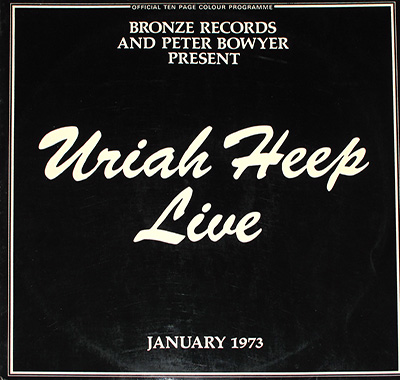
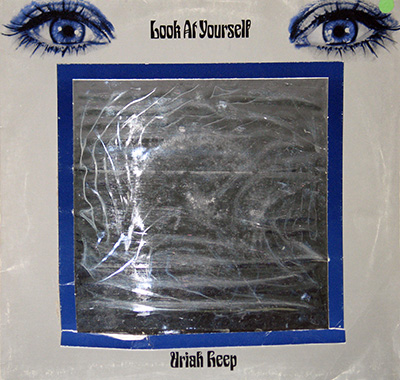
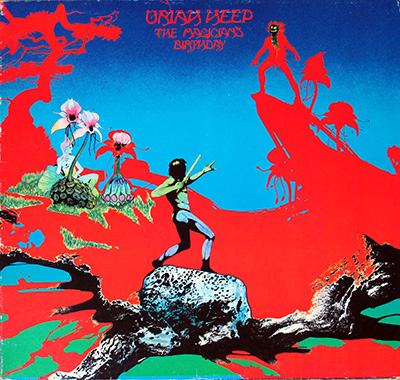
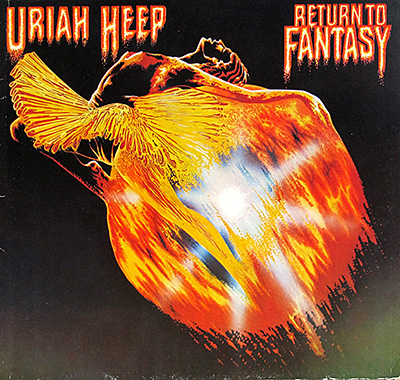
Gerry Bron is the kind of behind-the-desk mover who could make a band feel like it had a map, not just a van. After joining Bron's Orchestral Service in 1950, he shifted from publishing to shaping careers: producing Manfred Mann hit singles in 1967–68 and guiding early acts like the Bonzo Dog Doo-Dah Band. He then became inseparable from Uriah Heep, producing and managing them from their 1970 debut "...Very 'Eavy ...Very 'Umble" through 1980's "Conquest". In 1971 he founded Bronze Records and, in 1975, Roundhouse Recording Studios, building a base for heavy rock and beyond; his label later housed Motörhead, The Damned, Girlschool, Hawkwind and more, and he treated production as practical management: songs, takes, and momentum.
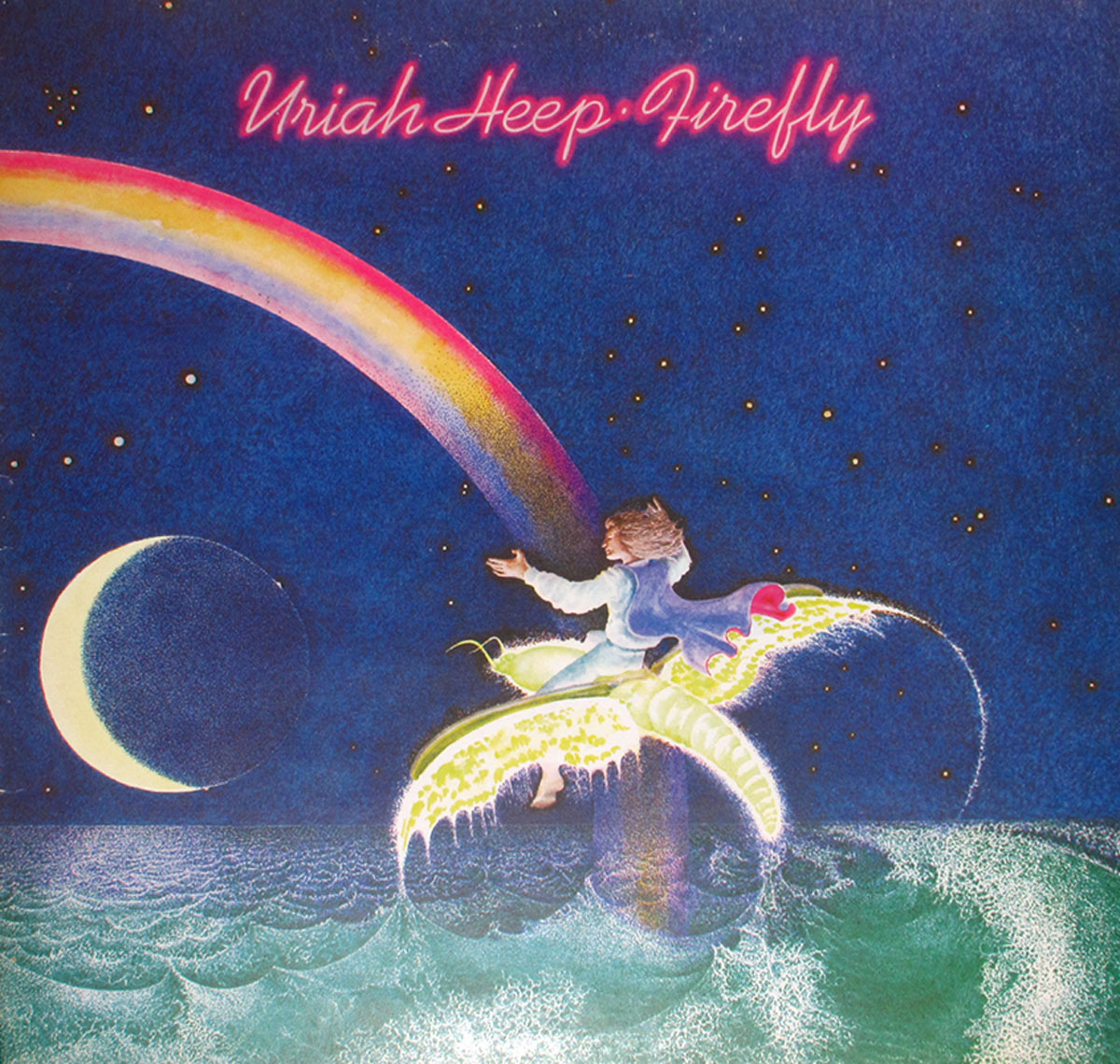
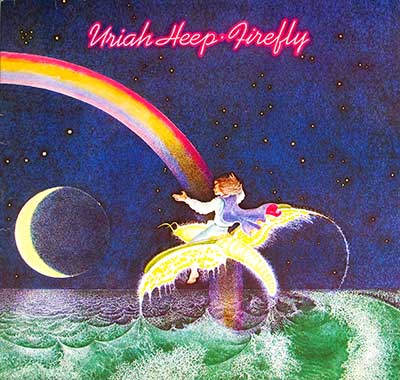
URIAH HEEP - FIREFLY 12" Vinyl LP Album
- UK Release with Gatefold Cover and Custom inner sleeve
Uriah Heep's "Firefly" 12" Vinyl LP Album, a UK release featuring a gatefold cover and custom inner sleeve, stands as a noteworthy contribution to the music scene. Released during a pivotal time period, it showcases the band's production prowess and musical evolution. The meticulously crafted album reflects the band's dedication to their craft and remains a timeless piece within the context of its release.