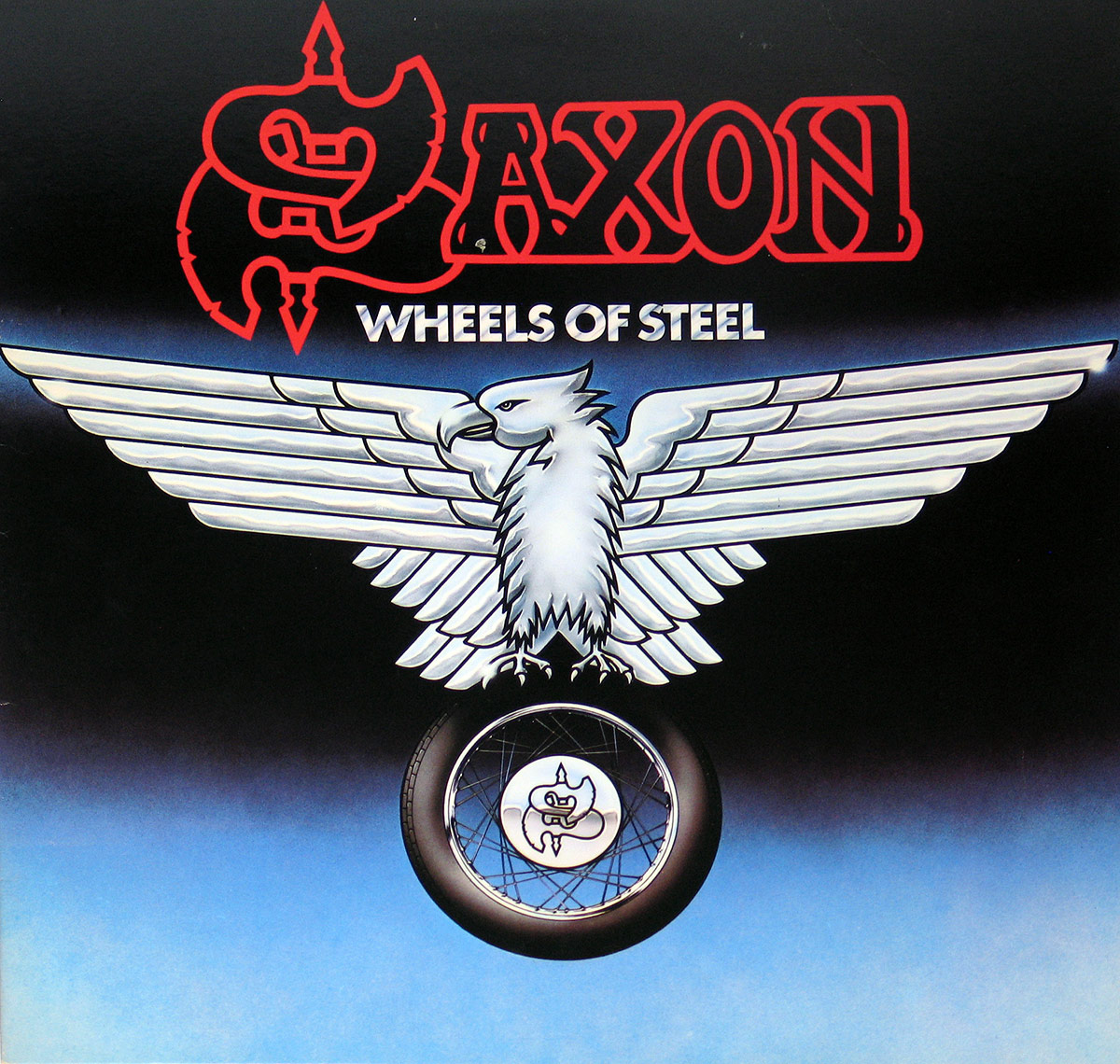
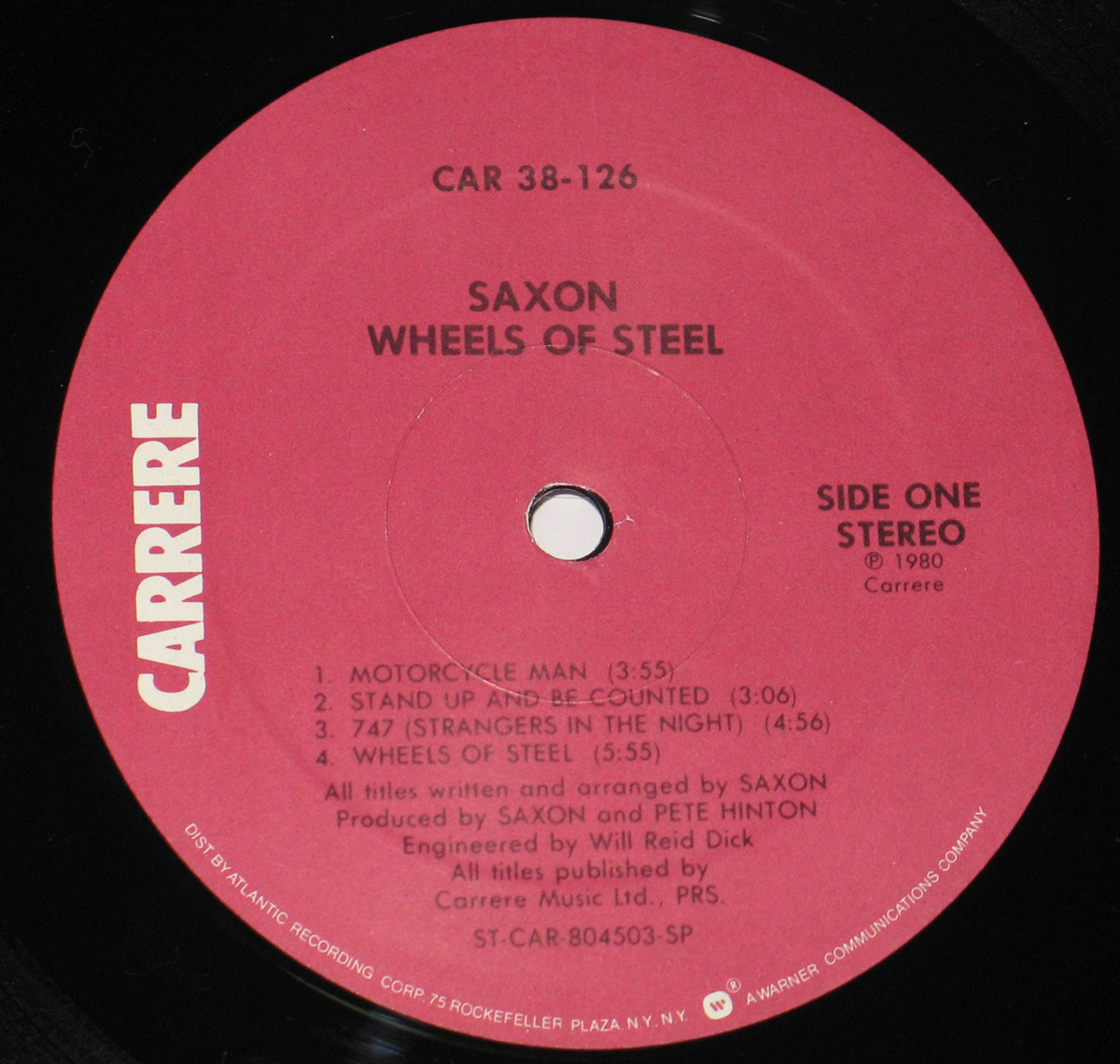
The New Wave of British Heavy Metal's earth-shattering eruption, but had he survived, Saxon's 1980 US release of "Wheels of Steel" would have surely ignited his rock 'n' roll soul. This 12" vinyl LP, Saxon's second studio album, wasn't just another heavy metal record; it was a seismic shockwave that reverberated across the Atlantic, leaving an indelible mark on the burgeoning US metal scene.
Historical Context: Riding the NWOBHM Wave
In 1980, the UK was ground zero for a musical revolution. Punk's rebellious spirit had paved the way for a new breed of hard rock bands, hungry, raw, and fueled by a working-class fury. Iron Maiden, Def Leppard, and Judas Priest were leading the charge, and Saxon, hailing from the gritty steel town of Barnsley, were ready to stake their claim. "Wheels of Steel" was their battle cry, a defiant declaration of intent.
Musical Exploration: A Steel-Plated Sonic Assault
Saxon weren't reinventing the wheel; they were perfecting it. "Wheels of Steel" was a masterclass in heavy metal songwriting, a relentless barrage of razor-sharp riffs, thunderous drums, and Biff Byford's soaring vocals. From the opening salvo of the title track to the anthemic "747 (Strangers in the Night)," Saxon delivered a sonic assault that was both exhilarating and undeniably catchy.
The album's production, helmed by Pete Hinton and the band themselves at Ramport Studios in London, captured Saxon's raw energy and power. This wasn't the over-polished, radio-friendly sound that would later dominate the genre; this was heavy metal in its purest, most visceral form.
Anthems that Echo Through Time
Several songs from "Wheels of Steel" have become staples of Saxon's live shows and fan favorites. The title track, with its driving rhythm and infectious chorus, is an undisputed classic. "747 (Strangers in the Night)" is a soaring power ballad that showcases Byford's vocal range and emotional depth. "Motorcycle Man" is a high-octane rocker that celebrates the freedom of the open road. These songs, along with other album highlights like "Freeway Mad" and "See the Light Shining," have solidified "Wheels of Steel"'s legacy as a heavy metal masterpiece.
Controversies: Fueling the Fire
Saxon weren't afraid to court controversy. The album's lyrics tackled themes of rebellion, working-class struggles, and the darker side of life. Songs like "Motorcycle Man" and "Street Fighting Gang" resonated with disaffected youth, while the album cover, featuring a motorcycle crashing through a brick wall, was a visual statement of defiance.
Legacy: Rolling On
"Wheels of Steel" wasn't just a commercial success; it was a cultural touchstone. It helped solidify Saxon's position as one of the NWOBHM's leading lights, and its influence can still be heard in countless heavy metal bands today. The album's US release was a crucial step in Saxon's global conquest, introducing their music to a wider audience and paving the way for their future success.
In the grand narrative of heavy metal, "Wheels of Steel" stands as a monument to Saxon's enduring power and influence. It's a reminder of a time when heavy metal was raw, rebellious, and unapologetically loud. It's an album that continues to inspire and excite, a steel-plated classic that will forever roll on.