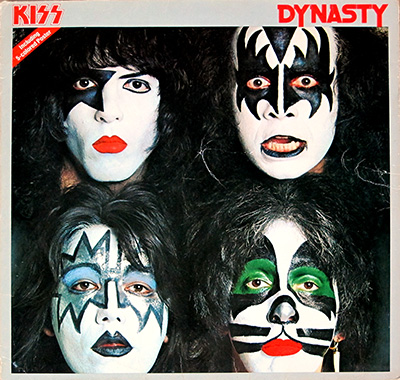
"Dynasty" (1979) Album Description:
"Dynasty" was the record that told everyone KISS could smell the room changing before half their audience did. In 1979 that mattered. Arena rock was getting shinier, disco was still hanging in the air like cigarette smoke that refused to leave, and American hard rock bands were being pushed toward the radio whether they liked it or not. KISS did not just dabble here; they walked straight into the mirror-ball glow with their makeup still on, which was either commercial instinct or bad taste elevated to an art form, depending on which fan you cornered near the import bins.
The easy story says this is the disco KISS album, full stop. That story is lazy. There is more going on in these grooves than one giant single and a thousand wounded opinions, and once the sleeve is in your hands and the needle drops, the real tension starts to show: line-up cracks, calculated polish, a drummer problem nobody could ignore, and a band trying to stay huge while quietly becoming something else. That is where "Dynasty" gets interesting, and also where it stops behaving itself.
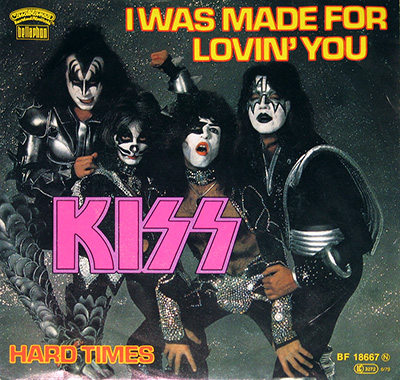
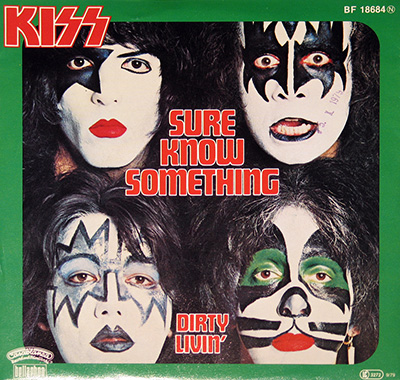
Musically, this thing moves like lacquered machinery. The rhythm has that four-on-the-floor push in places, but the guitars never fully give up their bite, and the vocals are polished until they almost squeak. "I Was Made for Lovin' You" is the obvious lightning rod, all strut and calculated heat, but "Sure Know Something" is just as revealing in its own smoother way, with the band sounding less like street-corner superheroes and more like professionals who had finally discovered soft focus. Then Ace Frehley barges in with "Hard Times" and suddenly the room gets some air back.
Produced by Vini Poncia and recorded and mixed by Jay Messina, "Dynasty" sounds controlled on purpose. Poncia pushed the band toward a tighter, brighter, more radio-conscious shape, sanding off some of the old grime and replacing it with sheen, layered vocals, and cleaner separation. Messina kept the mechanics from collapsing under all that gloss; the drums sit firmly, the hooks land where they should, and the whole album has that late-70s studio finish that can feel either sleek or faintly suspect. Depends what you came for.
The line-up story is where the varnish starts to crack. This was the first KISS studio album where the original four members were not all fully present throughout, and that was not some bit of trivia for collectors to mutter over later. Peter Criss was still officially there, but Anton Fig handled most of the drumming, which changed the feel more than the sleeve would ever admit. Fig played with precision and restraint, less stumble, less alley-fight swing. Good for the songs, maybe. Good for the myth? Not so much.
In the American scene of 1979, that kind of shift was not happening in a vacuum. Van Halen were bringing flash and muscle without the greasepaint. Cheap Trick had the hooks and the smirk. The Cars were making sleek modern records that understood surfaces better than most rock bands did. Blondie had already shown that dance rhythms and rock attitude could share a room without calling security. Against that backdrop, KISS were not inventing the collision of rock and dance music. They were scrambling to own a version of it before the crowd drifted elsewhere.
That is why the old complaint about "selling out" has always felt a bit too tidy to me. Yes, the disco pulse is real. Yes, some of the old menace got blow-dried. But the misconception is that the whole album rolls over and asks for nightclub approval. It does not. "Charisma" still has Gene Simmons doing his cartoon-predator thing, smug as ever; "X-Ray Eyes" carries that same leering theatricality; "Save Your Love" and "2,000 Man" lean in different directions entirely. This is not one-note opportunism. It is a band pulling at itself in public and hoping the hooks are strong enough to hide the tearing sound.
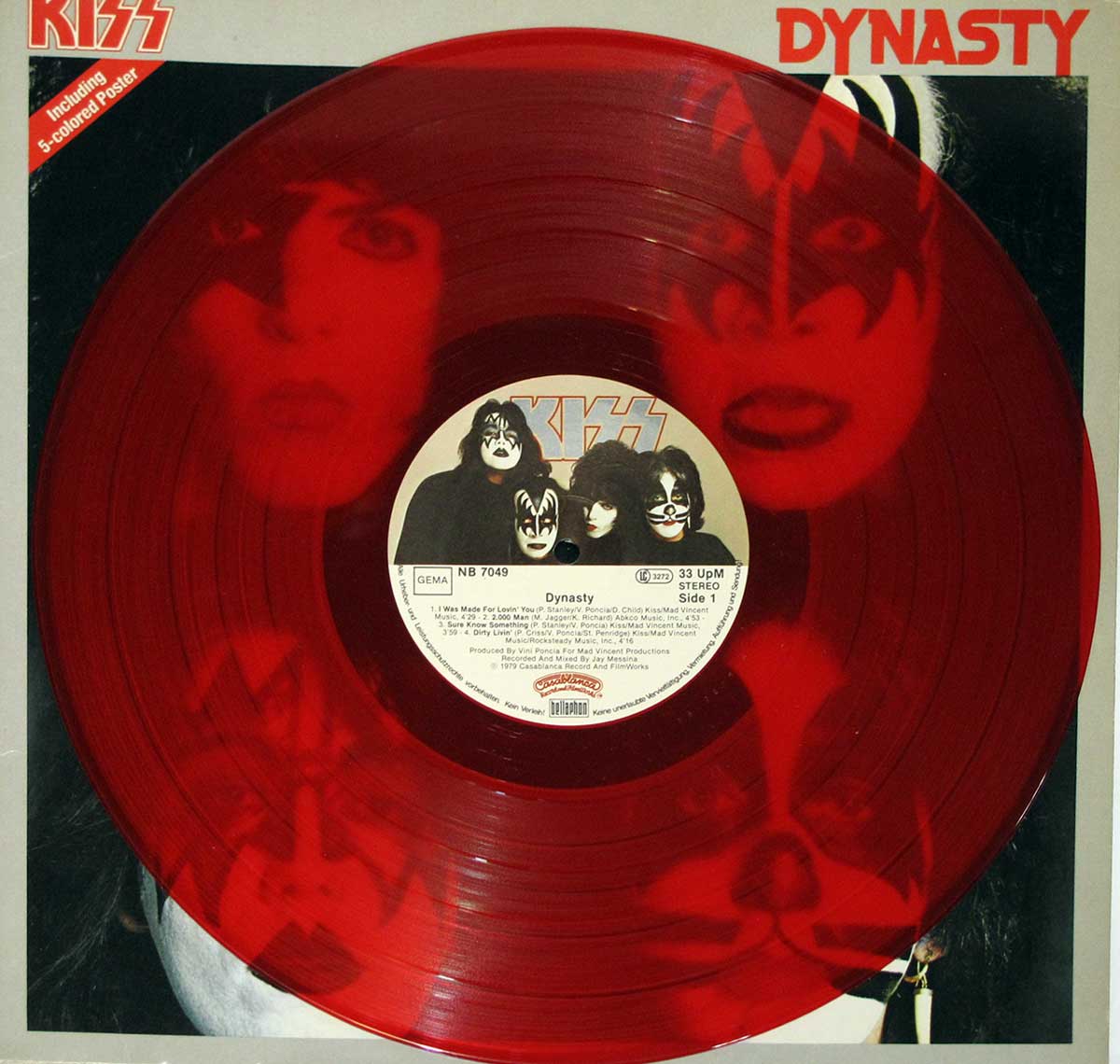
The red transparent vinyl pressing suits that contradiction almost too well. Set it on the sleeve and the whole thing glows like a cheap nightclub sign reflected in a shop window after midnight, which is exactly the kind of accidental poetry collectors remember. First time I saw a copy like this in decent shape, the red plastic looked better than the band’s decision-making. That is not an insult. Well, not entirely.
What lasts is the discomfort. Not because the album fails, but because it succeeds in a way that still irritates people who wanted KISS to remain permanently trapped in a 1976 fantasy of platform boots, blood capsules, and brute-force riffing. "Dynasty" is too slick for the purists, too odd to be pure pop, and too self-conscious to pass as innocent fun. That is precisely why it keeps pulling listeners back. Records that behave usually end up in charity-shop purgatory. Records with a bit of nerve tend to linger.
So no, this is not the toughest KISS record, and it is not the one I would hand to someone who wants the full crude blast of the early years. But as a document of a band trying to keep its crown while the ground shifted under it, "Dynasty" has real weight. Not museum weight. Human weight. You can hear calculation, fatigue, hunger, vanity, and instinct all bumping into each other in the same half hour, which is more revealing than another safely approved hard rock album ever could be.

 KISS - Dressed to Kill