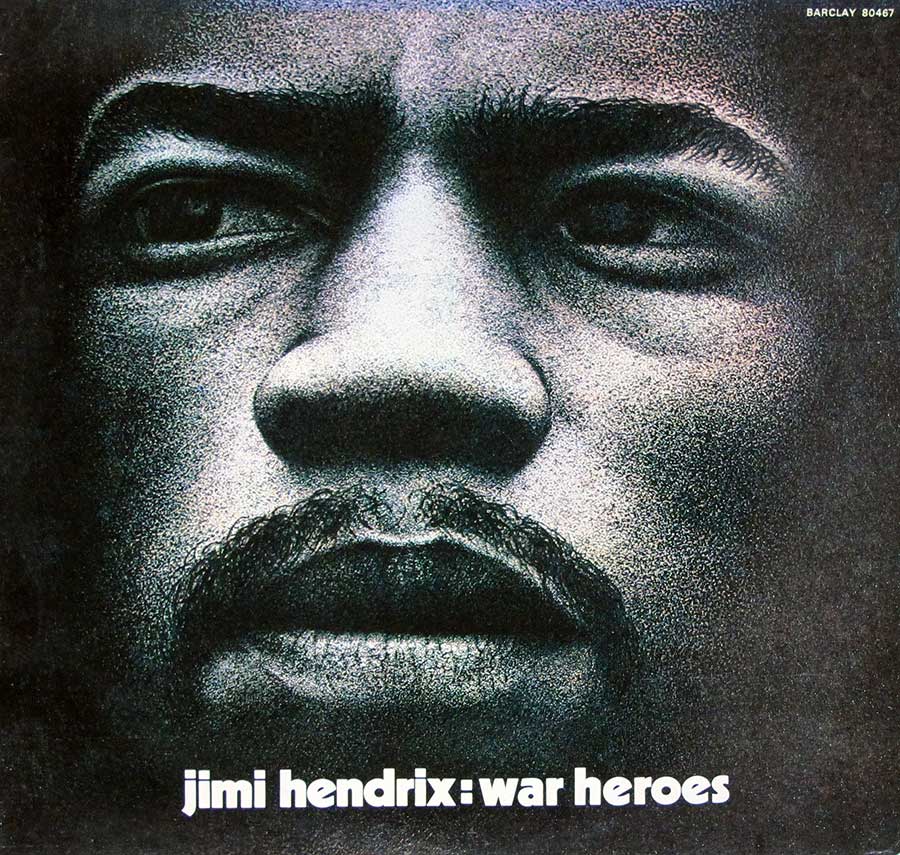
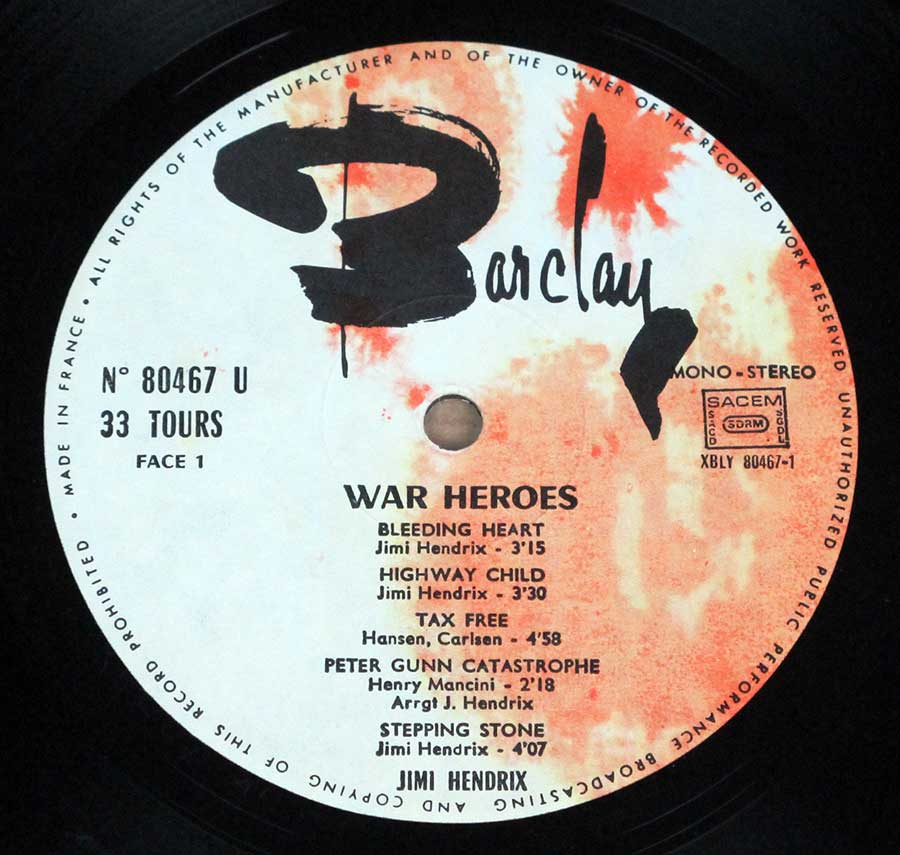
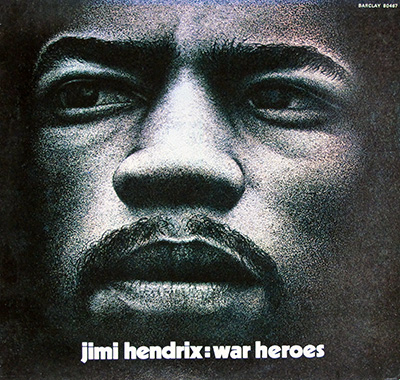
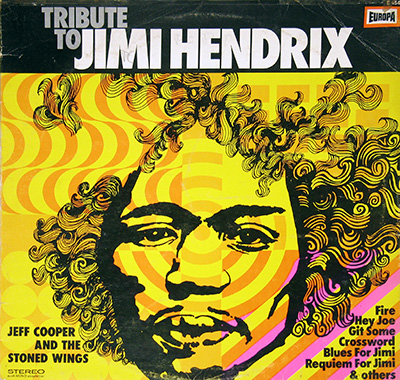
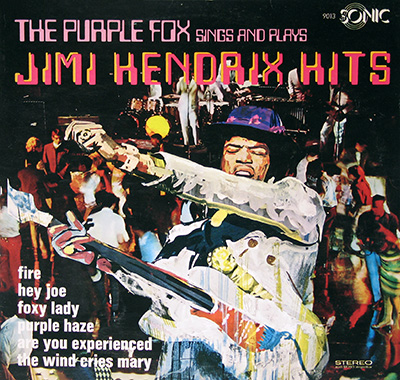
The French release of Jimi Hendrix's posthumous album "War Heroes," pressed by Barclay Records, stands as a compelling testament to the legendary guitarist's enduring legacy. Released in 1972, two years after Hendrix's untimely death, this album offers a distinct tracklisting from its American Reprise counterpart, presenting a unique listening experience that underscores Hendrix's multifaceted genius.
Historical Context and Musical Exploration
The period between 1967 and 1970, during which the tracks for "War Heroes" were recorded, was a time of intense creative output and evolution for Hendrix. These years saw him pushing the boundaries of rock, blues, and psychedelia, crafting a sound that would define a generation and influence countless artists across various genres. The French release of "War Heroes" captures this spirit of exploration and innovation, presenting a collection of tracks that highlight Hendrix's versatility as a musician and a visionary.
A Genre-Defying Collection
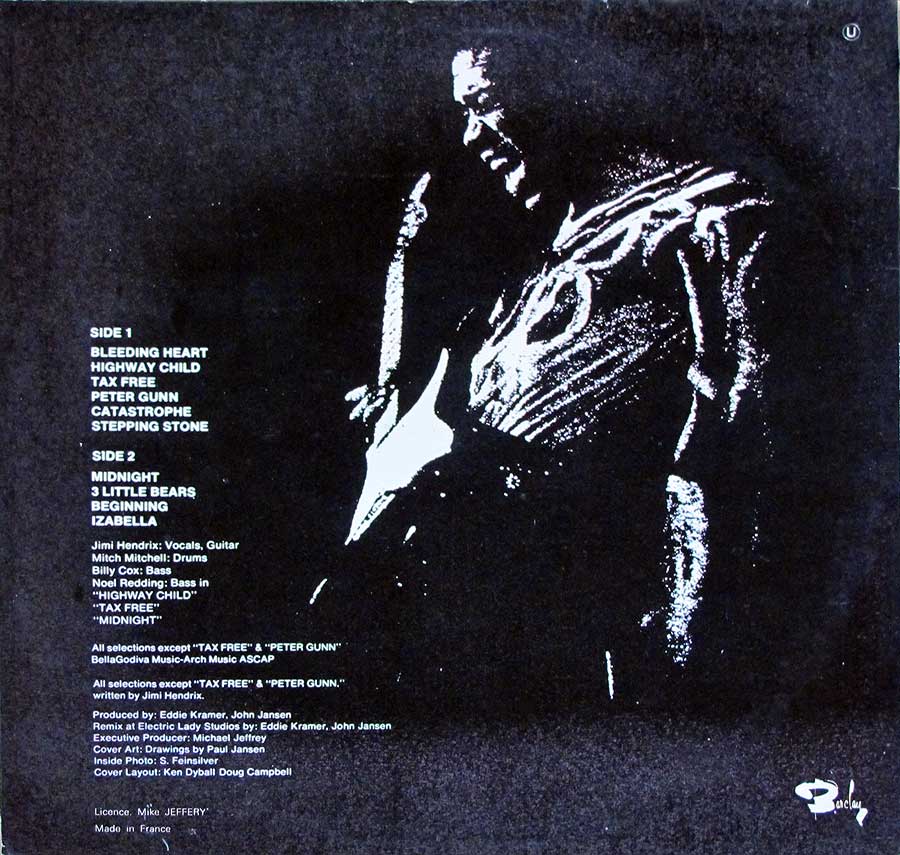
"War Heroes" traverses a wide sonic landscape, from the blues-inflected "Bleeding Heart" to the raw, rock-driven "Highway Child." The album opens with "Bleeding Heart," a track that showcases Hendrix's ability to blend deep emotional expression with technical prowess. "Highway Child" follows, delivering a burst of energy with its driving rhythm and electrifying guitar work.
"Tax Free" offers a glimpse into Hendrix's experimental side, featuring extended instrumental passages that allow his guitar to take center stage. The inclusion of "Peter Gunn Catastrophe" demonstrates his playful approach to music, blending elements of jazz and rock in a way that only Hendrix could. "Stepping Stone" rounds out Side One with its powerful riff and dynamic composition.
Side Two continues the journey with "Midnight," a track that delves into darker, more atmospheric territories. "3 Little Bears" provides a lighter, more whimsical contrast, showcasing Hendrix's ability to infuse humor into his music. "Beginning" and "Izabella" close the album with a return to rock fundamentals, highlighting Hendrix's unparalleled skill as a guitarist and his knack for creating memorable, impactful music.
Production and Engineering Excellence
"War Heroes" benefits from the meticulous production work of Jimi Hendrix himself, alongside Eddie Kramer and John Jansen. Kramer, known for his long-standing collaboration with Hendrix, brings his technical expertise and deep understanding of Hendrix's sound to the album. The recording sessions took place across several iconic studios, including De Lane Lea Studios in London, and Olmstead Sound Studios, The Hit Factory, Record Plant Studios, and Electric Lady Studios in New York City.
These studios, each with their unique acoustics and equipment, contributed to the rich, varied soundscapes found on the album. The engineering team, spearheaded by Kramer, ensured that each track captured the essence of Hendrix's performances, preserving the raw energy and intricate details of his guitar work.
Visual Artistry
The visual presentation of "War Heroes" is as compelling as its musical content. The album cover, designed by Ken Dyball and Doug Campbell, features drawings by Paul Jansen that evoke the album's title and themes. The back cover photography by S. Feinsilver complements the front cover's artwork, creating a cohesive visual narrative that enhances the listener's experience.
Controversies and Legacy
Despite its musical brilliance, "War Heroes" was not without controversy. Some critics and fans questioned the ethics of releasing posthumous albums, debating whether these collections truly represented Hendrix's artistic vision. However, the album has since been embraced as an essential part of Hendrix's discography, providing insight into his creative process and offering a treasure trove of unreleased material for fans and scholars alike.