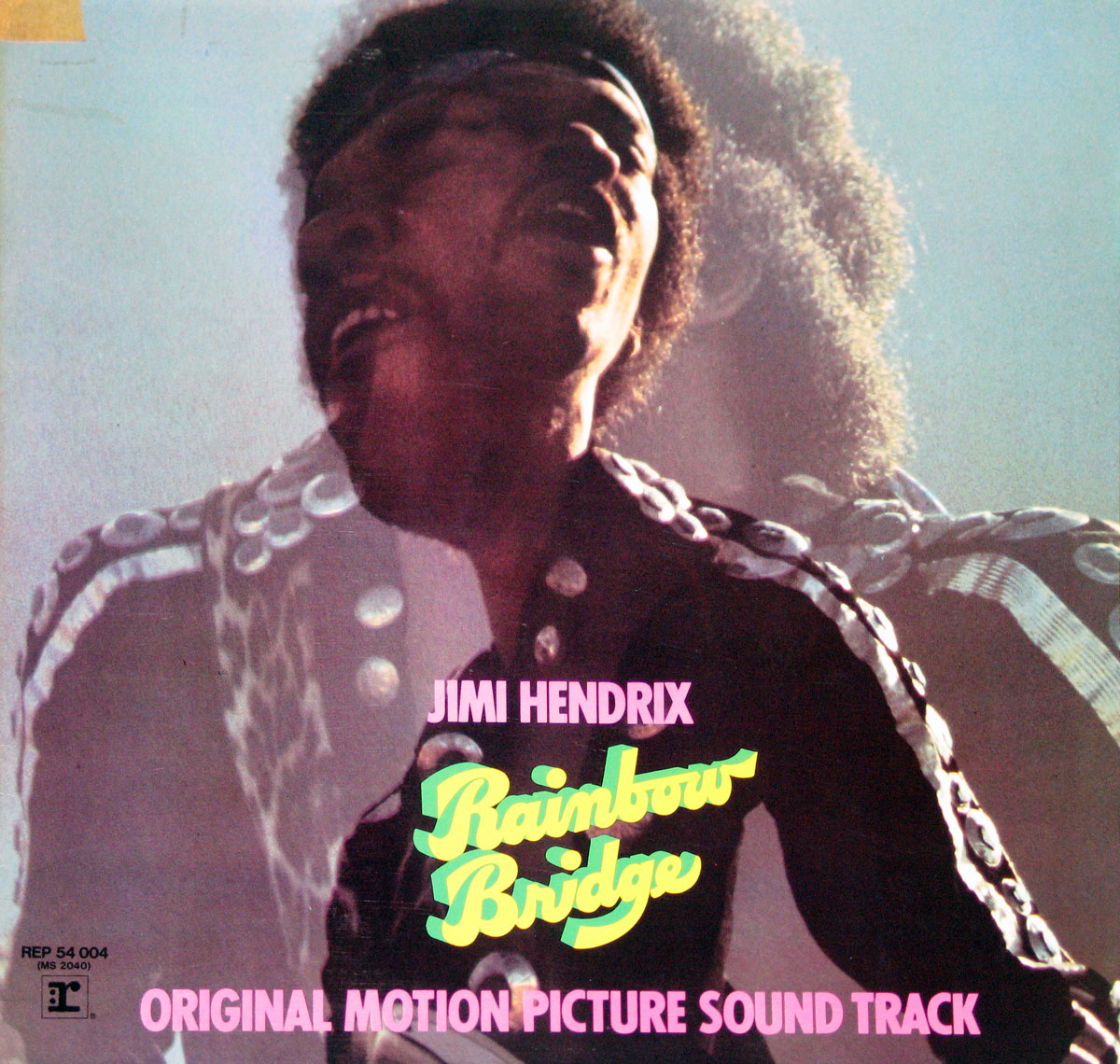
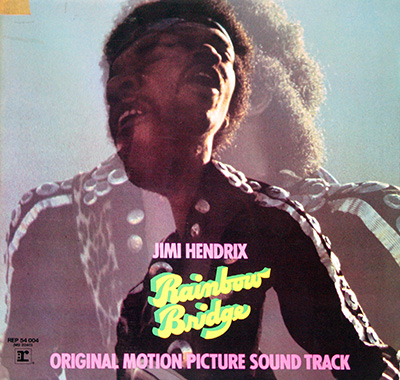
In the ever-evolving landscape of rock music during the late 1960s and early 1970s, few artists managed to push boundaries as relentlessly as Jimi Hendrix. His posthumous release, "Rainbow Bridge" (1971), encapsulates an era of musical exploration and innovation that remains significant in the annals of rock history.
Historical Context and Musical Exploration
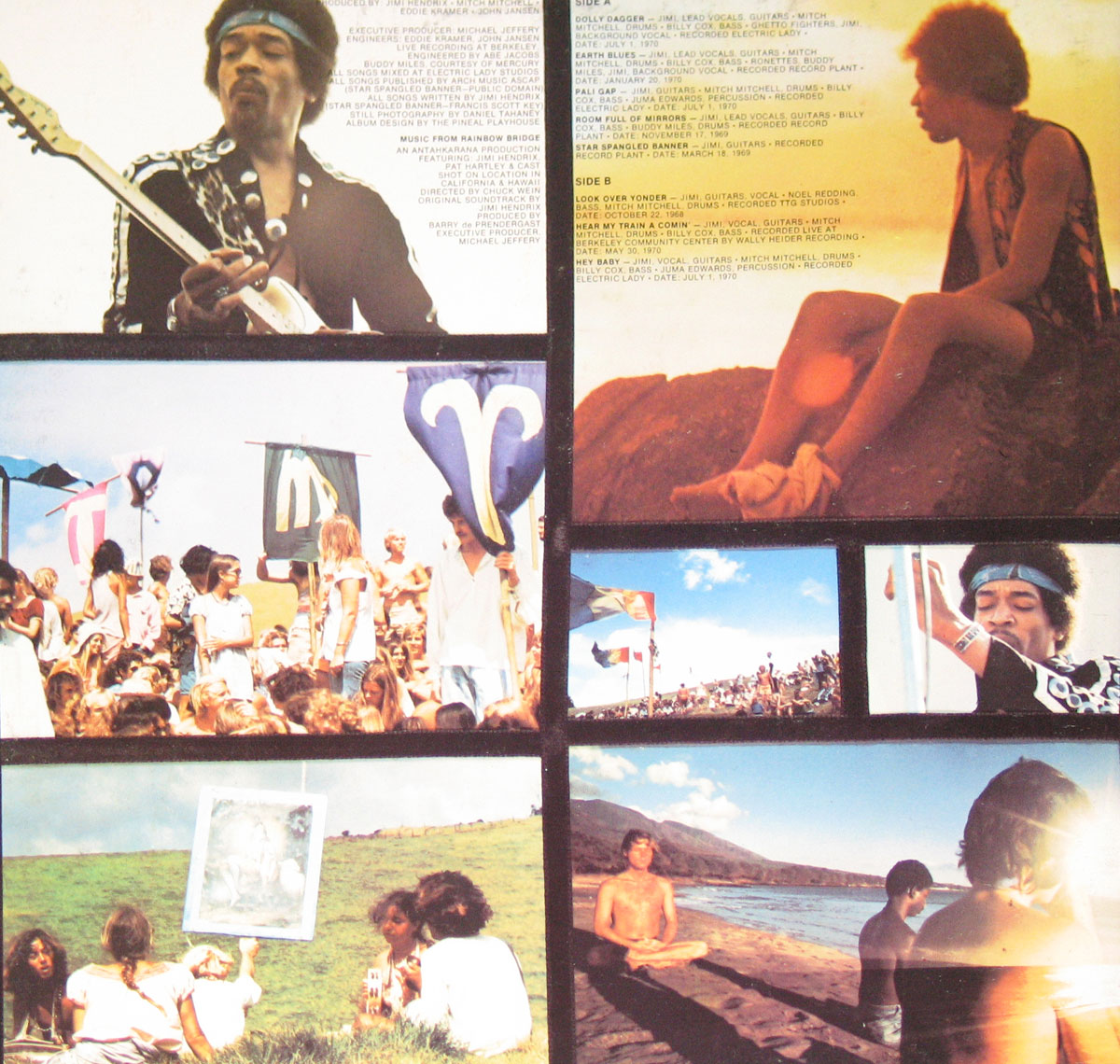
Released on 26 October 1971, "Rainbow Bridge" serves as the soundtrack for the documentary film of the same name. The movie, though not well-received, featured footage from Hendrix's performance in Maui, Hawaii, during the summer of 1970. The album is a testament to Hendrix's virtuosity and his relentless pursuit of new sounds and textures.
Music Genre and Tracks
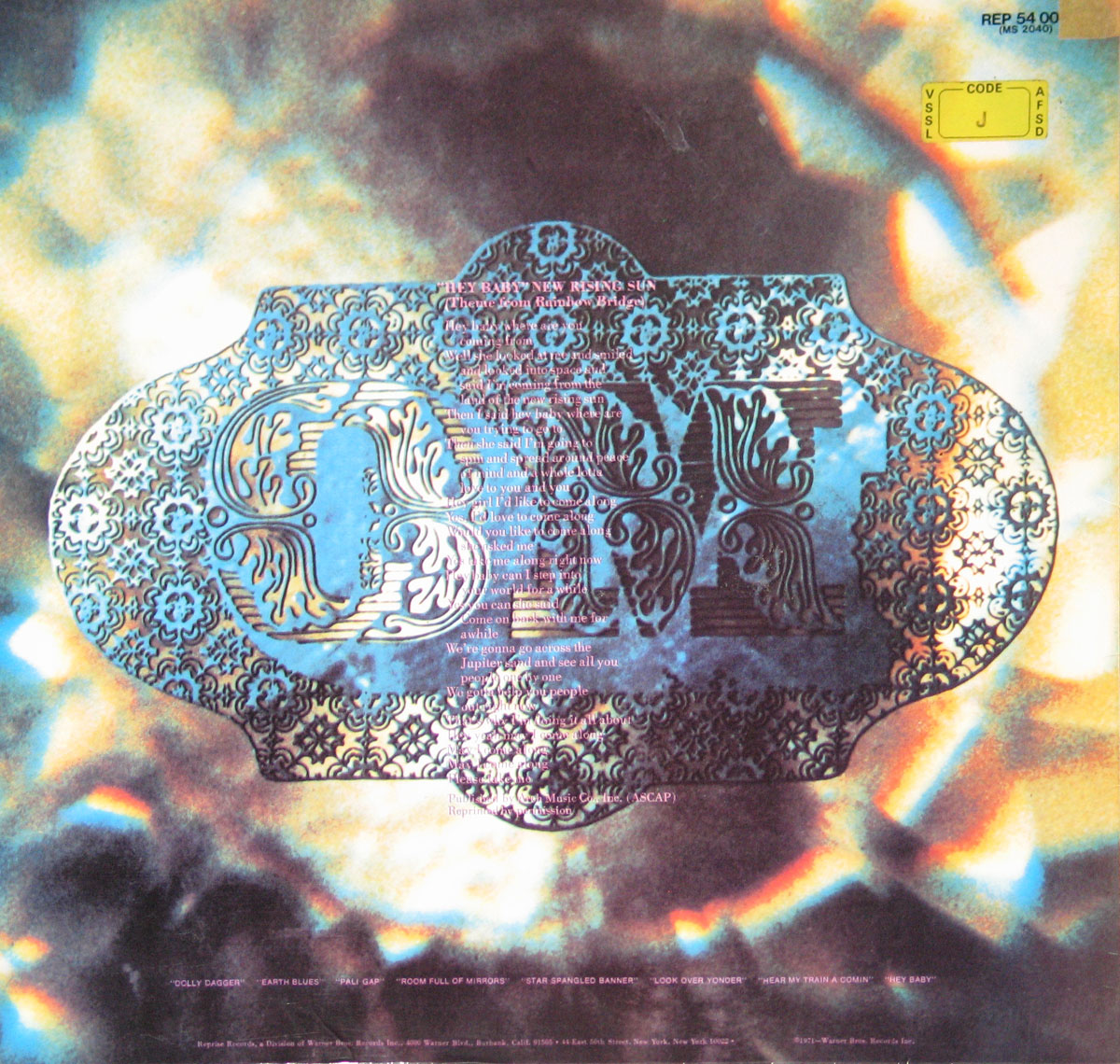
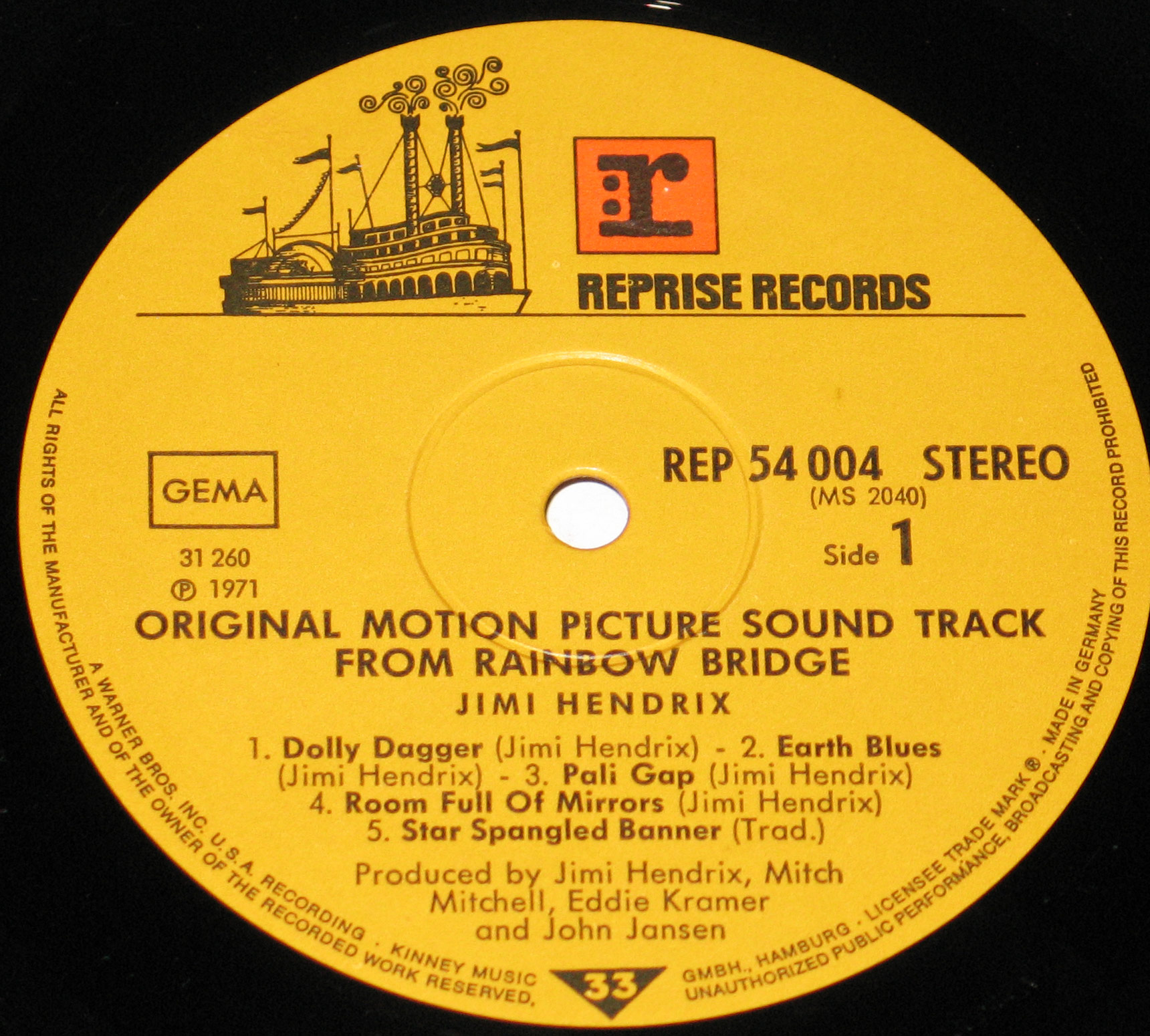
"Rainbow Bridge" delves deeply into the psychedelic rock and blues genres, a signature of Hendrix's style. Tracks like "Dolly Dagger" and "Hey Baby (New Rising Sun)" showcase his unparalleled guitar work and innovative use of studio technology. The album's opener, "Dolly Dagger," with its biting riffs and dynamic structure, sets the tone for an album that is both a tribute to Hendrix's past and a hint at the musical directions he was exploring before his untimely death.
Controversies and Reception
Despite its musical brilliance, "Rainbow Bridge" was not without its controversies. Critics and fans were divided over the posthumous nature of the release, questioning whether it truly reflected Hendrix's artistic vision or was a commercial exploitation of his legacy. The inclusion of tracks that were not part of the original Maui performance further fueled debates about the authenticity and integrity of the album as a soundtrack.
Production Team and Recording Studio
The production team behind "Rainbow Bridge" included Hendrix himself, Mitch Mitchell, Eddie Kramer, and John Jansen. This formidable quartet ensured that the album captured the essence of Hendrix's late recordings. Eddie Kramer, who had worked extensively with Hendrix, brought his technical expertise to the mixing and mastering process, preserving the raw energy and innovative soundscapes that defined Hendrix's music.
Musical Legacy
Though "Rainbow Bridge" may not have achieved the same commercial success as Hendrix's earlier works, its significance lies in its encapsulation of a pivotal moment in rock history. The album stands as a testament to Hendrix's enduring influence and his unwavering commitment to musical innovation.