Jimi Hendrix - Electric Ladyland (1968, UK) 2LP 12" VINYL

- Genuine UK Release, Nudity on Album Front Cover

Album Front cover Photo of Jimi Hendrix - Electric Ladyland (1968, UK) https://vinyl-records.nl/

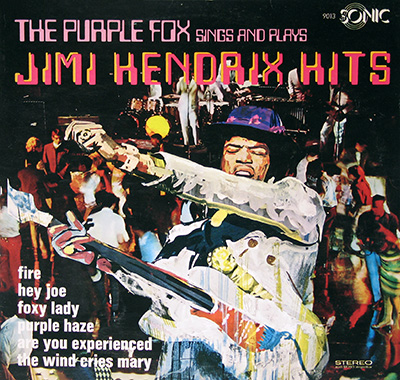
A dimly lit group of nude women arranged loosely across the frame, some facing forward, others turned away, holding LP sleeves with Hendrix’s portrait. The tones are muted, almost brownish, giving the image a slightly worn, soft-focus feel, more like a faded magazine spread than a sharp studio shot.

Even if you have tripped over the UK nude-cover "Electric Ladyland" for years, this copy still has a way of stopping you when you look past the scandal and study the thing properly. Hendrix hated this sleeve and said it had nothing to do with him, which already gives the package a sour little tension the cleaner later editions cannot fake. Then the object takes over: the gatefold spread, the period Polydor details, the inside photographs, the wear and print texture that tell you this is not some tidy reissue pretending to be 1968. That is the point of this page. Not to parade a famous cover yet again, but to let Hendrix fans and collectors inspect a record they thought they already knew, and maybe catch it in a less comfortable light for once

"Electric Ladyland" (1968) Album Description:

"Electric Ladyland" is what happens when acid blues rock stops pretending it is still a tidy three-man outfit and starts spreading into the walls, the cables, the ashtrays, the whole room. Hendrix does not so much lead this record as pull it out of shape on purpose. Some of it struts, some of it drifts, some of it just stares back at you. On this UK nude-cover copy that clash gets even sharper, because the music inside is deep, obsessive, funny in spots, occasionally magnificent, while the sleeve outside still looks like a label-side cheap shot that accidentally got wrapped around a masterpiece.

That is the bit worth opening up. Not the old gasp over the cover. The friction underneath it. Britain in late 1968 was already shedding its bright boutique window dressing, the Experience were fraying at the edges, outside musicians were drifting through the sessions, and the album kept getting bigger, stranger, and less polite. Then you look at the gatefold, the credits, the red Polydor label, the odd track order on the inner panel, and the whole object starts behaving less like a famous title and more like evidence.

1968, and the air around it

Britain in 1968 was noisy in the wrong way. The papers still liked selling the afterglow of Swinging London, but the music had already turned inward, heavier, more suspicious. Cream had cracked apart. Pink Floyd were feeling their way through the post-Syd fog. Traffic kept changing shape. The Beatles were making a brilliant mess by pulling in four directions at once. Hendrix sat right in the middle of that atmosphere and sounded like he had no intention of tidying up for anybody.

Compared with the other big records circling that year, this thing moves differently. Cream could hit like a brick wall, but often sounded boxed into their own muscle. The Who had blunt-force drive. Traffic had the looseness and the pastoral drift. The Beatles had the studio sprawl. Hendrix took bits of all that and then dirtied the edges. The acid blues rock tag fits well enough, but it does not quite cover the stereo haze, the funk twitch, the slow-burn jam feel, or those long passages where the songs seem to melt and re-form mid-thought.

What the record actually does

Side by side, the tracks do not behave like a neat double album should. "And the Gods Made Love" is barely a song at all, more like the door being kicked open. "Crosstown Traffic" snaps and grins. "Voodoo Chile" sprawls for fifteen minutes and gets away with it because the groove never goes lazy. "1983... (A Merman I Should Turn to Be)" drifts into that narcotic underwater dream state Hendrix could reach when he stopped trying to impress guitar magazines and started painting with tape, echo, and breath. Then "All Along the Watchtower" comes in lean and exact, like someone finally put a knife through the fog.

The playing has weight without turning thick-headed. Hendrix's guitar attack bites, then smears, then suddenly leaves air where you expected more clutter. Mitch Mitchell is the reason a lot of this never collapses under its own ambition. He keeps prodding the songs from underneath instead of marching them forward like some square session man. Noel Redding, even while the partnership was already going sour, gives the record more backbone than people like to admit. When his own "Little Miss Strange" turns up, awkward and slightly left-field, it helps the album breathe. Perfection would have ruined this thing.

Why the sessions feel half-band, half-open house

By this point the Experience were still a band on paper, but the seams were showing. Redding had his own musical ideas and his own frustrations. Hendrix was chasing sound, not diplomacy. So the sessions stretched out and other players wandered in: Steve Winwood, Jack Casady, Buddy Miles, Al Kooper. That can sound like chaos in hindsight, and sometimes it probably was, but it also explains why the album feels bigger than a power-trio record and less loyal to rock orthodoxy. Not every minute lands cleanly. Good. Clean was not the job.

The production credit belongs to Hendrix alone, and you can hear why. This is not just a collection of performances caught on tape. It is a record built from decisions: where the guitar clouds the mix, where the vocal sits uncomfortably forward, where the stereo image opens out, where a groove is allowed to hang around longer than common sense would recommend. David Montgomery's interior portrait, David King's sleeve design, even Donald Silverstein's small inner-gatefold band photos all end up serving that contradiction between myth, commerce, and the far less glamorous business of making a double album hold together.

The cover problem

The UK nude cover still causes the same lazy reaction now that it did in the bins decades ago: a raised eyebrow, a smirk, maybe some performative outrage from people who have seen far worse before breakfast. The real problem with it is not that it is shocking. It is that it is a bit crass. Hendrix had wanted something else entirely, and you can feel the mismatch once the sleeve is open in your hands. Outside, the label went for provocation. Inside, the record itself turns out to be more adventurous, more vulnerable, and frankly smarter than the packaging deserved.

A late-night listen with the lamp low and the gatefold spread open on the table still changes the argument. The murky nude photos, the smoke portrait, the severe black inner panel, the red Polydor label, all of it starts to read like a tug-of-war between art, salesmanship, ego, and deadline panic. That is a familiar old record-business smell. Hard to love. Harder to ignore.

Collector-wise, this UK copy earns its keep because the object and the music fight each other in public. The sleeve lies a little. The label tells the truth. The gatefold quietly repairs some of the damage. And the album itself keeps slipping past every attempt to reduce it to one famous cover, one canonical song, or one tidy narrative about genius. Better that way. Records that explain themselves too neatly usually are not worth pulling from the shelf again.
References

Album Key Details: Genre, Label, Format & Release Info

Music Genre:

Acid Psychedelic Prog Blues Rock

A heady late-1960s mix where blues roots get stretched through psychedelic studio tricks, drifting structures, and progressive ambition. It moves from tight rock grooves to extended jams, layering guitar textures and effects in ways that were still new at the time, blurring the line between song and sound experiment.

Label & Catalognr:

Polydor – Cat#: 2310269

Album Packaging

2LP Gatefold/FOC (Fold Open Cover) Album Cover Design with photos on the inside cover pages

Media Format:

Record Format: Double LP 12" Vinyl Stereo Gramophone Record
Total Weight: 230g

Release Details:

Release Date: 1968

Release Country: Made in England / UK

Production & Recording Information:

Producers:
  • Jimi Hendrix – Producer

    Rare case where the star did not just show up with songs, but grabbed the whole studio by the throat.

    Jimi Hendrix, already blowing apart the usual limits of guitar, singing, and songwriting, took sole production credit here and pushed "Electric Ladyland" far beyond tidy band recording; the whole album carries his fingerprints, from the long, loose jams to the layered textures, the abrupt turns, and the stubborn refusal to make things neat just to keep the label comfortable.

Album Cover Design & Artwork:
  • David King – Album cover design

    One of those designers who understood that a sleeve should unsettle you a bit, not sit there like wallpaper.

    David King, a British graphic designer and art editor with a sharp eye for political bite and visual provocation, gave this UK package its confrontational frame, turning the nude-cover concept into something harsher and more memorable than a cheap stunt; on this album the design does not politely serve the music, it needles it, which is exactly why collectors still argue over it.

Photography:
  • David Montgomery – Photography

    Good portrait photographers catch faces; this one also helped create one of rock’s more awkwardly famous sleeves.

    David Montgomery, an American-born portrait photographer who built his career in Britain, shot the notorious UK nude-cover image and the inner portrait of Hendrix, and both images matter here for different reasons: the cover still lands like a dare, while the Hendrix shot inside gives the package a more human center, less circus, more presence.

  • Donald Silverstein – Photography

    Not the loudest credit on the sleeve, but one of the small ones that keeps the whole package from tipping over.

    Donald Silverstein, a photographer with a strong feel for rock portraiture before it turned glossy and self-conscious, contributed the inner-gatefold photographs of Mitch Mitchell and Noel Redding, and that matters more than it first seems; those shots stop the package from becoming a one-man shrine and quietly remind you that "Electric Ladyland" was still a band record, even while Hendrix was pulling hardest on the wheel.

Band Members / Musicians:

Band Line-up:
  • Jimi Hendrix – Vocals, Guitar

    The center of gravity, obviously, but never in a tidy bandleader way; more like the bloke pulling every song into deeper water.

    Jimi Hendrix, guitarist, singer, songwriter, and the restless force behind the Experience, was already reshaping rock by the time "Electric Ladyland" came together, and this album catches him refusing to behave for anyone. Vocals, guitars, studio texture, sudden turns, long-form jams, small sonic details that still feel half-dangerous now—his contribution was not just playing the material, but bending the whole record until it sounded like his head worked.

  • Noel Redding – Bass

    Often treated like the spare part in Hendrix history, which misses the point and undersells the tension that helped give this record some backbone.

    Noel Redding, an English musician who moved from guitar to bass when the Experience formed, brought a straighter, more grounded feel than Hendrix’s wilder instincts usually allowed. On "Electric Ladyland" that matters more than people admit: his bass lines keep the songs from floating off completely, and his own "Little Miss Strange" adds a slightly awkward, human side to a record that could easily have become all atmosphere and no friction.

 
  • Mitch Mitchell – Drums

    The secret weapon here; not a plodder, not a metronome, but a drummer who played like the songs were trying to outrun him.

    Mitch Mitchell, a London drummer with jazz reflexes and a feel for controlled chaos, gave the Experience its nervous energy and quicksilver movement. On "Electric Ladyland" the drumming is rarely content to just mark time; it pushes, answers, nags, and occasionally kicks the whole thing sideways. Those rolling fills and abrupt accents are all over the album, making even the dreamier stretches feel alive rather than drugged into a blur.

Complete Track-listing:

Tracklisting Disc One:
  1. "And the Gods Made Love" (1:22)
  2. "Have You Ever Been (To Electric Ladyland)" (2:11)
  3. "Cross Town Traffic" (2:25)
  4. "Voodoo Chile" (15:02)
  5. "Still Raining, Still Dreaming" (4:25)
  6. "House Burning Down" (4:33)
  7. "All Along the Watchtower" (4:00) Cover Single
    Cover of Bob Dylan’s song, transformed into one of Hendrix’s most recognized recordings.
  8. "Voodoo Chile (Slight Return)" (5:13)
Tracklisting Disc Two:
  1. "Little Miss Strange" (2:51)
  2. "Long Hot Summer Night" (3:27)
  3. "Come On" (4:10) Cover
    Cover of Earl King’s blues track, pushed into a harder, more aggressive groove.
  4. "Gipsy Eyes" (3:43)
  5. "The Burning of the Midnight Lamp" (3:40) Single
  6. "Rainy Day, Dream Away" (3:42)
  7. "1983... (A Merman I Should Turn to Be)" (4:49)
  8. "Moon, Turn the Tides... Gently, Gently Away"

Disclaimer: Track durations shown are approximate and may vary slightly between different country editions or reissues. Variations can result from alternate masterings, pressing plant differences, or regional production adjustments.

You have seen this sleeve a hundred times, sure. But in hand it never quite settles. The front is all shock value, but the real story starts when you open it and the paper stock feels thinner than you expect, almost fragile for something this notorious. The back cover print is slightly soft, like the plates were already tired. Inside, the photos sit in that late-60s haze—ink not quite biting into the paper. Then the inner sleeves… small variations, print density shifting just enough to make you pause. And the label—Polydor text, spacing, that particular red tone—never exactly identical between copies. That is where it gets interesting, and that is exactly where this gallery quietly pushes you next.

Album Inside Cover
JIMI HENDRIX Electric Ladyland Inside Gatefold Cover

Inside gatefold where things calm down visually, but get more interesting on closer inspection—ink density shifts, small alignment quirks, and that slightly thin paper stock that never feels quite as sturdy as you'd expect.

Album Front Cover Photo
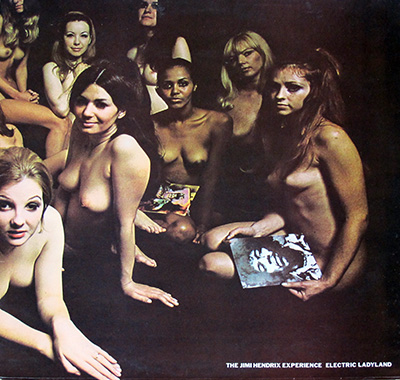
Front cover of the UK Polydor 2LP edition of The Jimi Hendrix Experience - Electric Ladyland, showing a dark brown-black studio photograph of multiple nude women posed against a shadowy backdrop, several facing the camera, one holding a Hendrix portrait sleeve, with white title text printed low at bottom right. This variant matters to collectors because it uses the controversial UK nude cover layout rather than the later Hendrix portrait sleeve, and the image shows the murky print, soft focus, and low-right typography placement typical of this issue.

Seen flat on the desk, this sleeve does not greet you so much as loom there, dark and vaguely grubby, like something the printer never quite pinned down. The photograph is crowded with nude women arranged in a loose semicircle, but not in any elegant way. More like a magazine editor’s bad idea that somehow made it onto a record cover. The background is muddy brown-black, the shadows swallowing edges and limbs, so bodies drift in and out of the gloom instead of reading cleanly. That murk is part of the point, whether by design or by tired printing. Either way, it gives the whole front a stale, overheated look that suits the sleeve’s reputation better than any polished reproduction ever does.

What catches the eye first is not the nudity. Not after all these years. It is the awkwardness. Faces look detached from one another, as if each person was posed for a different reason and then abandoned there. The woman at lower left pushes into the frame so close that her hand and face almost work like a border. The dark-haired person near centre-left is set forward and lit more softly, which makes her the visual anchor whether the designer meant that or not. On the right, another person holds a Hendrix image sleeve across her lap, and that small printed rectangle does more actual selling than the rest of the setup. Cheap trick, frankly, but a revealing one. The sleeve wants scandal and branding at the same time, and the tension shows.

Handling an original copy, the print usually looks softer than memory insists. Flesh tones drift toward brown, pink, and nicotine-stained beige depending on wear and light. Fine detail in the hair tends to clog into dark mass, especially along the upper half where the background and hair merge. Light rubbing on the front shows up fast because the dark areas scuff before the paler skin tones do, and ring wear has a habit of surfacing as broad dulling rather than neat circles. Corners often go grey-white first. The bottom edge picks up little pressure nicks. Along the spine, stress lines can break the dark ink and make the whole package look even more exhausted than it already does.

Typography is kept low and out of the way, printed in white at the bottom right: “THE JIMI HENDRIX EXPERIENCE ELECTRIC LADYLAND.” Practical, almost apologetic, and oddly small considering the racket around the image. The lettering is straightforward sans serif, spaced wide enough to breathe, though it always feels slightly stranded down there, like someone added it after the photo had already caused enough trouble. No flashy logo games. No decorative nonsense. That restraint actually helps. What annoys me more is how the concept lies about the record inside. Nothing here tells you about the music’s scale, the studio obsession, the sprawl, the brilliance. It tells you late-1960s record business opportunism. Which, to be fair, is also part of the story. And on an original UK sleeve, that uncomfortable mismatch is exactly what makes this thing worth studying up close rather than dismissing with one tired glance.

Album Back Cover Photo
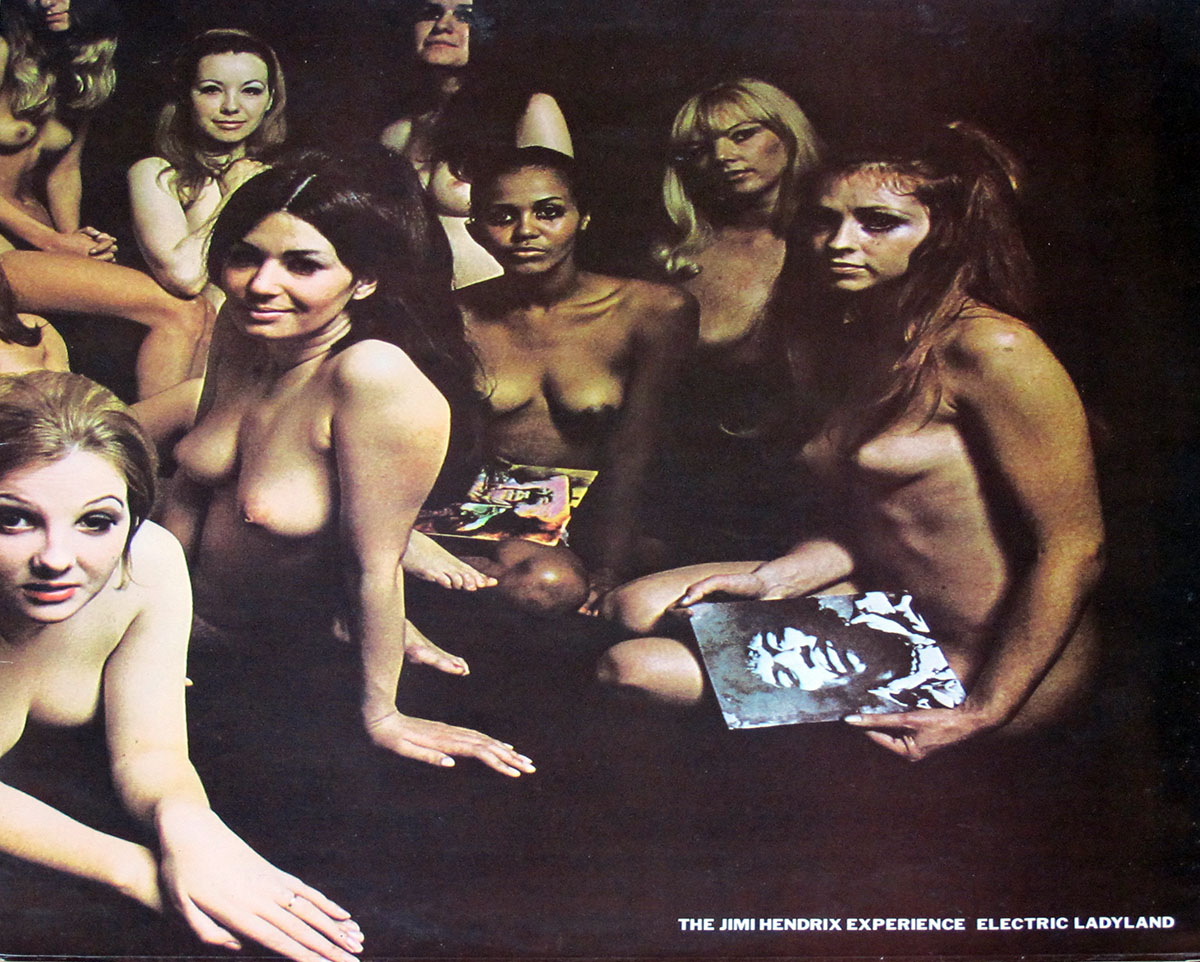
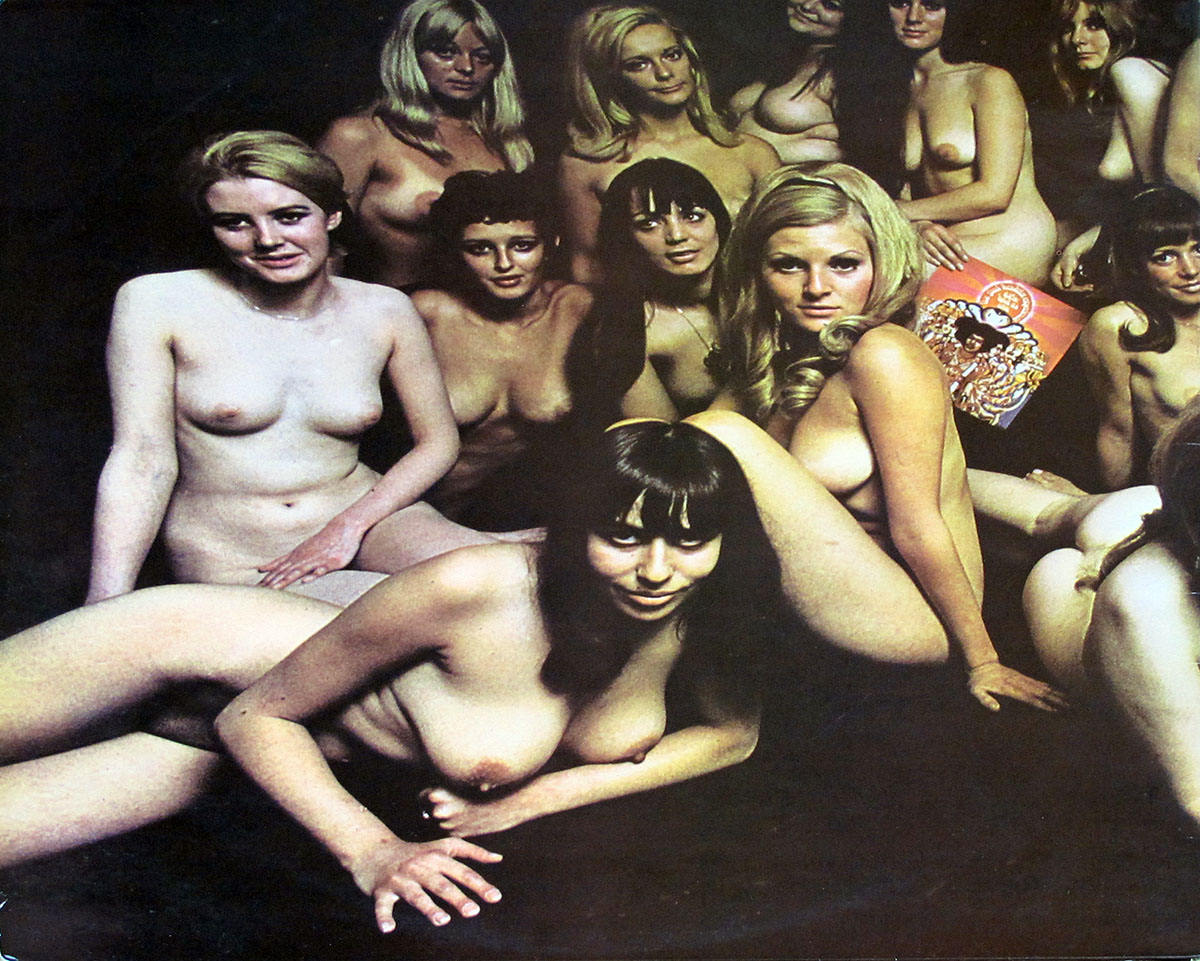
Back cover of the UK Polydor 2LP edition of The Jimi Hendrix Experience - Electric Ladyland, showing another dark studio photograph of nude women arranged more tightly across the frame, one holding a brightly colored Hendrix sleeve near the right side. The image has the same murky brown-black printing, soft detail, and low-contrast flesh tones typical of this controversial UK cover package, making it useful for identifying the original nude-cover gatefold variant rather than later portrait-based editions.

Turn the sleeve over and the same basic idea keeps going, only this side feels even less like a grand concept and more like a printer’s compromise that got out into the shops anyway. The group of nude women is packed tighter here, with bodies pushed toward the foreground and faces hovering out of the black background like they were developed in weak chemicals. Nothing looks crisp. The dark areas swallow detail, the skin tones drift toward a yellowed cream, and the whole thing has that tired late-1960s UK print look that collectors know well: not elegant, not sharp, but unmistakably of its moment.

The design concept is obvious enough. Shock first, music second, though the sleeve cannot resist sneaking the music back in through that brightly coloured Hendrix record held at the right side. That little patch of orange and red does a lot of heavy lifting because without it this would border on pointless provocation. Annoying, really. The cover sells scandal, the back cover tries to remind you there is an actual artist somewhere in the mess. What works, oddly enough, is the awkwardness. Faces do not line up in any refined way, limbs cut across the lower edge, and the central reclining person dominates the foreground so heavily that the composition feels half accidental. That clumsiness gives the thing a grubby honesty polished reprints usually lose.

In hand, this side usually shows wear in all the places dark sleeves always do. Broad surface rubbing knocks the black-brown background dull before anything else, and faint ring wear tends to appear as cloudy flattening rather than a neat circle. Along the top edge, tiny white nicks break through first. Corners grey up quickly. The darker hair areas often merge into the background because the ink sits heavy there, while lighter flesh tones can look a bit washed or chalky depending on how the copy has been stored. A laminated glamour object this is not. The paper and print feel workmanlike, almost grudging, which is part of the sleeve’s weird charm and part of its irritation too.

Collector-wise, the back matters because it confirms the package is committed to the same murky nude-photo concept front and rear, instead of treating the back as an afterthought. Still, it is a clumsy bit of packaging. No use pretending otherwise. What saves it is age, print character, and the fact that the whole uneasy thing belongs to one of the most ambitious double albums of the era. On a desk, under a decent lamp, this side starts to show its real value in the weak ink transitions, the handling wear, the way the bright inserted Hendrix image jars against all that brown gloom. That is the sort of detail worth keeping, because slick reproductions flatten it into nothing.

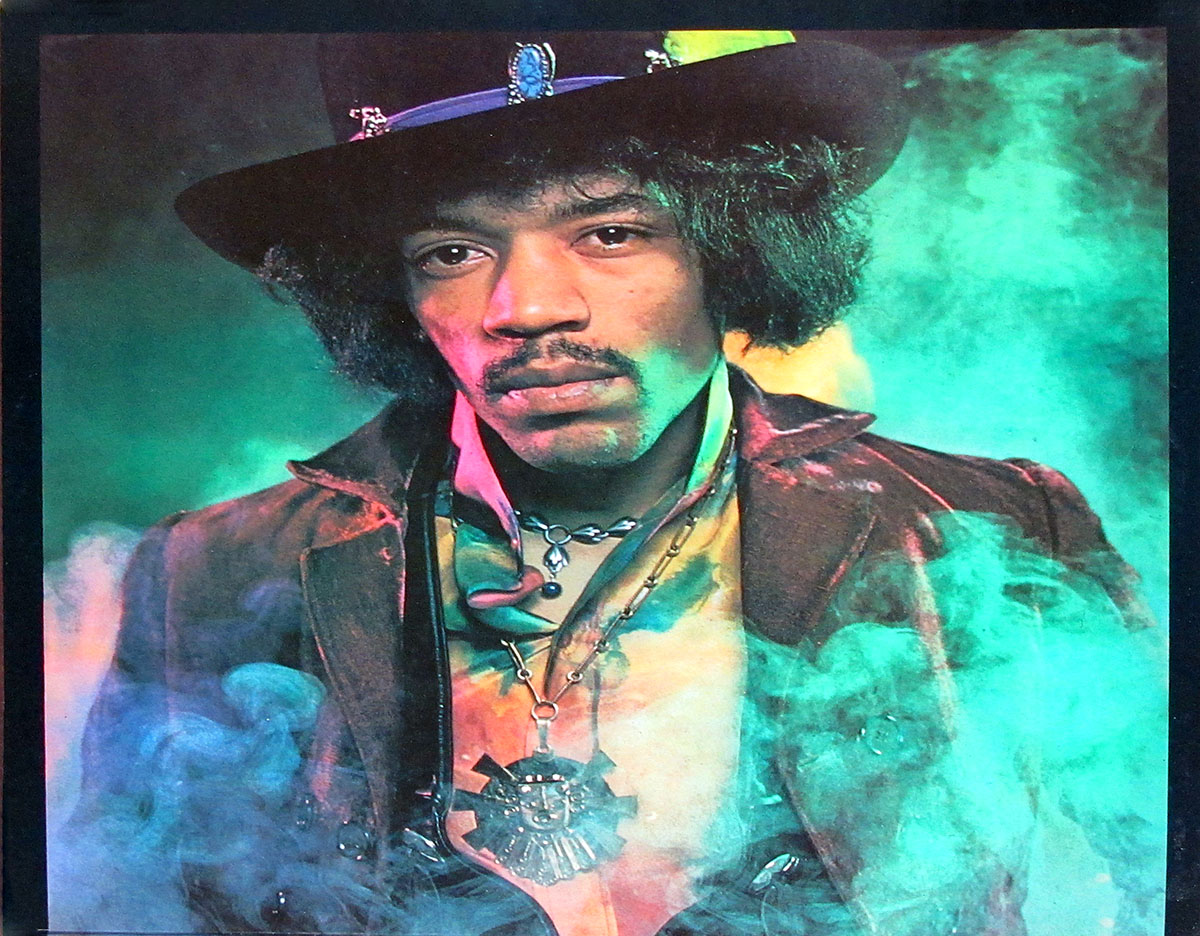
Inside gatefold portrait photo from the UK Polydor 2LP edition of The Jimi Hendrix Experience - Electric Ladyland, showing a tightly framed color image of Jimi Hendrix in a dark hat and jacket, surrounded by blue-green and pink smoke effects against a dark background. The print has strong psychedelic color saturation, a visible vertical fold line through the center, and the slightly soft contrast typical of late-1960s UK gatefold interiors, making it a key identification point for this controversial nude-cover edition.

Open the sleeve and suddenly the cheap stunt on the outside drops away for a minute. This inside image is where the package finally remembers there is a musician involved, and not just a marketing department with bad manners. The portrait is a tight, square-on shot of Hendrix in that broad dark hat, staring straight out with a look that is not welcoming, not hostile either, just tired of the whole circus. Blue-green smoke curls around him from both sides, with pink and yellow light leaking into the shirt and face, so the whole thing sits somewhere between studio portrait and chemical accident. That ambiguity helps. It feels far more truthful than the cover.

In hand, the first thing that jumps out is the fold line running vertically down the middle. No avoiding it. On a clean copy it cuts straight through the image like a scar, and on a worn one the pressure mark can catch light differently from the surrounding print. That matters because this is not just a photo reproduced on paper; it is a gatefold image forced to live with the mechanics of the sleeve. The dark jacket areas tend to absorb detail, especially near the lower half where the smoke and fabric start merging into one murky mass. The brighter smoke tones, especially the turquoise, often print a touch grainier than they look in scans, and the magenta cast on the left side of the face can drift depending on age, storage, and how heavy-handed the original print run was.

Paper stock here usually feels a bit lean for such a dramatic image. Not flimsy, but not luxurious either. Along the fold, faint whitening can appear after decades of opening and closing, and the inner edge sometimes shows that slightly stressed, rubbed finish gatefolds pick up when records have been shoved back in carelessly for years. A few copies show little pressure dents near the lower section where the board took knocks but the image kept going anyway. Those are the details that make this more interesting than the front. Typography is absent, which is a smart decision for once. Nothing interrupts the face. Nothing explains the mood. Good. The sleeve needed one honest moment, and this is it.

What works here is the refusal to flatter. Hendrix is lit like a myth but printed like an object, with smoke softening the scene while the eyes stay hard enough to cut through it. No daft nudging, no fake innocence, none of the grubby sensationalism plastered across the outside. Just a strong interior portrait with enough print quirks, fold stress, and colour shift to remind you this was made to be handled, shelved, scuffed, and opened again. This is the image in the package that earns its keep. The rest makes noise.

Second Photo of Custom Inner Sleeve
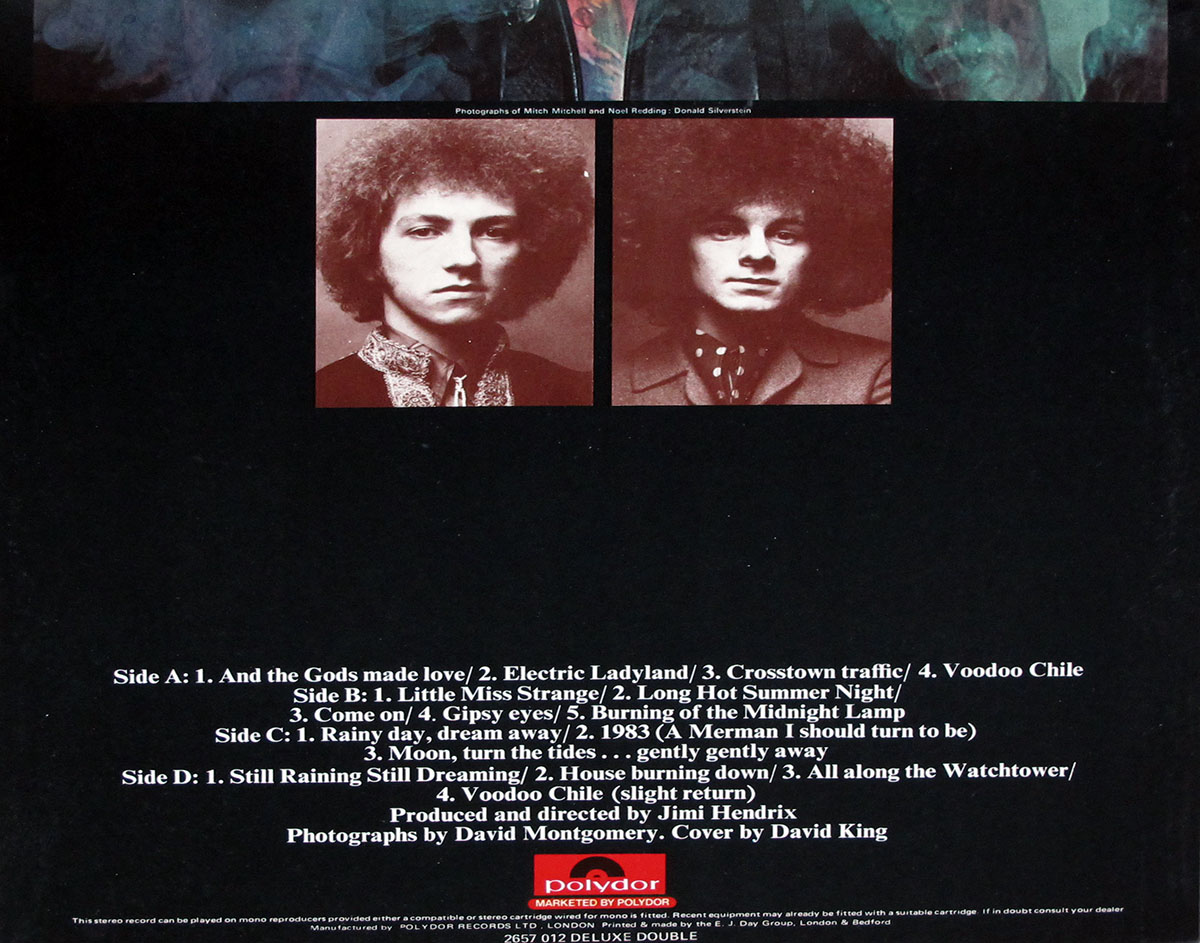
Inner gatefold detail from the UK Polydor 2LP edition of The Jimi Hendrix Experience - Electric Ladyland, showing two small sepia-toned portrait photos of Mitch Mitchell and Noel Redding set against a large black background, with white track listing and production credits printed below, a red Polydor logo near the bottom center, and tiny manufacturing text along the lower edge. This image matters to collectors because it captures the typography, layout, and credit structure of the original UK nude-cover gatefold interior, including the small portrait placement and deluxe double album text.

This part of the gatefold always feels like the sleeve finally giving up on spectacle and getting back to paperwork, credits, and the practical business of telling you what is actually in the thing. A lot of black space here. More than most designers would dare now, and probably more than they knew what to do with then. Near the top sit two small sepia portraits of Mitch Mitchell and Noel Redding, boxed in neatly with their names implied by the caption line above. They look a bit marooned up there, if I am honest, like passport photos that wandered into a psychedelic package by mistake. Still, that awkwardness is part of the charm. It is the sort of layout decision no modern reissue department would leave alone.

In hand, the black background tells you everything about how the sleeve has aged. It shows rubbing immediately. Light scuffing blooms into grey haze across the flat areas, and even careful copies often pick up little handling trails that only show when the sleeve catches side light. The white serif track text at the bottom half is packed in tight and does not always print with perfect crispness, especially where the letters bunch together in the longer titles. "Voodoo Chile" and "Still Raining Still Dreaming" can look just a touch fuzzy on worn copies, not because the design is bad but because the print stock and dark ground never gave the type much room to breathe. Lower edge wear shows up fast too, especially around the red Polydor box where tiny nicks and pressure marks break the border cleanly.

The composition itself is strangely severe. Black field, two portraits, blocks of centered white text, then the red label logo dropped in near the bottom like a stamp of authority. No decorative nonsense. No attempt to warm it up. Credits are blunt: produced and directed by Jimi Hendrix, photographs by David Montgomery, cover by David King. Useful, yes. Graceful, not especially. What works is the honesty of it. This side behaves like packaging made for use, not framed admiration. The manufacturing line and catalogue details along the bottom edge matter to collectors more than the sleeve ever intended, and they usually sit right where wear, dust, and old shelf friction have done their slow damage. That is the sort of detail worth staring at.

Best thing here is the tension between the tiny musician portraits and the oversized emptiness around them. It gives the inner spread a slightly underdesigned feel, but a human one. No fake grandeur. Just two band members, a pile of text, and a lot of black ink daring time to be kind. Time usually is not. On a clean copy, though, this panel has a stern sort of presence, and the printing quirks, text weight, and little production lines down the bottom tell more about the real object than all the front-cover noise ever could.

Close up of Side One record’s label
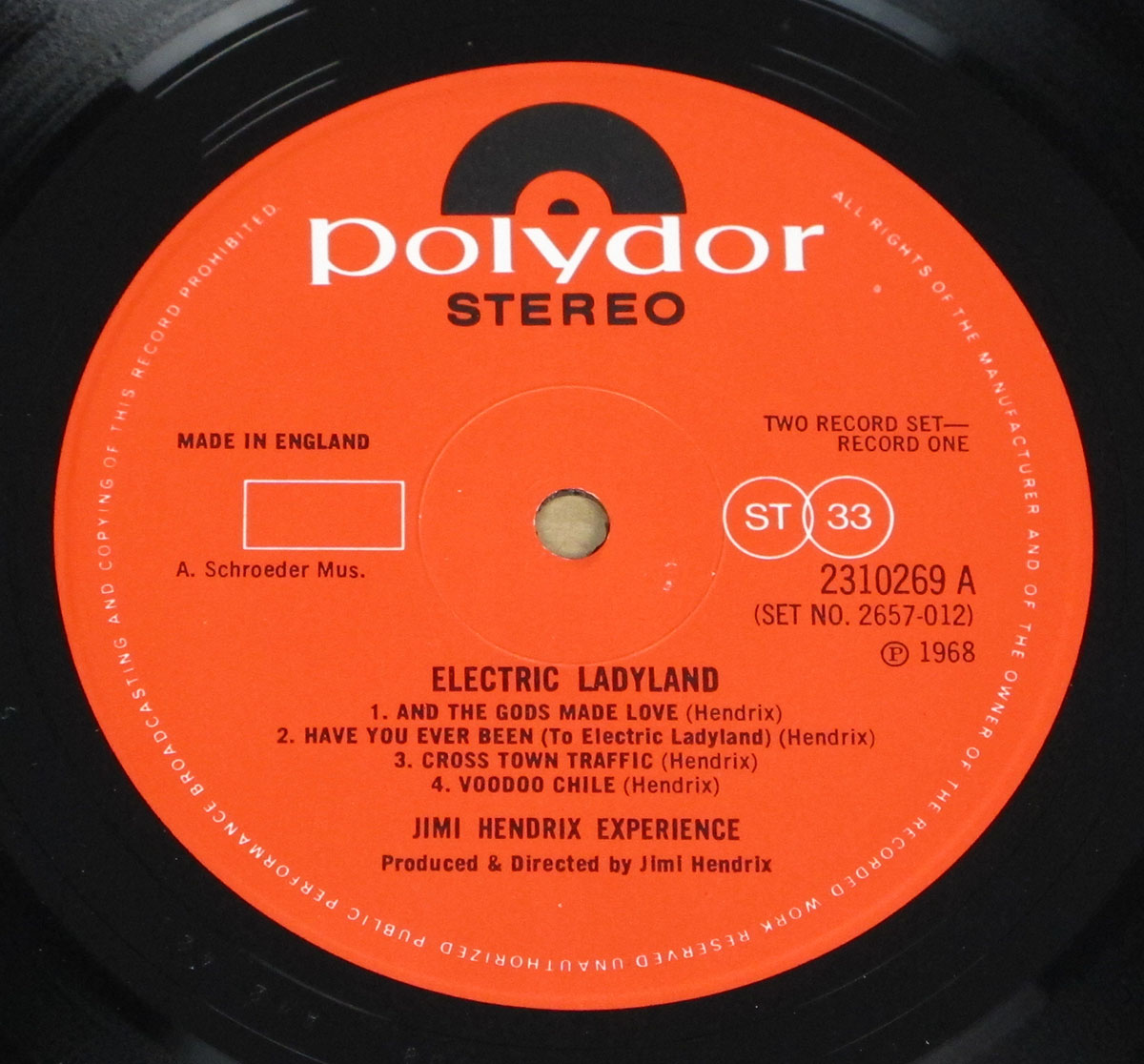
Close-up photo of the red Polydor Side One label from the UK 2LP edition of The Jimi Hendrix Experience - Electric Ladyland, showing the large white Polydor logo, STEREO marking, ST 33 circles, catalog number 2310269 A, set number 2657-012, Made in England text, 1968 date, track listing for Side A, and Produced & Directed by Jimi Hendrix credit. This label matters to collectors because the red UK Polydor layout, typography, and catalog details help identify the original nude-cover double album pressing.

Now this is where the sleeve stops posturing and the record starts telling the truth. Side One of the red Polydor label fills most of the frame, bright enough to smack you in the face after all that murky cover printing. The label colour is a hot red-orange rather than a deep crimson, with the big black Polydor semicircle and wide white logo dominating the upper half. “STEREO” sits underneath in thick black capitals, then the practical stuff begins: “TWO RECORD SET—RECORD ONE,” the ST 33 circles, catalogue number 2310269 A, set number 2657-012, and that useful little “MADE IN ENGLAND” off to the left. No romance here. Good.

Handling the actual record, the first thing that usually shows is whether the spindle hole has stayed neat or has been chewed by clumsy use. This one looks fairly clean, though there is a bit of wear around the centre where the paper has taken stress. Fine hairlines in the black vinyl catch the light around the label edge, and the glossy surface still shows those curved groove bands clearly enough. Dust settles against black vinyl like it owns the place, so even a decent copy always looks like it needs one more careful wipe. That is normal. What matters more is the label print. Here it sits well enough, though the black text is not razor sharp everywhere, especially in the smaller copyright ring running round the outer edge where late-1960s pressing clarity was never exactly a religion.

The typography is pure utility and all the better for it. Big brand at the top, track titles stacked in blunt capitals below “ELECTRIC LADYLAND,” writer credits tucked in brackets, artist credit and “Produced & Directed by Jimi Hendrix” planted at the bottom with no fuss. A. Schroeder Mus. appears on the left, boxed space above it, and the whole arrangement feels like it was built by people who cared more about getting records into shops than impressing design students. Sensible, slightly stiff, unmistakably period. That is exactly why collectors stare at these things. The label gives you manufacturing logic, rights text, pressing identity, and catalogue structure all in one hit, and unlike the sleeve it does not try to flirt with you while doing it.

Best part is the contrast. Outside, the package makes noise. Here, the truth sits in plain sight: country of manufacture, record number, side designation, track order, year, producer credit. That red Polydor face is the sort of detail that separates actual copies from vague memory, and the small variations in ink density, alignment, and spindle wear tell more about a record’s life than any breathless sales pitch ever will. This is the bit seasoned collectors zoom in on first, and rightly so.

All images on this site are photographed directly from the original vinyl LP covers and record labels in my collection. Earlier blank sleeves were not archived due to past storage limits, and Side Two labels are often omitted when they contain no collector-relevant details. Photo quality varies because the images were taken over several decades with different cameras. You may use these images for personal or non-commercial purposes if you include a link to this site; commercial use requires my permission. Text on covers and labels has been transcribed using a free online OCR service.

JIMI HENDRIX Vinyl LP Discography and Album Cover Gallery

Jimi Hendrix was a true original, a musician whose innovative approach to the guitar helped to define a generation of rock music. His untimely death cut short a career that was still full of promise, but his influence continues to be felt to this day. He remains a true icon of American music, and his legacy is a testament to the power of creativity and innovation in the arts.

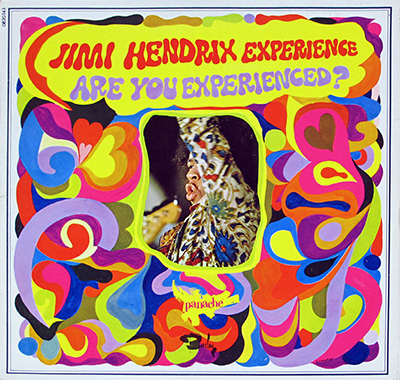
JIMI HENDRIX - Are You Experienced?
JIMI HENDRIX - Are You Experienced?  album front cover vinyl record

Barclay XBLY 80 581, Panache License Yameta , 1967 , France

This verson is from the independent Barclay Records in France, which produced a completely different cover featuring a photo of Hendrix performing on a recent French TV show,

Are You Experienced? 12" Vinyl LP
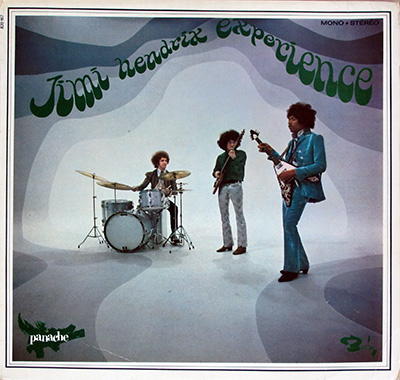
JIMI HENDRIX - Axis Bold As Love
JIMI HENDRIX - Axis Bold As Love album front cover vinyl record

Barclay 0820167 , Panache , License Yameta , 1967 , France

The album was recorded to fulfill the band's contract. Even so, it was not released in the USA until 1968 due to fears that it might disturb the sales of the first album.

Axis Bold As Love 12" Vinyl LP
JIMI HENDRIX - Band of Gypsys
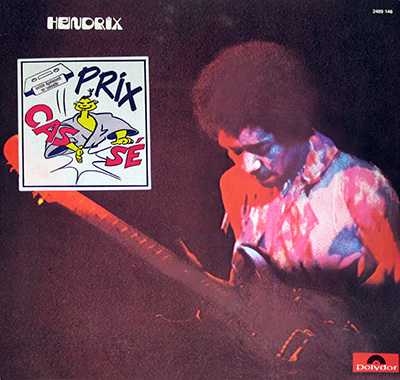
JIMI HENDRIX - Band of Gypsys (France, Polydor Records) album front cover vinyl record

Polydor 2489 146   , 1970 , France

"Band of Gypsys" is a landmark album in Jimi Hendrix's career and in the history of rock music. Its fusion of funk, soul, and rock set a new standard for musical experimentation and improvisation.

Band of Gypsys (France, Polydor Records) 12" Vinyl LP
JIMI HENDRIX - Band of Gypsys
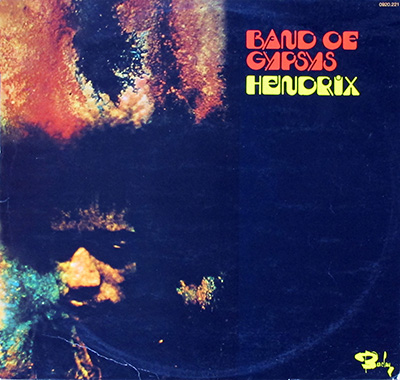
JIMI HENDRIX - Band of Gypsys (France, Barclay Records) album front cover vinyl record

  Barclay 0920221 , 1970 , France

This is the French edition of JIMI HENDRIX's "Band of Gypsys", released on the Barclays Record Label with different cover photographs 

Band of Gypsys (France, Barclay Records) 12" Vinyl LP
JIMI HENDRIX - The Birth of Success Recorded Live
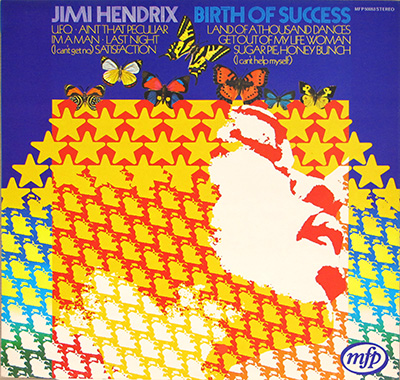
JIMI HENDRIX - The Birth of Success Recorded Live album front cover vinyl record

Music For Pleasure Ltd MFP 50053 , 1970 , Holland

The Birth of Success Recorded Live was produced by Ed Chalpin with live tapes of Curtis Knight and the Squires incl JIMI HENDRIX. It is an enduring masterpiece that solidified Jimi Hendrix's place as a musical legend

The Birth of Success Recorded Live 12" Vinyl LP
JIMI HENDRIX - Cry of Love
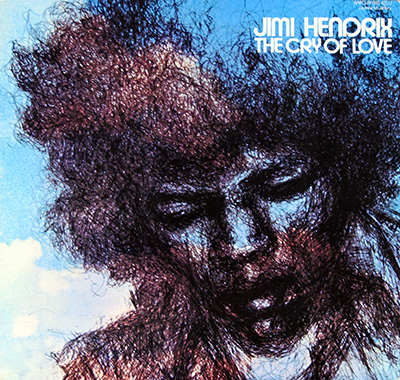
JIMI HENDRIX - Cry of Love album front cover vinyl record

  Polydor 2480 027 , 1971 , Germany

This album "JIMI HENDRIX - Cry of Love" is a posthumous fourth studio album by American musician JIMI HENDRIX, released in February 1971

Cry of Love 12" Vinyl LP
Updated JIMI HENDRIX - Electric Ladyland album front cover vinyl LP album https://vinyl-records.nl

The Cover Hendrix Hated... But Collectors Still Chase

JIMI HENDRIX - Electric Ladyland

Acid blues rock stretched out, got strange, and refused to behave. This 1968 UK Polydor 2310269 copy pairs Hendrix at full studio tilt with that notorious nude sleeve he could not stand. The music is brilliant, the packaging is awkward, and that friction is exactly what makes this pressing collector bait.

JIMI HENDRIX - Electric Ladyland
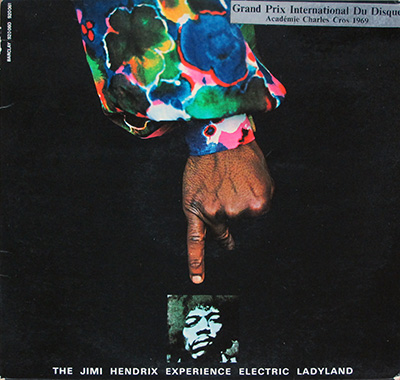
JIMI HENDRIX - Electric Ladyland (France, Barclay Records) album front cover vinyl record

Barclay 0920069 Super Panache , 1968 , France

Jimi Hendrix's "Electric Ladyland" French Barclay 2LP is a rare gem, featuring a distinctive Finger cover. This iconic release showcases Hendrix's musical brilliance

Electric Ladyland (France, Barclay Records) 12" Vinyl LP
JIMI HENDRIX - Eternal Fire with Curtis Knight
JIMI HENDRIX - Eternal Fire with Curtis Knight album front cover vinyl record

Hallmark records SHM 732   , 1976 , England

Jimi's guitar playing and songwriting had revolutionized rock music, and he was constantly pushing the boundaries of what was possible with the instrument. However, before he became a solo artist

Eternal Fire with Curtis Knight 12" Vinyl LP
JIMI HENDRIX - Experience Movie Soundtrack
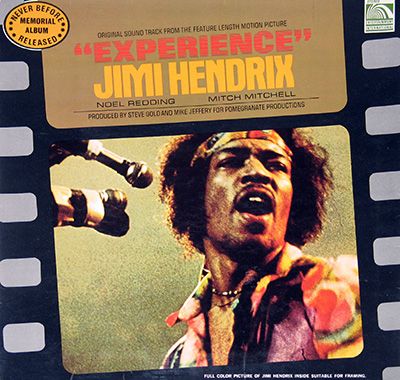
Thumbnail of JIMI HENDRIX - Experience Movie Soundtrack album front cover

Entertainment International SLDEI 782 , , France

"The Experience" movie was a concert film directed by Steve Rash that featured performances by Hendrix and his band, The Experience, at the Royal Albert Hall in London, in 1969.

Experience Movie Soundtrack 12" Vinyl LP
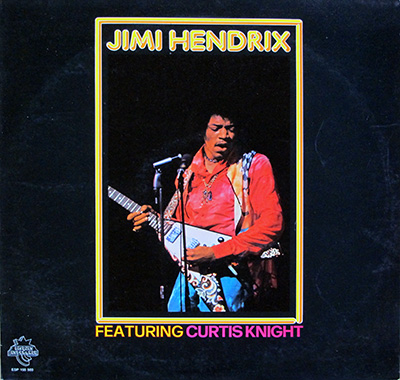
JIMI HENDRIX Feat. Curtis Knight - Dawn of Jimi Hendrix
JIMI HENDRIX Feat. Curtis Knight - Dawn of Jimi Hendrix album front cover vinyl record

DIsques Esperance ESP 155503 , , France

"Dawn of Jimi Hendrix" is a significant album in Hendrix's career. It provides a glimpse into Hendrix's early collaborations with Curtis Knight and showcases his unique guitar playing.

Dawn of Jimi Hendrix 12" Vinyl LP
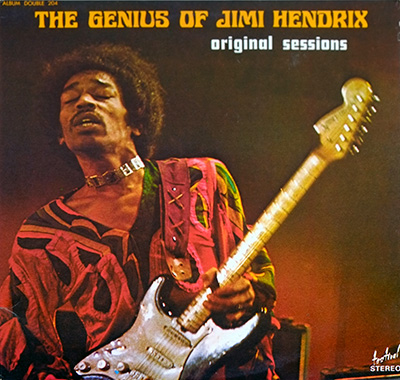
JIMI HENDRIX - Genius of Jimi Hendrix Original Sessions
JIMI HENDRIX - Genius of Jimi Hendrix Original Sessions (1984, France)  album front cover vinyl record

Musique Festival Album 204 , , France

This is a masterpiece that showcases the incredible talent of Jimi Hendrix. The album features some of Hendrix's most iconic songs and demonstrates his versatility as a musician.

Genius of Jimi Hendrix Original Sessions (1984, France) 12" Vinyl LP
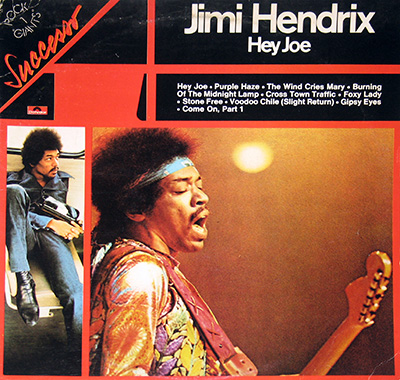
Updated JIMI HENDRIX - Hey Joe album front cover vinyl LP album https://vinyl-records.nl
JIMI HENDRIX - Hey Joe

Jimi Hendrix’s "Hey Joe" Italian LP from the Successo Rock Giants series captures the explosive energy of his late-1960s recordings. Combining raw blues and psychedelic rock, it features classics like “Purple Haze” and “The Wind Cries Mary,” making this vivid Italian edition a true showcase of Hendrix’s timeless power and artistry.

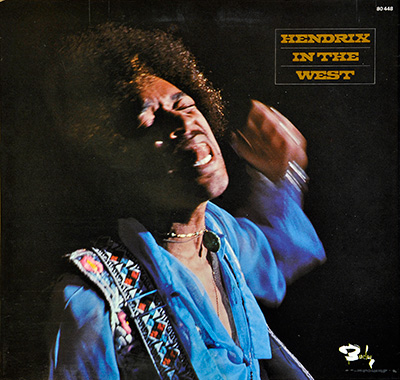
JIMI HENDRIX - Hendrix In The West
JIMI HENDRIX - Hendrix In The West album front cover vinyl record

Barclay 80.448 , , France

"Hendrix in the West" is a must-have for any Jimi Hendrix fan. The album captures the excitement and energy of his live performances and showcases his incredible guitar skills.

Hendrix In The West 12" Vinyl LP
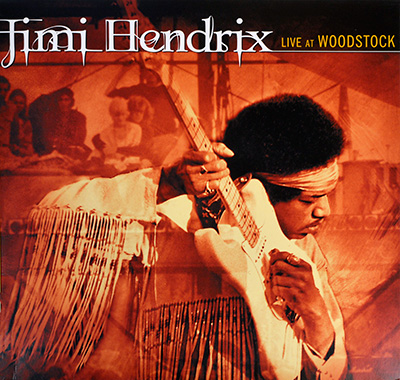
JIMI HENDRIX - Live at Woodstock
JIMI HENDRIX - Live at Woodstock (2010, Europe)  album front cover vinyl record

 Experience Hendrix – 88697 77225 1 , 2010 , EU

This is a beautifully packaged three-lp set with Jimi Hendrix Live performances at the Woodstock 1969 Pop Festival

Live at Woodstock (2010, Europe) 12" Vinyl LP
 JIMI HENDRIX - Lonnie Youngblood
 JIMI HENDRIX - Lonnie Youngblood album front cover vinyl record

International Joker Productions SM 3912 , 1981 , Italy

A collaboration between Jimi Hendrix and fellow musician Lonnie Youngblood. The album blends soul, R&B, and blues, showcasing Hendrix's versatility as a musician

Lonnie Youngblood 12" Vinyl LP
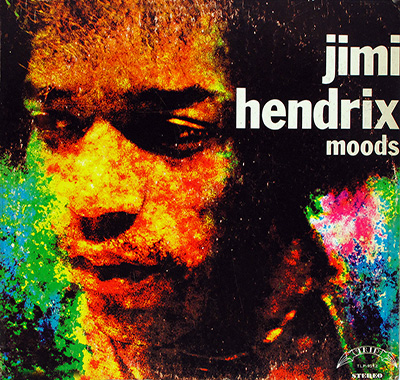
JIMI HENDRIX - Moods
JIMI HENDRIX - Moods album front cover vinyl record

  TRIP Records TLP-9512 / SLT-00861  , , USA

The album was compiled by Alan Douglas, who had previously produced Hendrix's posthumous releases. The album features tracks from various recording sessions throughout Hendrix's career,

Moods 12" Vinyl LP
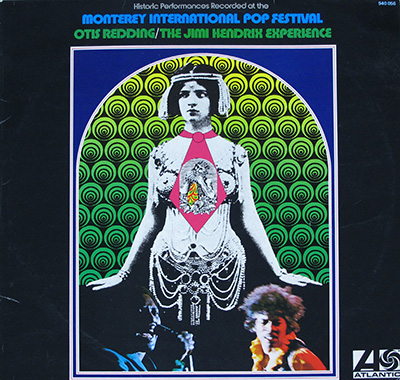
JIMI HENDRIX OTIS REDDING - Monterey International Pop Festival
JIMI HENDRIX OTIS REDDING - Monterey International Pop Festival (1967, France)  album front cover vinyl record

Atlantic 940.056, XBLY 940.056 , 1967 , France

This album is a compilation LP album, Side one is dedicated on tracks by Jimi Hendrix, while Side Two has the tracks by Otis Redding, who died six months after this festival.

Monterey International Pop Festival (1967, France) 12" Vinyl LP
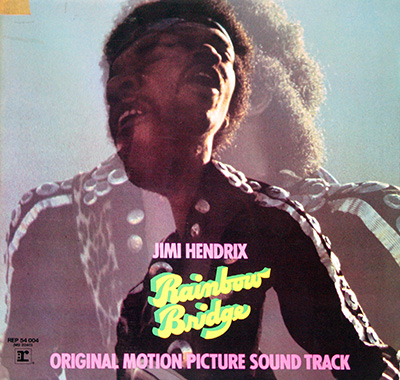
JIMI HENDRIX - Rainbow Bridge
JIMI HENDRIX - Rainbow Bridge album front cover vinyl record

Reprise REP 54 004 , 1971 , Germany

Rainbow Bridge was released after Hendrix's death. The LP was compiled by Hendrix's manager, Michael Jeffery, from various recordings and unfinished tracks that Hendrix had left behind.

Rainbow Bridge 12" Vinyl LP
JIMI HENDRIX - Smash Hits
JIMI HENDRIX - Smash Hits (1966, Gt Britain) album front cover vinyl record

TRACK Record 613 004 , 1966 , Gt Britain

This album "Smash Hits" by Jimi Hendrix is a compilation of singles by The Jimi Hendrix Experience, and the very first compilation album for Jimi Hendrix

Smash Hits (1966, Gt Britain) 12" Vinyl LP
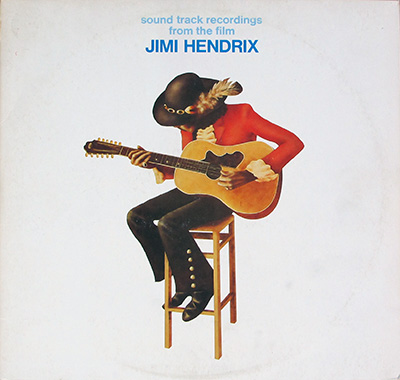
JIMI HENDRIX - Sound Track Recordings from the Film
JIMI HENDRIX - Sound Track Recordings from the Film (1973, Germany)  album front cover vinyl record

Reprise REP 64017 , 1973 , Germany

It contains the full-length live performances from the film and some clips from interviews (though not necessarily from the film). The album has not been released on compact disc.

Sound Track Recordings from the Film (1973, Germany) 12" Vinyl LP
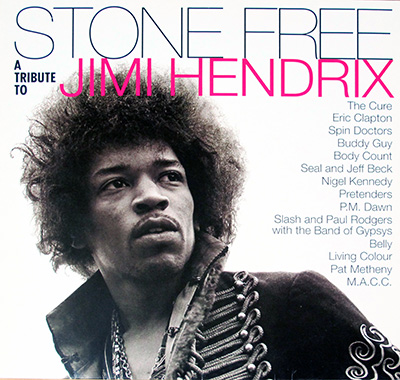
JIMI HENDRIX - Stone Free a tribute
JIMI HENDRIX - Stone Free a tribute album front cover vinyl record

Reprise records 9362-45438 , , Germany

"Stone Free a tribute" a 1993 album recorded by various artists in tribute to Jimi Hendrix. The artists include his classic rock contemporaries.

Stone Free a tribute 12" Vinyl LP
 JIMI HENDRIX - Voodoo Chile Live Experience 1967-1968
 JIMI HENDRIX - Voodoo Chile Live Experience 1967-1968  album front cover vinyl record

Blank White Label, stamper codes JHBL   , 1970

An unofficial record capturing the musical zeitgeist of 1967-1968, resonates with electrifying live recordings. The album showcases Hendrix's unparalleled prowess

Voodoo Chile Live Experience 1967-1968 12" Vinyl LP
JIMI HENDRIX - War Heroes
JIMI HENDRIX - War Heroes (1972, France) album front cover vinyl record

Barclay 80467 , 1972 , France

War Heroes is the posthumous sixth studio album by American guitarist JIMI HENDRIX, released on October 1 and December 1972 in the United Kingdom and the United States respectively.

War Heroes (1972, France) 12" Vinyl LP

Vinyl Albums by JIMI HENDRIX Tribute Bands

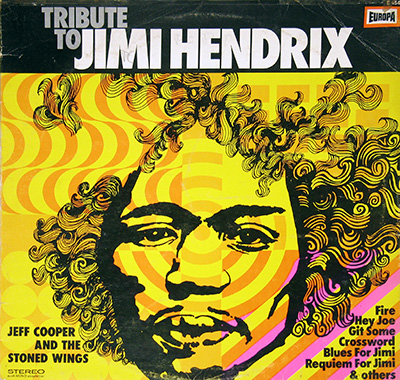
JEFF COOPER AND THE STONED WINGS - Tribute to Jimi Hendrix
JEFF COOPER AND THE STONED WINGS - Tribute to Jimi Hendrix album front cover vinyl record

  Europa E 454   , , Germany

"Tribute to Jimi Hendrix" is a vinyl LP album released by jazz guitarist Jeff Cooper in 1971 as a tribute to the legendary rock guitarist Jimi Hendrix, who had passed away a year earlier.

Tribute to Jimi Hendrix 12" Vinyl LP
PURPLE FOX - Jimi Hendrix Hits (Tribute Album) P
PURPLE FOX - Jimi Hendrix Hits (Tribute Album) album front cover vinyl record

Sonic 9013 , 1971 , Germany

"Purple Fox - Jimi Hendrix Hits" is a collection of Jimi Hendrix covers and a tribute album by a band called The Purple Fox. It was released in 1971 on the Sonic 9013 label

Jimi Hendrix Hits (Tribute Album) 12" Vinyl LP

JIMI HENDRIX: Related Rock Bands and Similar Music

Deep Purple

Pioneered hard rock and heavy metal, with influences from blues and psychedelia. Known for their powerful vocals, driving riffs, and complex instrumentals.

Cream

Another influential British rock band, featuring Eric Clapton on guitar. Cream explored a wider range of styles than Led Zeppelin, but their blues-rock foundation and improvisational jams share some similarities. Cream

Led Zeppelin

Pioneered hard rock and heavy metal, with influences from blues and psychedelia. Known for their powerful vocals, driving riffs, and complex instrumentals Led Zeppelin

The Who

Pioneered power pop and mod rock, known for their energetic live performances and Pete Townshend's distinctive guitar work. The Who's music is often heavier and more aggressive than Led Zeppelin's, but both bands share a love for extended jams and powerful vocals. The Who