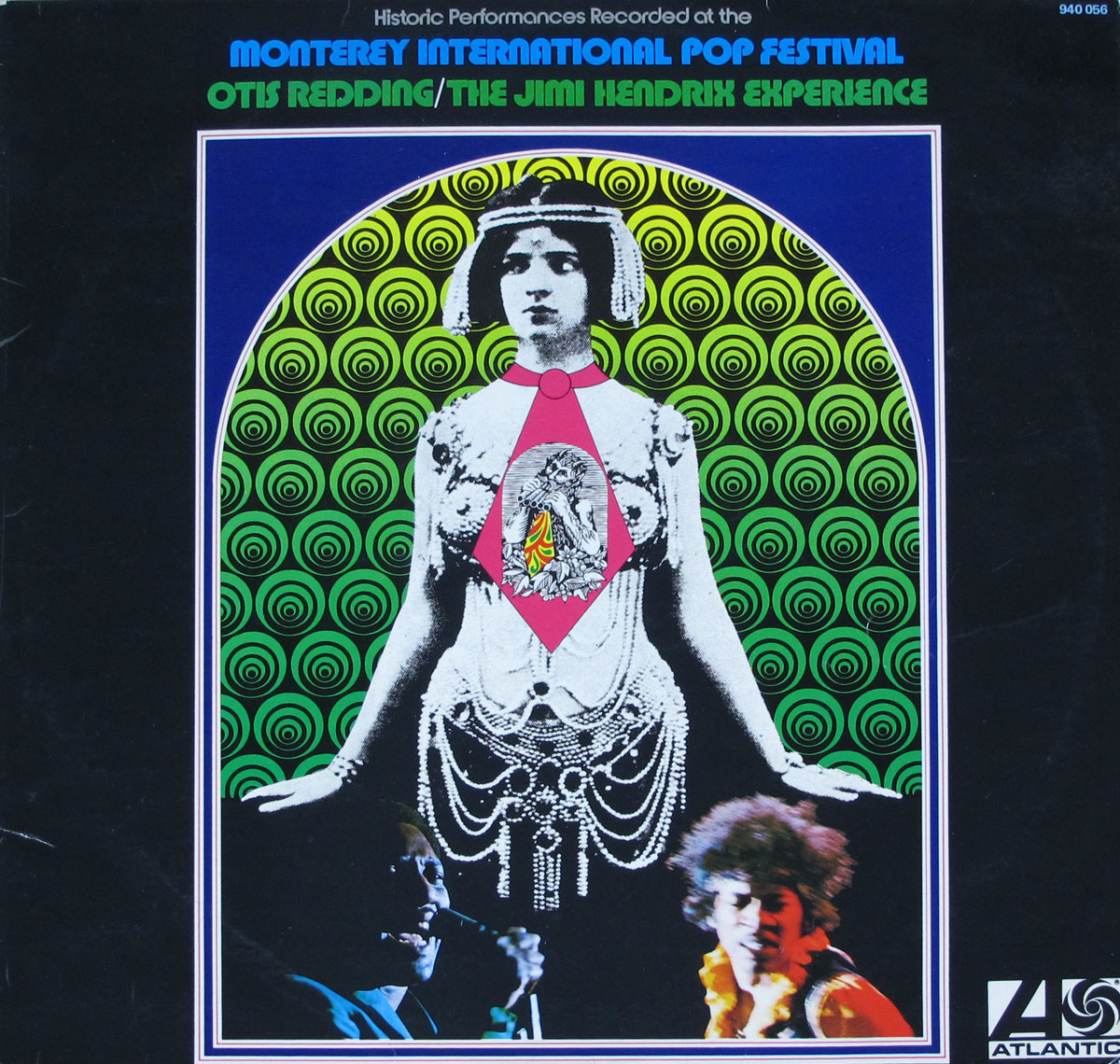
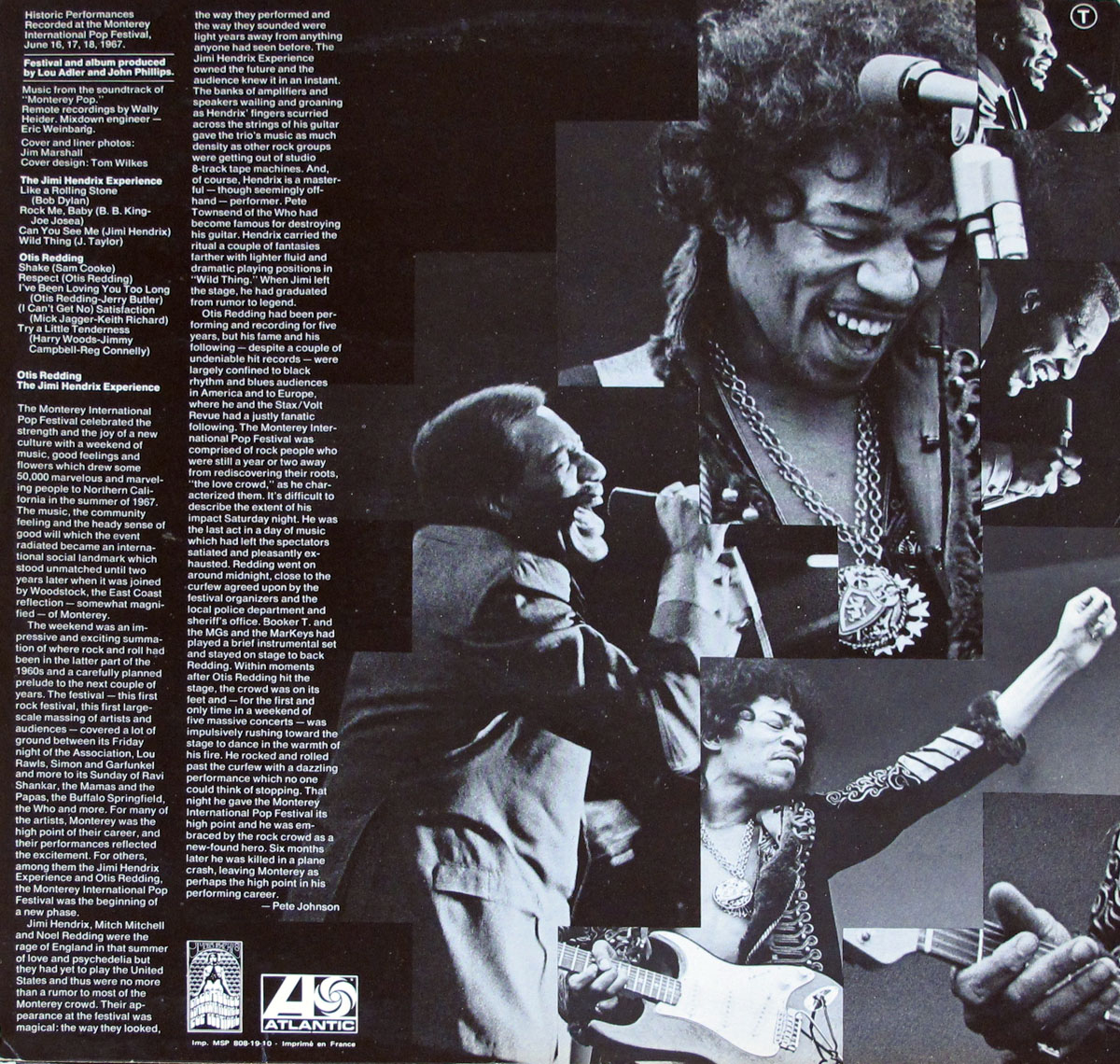
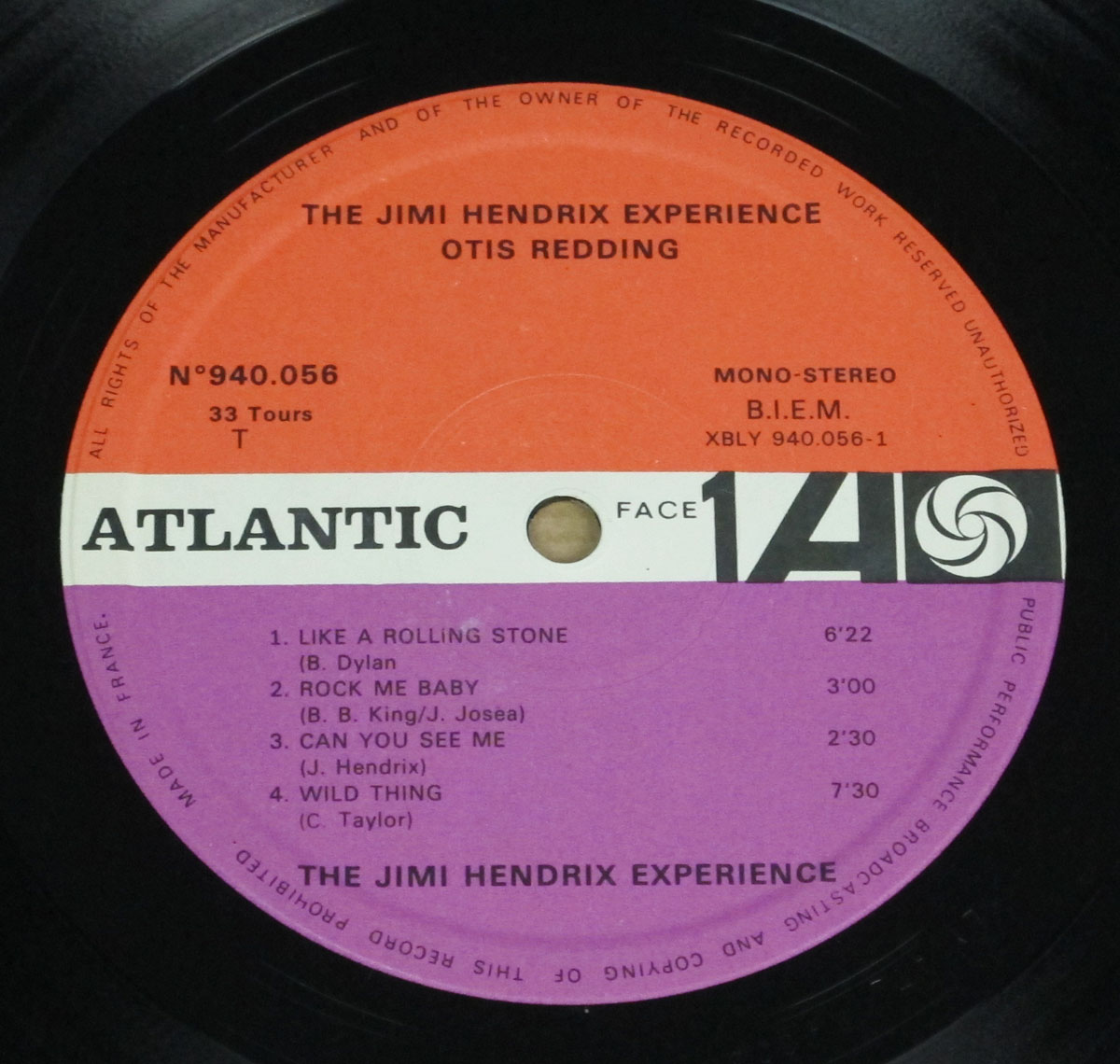
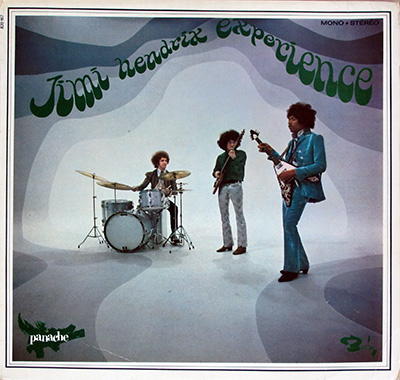
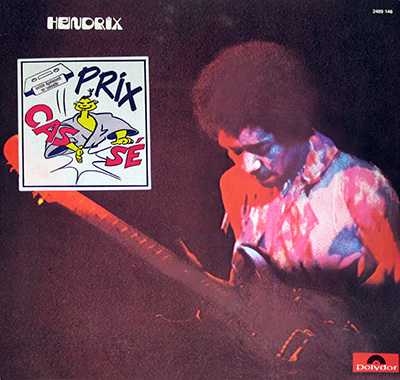
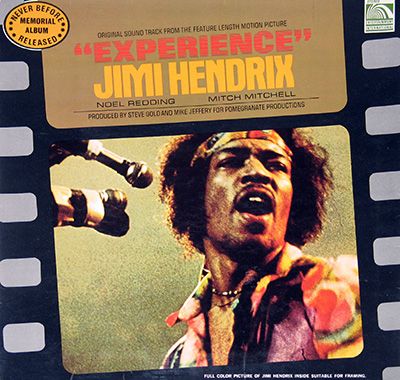
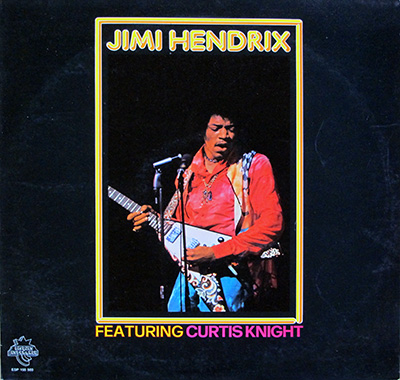
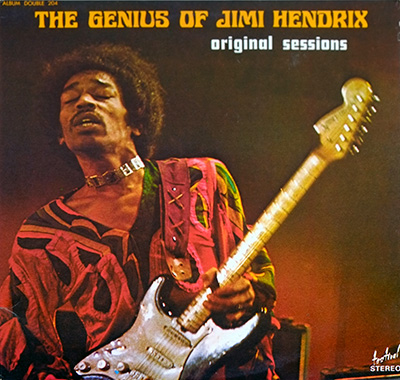
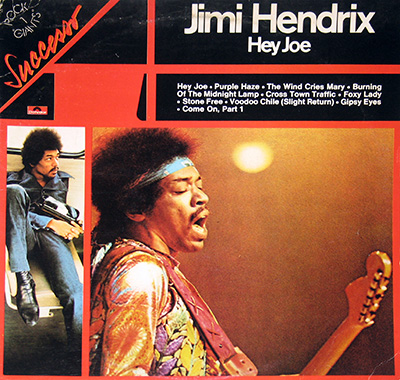
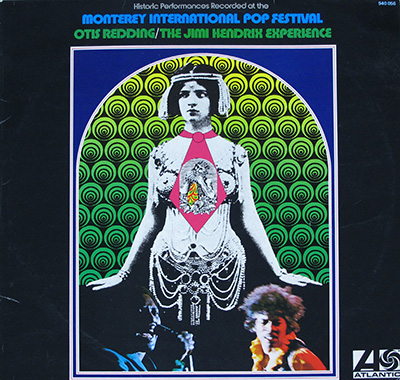
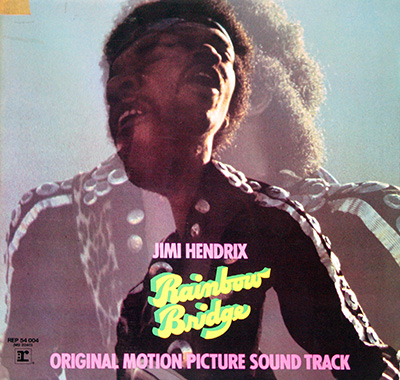
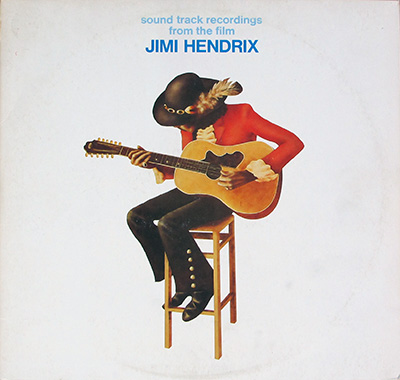
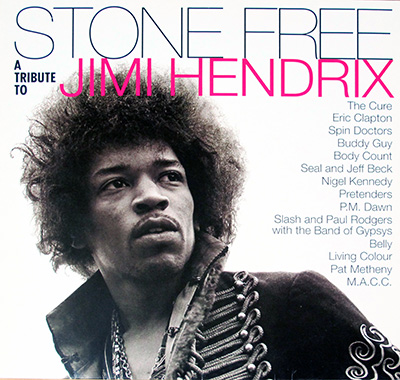
The Monterey International Pop Festival, held from 16 to 18 June 1967, stands as a defining moment in the annals of rock and soul music. Capturing the zeitgeist of the late 60s, this festival was a confluence of groundbreaking musical performances, cultural shifts, and unprecedented artistic expression. Among the luminaries who graced the stage, Jimi Hendrix and Otis Redding delivered performances that have since become legendary, immortalised in the 12" Vinyl LP Album.
In the backdrop of the Summer of Love, the festival was a beacon of the counterculture movement, celebrating the diverse tapestry of contemporary music. For Hendrix and Redding, the festival was more than a concert; it was a statement. Jimi Hendrix, already making waves in the UK, used Monterey as his grand introduction to the American audience. His set was a masterclass in psychedelic rock, replete with virtuosic guitar solos and electrifying stage presence. Hendrix’s rendition of “Wild Thing,” culminating in the now-iconic guitar-burning finale, was a testament to his unbridled creativity and fearless performance style.
Otis Redding, on the other hand, brought the soulful heart of the South to the Californian coast. As the sole representative of the deep soul genre at Monterey, Redding's set was charged with raw emotion and powerful vocals. Performing hits like “Respect” and “Try a Little Tenderness,” Redding's voice resonated with a fervour that transcended the boundaries of genre and geography. His performance not only cemented his status as a soul titan but also bridged the gap between soul music and the burgeoning rock scene.
The musical exploration at Monterey was reflective of a period marked by experimentation and a breaking away from traditional forms. Hendrix's fusion of blues, rock, and psychedelia pushed the envelope of what electric guitar music could achieve, while Redding's deep soul injected a visceral intensity into the festival's eclectic lineup. This melding of styles was emblematic of the era's spirit of innovation and boundary-pushing.
However, the festival was not without its controversies. Hendrix’s provocative stage antics, particularly the sacrificial burning of his guitar, were met with both awe and dismay. Critics and audiences were divided; some viewed it as a powerful artistic statement, while others saw it as a gimmick. Redding, too, faced his challenges. As a black artist in a predominantly white lineup, his inclusion was a bold move that highlighted the ongoing racial tensions and the struggle for representation within the music industry.
The production of the Monterey Pop Festival was a herculean effort, spearheaded by John Phillips of The Mamas & the Papas and producer Lou Adler. The duo's vision was to create a festival that not only showcased the best of contemporary music but also captured the communal spirit of the era. The performances were recorded with remarkable clarity, thanks to the state-of-the-art equipment and the expertise of the recording team. The album's sound quality was a significant achievement, providing a sonic snapshot of a pivotal moment in music history.
The Monterey International Pop Festival was recorded live, with the performances taking place on the grounds of the Monterey County Fairgrounds. The open-air venue added an element of raw authenticity to the recordings, capturing not just the music but the ambiance and energy of the live audience.
The Jimi Hendrix and Otis Redding LP from Monterey is more than a collection of songs; it is a historic document. It encapsulates the spirit of a transformative period in music, marked by innovation, cultural exchange, and the fearless pursuit of artistic expression. Hendrix and Redding's performances remain a benchmark of live music excellence, their legacy forever enshrined in the grooves of this iconic album.