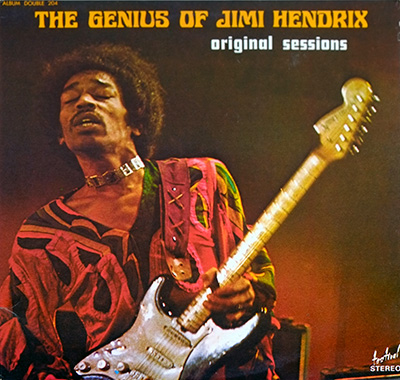
"Genius of Jimi Hendrix Original Sessions" (1984) Album Description:
Genius of Jimi Hendrix Original Sessions is a French-issued double LP that shows you the most dangerous kind of story: Hendrix before the myth hardened. The point here is not “hits,” polish, or a neat career narrative; it is the sound of an ambitious guitarist still working inside R&B and blues structures, already tugging the walls outward. If you want the tidy Experience-era fireworks, look elsewhere; this record is about motion, friction, and the moment the engine catches.
Release Context: France in the Mid-1980s
Putting this package out in France in 1984 made a certain commercial sense, because the European market was deep into reissues, archival digging, and anything that could be framed as “original sessions.” The country’s cultural climate had also shifted in the early 1980s toward taking popular music more seriously, with rock and youth culture moving closer to the center of public attention. A Hendrix set like this could live in that space: half excavation, half commodity, all headline.
The Real Timeframe: America in the Mid-1960s
The performances themselves belong to the mid-1960s United States, when the blues was being electrified and sped up, and when R&B bands still ran on tight grooves and hard schedules. This was a tense, loud period socially and musically, with the culture cracked open and the clubs demanding musicians who could deliver fast, nightly, and without excuses. Hendrix comes through here as a working player with big ideas, not yet protected by stardom, already impatient with the ordinary.
What “Blues Rock” Means Here
Blues rock on this record is not the later arena version with heroic solos placed like monuments. It is blues and R&B phrasing pushed through louder amps, with the guitar acting as both rhythm engine and troublemaker. You hear the genre still forming, the balance between dance-floor discipline and the urge to break into open improvisation.
Nearby Traffic: Other Bands in the Same Lane
Around the mid-1960s, British groups were turning American blues into a louder, more aggressive dialect, while American R&B and soul bands kept the beat direct and functional. The key difference is intent: most players aimed to serve the song; Hendrix keeps trying to redesign the song while he is still inside it. That push-and-pull is the drama that runs through this set.
Musical Exploration: Technique as Personality
The first thing that jumps out is the way Hendrix treats tone as an active character, not a setting on an amp. Notes bend like they are being argued into place, chords smear into each other, and rhythm parts carry little melodic traps inside them. Even when the material is simple, the guitar refuses to behave like background.
Track-Level Reality Check
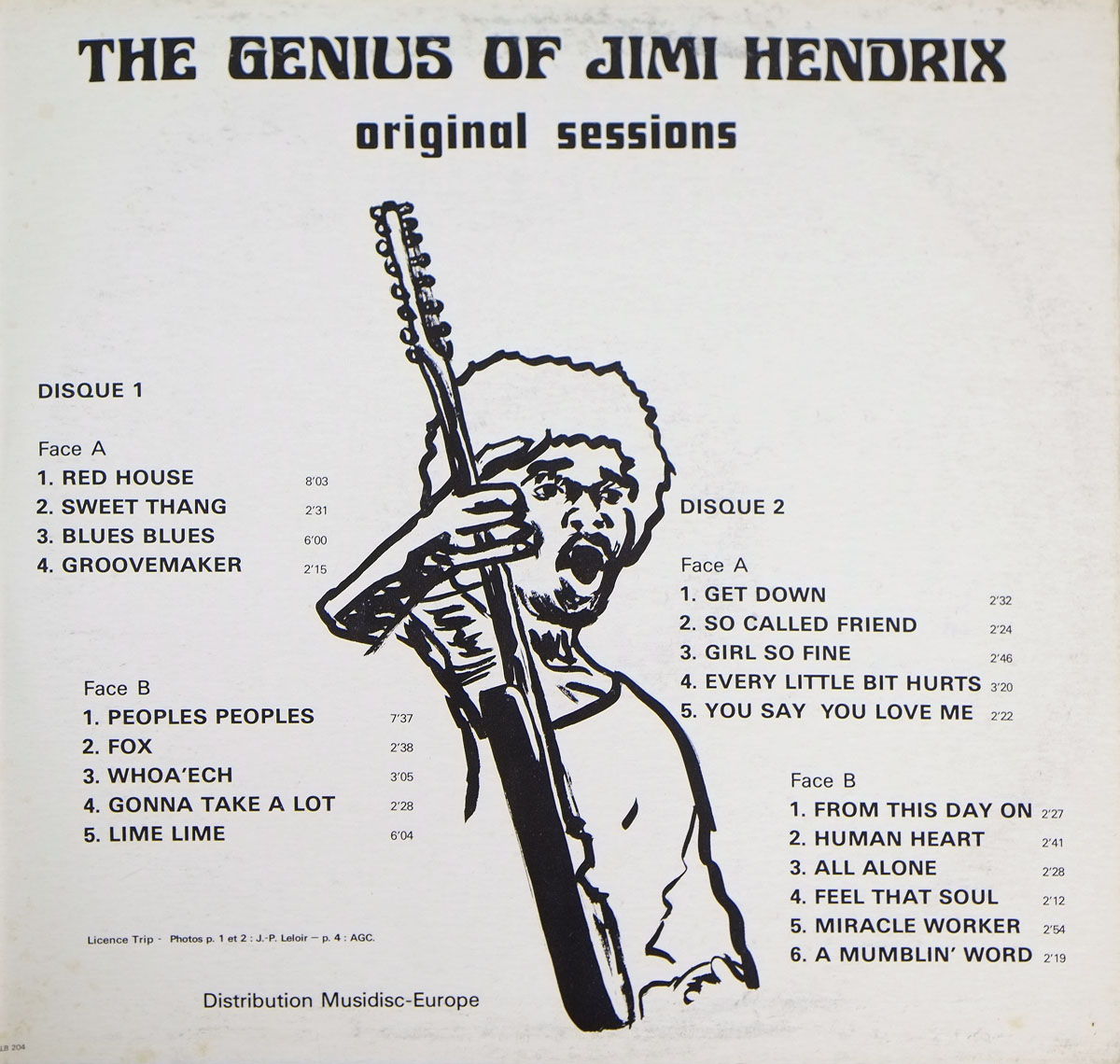
Red House stretches into a long-form blues statement, where space and sustain do as much work as speed. Sweet Thang snaps back with shorter, punchier phrasing, closer to a working-band single than a showcase. Every Little Bit Hurts plants the guitar inside a soul vocabulary, then lets it claw at the edges until the polite outline starts to warp.
Quick Listening Map
- Slow-burn blues: Red House (extended performance, tension-first playing)
- R&B punch: Sweet Thang, Groovemaker (tight forms, sharp guitar commentary)
- Soul grit: Every Little Bit Hurts (band feel first, guitar as a second vocalist)
Key People: The Musicians and the Gatekeepers
Hendrix is the obvious center, but the wider story includes the people who had their hands on the tapes and the contracts. The material is tied to sessions connected to Curtis Knight & The Squires and the producer Ed Chalpin’s PPX operation, a relationship that later became a legal and commercial battlefield. That context matters because it shaped how this music circulated, and why it so often arrived in the world wearing questionable packaging.
Band History: From Sideman to The Experience
These performances sit before Hendrix’s most famous lineup, when he was still moving through other people’s bands and learning how to lead without being handed the keys. The Jimi Hendrix Experience crystallized later with Noel Redding and Mitch Mitchell, a lineup built for volatility and expansion. This album catches the earlier stage, where the playing is already restless but the setting still expects neat R&B behavior.
The Controversy: “Original Sessions” and the Rights Problem
The central controversy is not musical; it is legal and ethical, the long shadow of an early recording contract that followed Hendrix into fame. Those agreements enabled licensing, repackaging, and a flood of releases that traded on his name, often without the clarity or consent you would expect for a major artist. Albums like this can feel like history, but they are also artifacts of an industry that learned how to monetize unfinished chapters.
A young Hendrix doesn’t “guest” on these tracks so much as threaten to steal the building, one bent note at a time.
Visual Break: Album Imagery
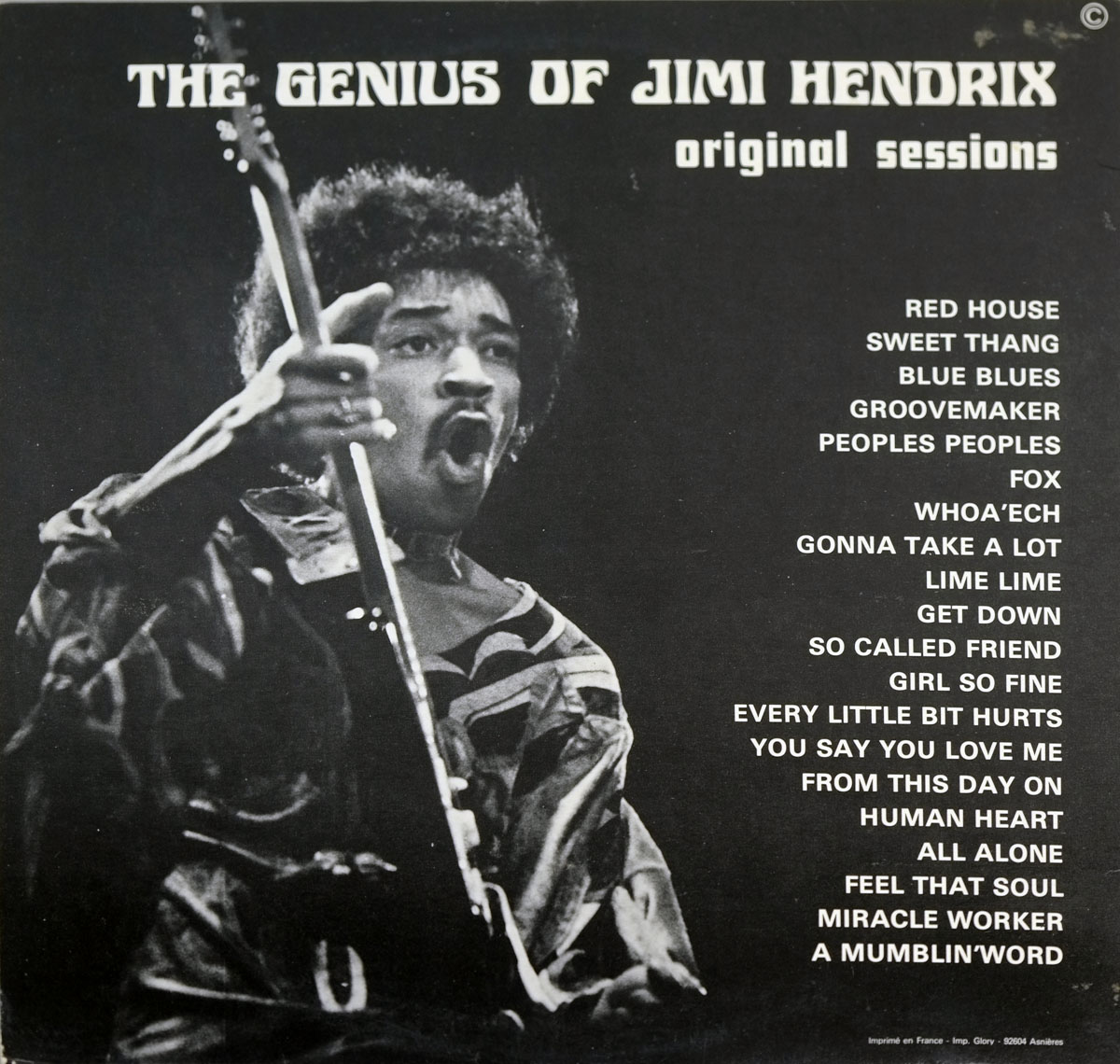
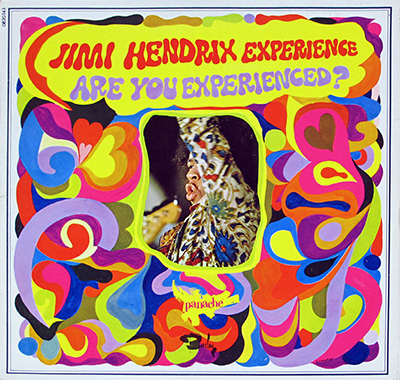
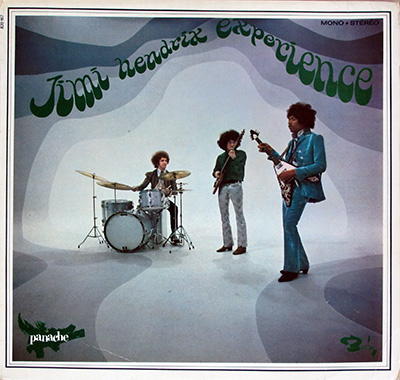
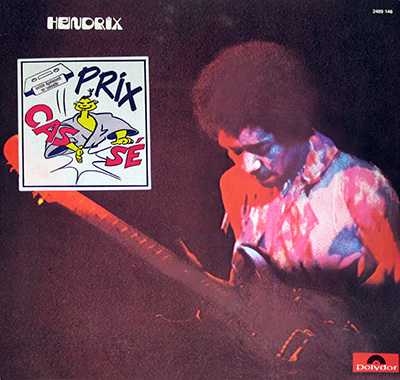
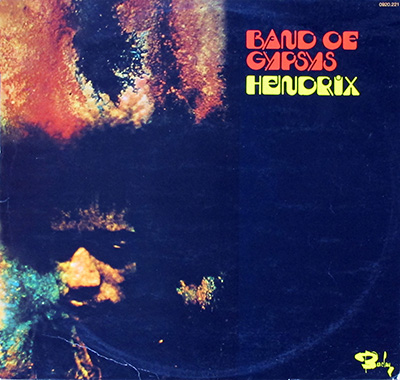
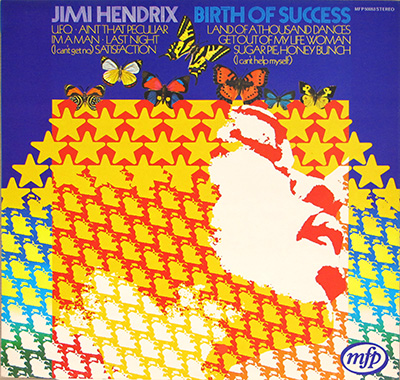
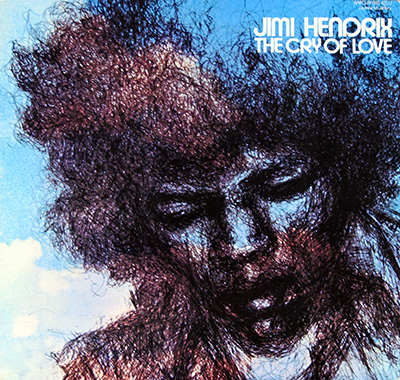
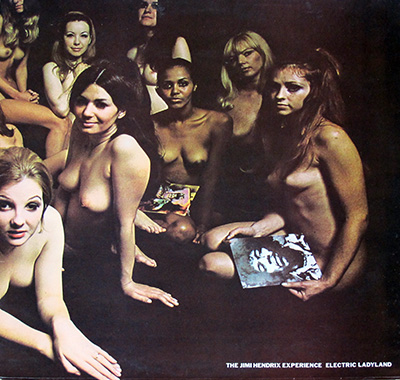
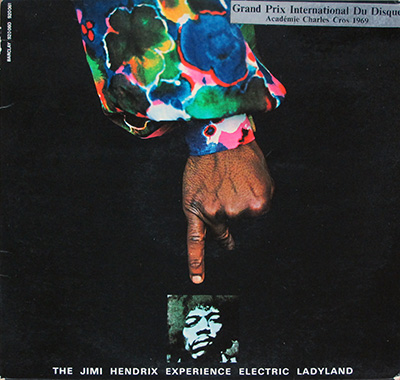
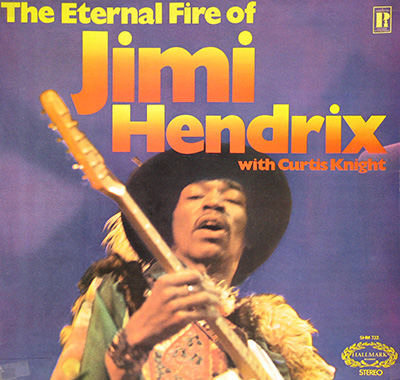
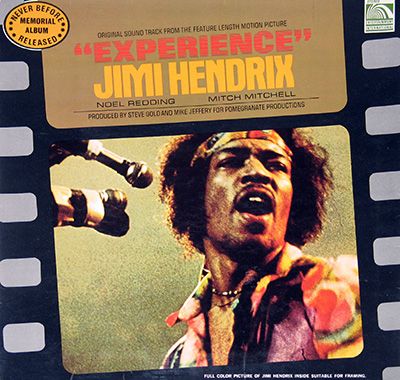
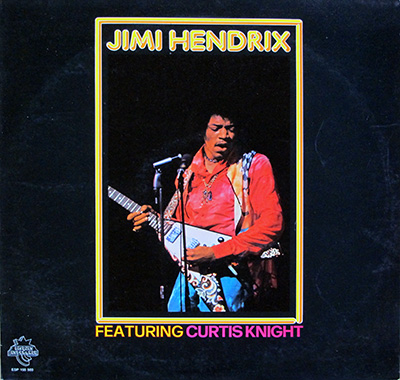
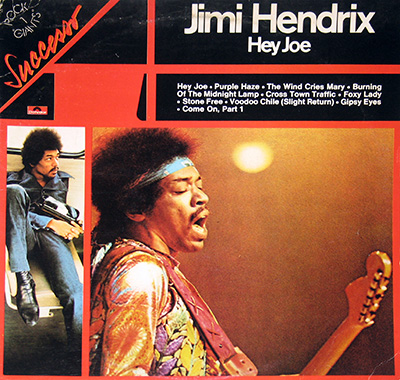
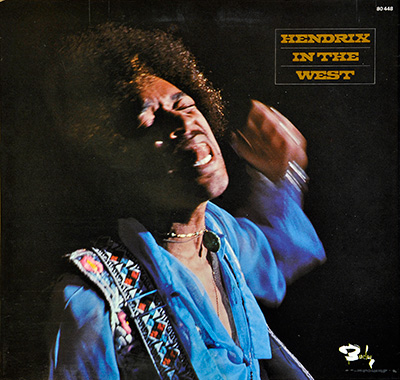
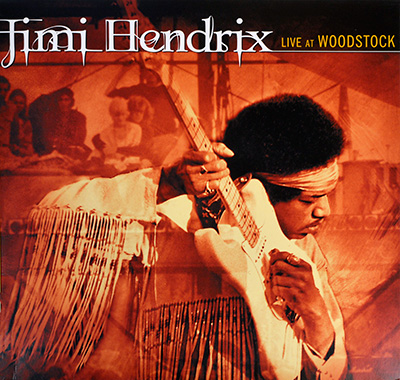
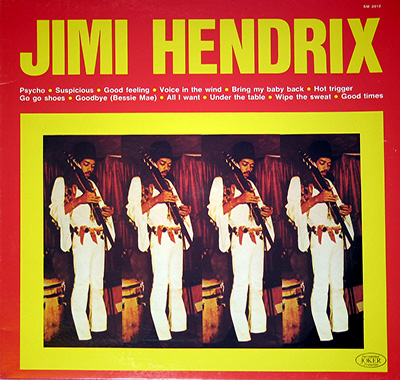
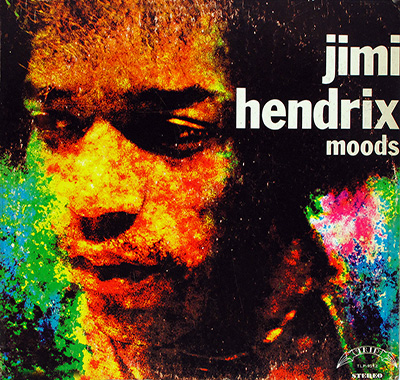
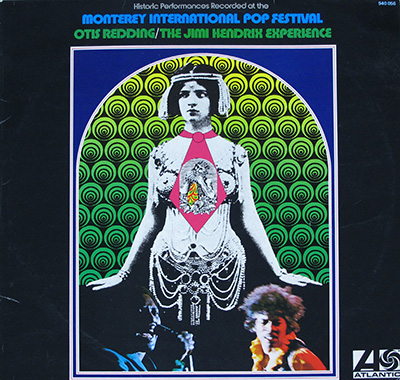
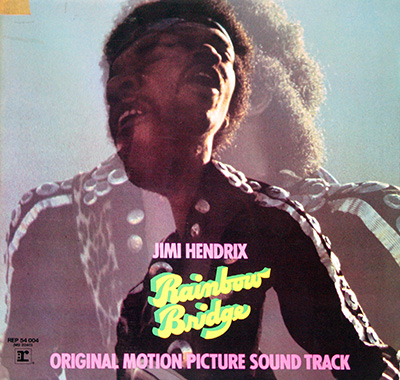
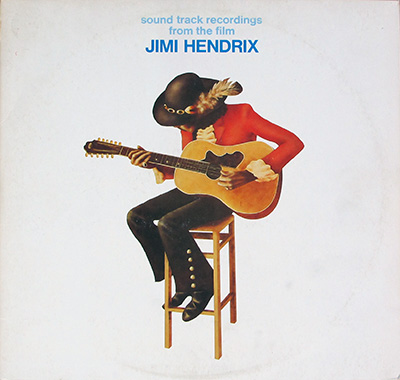
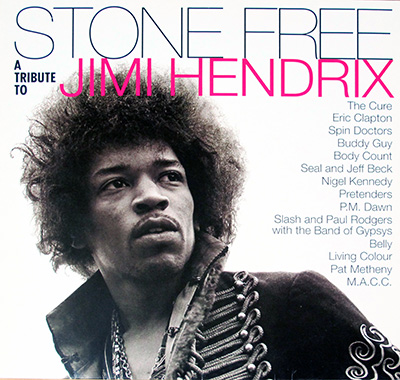
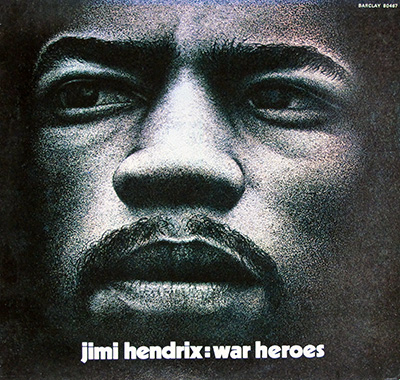
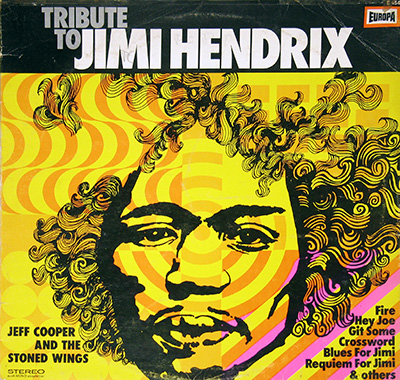
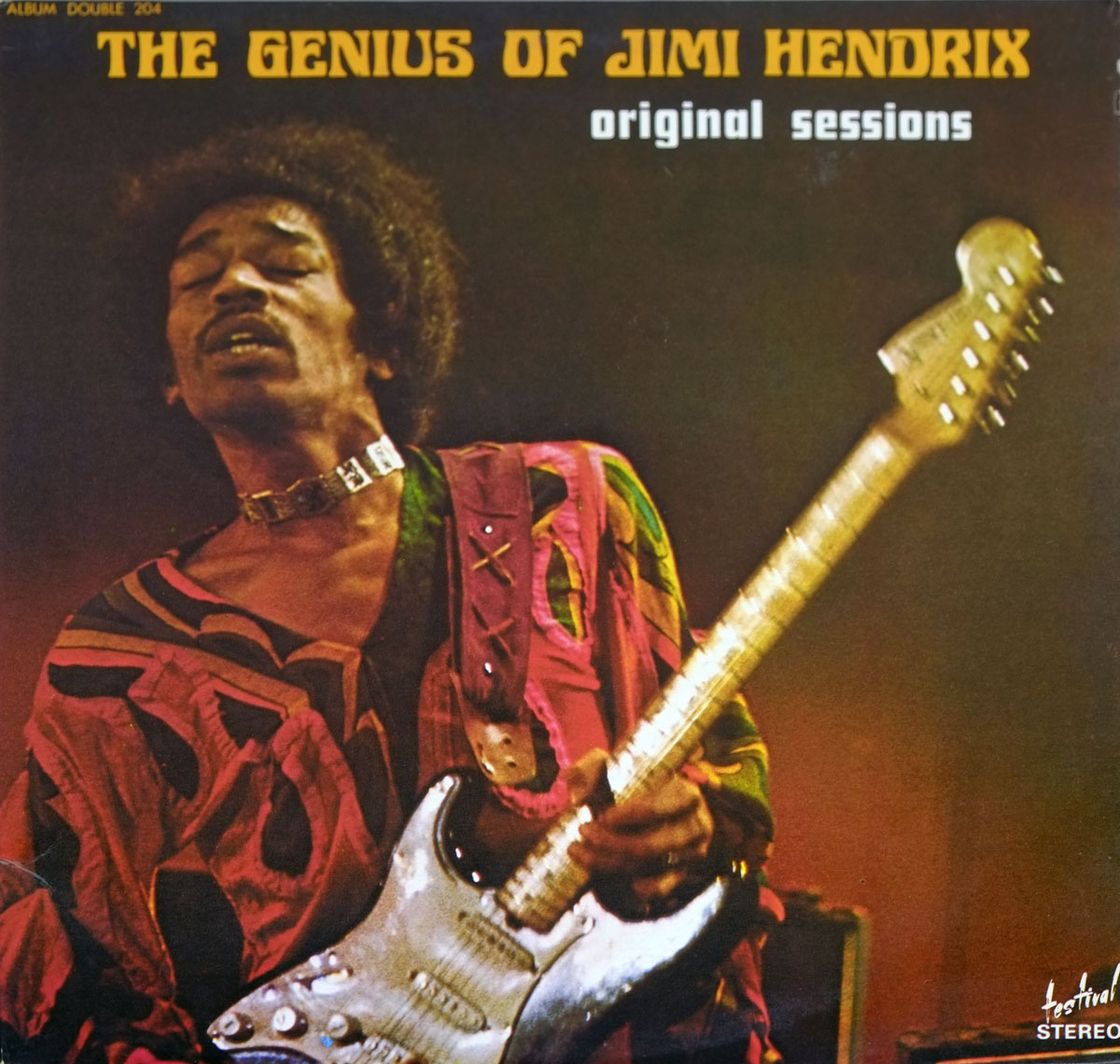
The presentation leans on the classic move: make the cover say “Hendrix,” make the subtitle say “original,” and let the listener do the emotional math. That framing is part of the controversy, because it implies a definitive document when what you are really hearing is a complicated slice of a working musician’s pre-fame world. Still, as a listening experience, the tension between the marketing and the music is weirdly honest.
What This Set Really Offers
Taken on its own terms, this is a document of process: blues rock before the rulebook, with Hendrix already pushing the guitar toward a louder, stranger vocabulary. The grooves are sometimes rough, the structures sometimes ordinary, but the playing keeps betraying the future in small, undeniable flashes. The best approach is to hear it as a workshop with sparks, not a finished monument.