"Band of Gypsys" (1970) Album Description:
Introduction on the band and the album
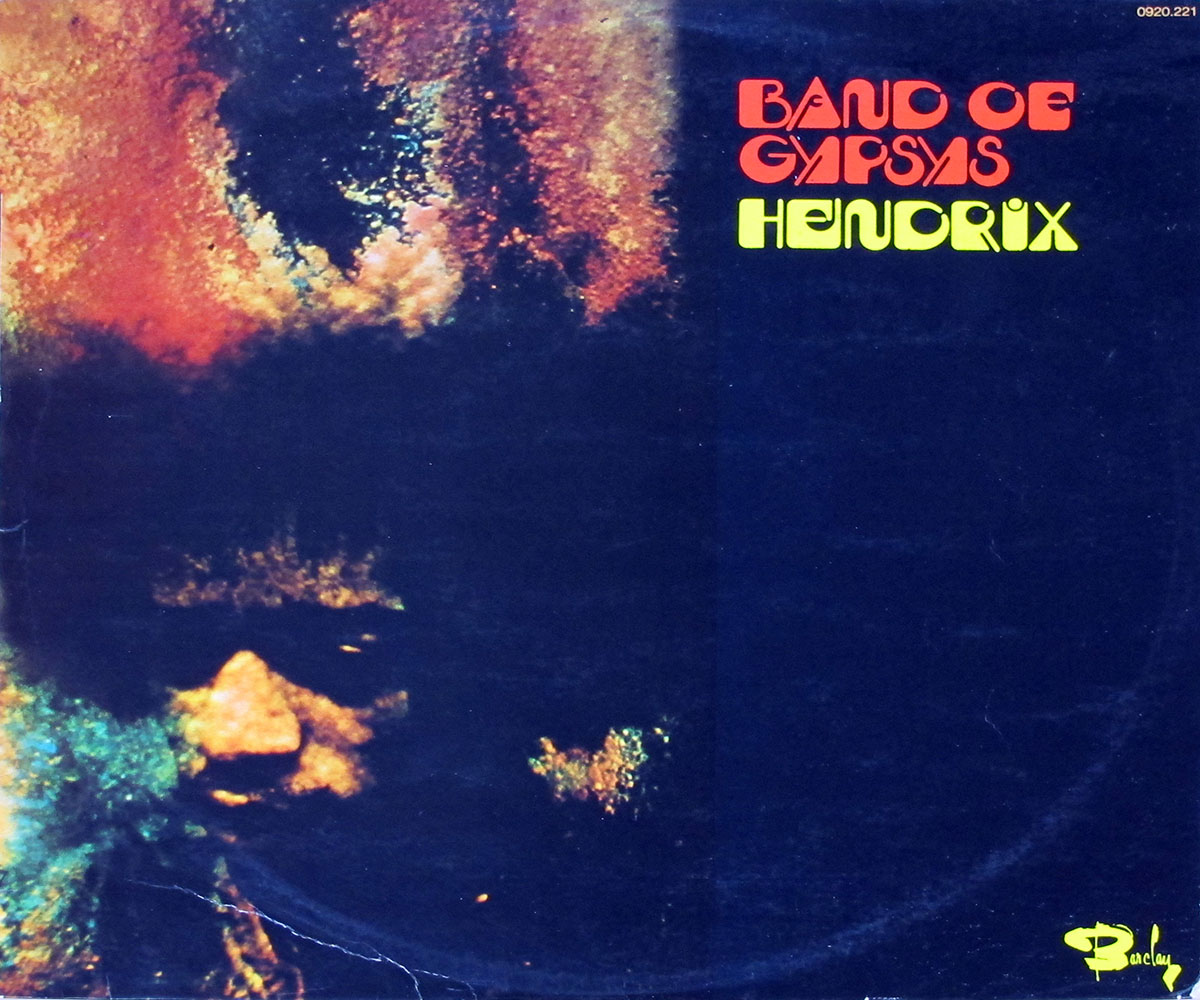
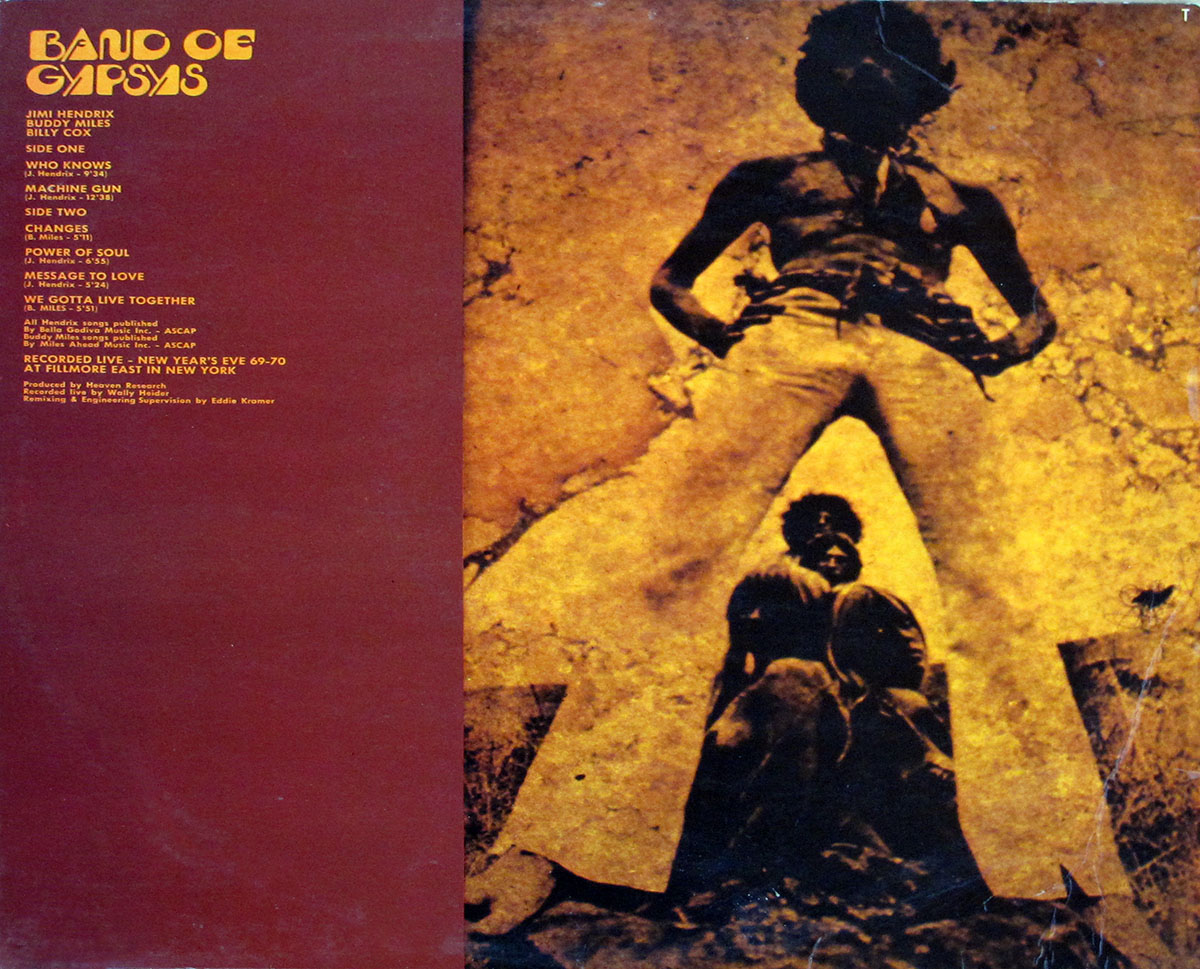
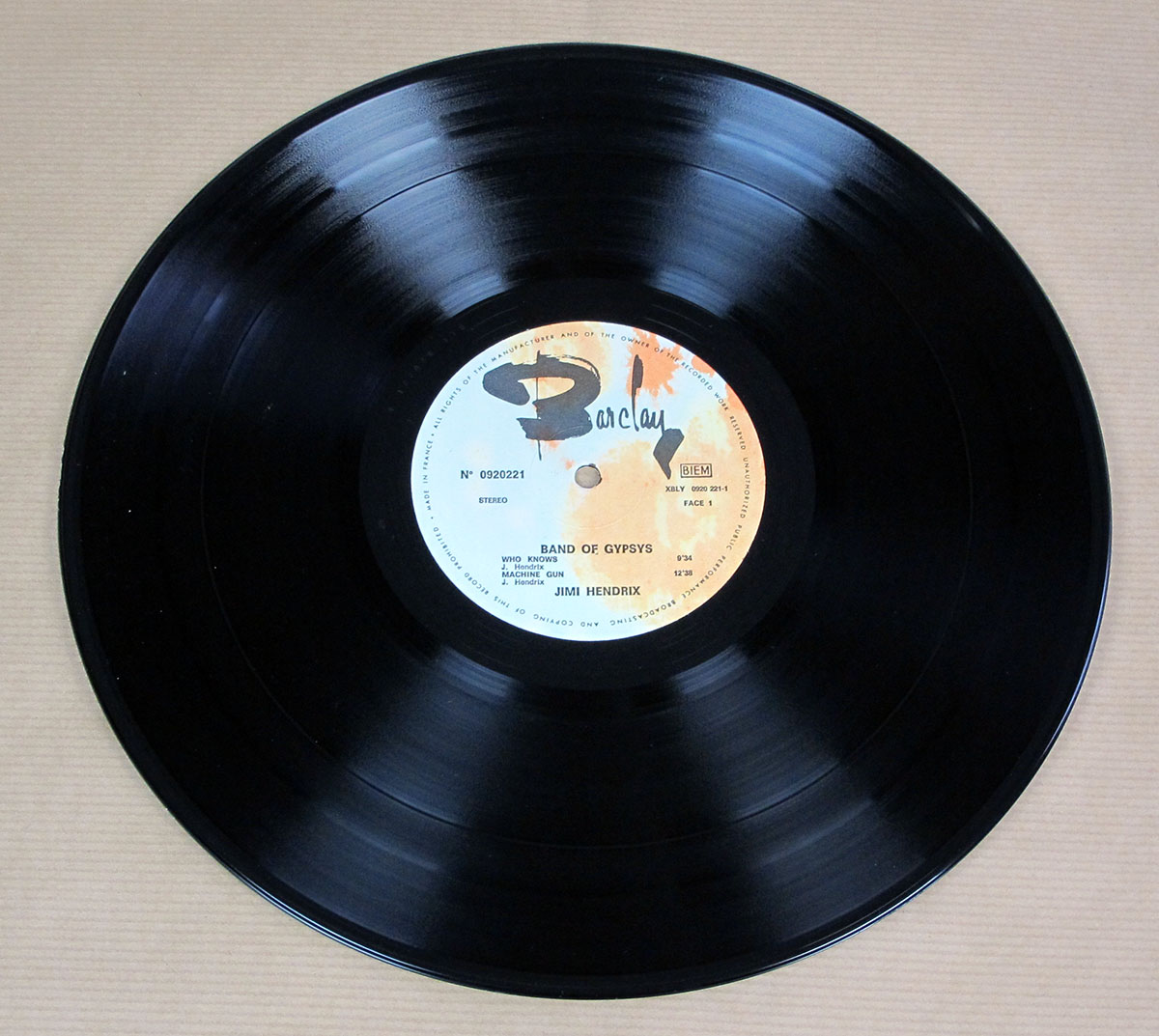
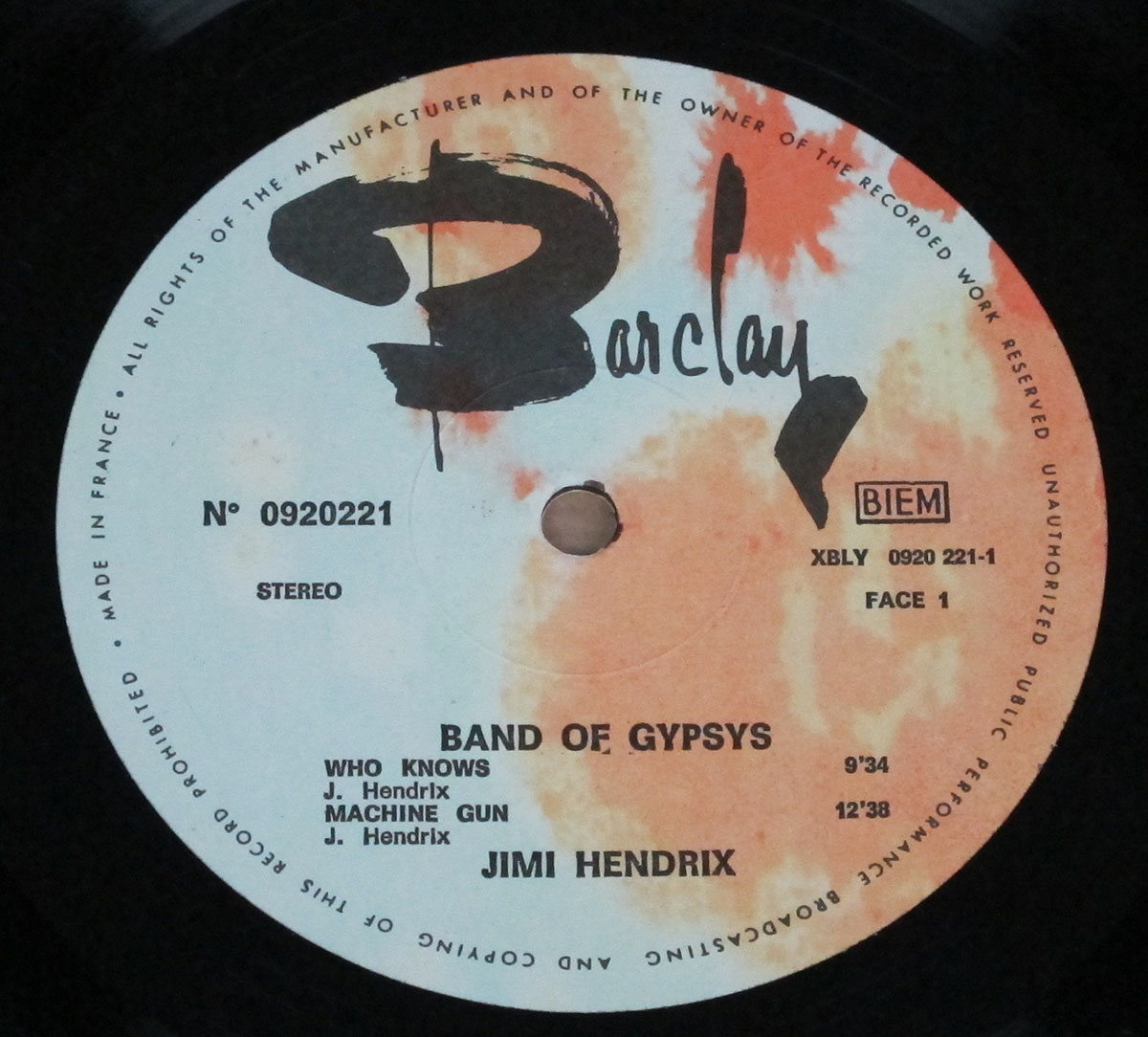
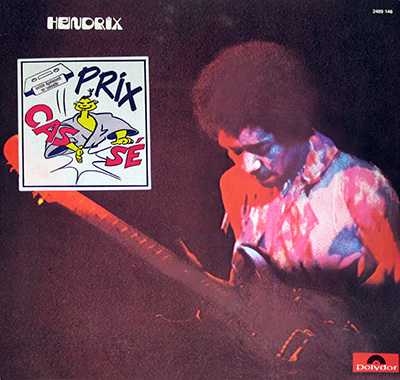
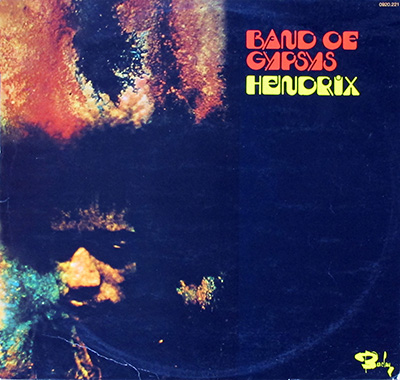
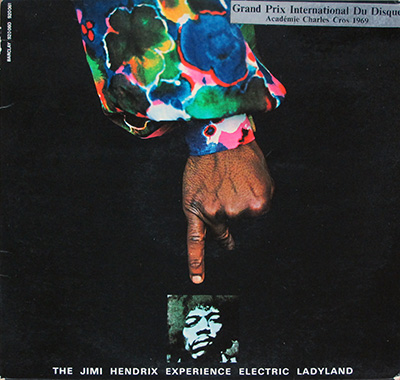
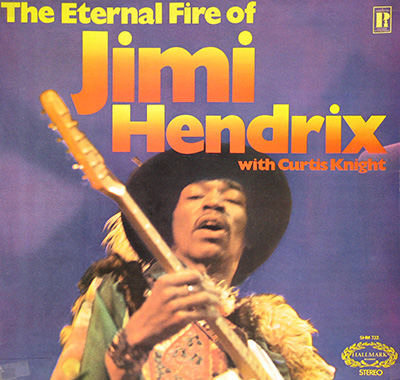
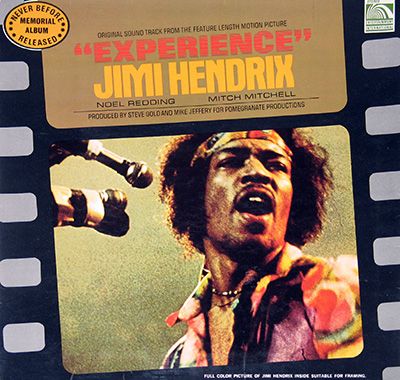
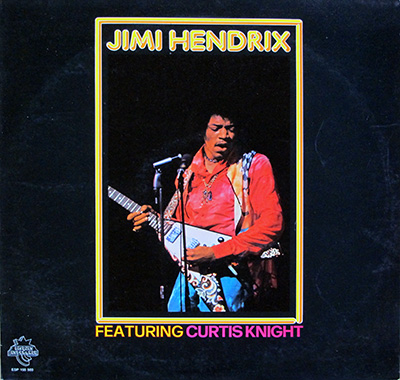
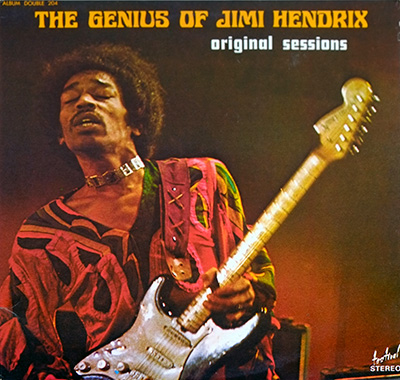
"Band of Gypsys" is the sound of Jimi Hendrix stepping out of yesterday’s shadow and into a tougher, live-first present, with a brand-new trio and absolutely zero patience for polite background music. This is the France Barclay edition (Barclay 0920221), and it even shows up with different cover photographs, like it’s saying: “Same night, new angle.” If you like your rock history with sweat still on it, congratulations, you’ve found your kind of artifact.
Historical and cultural context
The record lands in 1970, right when the late-’60s dream is fading and rock starts growing teeth again, swapping flower-crown fantasies for heavier grooves and real-world tension. This one was recorded at the exact hinge-point: New Year’s Eve 1969-70 at the Fillmore East in New York, when the decade flips and the room is basically vibrating with “what happens next?” energy. Pressed as Made in France, it also carries that European afterglow where American live mythology gets repackaged into something you can actually hold, shelve, and obsess over.
How the band came to record this album
The human story is right there on the label: a new lineup, a new name, and a decision to document it live instead of hiding behind studio perfection. The trio hit the stage on 31 December 1969 and 1 January 1970, turning the Fillmore into a test lab where new ideas either survive or get trampled in public. Released just six months before Hendrix died in 1970, it’s also the last album he personally authorized, which makes every groove feel a little more final than it has any right to.
The sound, songs, and musical direction
Genre-wise, the page calls it Blues Rock, but this isn’t the tidy, “sit nicely in the mix” kind of blues rock; it’s blues rock with knuckles, muscle, and a live-room pulse you can practically taste. "Who Knows" kicks the door open with swagger and movement, and then "Machine Gun" just takes over the whole building, stretching time until you forget what minute-hand reality is. On the flip, "Message to Love" and "We Gotta Live Together" keep the mood restless and communal, like a band building the next chapter in real time while the audience holds its breath.
Comparison to other albums in the same genre/year
In the same 1970 world, plenty of records sounded huge, but this one sounds immediate, like it’s happening a meter away instead of framed behind studio glass. If you want quick touchstones for the era’s energy, here’s the vibe-check I keep in my head:
- Led Zeppelin – "Led Zeppelin III" (1970): acoustic bite and heavy turns, but more studio-shaped than this live blast.
- Santana – "Abraxas" (1970): hot rhythm and groove, though Hendrix pushes it into darker, longer storms.
- Derek and the Dominos – "Layla and Other Assorted Love Songs" (1970): heartbreak and blues fire, while "Band of Gypsys" feels like survival and reinvention onstage.
Controversies or public reactions
No tabloid nonsense is needed here; the “reaction” is built into the pivot. If someone expected the old kaleidoscope-era Hendrix vibe, this groove-first, live-captured trio could feel like a curveball, and curveballs make people loudly announce opinions they didn’t rehearse. The smarter response is the simplest one: turn it up, because the record isn’t trying to be safe, it’s trying to be true to the moment.
Band dynamics and creative tensions
New band chemistry is always a negotiation, and you can hear it in the way the songs stretch, tighten, and then stretch again, like three minds learning where the edges are. Buddy Miles and Billy Cox don’t feel like hired hands on this page’s lineup list; they feel like the new foundation Hendrix is leaning on while he tests fresh weight. It’s not the sound of a band completing a masterpiece, it’s the sound of a band becoming one.
Critical reception and legacy
The legacy is locked in by two facts on the page: the Fillmore capture at the turn of the decade, and the reality that Hendrix authorized this album himself. The production and engineering credits matter here because they’re part of the “how did they bottle this?” puzzle: it was produced by Heaven Research and captured by engineers Wally Heider and Eddie Kramer, which helps explain why the room still feels alive instead of embalmed. Decades later, it’s not just a live album to me; it’s a document of reinvention with the ink still wet.
Reflective closing paragraph
As a collector, I love records that feel like a time-stamped doorway, and "Band of Gypsys" is basically that doorway kicking back at you. This Made in France Barclay pressing scratches the “cool regional edition” itch, but the real addiction is the atmosphere: crowded, urgent, and human in a way studio polish can’t fake. Decades later, the riffs still smell faintly of sweat, loud rooms, and the kind of optimism that only exists at midnight when a new year hasn’t had time to disappoint you yet.