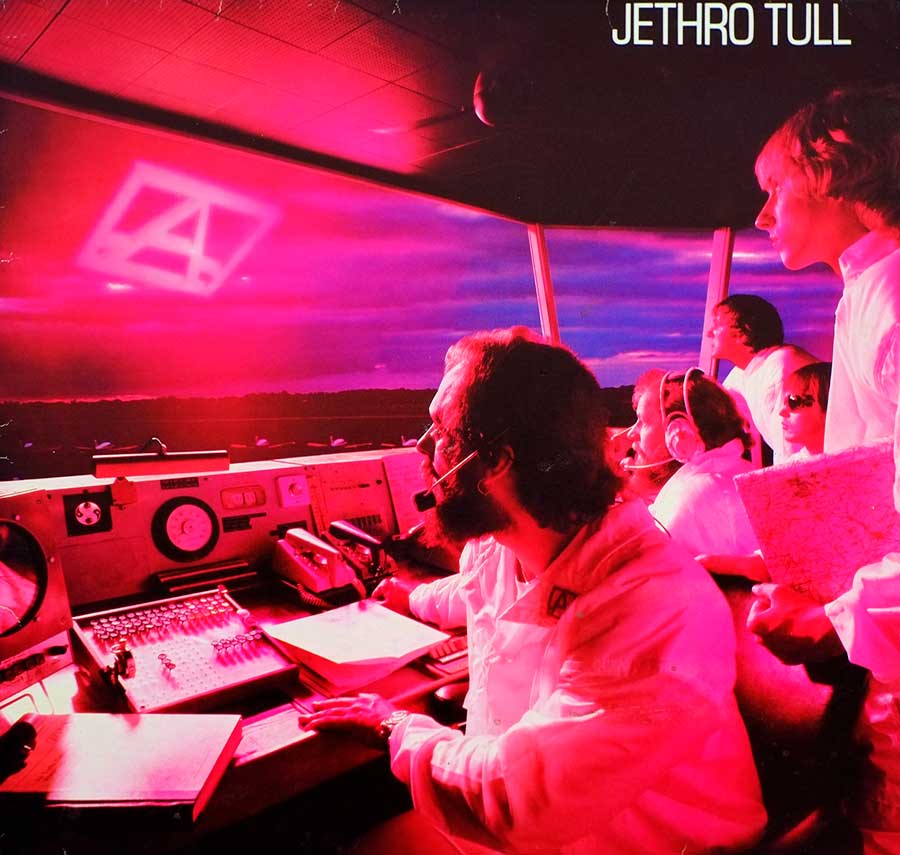
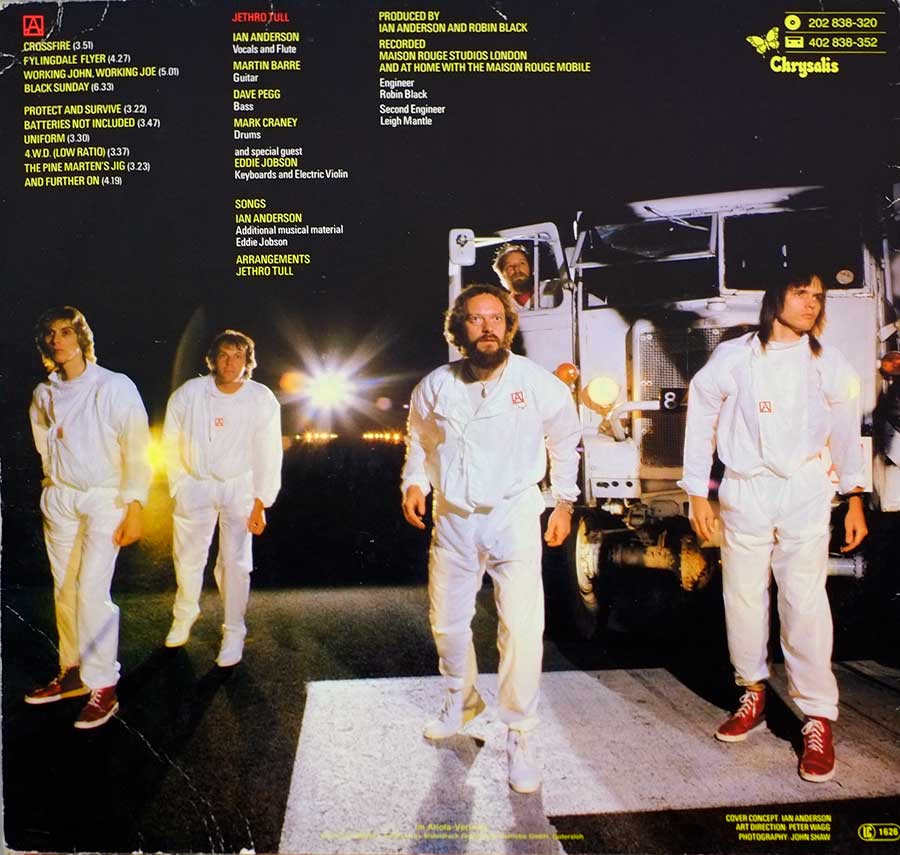
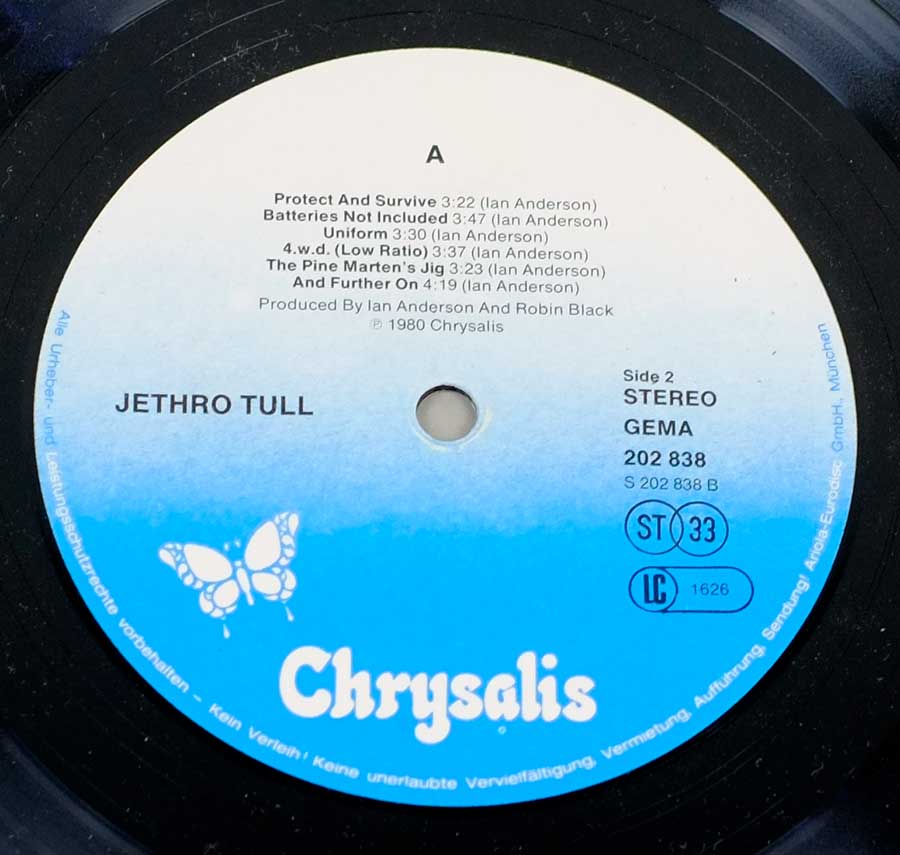
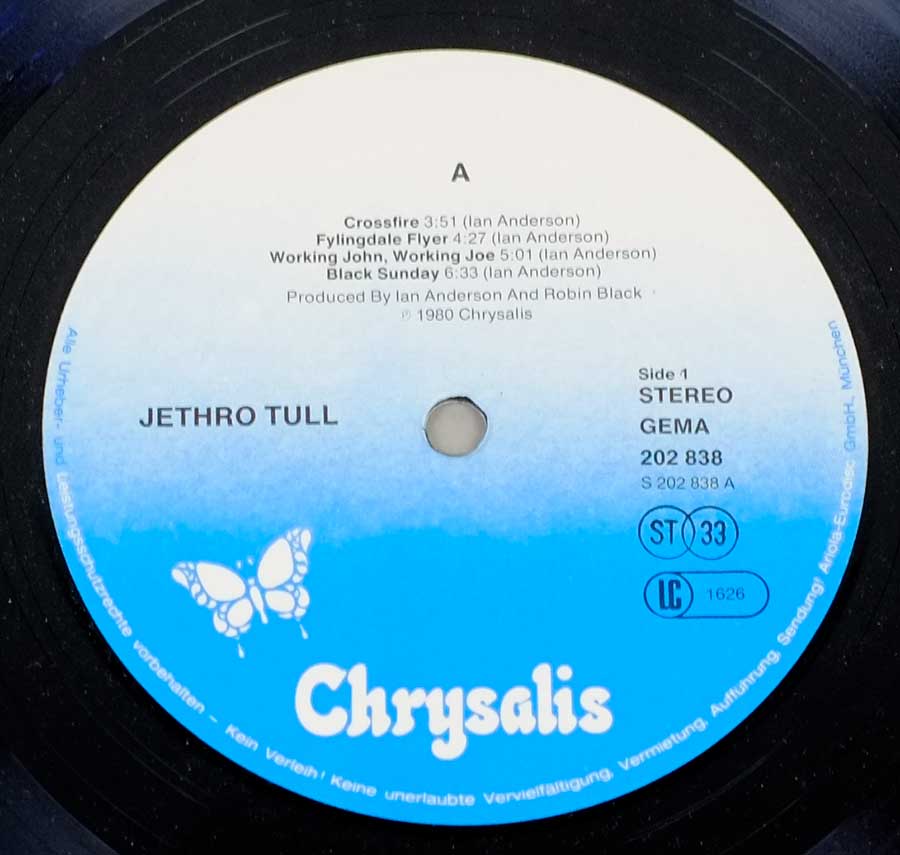
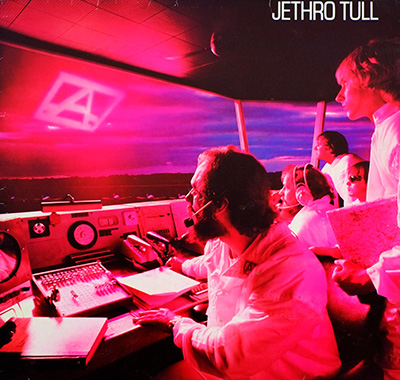
In 1980, Jethro Tull, one of progressive rock's most iconic bands, released their 13th studio album, titled simply "A". This album marked a radical departure in their sound, incorporating heavy use of synthesizers and electronic elements. The move proved highly controversial, alienating a portion of their fanbase accustomed to the band's signature blend of folk, blues, and hard rock.
Historical Context
The release of "A" coincided with a seismic shift in the music scene. The punk and new wave movements were challenging the dominance of established rock acts. Jethro Tull, under the visionary leadership of frontman Ian Anderson, sought to adapt and remain relevant in this changing landscape. The choice to experiment with electronic music was a conscious attempt to embrace a more modern sound and potentially attract a new audience.
Musical Exploration
"A" represents a fascinating sonic journey. Songs like "Crossfire" and "Fylingdale Flyer" showcase angular synthesizer lines, driving rhythms, and a pronounced electronic sheen. The band retained elements of their progressive roots, as evidenced by the complex arrangements and time signature changes. Even with the electronic influences, Ian Anderson's distinctive flute playing remains a prominent feature on several tracks.
Controversy and Legacy
While a bold artistic move, the electronic direction of "A" polarized listeners. Die-hard fans found the album jarring and too far removed from Jethro Tull's established sound. Critics were similarly divided, some praising the band's willingness to evolve, others dismissing the album as a failed experiment. Despite the controversy, "A" served as a prelude to the broader acceptance of synth-driven sounds in the rock landscape during the 1980s.
Behind the Scenes
In a move that further alienated some traditionalists, founding member Martin Barre, the band's longtime guitarist, was unavailable for the creation of "A". Instead, the album featured contributions from keyboardist and violinist Eddie Jobson (formerly of Roxy Music and Frank Zappa's band). The engineering and production work by Robin Black also shaped the album's sonic direction.
Ian Anderson: The Driving Force
Ian Anderson, as always, remained the driving creative force behind Jethro Tull. The decision to push boundaries on "A" was characteristic of his restless artistic spirit and a determination to avoid complacency. While this era of the band may not be their most universally loved, it reflects Anderson's steadfast refusal to rest on past laurels.