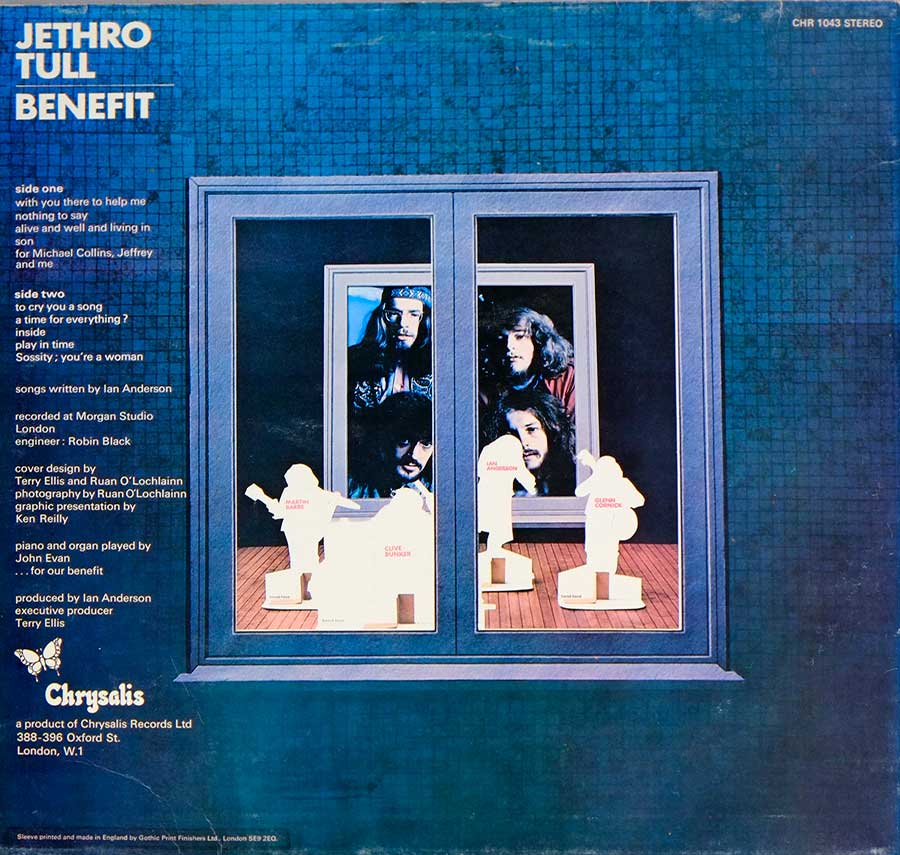
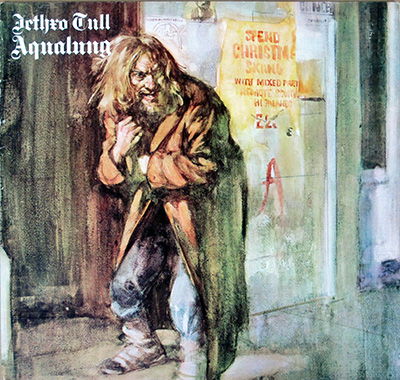
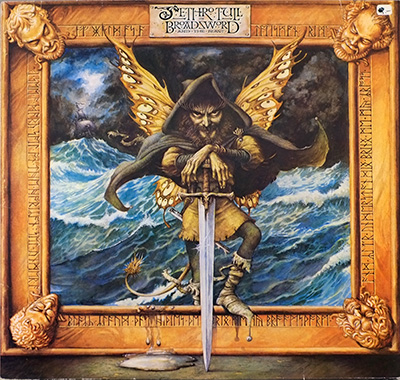
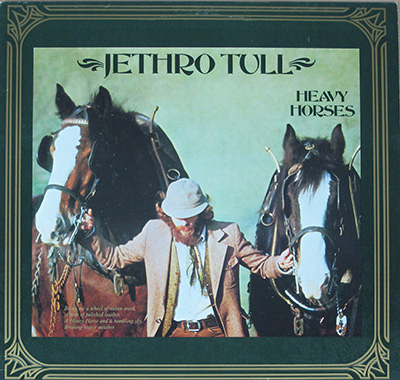
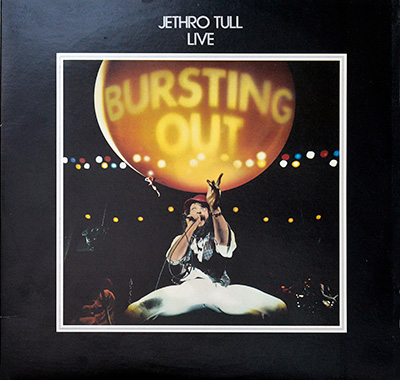
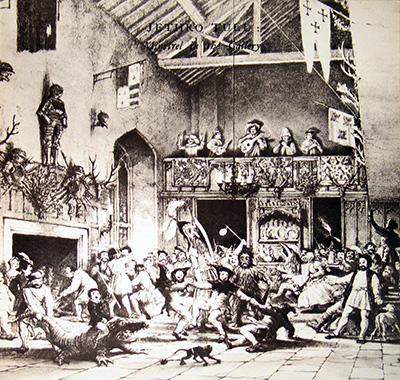
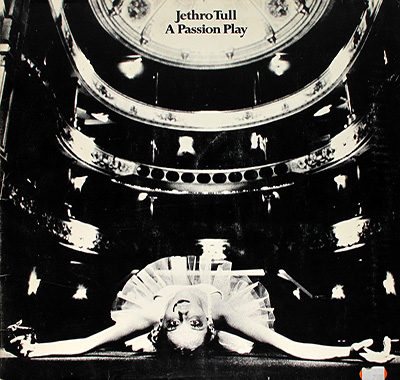
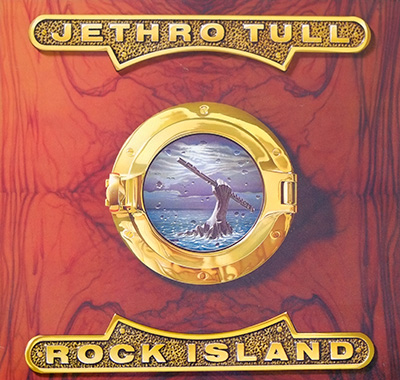
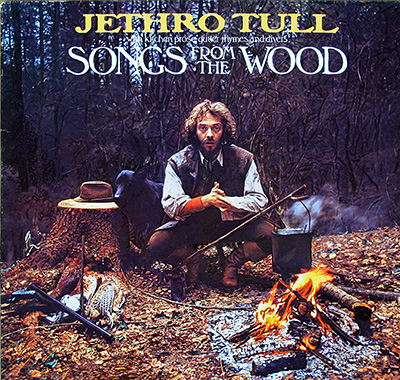
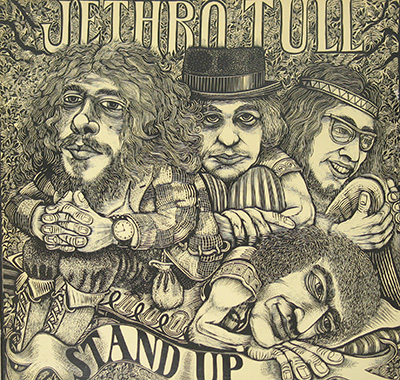
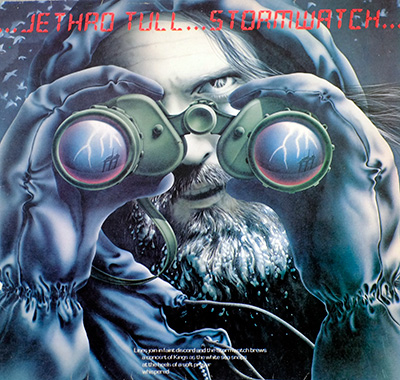
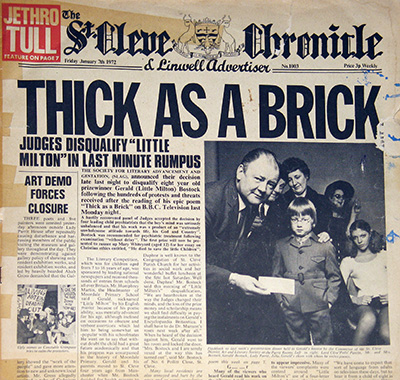
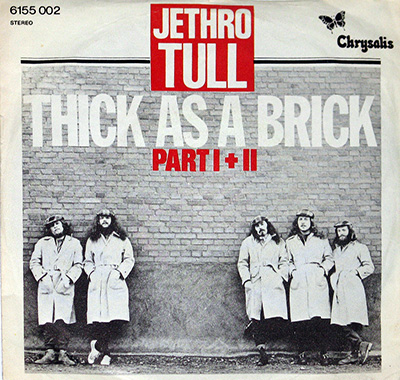
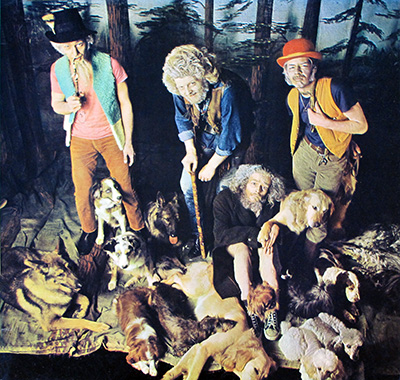
Robin Black is the kind of behind-the-glass operator who made loud bands sound dangerous without turning them to mush. In the early 1970s he helped capture Jethro Tull’s tight, woody dynamics—the era when arrangements actually breathed and you could hear air move around the flute. Mid-1970s he was in the trenches with Black Sabbath, engineering "Sabotage" (1975) and mixing/engineering "Technical Ecstasy" (1976), keeping the riffs sharp while the room tried to fall apart. By 1983 he’s back on the Sabbath ledger as engineer and co-producer on "Born Again"—a reminder that he could wrangle chaos, tape, and egos with the same steady hands. Seeing his name on credits still makes me trust the faders.
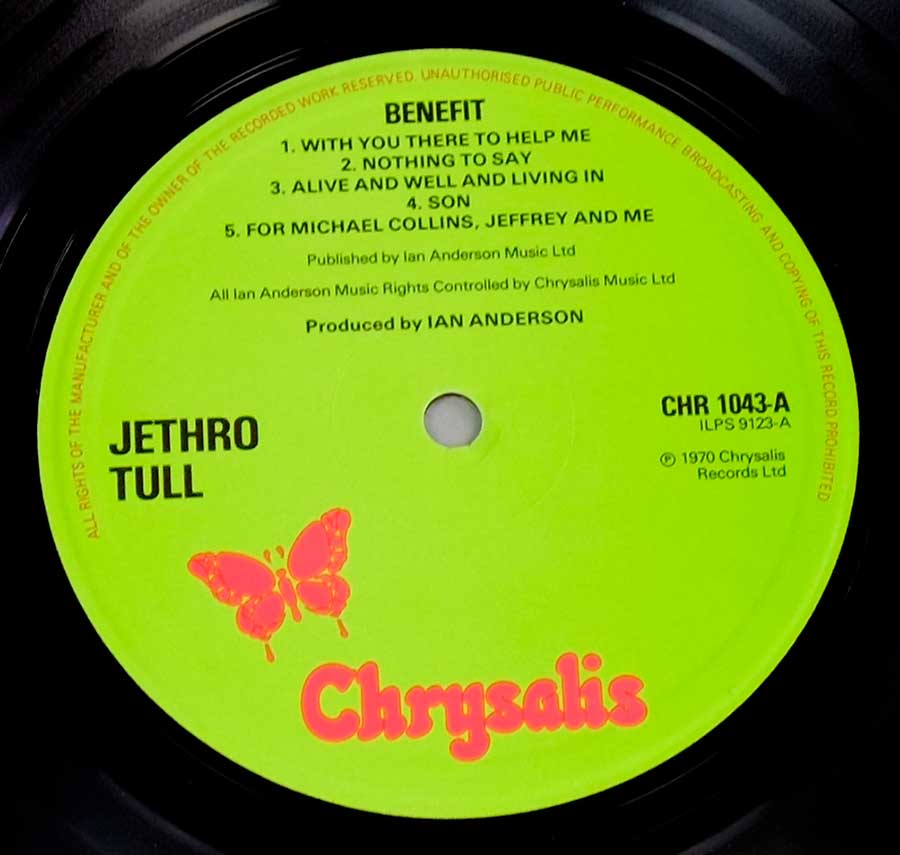
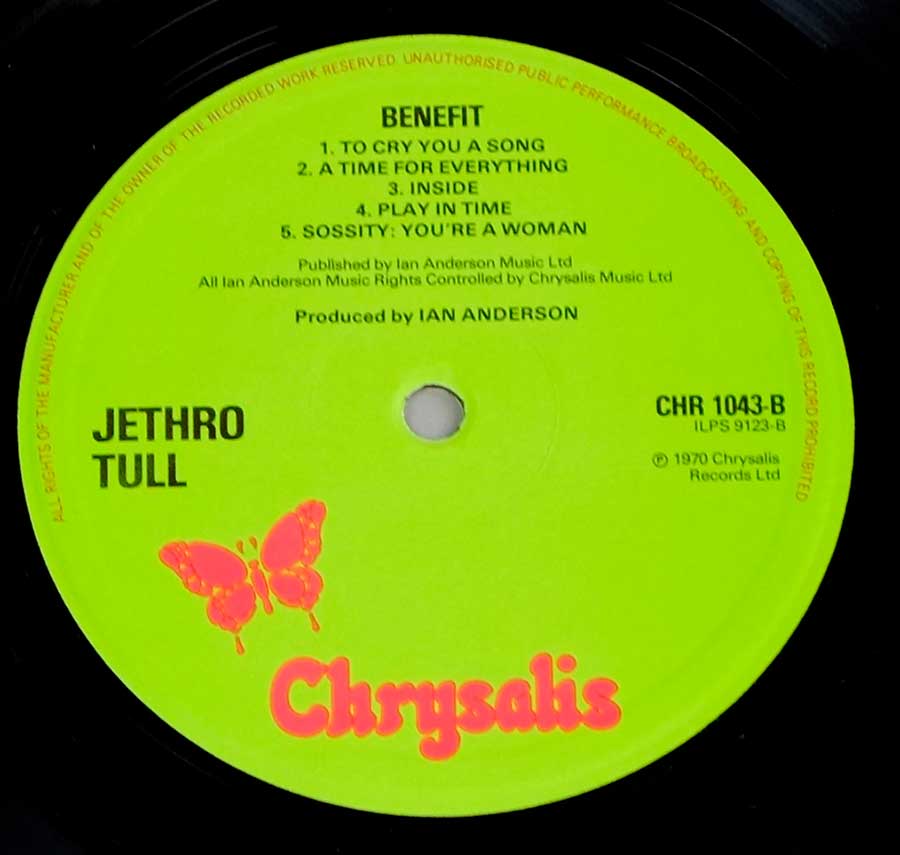
JETHRO TULL - BENEFIT 12" LP VINYL
- UK Release
This album "Benefit" is the third album by Jethro Tull, released in April 1970. It was the first Tull album to include pianist and organist John Evan – though he was not yet a permanent member of the group – and the last to include bass guitarist Glenn Cornick.