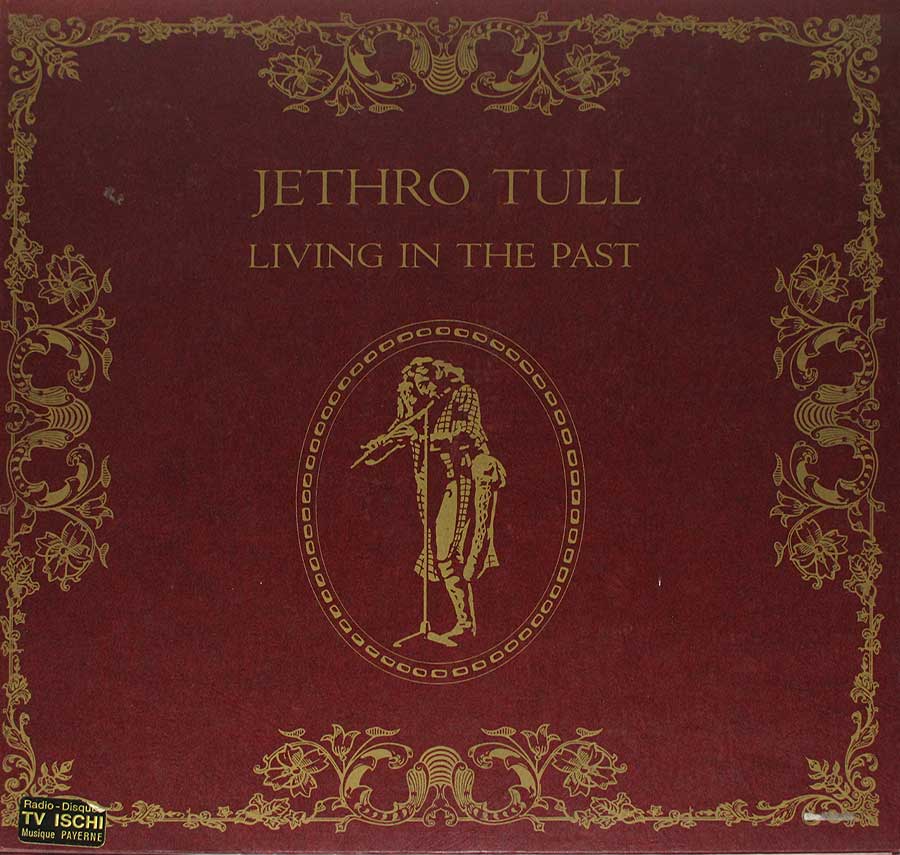
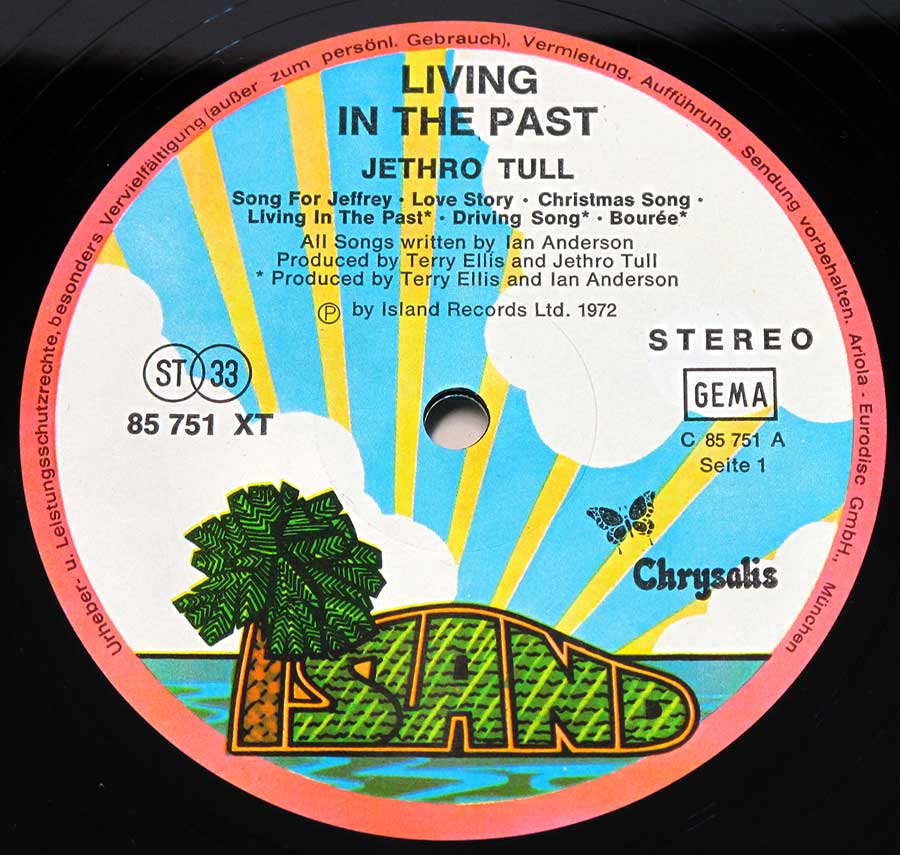
In the heart of the early 70s, amidst the swirling chaos of prog rock's experimental explosion, Jethro Tull, those flute-wielding, folk-infused, musical madmen, unleashed a vinyl behemoth upon the world: "Living in the Past." This wasn't just an album; it was a sprawling sonic landscape meticulously etched into the grooves of a 12-inch German gatefold LP, a testament to the band's artistic ambition and their penchant for pushing boundaries.
Jethro Tull, led by the enigmatic Ian Anderson, had already carved a unique niche for themselves in the musical landscape. Their sound was a heady concoction of rock, folk, blues, and jazz, all filtered through Anderson's distinctive flute melodies and cryptic lyrics. "Living in the Past" was a bold step forward, a double album that showcased the band's versatility and their willingness to embrace diverse musical styles.
The album's title track, "Living in the Past," is a melancholic masterpiece, a reflection on nostalgia and the bittersweet allure of bygone eras. Anderson's lyrics are steeped in historical imagery, evoking a sense of longing for simpler times. The song's iconic flute riff and driving rhythm section create a hypnotic groove that draws the listener into the band's sonic universe. This single would become one of their most recognizable and enduring hits.
But "Living in the Past" is more than just a collection of songs; it's a journey through a myriad of musical landscapes. The album features a mix of studio recordings and live tracks, showcasing the band's prowess in both environments. From the hard-rocking energy of "A Song for Jeffrey" to the folk-tinged balladry of "Life is a Long Song," Jethro Tull effortlessly shifts gears, keeping the listener engaged and eager for what comes next. Notably, the album includes several non-album singles and B-sides, adding to its comprehensive nature.
The album's production is a testament to the era's sonic experimentation. Recorded at various studios, including Morgan Studios in London, "Living in the Past" boasts a rich, textured sound that captures the nuances of each instrument. The band's instrumentation is diverse, featuring flute, mandolin, acoustic guitar, electric guitar, bass, drums, and keyboards, all expertly blended to create a sonic tapestry that is both complex and cohesive. The inclusion of live tracks, like the energetic "Dharma for One," captures the raw power and improvisational spirit of Jethro Tull's live performances.
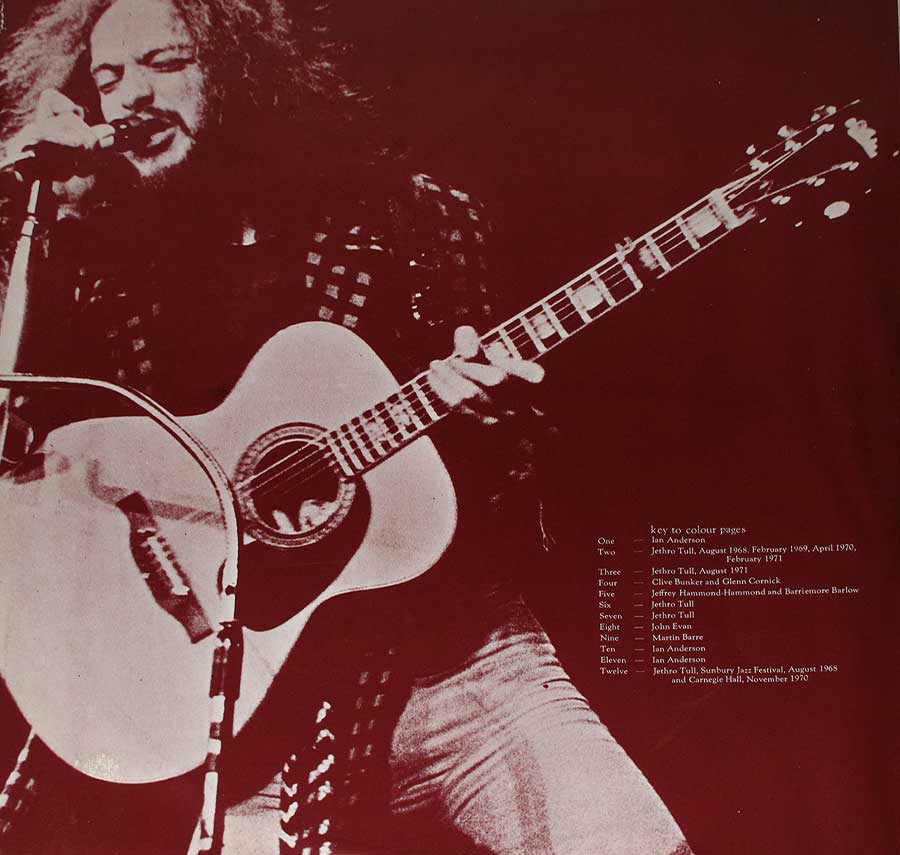
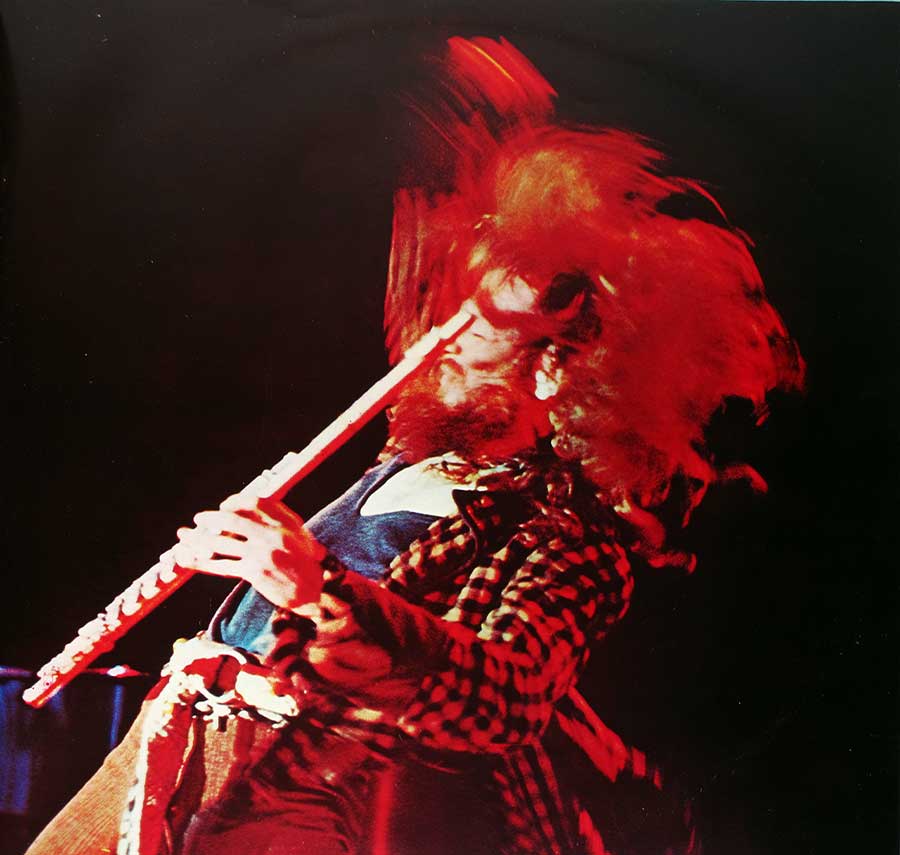
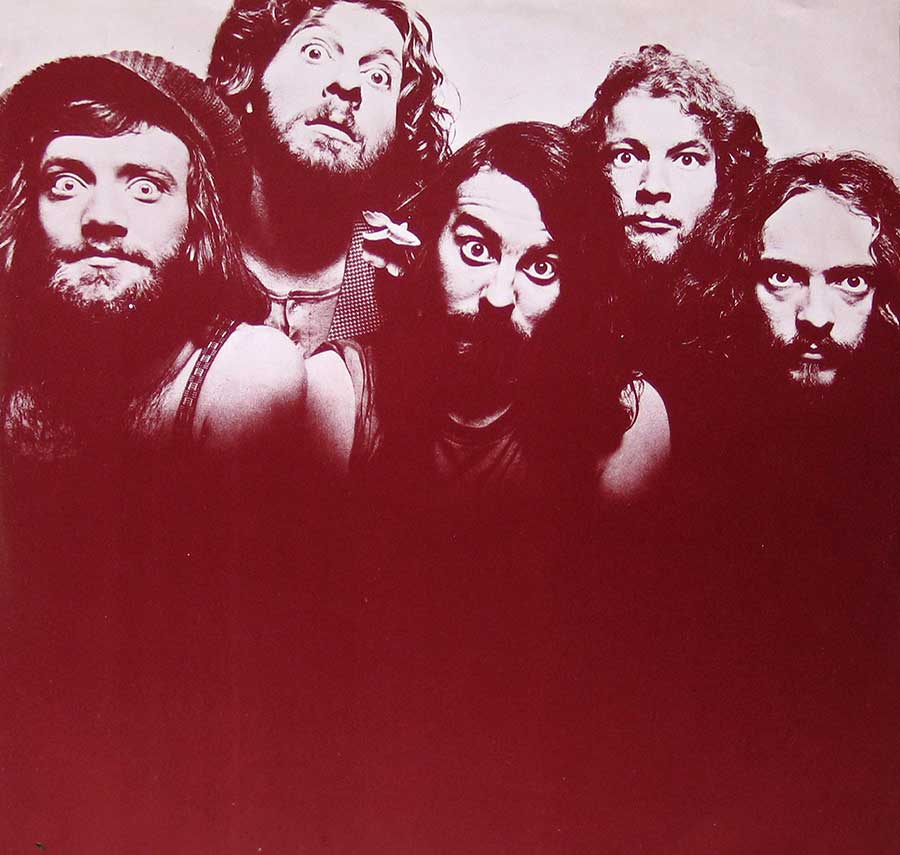
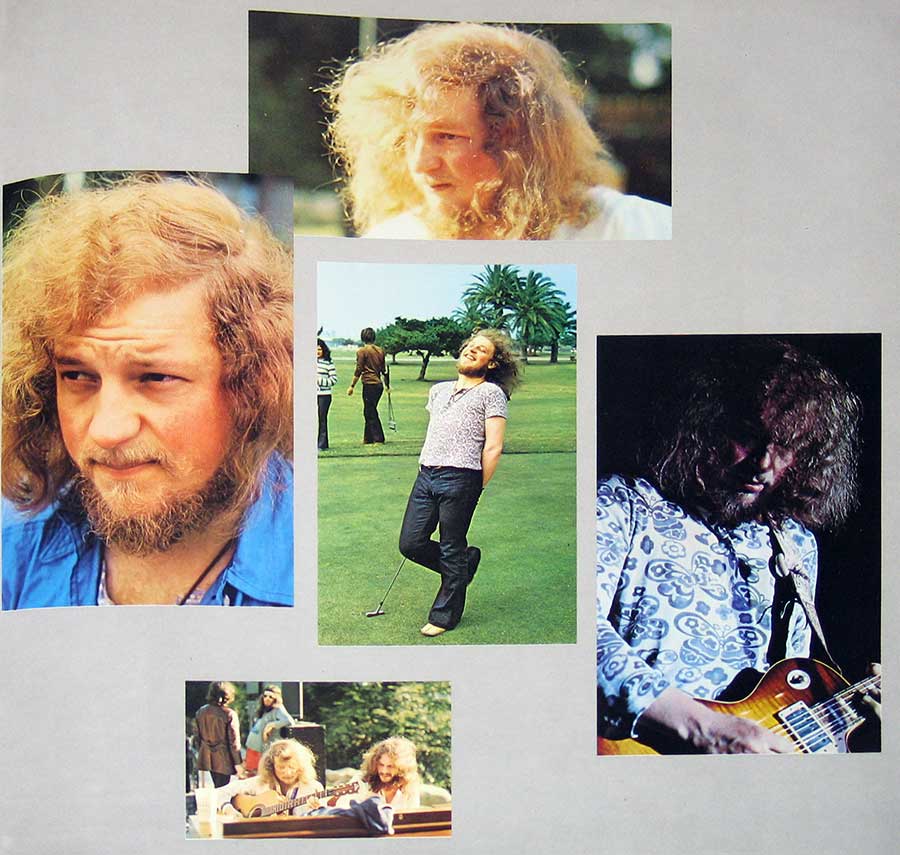
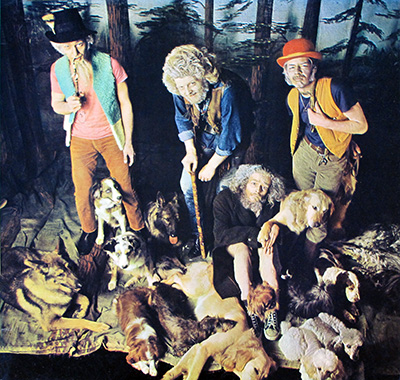
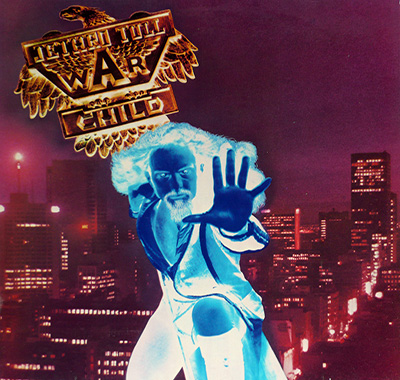
The German gatefold LP release adds another layer of intrigue to the album. The gatefold format allows for expansive artwork, often featuring detailed illustrations or photographs that enhance the listening experience. In the case of "Living in the Past," the gatefold likely featured iconic imagery from the era, further immersing the listener in the album's world. For many fans, this physical format remains a treasured artifact.
"Living in the Past" wasn't without its controversies. Some critics accused Jethro Tull of being pretentious and overly ambitious, while others praised their willingness to push the boundaries of rock music. The album's eclectic mix of styles also divided opinions, with some listeners embracing its diversity while others found it jarring. Additionally, the inclusion of both studio and live tracks sparked debate about the album's cohesiveness.
Regardless of the controversies, "Living in the Past" remains a landmark album in Jethro Tull's discography. It's a testament to the band's creative vision and their ability to transcend genre limitations. The album's enduring popularity is a testament to its timeless appeal, and its German gatefold LP release is a sought-after artifact for collectors and music enthusiasts alike. This compilation continues to be a fan favorite, offering a comprehensive look at the band's early output and cementing their place in the pantheon of progressive rock.