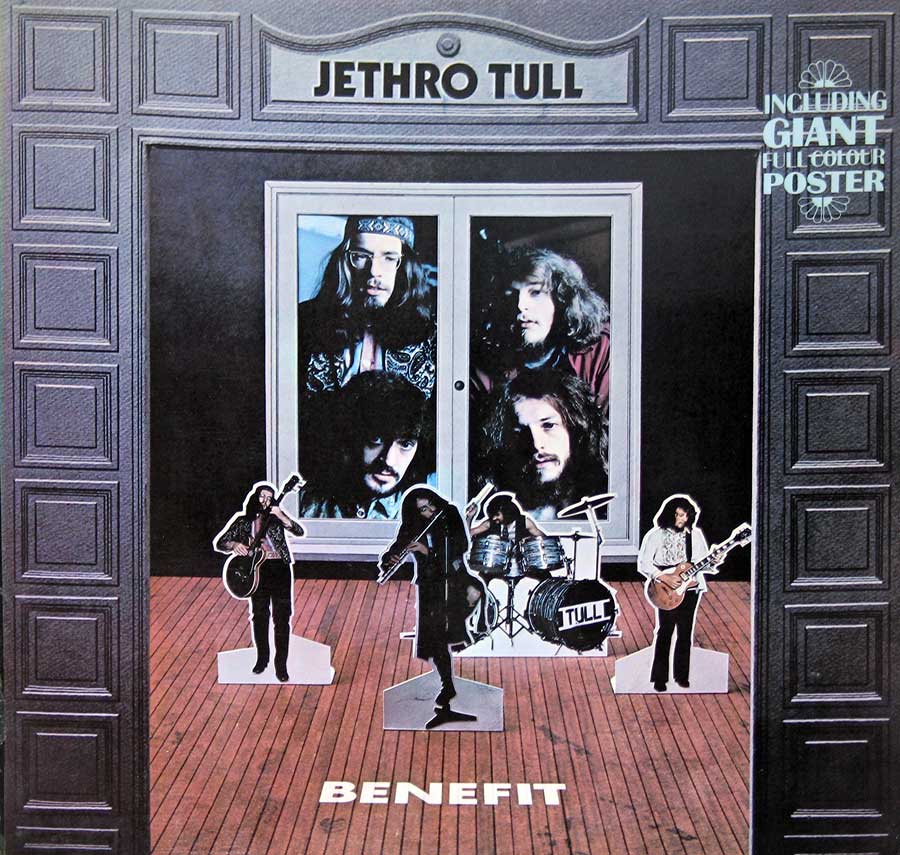
"Benefit" (1970) Album Description:
"Benefit" is where Jethro Tull stopped sounding like a very good British blues-rock band with odd habits and started sounding like a band that mistrusted straight lines. Not the full cathedral-sized prog machine yet. Thank heaven. This one still has boot leather on it. The riffs bite, the flute nags and darts rather than floats, and the whole record carries that slightly boxed-in pressure that makes early Tull so much more interesting than cleaner, shinier records from the same year.
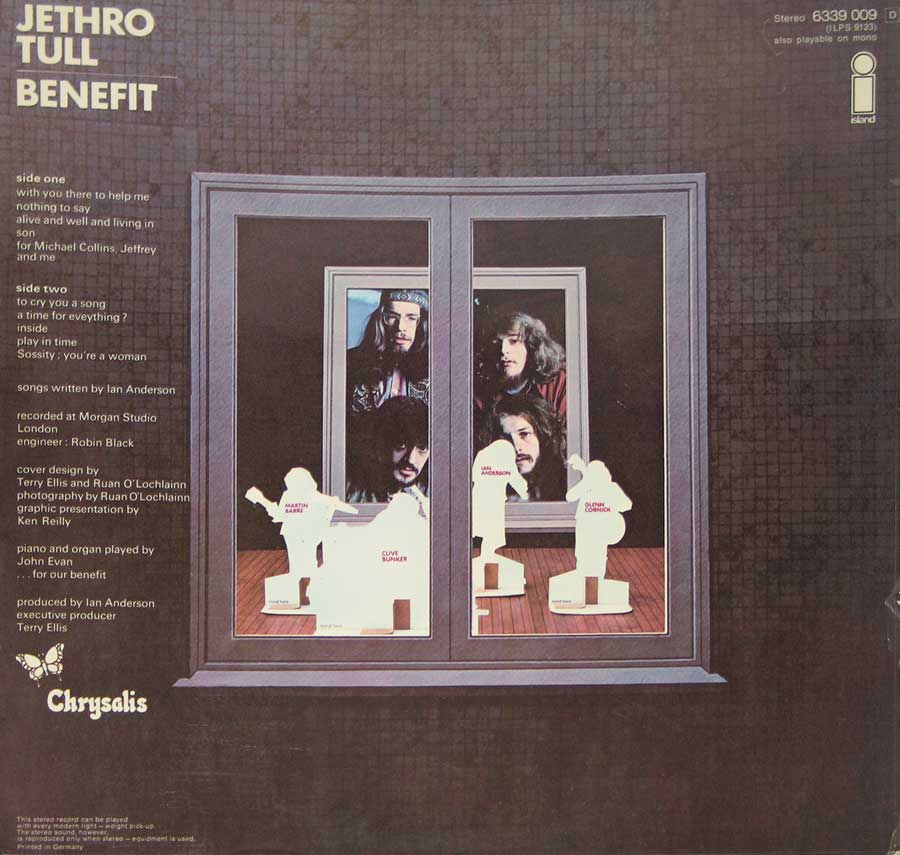
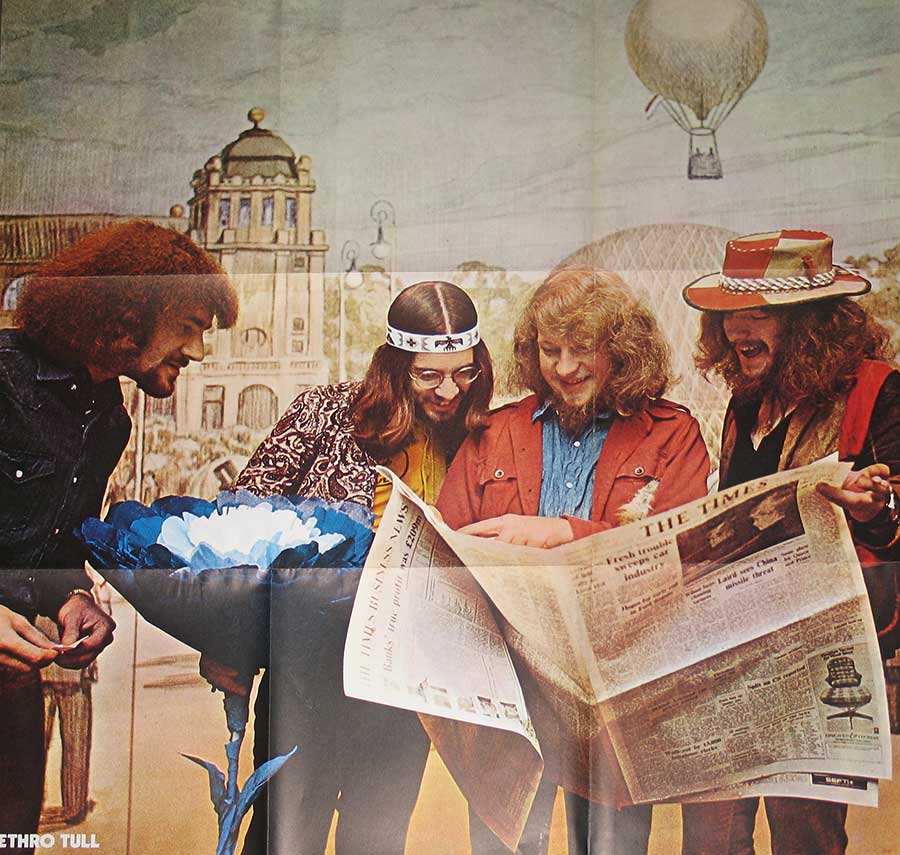
This German copy matters for reasons beyond collector fussiness: Pink Island label, gatefold sleeve, giant poster, UK-style running order, and no "Teacher" muddying the waters the way the American edition did. That last detail still trips people up. Open the hidden section and the album starts behaving like it should: part line in the sand, part line-up fracture, part argument about what progressive rock was allowed to become before it turned into a caped ceremony.
Britain in 1970 was in that twitchy stretch after psychedelia had burned off and before the decade settled into its own bad habits. Bands were lengthening songs, borrowing from folk, jazz and classical music, and generally acting like the three-minute single had become an insult. King Crimson had already kicked the door in. Yes were getting more intricate. Pink Floyd were drifting toward atmosphere and architecture. Deep Purple were hardening their attack. Tull did something more awkward and, to my ears, better: they kept the grit, kept the sly humour, and shoved a flute into the middle of it without asking permission.
That is the real strength of "Benefit". It does not glide. It pokes. "With You There to Help Me" opens the record with a kind of muscular unease, all push and drag, while "Nothing to Say" and "To Cry You a Song" have more riff weight than many bands filed under prog would dare carry. Then you get those mood shifts that still feel slightly wrong in the right way. "For Michael Collins, Jeffrey and Me" is reflective without turning spineless, and "Sossity; You’re a Woman" closes things with a quieter kind of mischief. No velvet curtains required.
Ian Anderson had already become more than the singer with the memorable stance by this point. On "Benefit" he is plainly steering the thing, as writer and producer, toward something tighter and stranger than "Stand Up". The flute does not decorate the songs; it needles them, cuts across them, sometimes practically heckles them. Martin Barre answers with sharp, dry guitar work that never wastes a note. Glenn Cornick keeps the bass moving underneath the surface, which matters more than people tend to admit, and Clive Bunker gives the record its loose, breathing pulse instead of nailing everything to the floor like a nervous session man.
There are useful shadows around the edges too. John Evan appears on piano and organ before becoming a proper member, and those keyboard touches help the record lean away from its earlier blues frame without drowning it in pomp. David Palmer’s orchestral arrangements work because they do not stomp in wearing medals. Robin Black’s engineering at Morgan Studios keeps the album lean, dry and present. Terry Ellis understood early Tull well enough not to sand off the awkward corners, which was a real danger once bands started getting ideas above their station.
A copy like this makes that shift feel physical. Late at night, with the gatefold open and that chalky Pink Island label catching the lamp, the record sounds less like a history lesson and more like a band trying not to get trapped by its own progress.
There was no grand scandal hanging off "Benefit", not really. No ban, no sleeve outrage, no moral panic worth framing. The friction was subtler. Some listeners wanted more of the bluesy directness from the first records and were already suspicious of the more winding structures. Others now remember the album through the wrong track list entirely, because "Teacher" became so attached to the record in the American market that people talk about it as though it belongs on every copy. It does not. Not here. This German pressing follows the UK pattern, and that makes a difference to the mood and pacing whether people like admitting it or not.
The line-up story matters too, because this is Glenn Cornick’s last Jethro Tull studio album, and you can hear a band pulling hard in slightly different directions without collapsing. That tension helps the music. Too much later prog gets so well behaved it might as well be filing its taxes. "Benefit" still sounds like four blokes and a few key accomplices trying to push a difficult shape through a narrow doorway.
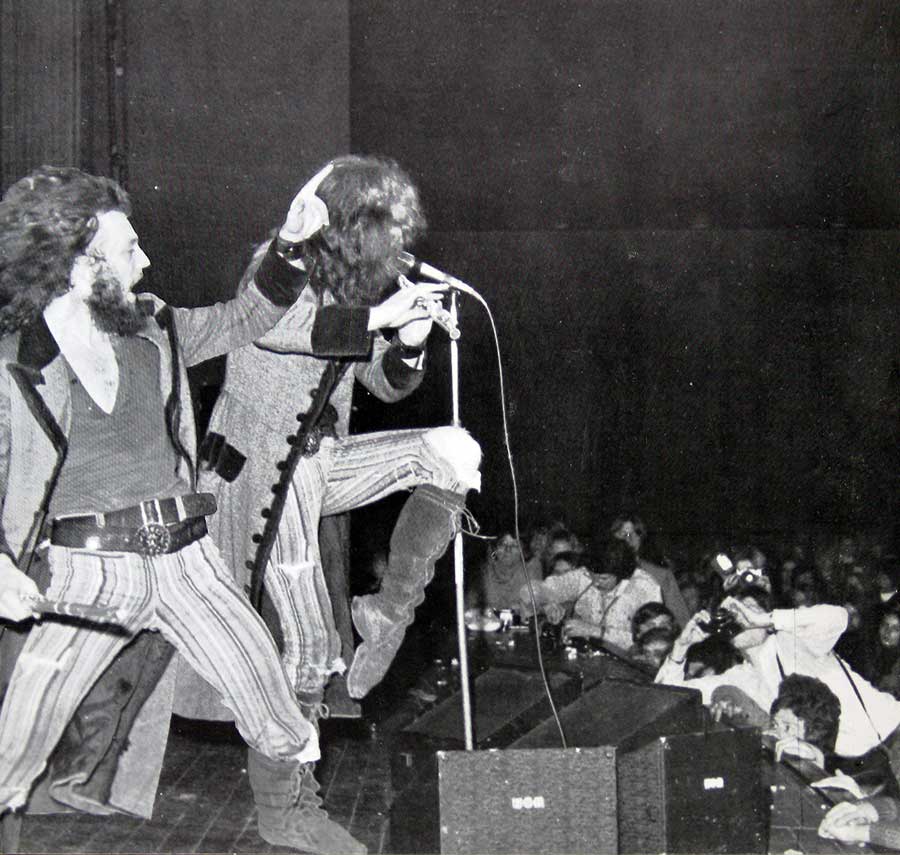
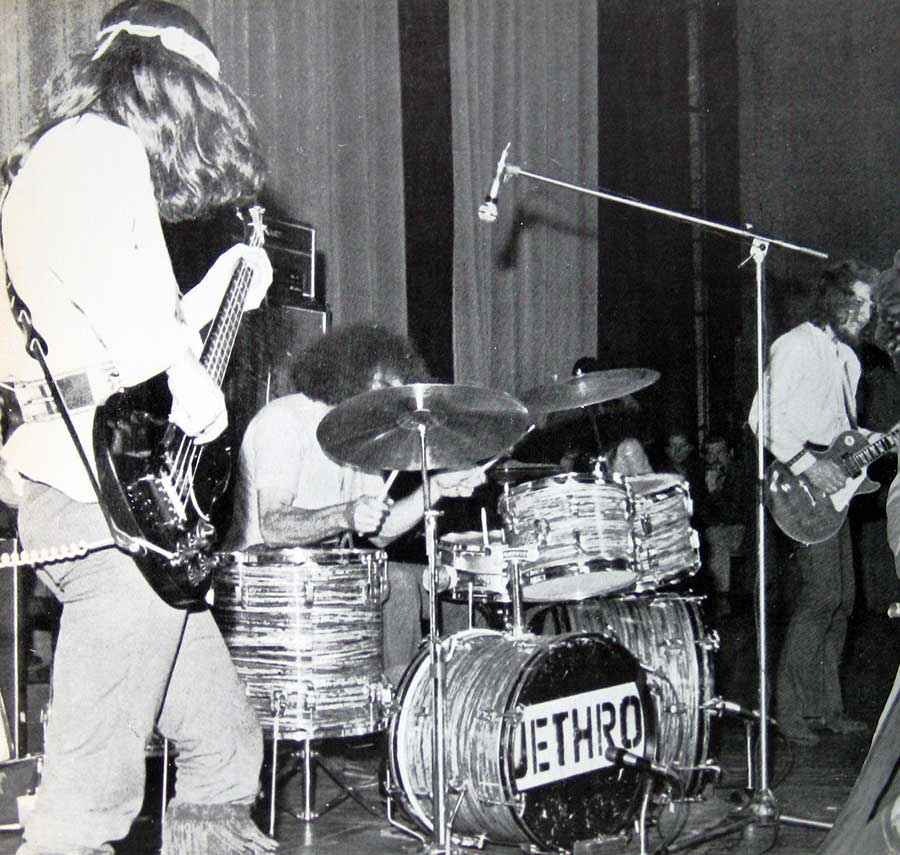
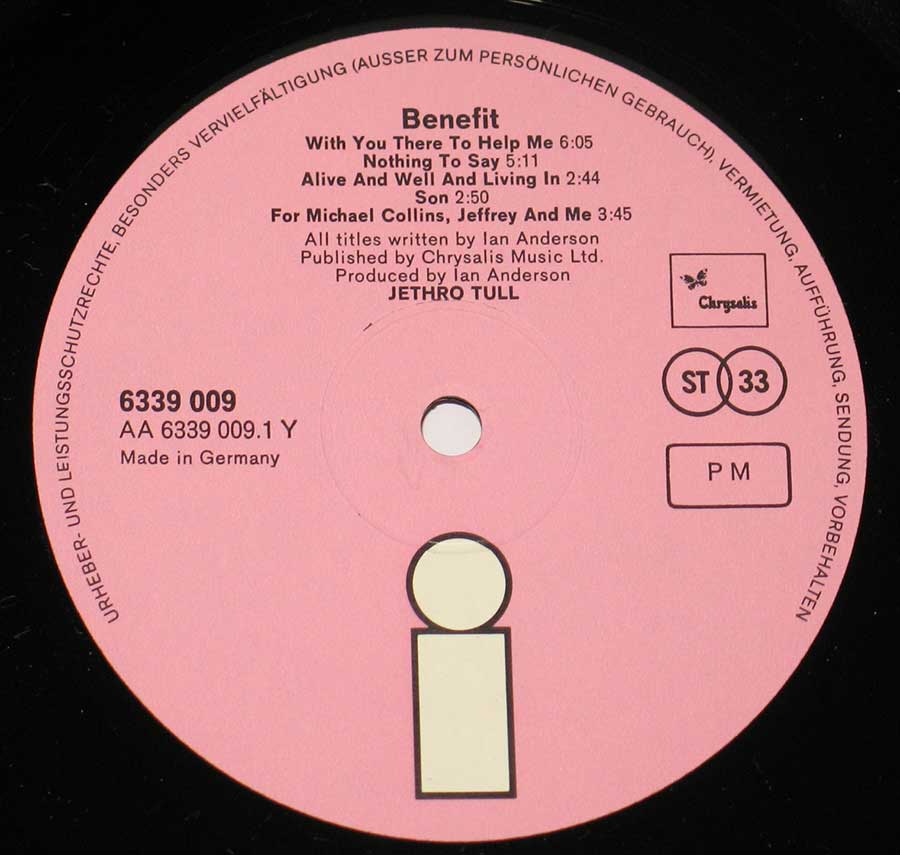
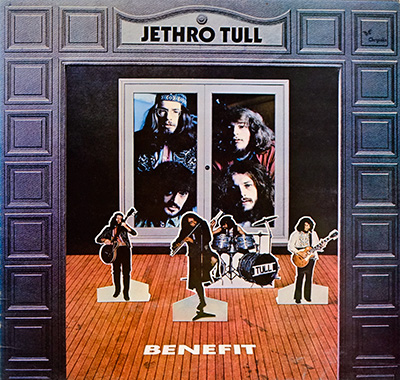
The sleeve is honest about some of this and dishonest about the rest. The front cover’s staged room and cardboard band figures are theatrical in a faintly irritating way, but the gatefold live shots tell the truth better: cramped stage energy, rough contrast, no heroic myth-making. Then the German label gives you the manufacturing side of the story in plain view: 6339 009, matrix AA 6339 009.1 Y, German rights text circling the rim, Chrysalis butterfly tucked into the upper field, and that giant lowercase Island "i" practically bullying the design. Collector details, yes. Also part of the record’s character. These things were built objects before they were discographies.
In the flute-prog corner of 1970, "Benefit" sits in a very particular place. Not as apocalyptic as Van der Graaf Generator, not as courtly as early Genesis would soon become, not as symphonic as the more self-conscious end of the scene, and not as hard-edged as Deep Purple when they were spoiling for a fight. Tull landed somewhere messier: folk residue, blues muscle, odd-meter nerves, and a frontman who sounded as though he distrusted elegance on principle. Good instinct, that.
This German pressing earns its shelf space because it captures the album before memory softened it. The poster is there. The gatefold is there. The Pink Island label still looks faintly overconfident. And the music, for all its craft, has not yet learned how to smile politely for the family photo. Best kept that way.