Ian Anderson (Full-name: Ian Scott Anderson)
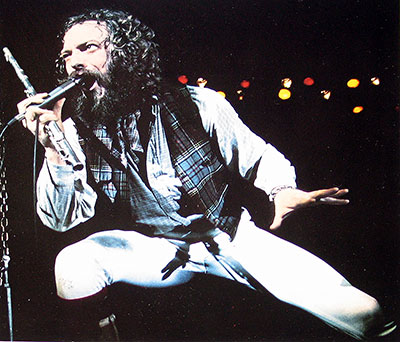
I first learned the hard way that Ian Anderson is not “the flute guy” as a novelty act. He makes it feel inevitable, which is unfair.
Born on 10 August 1947 in Dunfermline, Scotland, he ends up in Blackpool and, in 1967, pulls together the early version of Jethro Tull.
The old blues-club scaffolding is there, sure, but he keeps yanking the beams in strange directions.
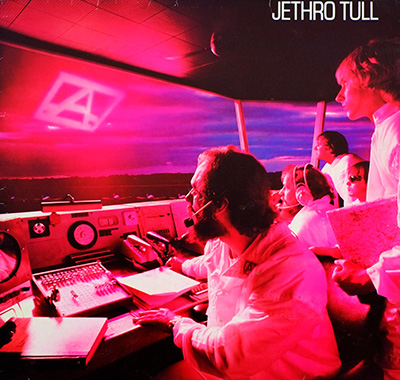
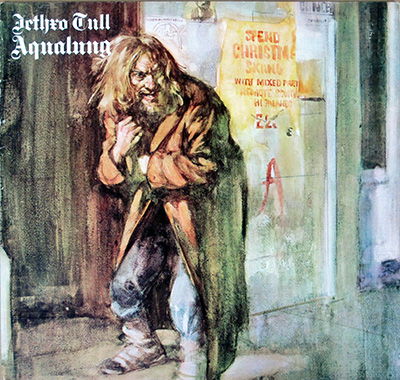
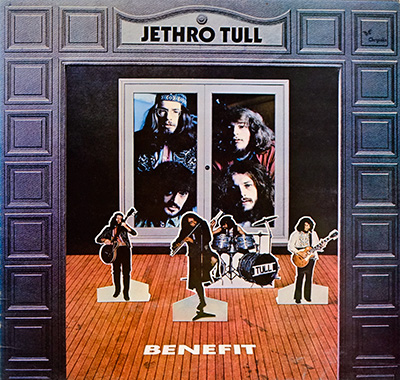
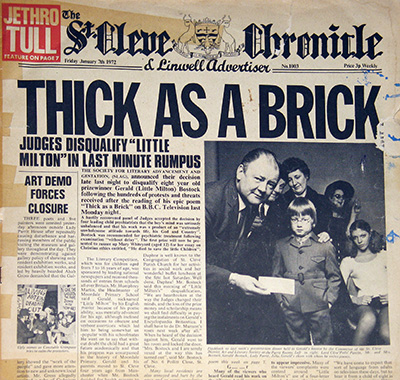
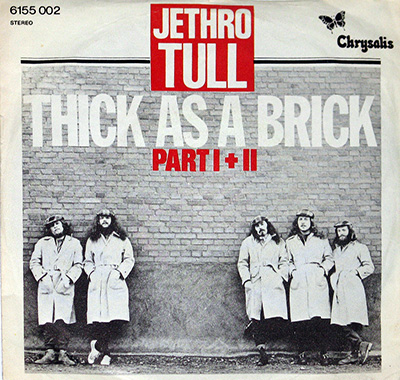
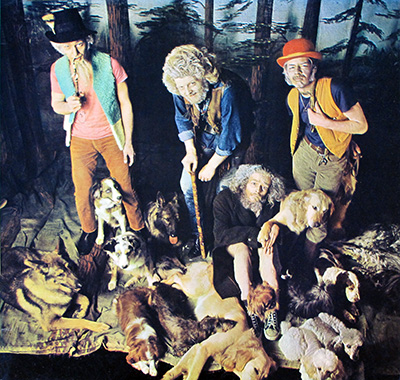
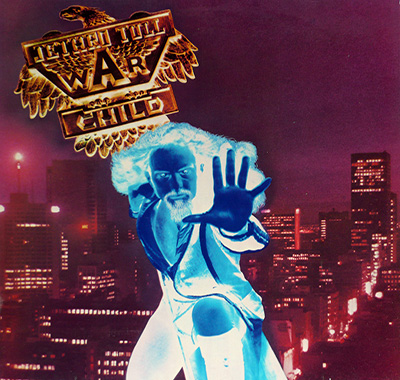
The 1970s run isn’t a tidy “classic era” list, it’s a mood swing you can put on vinyl: "Stand Up", "Aqualung", "Thick as a Brick", "War Child".
One minute it’s riff and grit, the next it’s a grin behind a pastoral melody, and you’re stuck following because the band won’t sit still.
I’ve played "Aqualung" too loud in a small room more times than I’ll admit, and Anderson’s voice still sounds like it’s aiming at the wallpaper.
Outside the stage persona, he’s been outspoken about the planet and animal welfare in ways that don’t feel like PR copy, and he even spent a long stretch involved in salmon farming.
He’s still out there performing under the Jethro Tull banner, which is either admirable stubbornness or a refusal to let the past win.
Probably both.
Martin Barre electric guitar (also: mandolin, flute, saxophone)
Martin Barre shows up in late 1968, and suddenly the band has teeth. Born 17 November 1946 in Kings Heath, Birmingham, he replaces Mick Abrahams
and spends the Christmas stretch learning the material that becomes "Stand Up" (1969). That detail always makes me smile: welcome aboard, now sprint.
Barre’s playing isn’t “important” or “influential” in the abstract. It’s physical. He slices, he lunges, he throws that clean-but-dangerous tone into the mix
and makes the songs walk straighter. He stays the lead guitarist from 1968 until the band’s initial wrap-up in 2011, which is basically a lifetime in rock-band years.
He’s kept touring with his own band since, doing the sensible thing: playing the parts properly, without pretending time didn’t move.
It’s not nostalgic theatre. It’s a working musician keeping the machinery humming. And honestly, good.
Jeffrey Hammond Bass Guitar, vocals
Jeffrey Hammond (often billed as Jeffrey Hammond-Hammond, because he enjoyed the joke) was born 30 July 1946 in Blackpool, Lancashire.
He’s the bassist for that crucial 1971–1975 stretch, and he plays like someone who’s thinking in melodies, not just “holding down the bottom.”
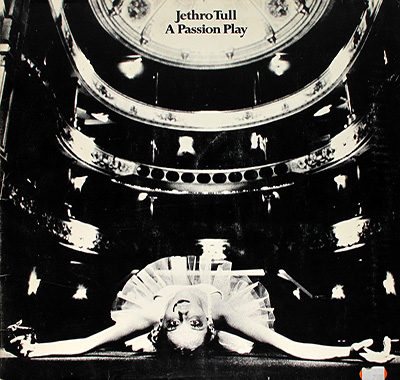
His fingerprints are all over the era people keep arguing about: "Aqualung", "Thick as a Brick", "A Passion Play", "War Child".
He even narrates and writes for "A Passion Play" in that wonderfully odd, storybook way the band could get away with when they were fearless.
Then, in 1975, he walks away to paint — and reportedly never plays bass again. That’s not a dramatic rock exit. That’s someone choosing quiet over noise.
I respect that more than any “big comeback.” You can keep the spotlight. He took the paintbrush.
John Evan Keyboards
John Evan (born John Spencer Evans) lands on 28 March 1948, with Derby/Derbyshire in the paperwork and Blackpool in the actual story.
He’s in the old Blackpool orbit with Anderson and Hammond, and by 1970 he’s on the inside of Jethro Tull’s machine — first as a session presence, then as a full member.
From April 1970 to June 1980, Evan brings the keyboards that make the band feel theatrical without turning it into pantomime.
Piano and organ that can sound classy, then suddenly mischievous; a stage presence that didn’t mind looking slightly ridiculous if it served the show.
He leaves in 1980, and that’s the end of that chapter — no “still in the line-up” fairy tale, just real life arriving with the bill.
The best part is how he never plays it like a résumé. It’s more like: “Yes, I was there. Yes, it happened. Next question.”
Barriemore Barlow Drums, percussion
Barrie “Barriemore” Barlow was born 10 September 1949 in Birmingham, and joins Jethro Tull in May 1971 after Clive Bunker exits.
The timing matters: he’s not the drummer on "Aqualung". His arrival is what helps push the band into that more intricate, tightly coiled 1972-onwards sound.
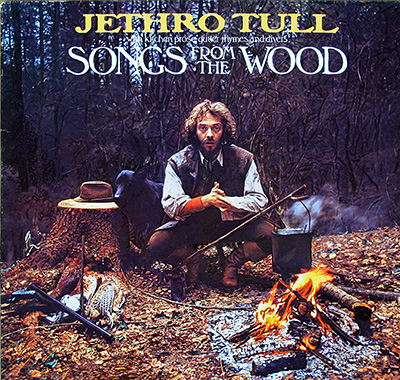
You hear him properly taking control on "Thick as a Brick" (1972) and then through the run that follows — "A Passion Play", "War Child", "Songs from the Wood" — up to his departure in June 1980.
He hits like a polite riot: precise, busy, and somehow still swinging. Not easy.
After Tull, he keeps working in music in various roles, and the occasional reunion moment pops up like a ghost at the edge of the stage.
The drums don’t beg for attention, but they don’t let you ignore them either.
References / citations