MEGADETH Band Description:
Megadeth didn’t arrive like a band. It arrived like a reaction. Los Angeles, 1983: Dave Mustaine gets kicked out of Metallica and doesn’t quietly “move on” like a well-adjusted adult. He builds something faster, meaner, and sharper. Bassist David Ellefson shows up early and stays close enough to matter, but the engine is always Mustaine. The lineup keeps shifting like a cheap motel sign flickering at midnight. That part never stops.
People still file them into the “Big Four” of American thrash with Metallica, Slayer, and Anthrax, because humans love neat boxes. Megadeth never sounded neat to me. More like a blade you keep picking up even though you know it’s going to bite. They’ve sold more than 50 million albums worldwide, which is hilarious when you remember how hostile this music can feel when it wants to.
History
In the earliest scramble, names float by like cigarette smoke: Greg Handevidt on guitar, Dijon Carruthers on drums, and then the usual churn as the band tries to hold a shape. But the point is simple: Mustaine wanted speed and control at the same time, like he was trying to outrun the last argument and win the next one before it even started.
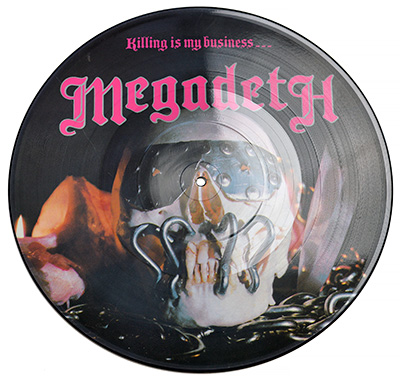
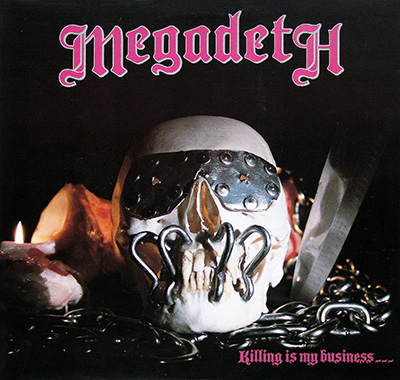
"Killing Is My Business... and Business Is Good!" drops in 1985 and it sounds like somebody recorded a fistfight and then taught it to play guitar. It’s aggressive, jagged, not polite for a second. Early Megadeth is messy on the edges, but the intent is laser-straight: don’t blink.
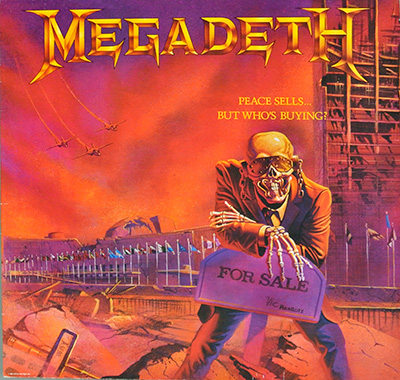
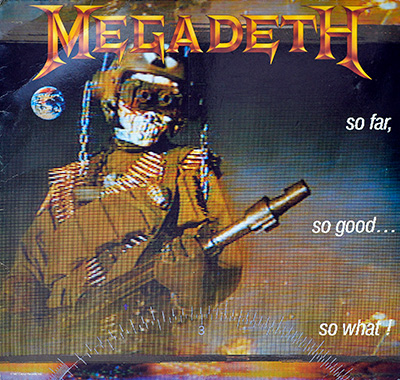
1986, "Peace Sells... but Who's Buying?" hits and suddenly the chaos has a spine. The title track "Peace Sells" doesn’t stroll in, it stomps, and it drags politics behind it like a chain. The next stretch is the kind of run bands spend careers trying to fake: "So Far, So Good... So What!" (1988), then "Rust in Peace" (1990), with riffs stacked like razor wire. Technical, yeah. Also nasty. Thank god.
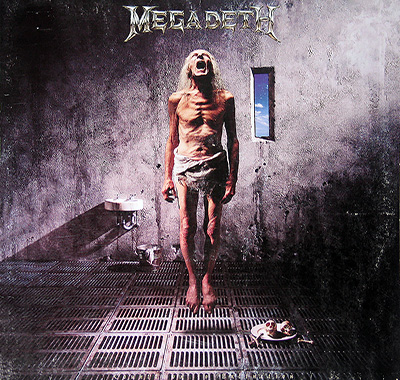
Then 1992. "Countdown to Extinction". People love saying this is where the band “went accessible,” like it’s a crime scene. It’s more like they learned how to aim. Bigger hooks, cleaner punch, still enough teeth to leave marks. It became their biggest-selling album, and it picked up a Best Metal Performance Grammy nomination at the 1993 awards. Not bad for music that still sounds like it’s arguing with the world.
The decades after are the familiar Megadeth pattern: records, tours, lineup reshuffles, Mustaine still standing in the center like a guy guarding the last match in a windy room. "Dystopia" lands in 2016, and the song "Dystopia" wins Best Metal Performance at the Grammys in 2017, which feels overdue and also slightly funny, because awards never really understood bands like this. The latest studio album is "The Sick, the Dying... and the Dead!" (2022). The titles alone tell you nobody’s mellowing out.
Musical Style
Megadeth runs on fast riffs that don’t just “move,” they lunge. Mustaine’s playing has that sharp-angle thing: quick cuts, sudden turns, solos that sound like they’re trying to escape the song and start a new fight down the hallway. Sometimes you catch those classical-leaning shapes in the phrasing, but it’s never fancy for the sake of fancy. It’s precision as attitude.
The lyrics? War, corruption, governments doing what governments do, and that constant end-of-the-world itch. When it gets personal, it doesn’t go soft. It goes acidic. There’s a confrontational streak in Megadeth that I’ve always liked more than I’m supposed to, because it refuses to soothe you. It points. It sneers. It keeps going.
Impact
If you want the clean version: they helped define thrash, inspired a ton of bands, blah blah museum brochure. The real version is smaller and more honest: Megadeth taught a generation that speed can be surgical, not sloppy, and that anger can be arranged like architecture. I used to test speakers with "Rust in Peace" stuff because it exposes weak gear fast. It also exposes weak attention spans. Either you’re in, or you’re faking it.
And sure, you can trace their fingerprints into later extreme and progressive corners of metal. But the main thing is this: Megadeth still sounds like a band made out of refusal. Refusal to forgive. Refusal to relax. Refusal to shut up. Some days that’s exhausting. Some days it’s exactly the point.