- 1992 · Thrash Metal · Capitol Records
Released in 1992, “Countdown to Extinction” marks the moment Megadeth sharpened thrash metal into a weapon built for a wider world. The songs are tighter, the messages clearer, and the anger more focused than ever before. Produced by Dave Mustaine and Max Norman, the album balances precision and menace, pairing massive riffs with themes of political decay, environmental collapse, and psychological pressure. It’s heavy without being messy, smart without being sterile, and still sounds like a band very aware that the world was starting to crack.
By 1992, Megadeth stood at a dangerous sweet spot: too smart to stagnate, too angry to soften. "Countdown to Extinction" captures that exact moment when razor-edged thrash collided with mass consciousness, without sanding off the blades. It’s the sound of a band staring down the world and deciding to speak clearly—loudly, precisely, and without asking permission.
The early ’90s were a weird crossroads for heavy music. Grunge was kicking down the door, glam metal was gasping for air, and thrash had to either evolve or calcify. In that climate, "Countdown to Extinction" didn’t chase trends—it tightened its focus and sharpened its message, landing squarely in a world anxious about politics, media control, and environmental collapse.
Coming off the technical peak of "Rust in Peace", Megadeth faced a classic dilemma: double down on complexity or refine the attack. Touring had hardened them, success had raised expectations, and Dave Mustaine clearly wanted songs that hit harder and faster on first contact. The result feels intentional, not compromised—like a band choosing clarity over clutter.
Sonically, this record trades labyrinthine riff mazes for blunt-force precision. The guitars still bite, but now they groove; the rhythms punch instead of sprawl. Tracks like “Symphony of Destruction” and “Sweating Bullets” feel lean, paranoid, and memorably twisted—hooks wrapped in barbed wire.
Released in the same year as records like Pantera’s "Vulgar Display of Power" and Alice in Chains’ "Dirt", this album sits in rare company. Where Pantera went brutal and groove-heavy, and Alice in Chains went inward and suffocating, Megadeth went surgical—political, articulate, and relentlessly controlled. Thrash metal, but dressed for impact.
Some longtime fans cried “sellout” the moment the riffs became memorable enough to hum. Others simply turned it up and noticed the anger hadn’t gone anywhere—it had just learned how to speak in full sentences. The artwork, lyrics, and themes sparked debate, but never felt engineered for shock alone.
Internally, this lineup feels locked in and purposeful. There’s tension here, sure—but it’s productive tension, the kind that tightens performances instead of tearing them apart. You can hear a band listening to each other, even while trying to outplay one another.
At release, the album connected far beyond the thrash underground, pulling Megadeth into wider cultural view without diluting their identity. Decades later, it’s often cited as the gateway record—the one that brought new listeners in and still holds up under obsessive headphone scrutiny.
Dropping the needle on "Countdown to Extinction" still feels like opening a warning envelope stamped URGENT. The riffs haven’t aged, the themes haven’t softened, and the paranoia feels almost comforting now. Decades later, it still smells faintly of ozone, concrete dust, and the sound of a band choosing survival without surrender.
Thrash Metal
Capitol Records – Cat#: 798531
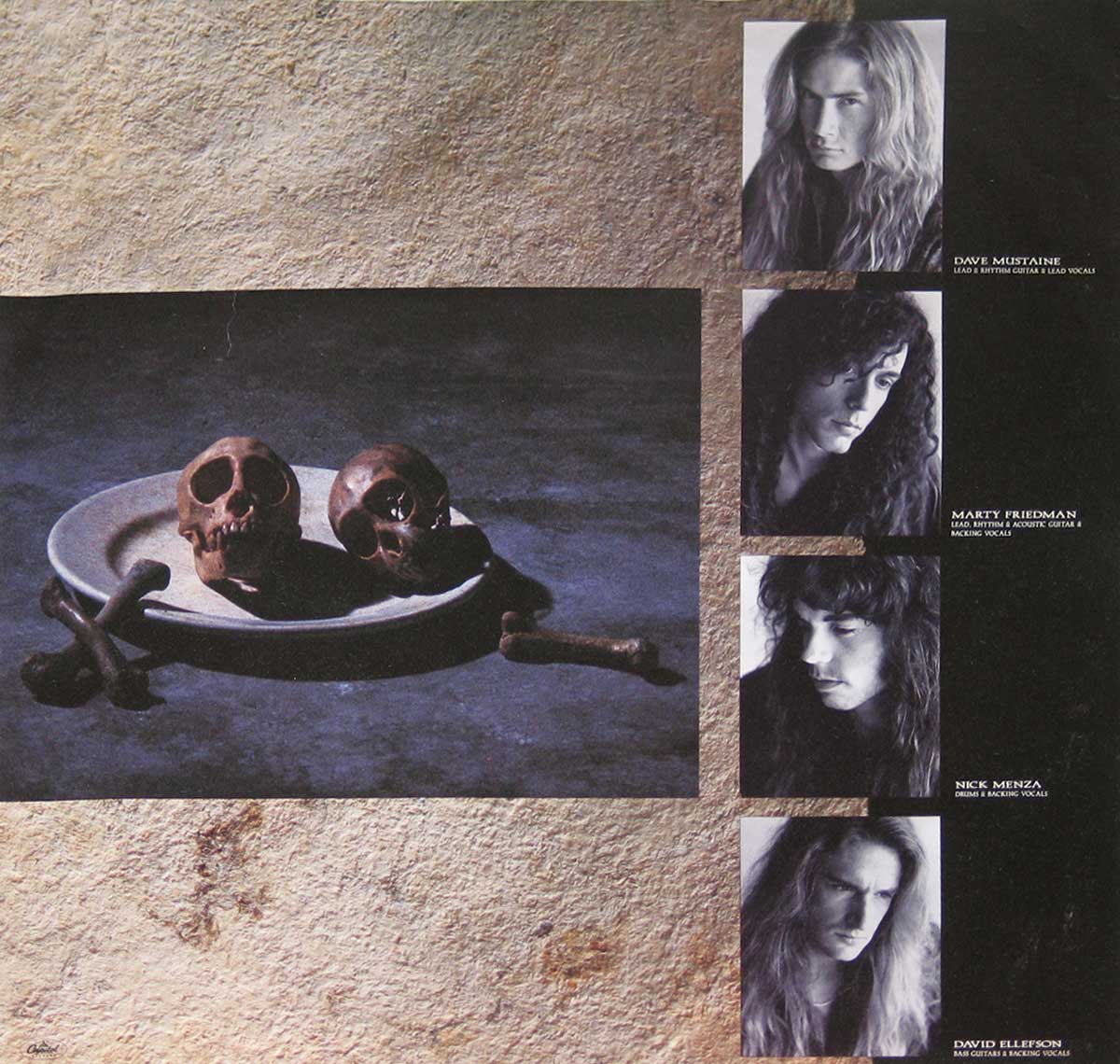
This album includes the original custom inner sleeve with album details, complete lyrics of all songs and photos of the Megadeth band.
Record Format: 12" Vinyl LP – Gramophone Record
Total Weight: 210g
1992 – Made in EEC
Disclaimer: Track durations shown are approximate and may vary slightly between different country editions or reissues. Variations can result from alternate masterings, pressing plant differences, or regional production adjustments.
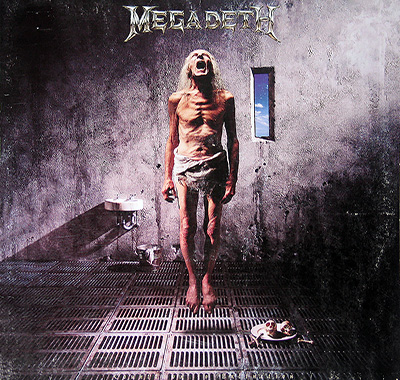
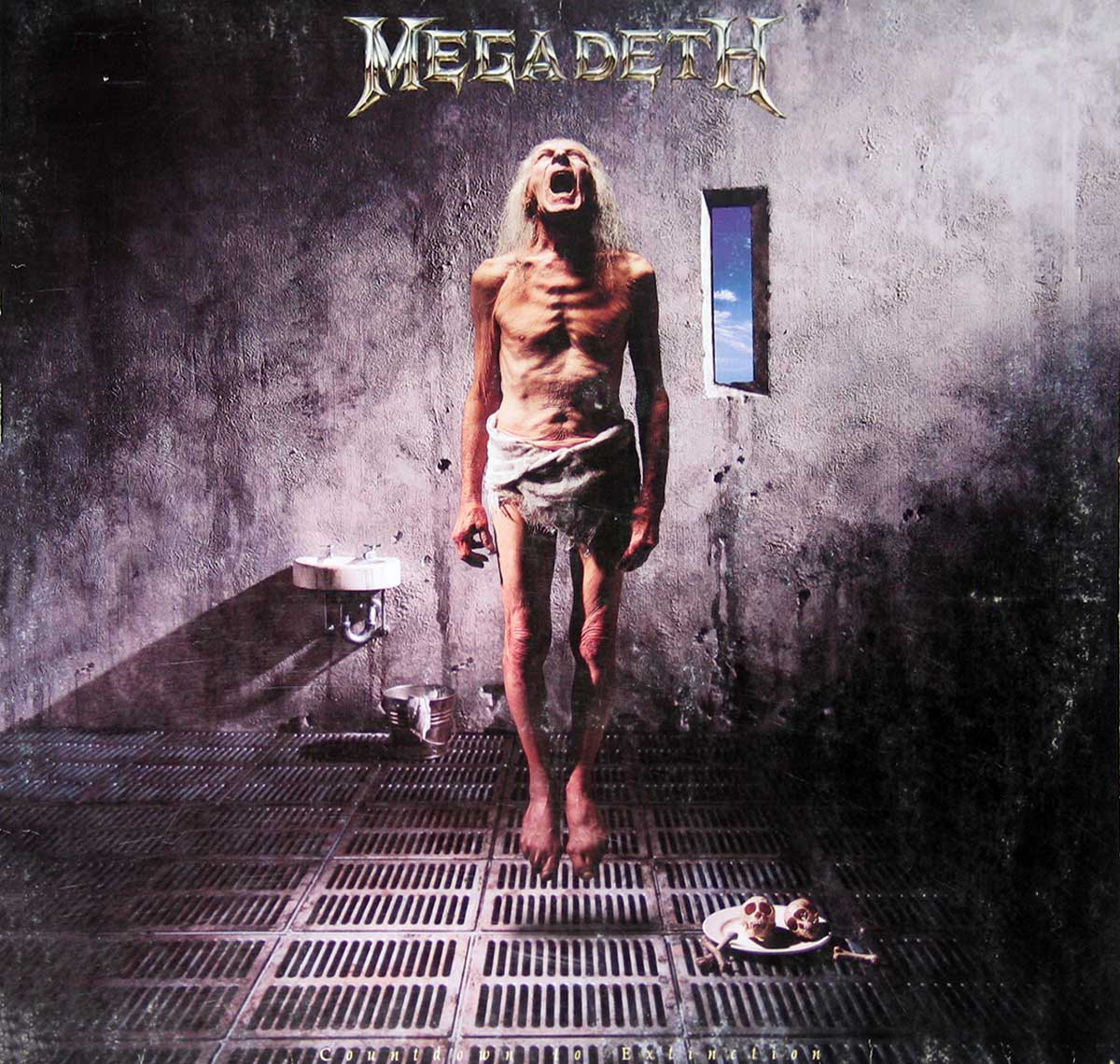
The front cover of Megadeth’s 1992 album "Countdown to Extinction" is pure cold-war dread turned into art. A gaunt, half-naked person screams inside a bleak, industrial cell, surrounded by iron grates and concrete walls that radiate confinement.
A small barred window reveals a bright blue sky, a cruel tease of freedom against the suffocating interior. Two skulls resting on a metal plate reinforce the album’s obsession with mortality, extinction, and human self-destruction.
The sharp Megadeth logo crowns the image like a warning sign. Hugh Syme’s artwork doesn’t decorate the music—it confronts you with it.
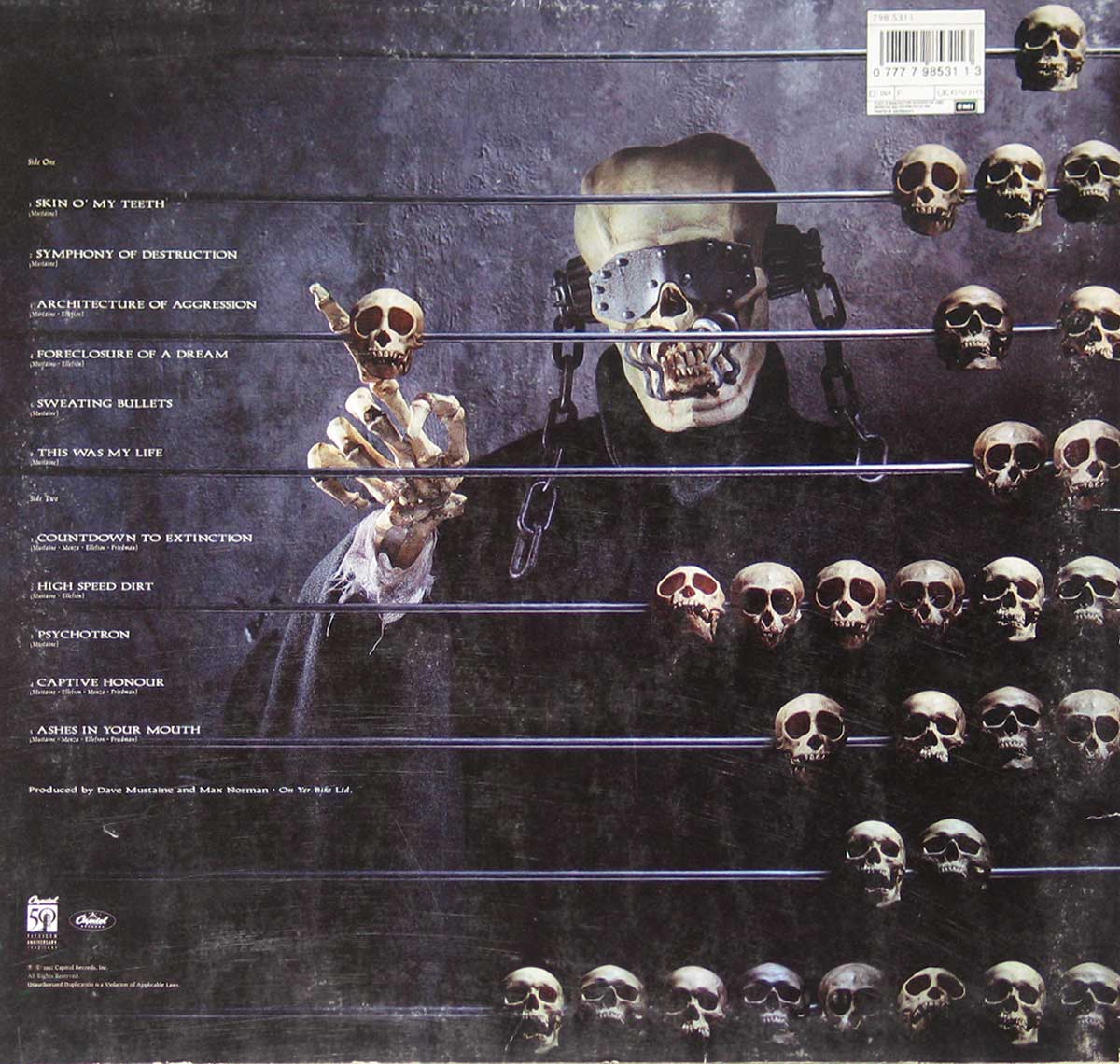
The back cover continues the dystopian nightmare. Vic Rattlehead stands shackled in a dark cell, fitted with mechanical restraints over his eyes, ears, and mouth—Megadeth’s brutal take on “see no evil, hear no evil, speak no evil.”
Horizontal metal bars stretch across the image like a musical staff, with skulls impaled along the lines as if they were notes in a grim composition. The tracklist runs alongside the bars, turning the songs themselves into part of the prison.
It’s a perfectly bleak companion piece to the front cover, tying music, imagery, and message into one claustrophobic whole.
The inner sleeve balances death imagery with stark band portraits. On the left, two skulls sit on a pale plate like a macabre still life, echoing the album’s fixation on extinction and decay.
On the right, black-and-white portraits of Dave Mustaine, Marty Friedman, Nick Menza, and David Ellefson are stacked vertically. Each face is intense, stripped of glamour, and confrontational.
The rough, weathered background texture ties the visuals together, making the inner sleeve feel as deliberate and heavy as the music itself.
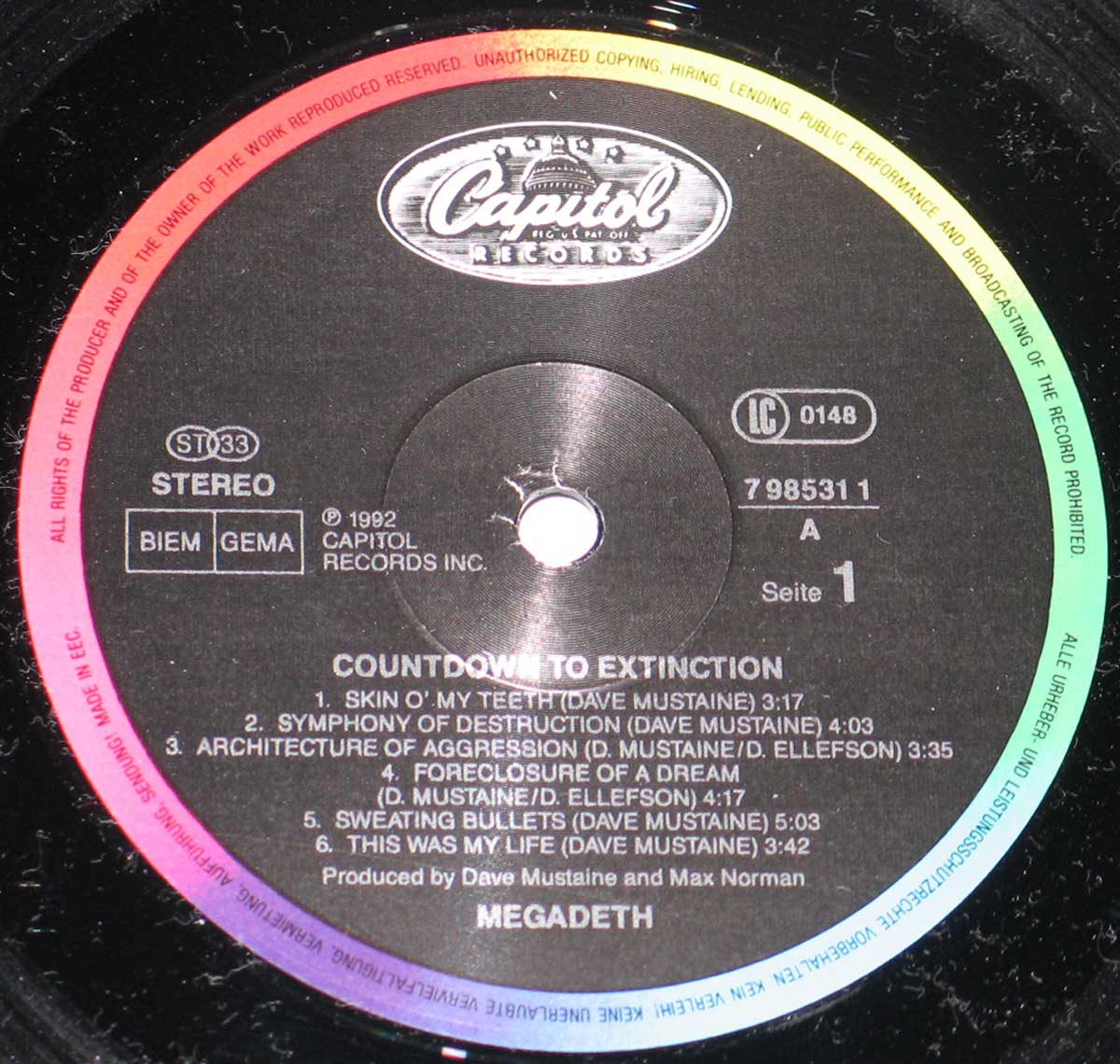
Close-up of the original European Capitol Records Side A label, featuring the classic black background with the rainbow rim design used in the late ’80s and early ’90s.
The label lists all Side A tracks with durations, songwriting credits dominated by Dave Mustaine, and production credits for Mustaine and Max Norman. Markings such as ST 33, LC 0148, BIEM/GEMA, and catalog number 7985311 confirm this EEC pressing.
It’s a clean, functional label design—no frills, just information and authority.
All images on this site are photographed directly from the original vinyl LP covers and record labels in my collection. Earlier blank sleeves were not archived due to past storage limits, and Side Two labels are often omitted when they contain no collector-relevant details. Photo quality varies because the images were taken over several decades with different cameras. You may use these images for personal or non-commercial purposes if you include a link to this site; commercial use requires my permission. Text on covers and labels has been transcribed using a free online OCR service.
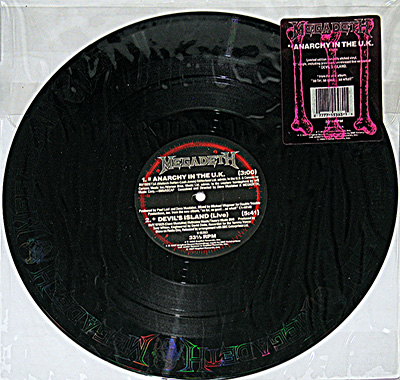
"Anarchy in the U.K." is originally a song by the English punk rock band "The Sex Pistols" . It was released as the band's debut single on 26 November 1976 and was featured on their only album, Never Mind the Bollocks, This is Megadeth's cover of it, originally released on the album: "So far, so good, so what?"
Anarchy in the UK 12" Laser Etched Vinyl LPReleased in 1992, “Countdown to Extinction” marks the moment Megadeth streamlined thrash metal without defanging it. Produced by Dave Mustaine and Max Norman, the album trades excess speed for precision, hooks, and political bite. Dark, disciplined, and sharply focused, it became the band’s breakthrough while still sounding unapologetically hostile.
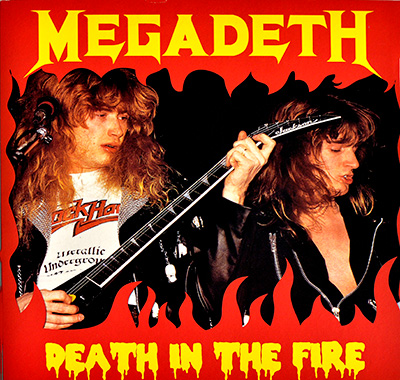
"Death in the Fire" 180g White Label Transparent Vinyl 12" Vinyl LP Album offers a thrilling glimpse into the raw intensity of Megadeth's live performances during their early years. While an unofficial release, this limited edition LP
Death in the Fire 12" Transparent Vinyl LP <
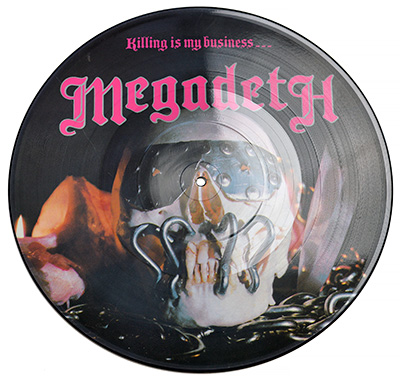
This is the Picture Disc version "Killing Is My Business... and Business Is Good!" the debut album by American thrash metal band Megadeth. It was originally released in 1985 on Combat Records.
Killing is my Business and Business is Good 12" Vinyl Picture Disc
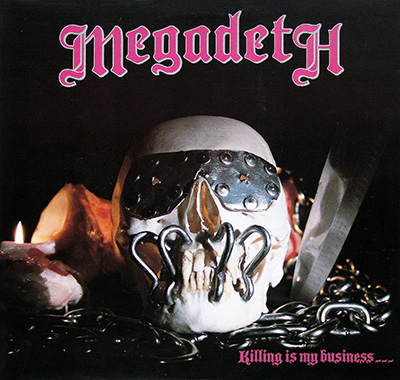
"Killing Is My Business... and Business Is Good!" is the debut album by American thrash metal band Megadeth. It was originally released in 1985 on Combat Records. Mustaine wanted a picture of Megadeth mascot Vic Rattlehead
- Killing is my Business and Business is Good (1985, Canada) - Killing is my Business and Business is Good (1985, Holland)
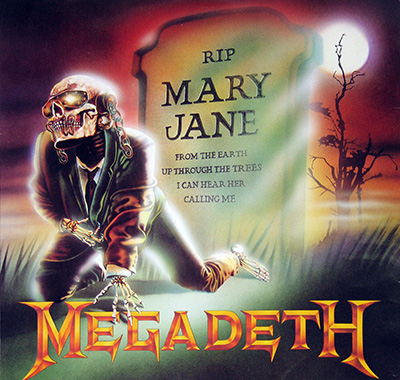
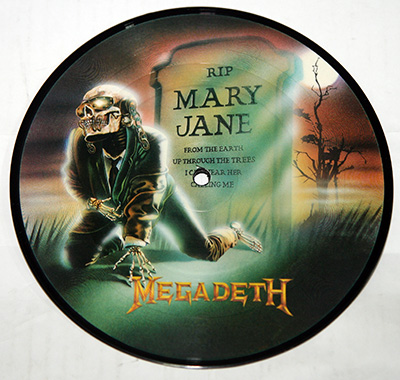
This isn’t just a thrash metal maxi-single, it’s a coffin lid slammed shut at 45 r.p.m. Mary Jane crawls from the grooves with banshee wails and bone-splintering riffs, a teenage séance pressed in black vinyl. Flip it, and the B-side detonates with Megadeth’s trademark venom, each track a Molotov cocktail hurled at silence itself.
Megadeth's "Mary Jane" / "Hook in Mouth" picture disc is a fascinating slice of thrash metal history. While often sought for its collectible artwork, the songs themselves pack a powerful thematic punch.
Mary Jane b/w Hook in Mouth 7" Picture Disc
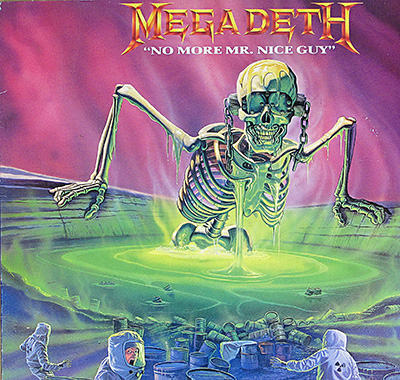
"No More Mr. Nice Guy" was originally a song by Alice Cooper, released in 1973. It became a popular hit and was covered by various artists over the years. In 1989, Megadeth decided to cover the song and release it as a single.
- No More Mr Nice Guy (1989, EEC Europe) - No More Mr Nice Guy (1989, USA)
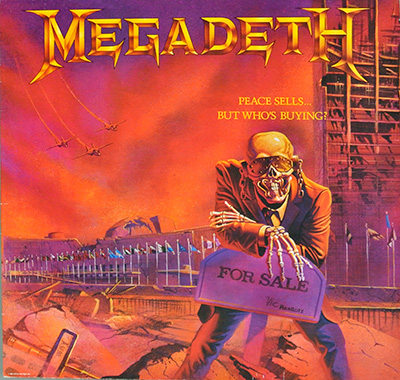
Formed in 1983 by former Metallica guitarist Dave Mustaine, Megadeth quickly gained recognition for aggressive sound, complex guitar work, and conscious lyrics. "Peace Sells... But Who's Buying?" became their second studio album
- Peace Sells But Who's Buying (1986, Canada) - Peace Sells But Who's Buying (1986, Germany) - Peace Sells But Who's Buying (1986, USA)
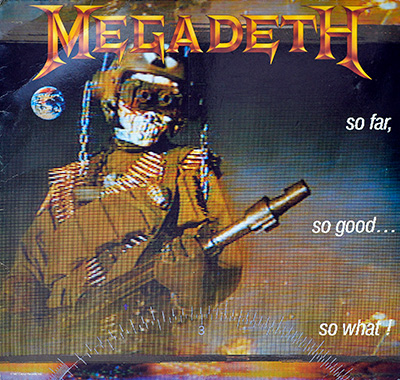
Megadeth's "So Far, So Good, So What" 12" vinyl LP album was released on 19 January 1988, on Combat Records. The Canadian release of the album features a slightly different track listing than the US version
- So Far So Good So What (1988, Canada) - So Far So Good So What (1988, Germany) - So Far So Good So What (1988, USA)