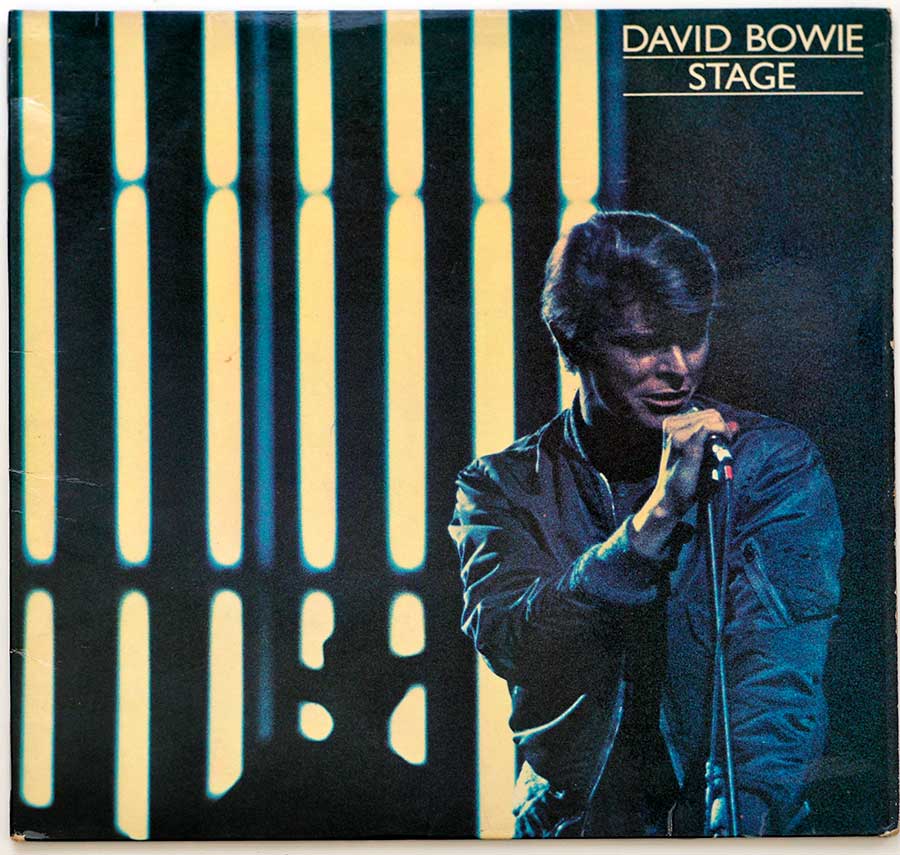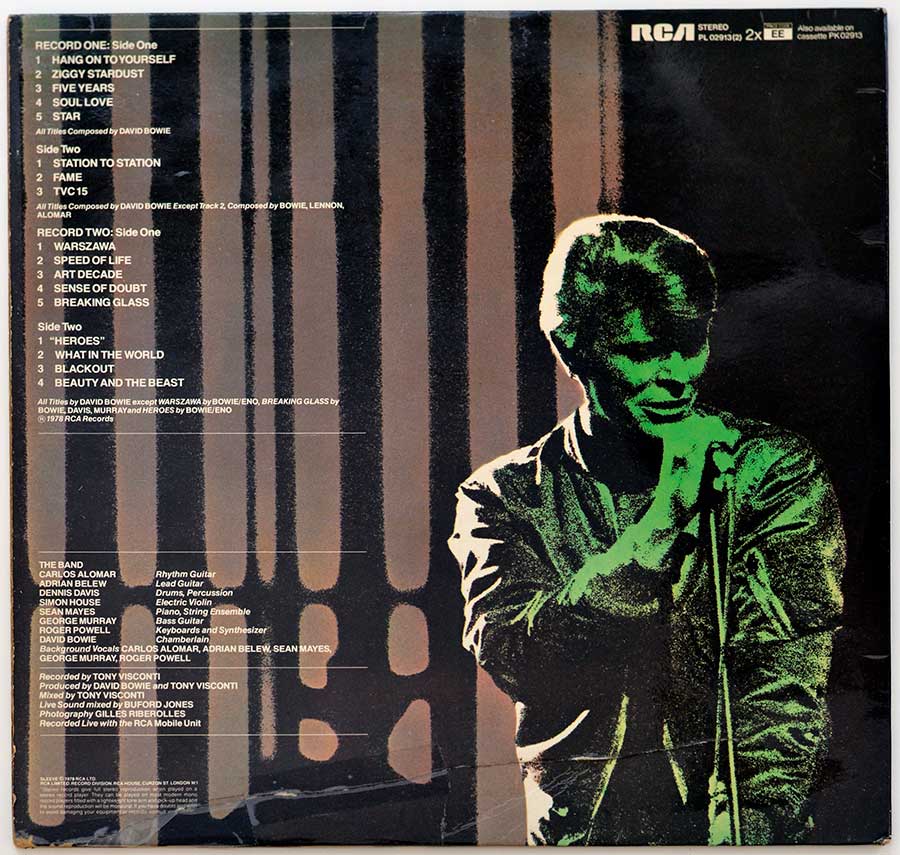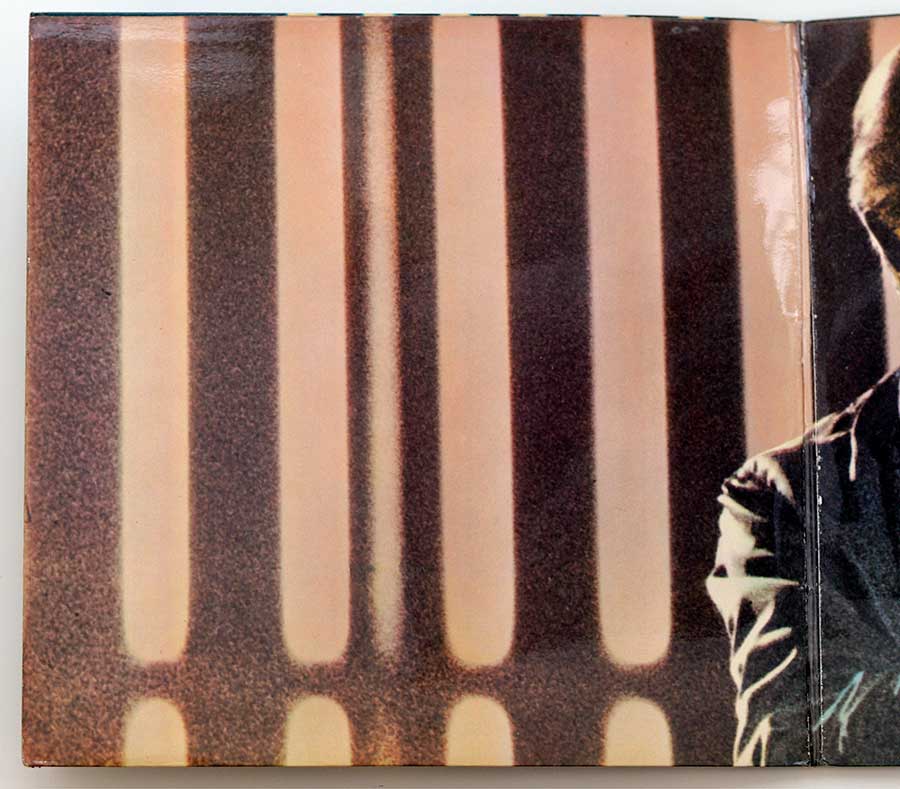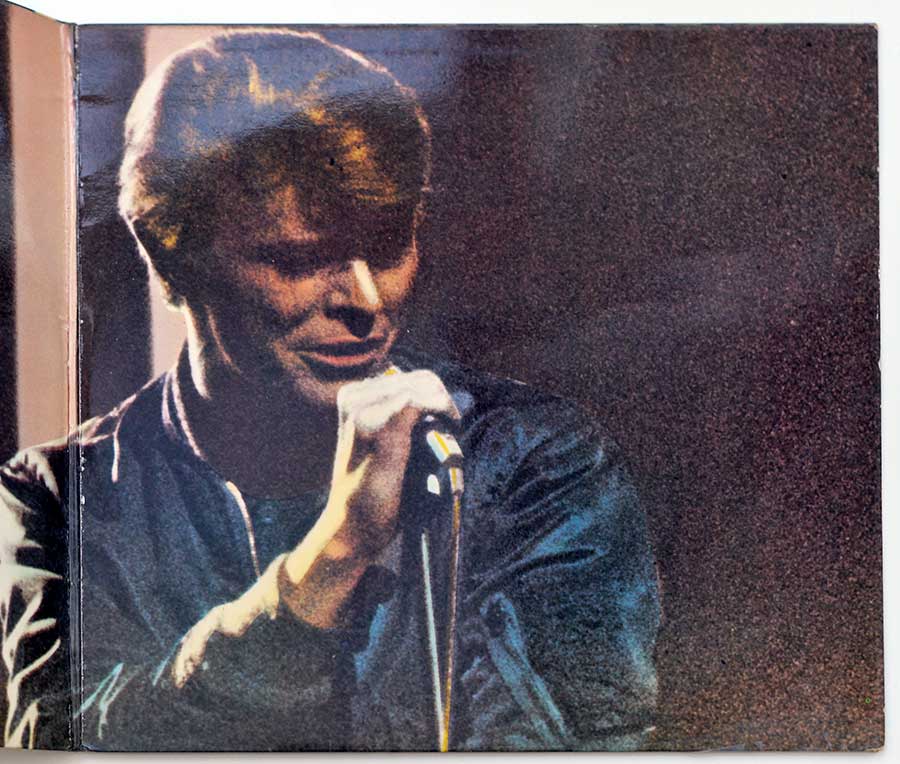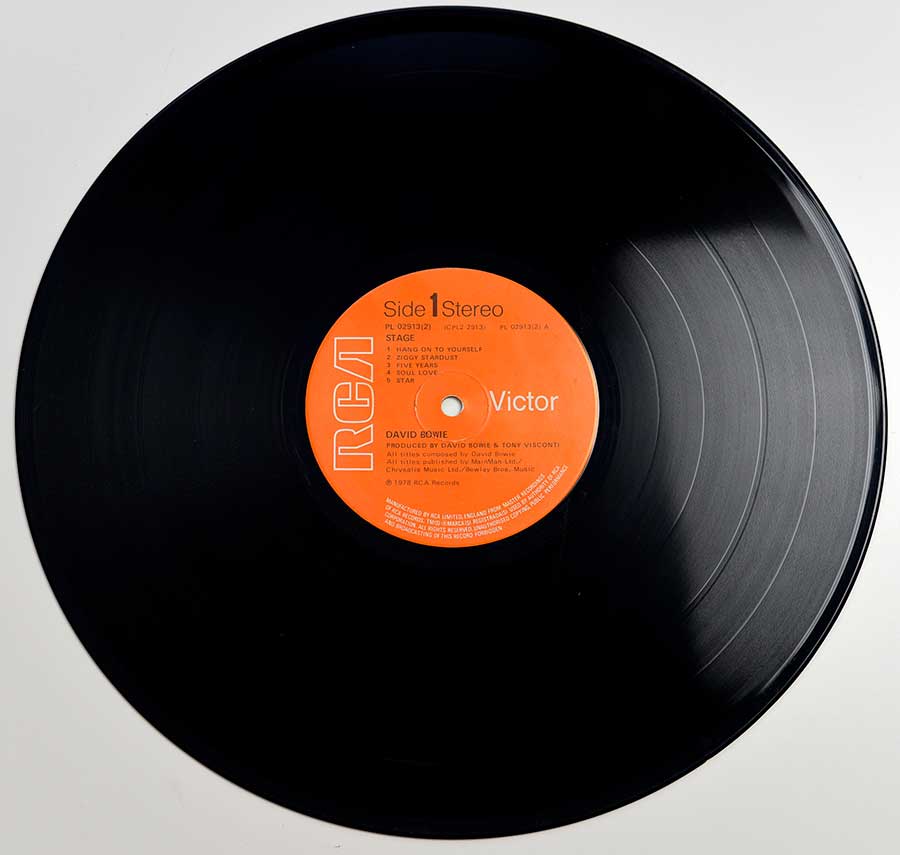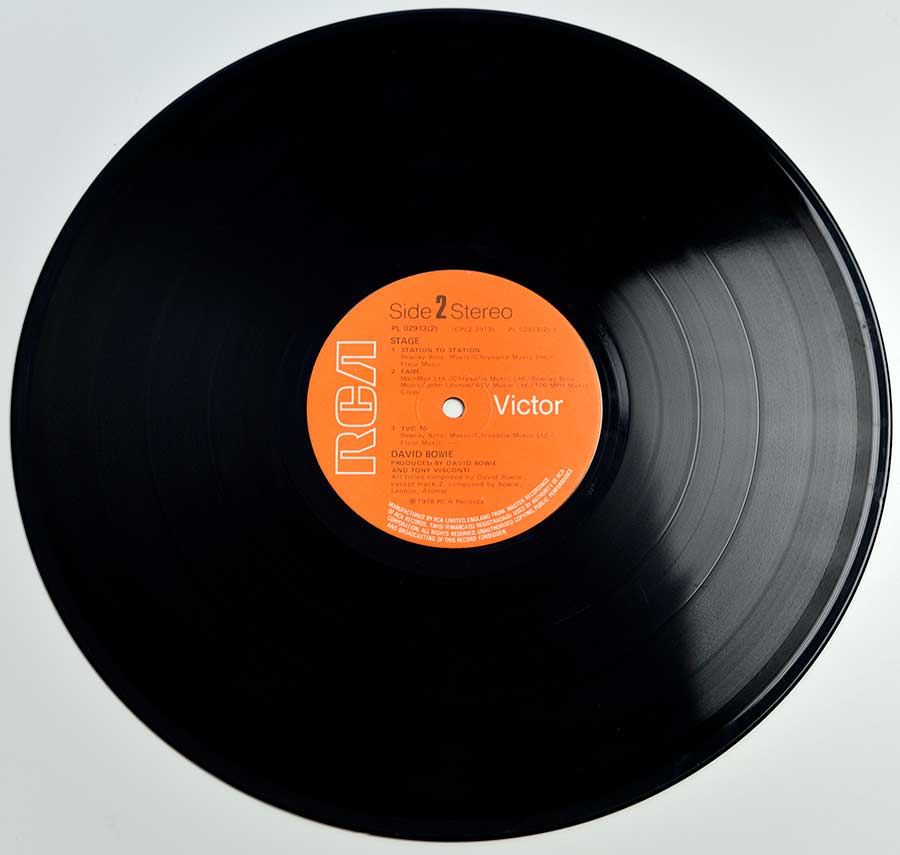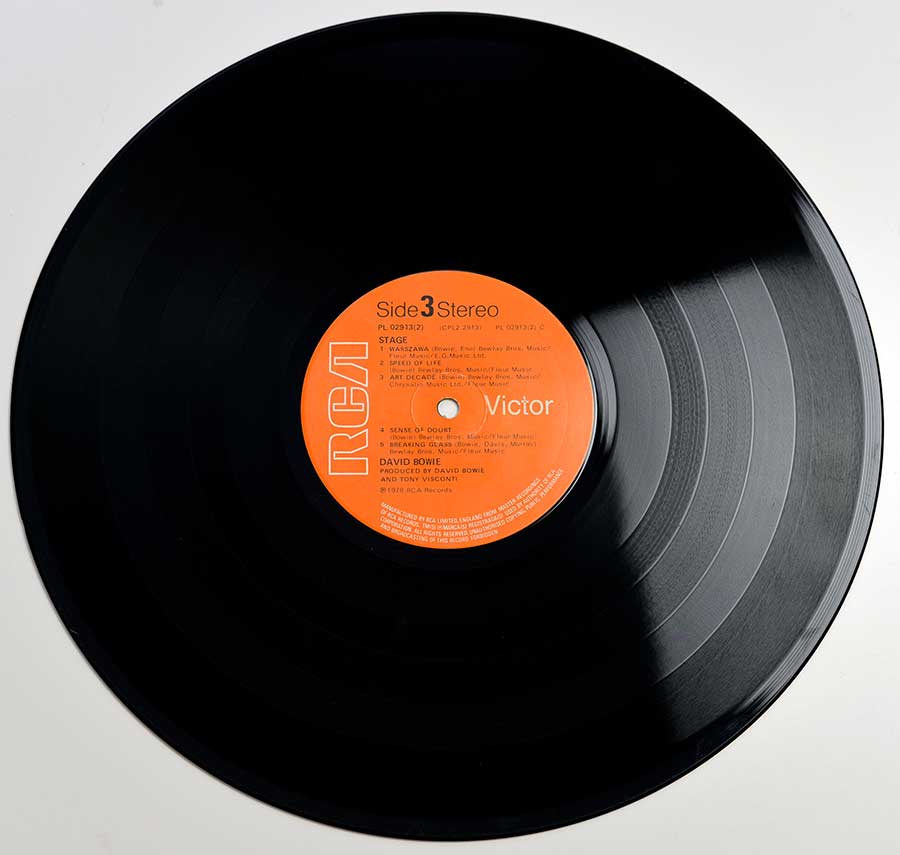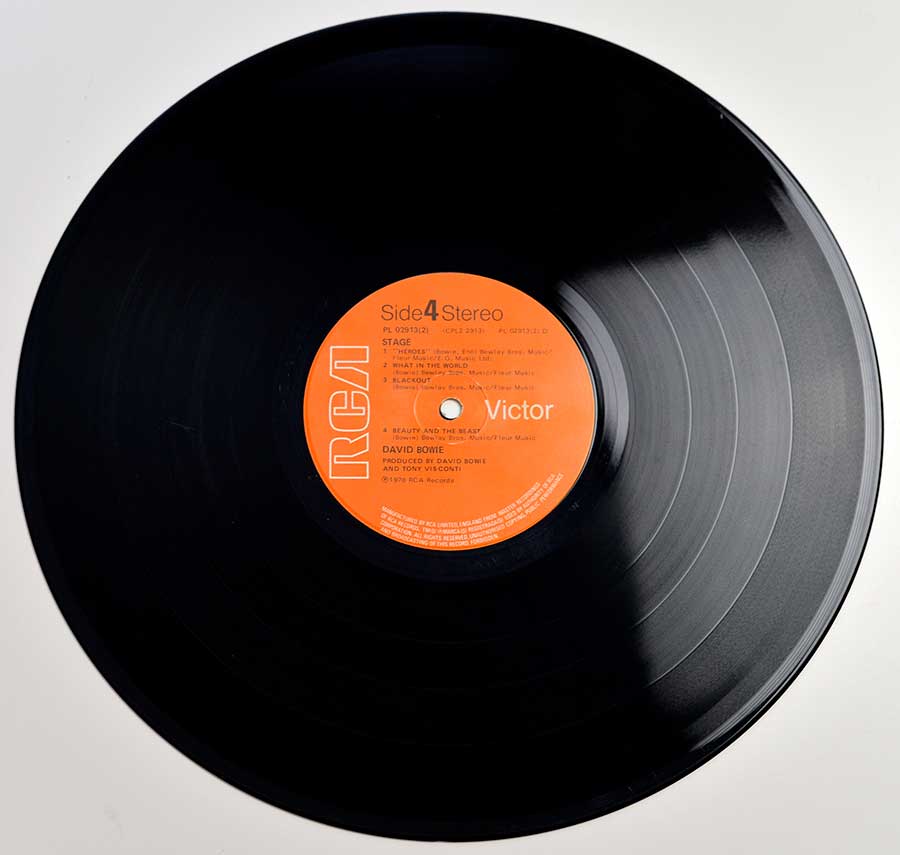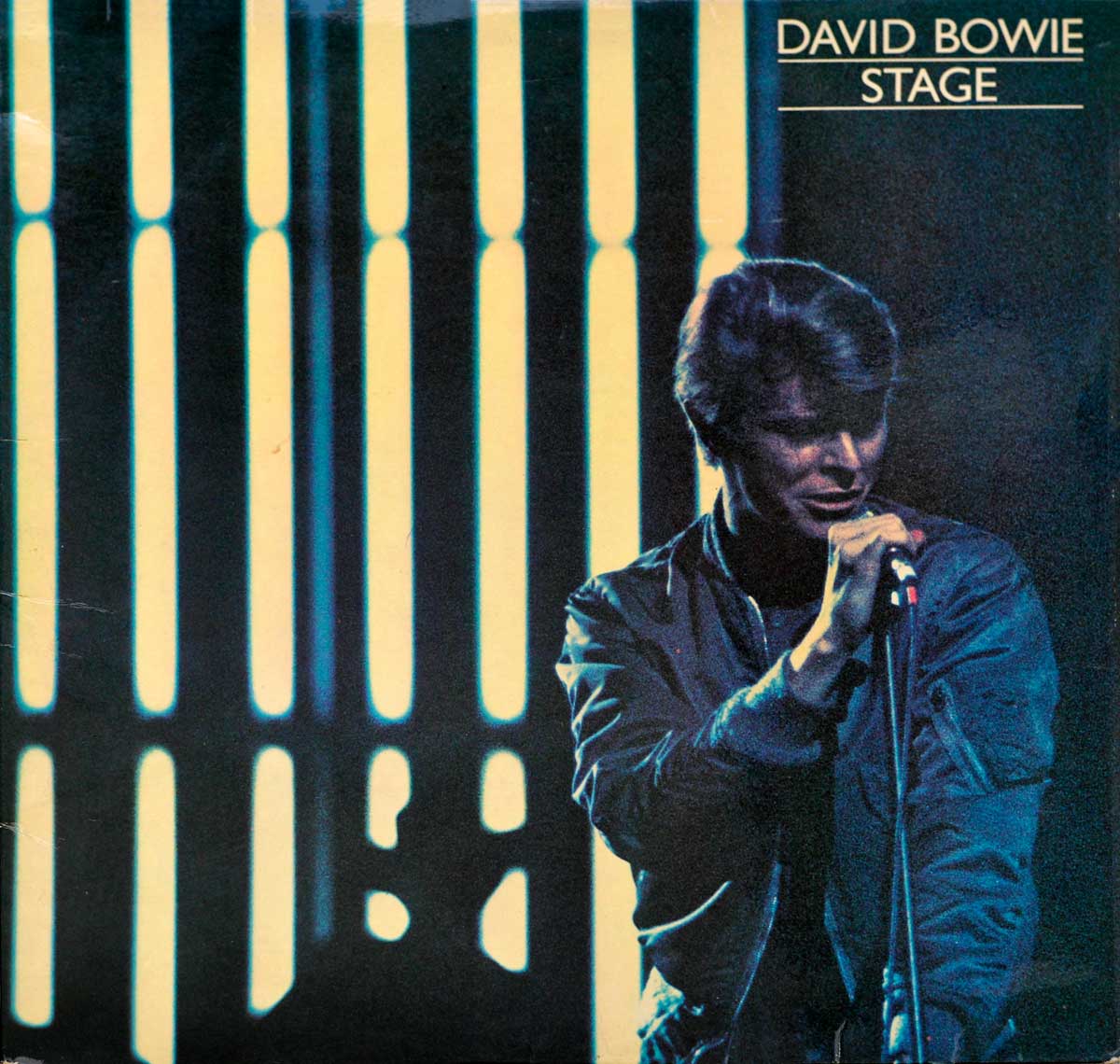
"Stage" (1978) Album Description:
"Stage" is Bowie in 1978 doing the risky thing: dragging the Berlin-era chill into an arena and making it behave like rock and roll again. It hit hard enough to climb to #5 in the UK (and #44 in the US), which is impressive for a double live album that opens the door with tension instead of charm.
1978: what was in the air
Britain in '78 felt twitchy. Punk had already smashed the window, and now everyone was standing in the cold draft deciding what to build next. The clubs were sharp, the headlines were loud, and the old “rock star” idea was starting to look like a costume you wore ironically.
Bowie, naturally, did not join the queue. He shows up here like a man stepping out of a different movie, taking the new nervous energy and pointing it straight at the big rooms.
Where this record actually comes from
"Stage" was taped on the 1978 World Tour (Isolar II), pulled from nights at The Spectrum in Philadelphia (28 and 29 April), Providence Civic Center (5 May), and Boston Garden (6 May). That matters because you can hear the scale: the sound has to travel. The arrangements are built to cut through distance.
How it feels on the needle
The attack is clean, not cozy. The tempos have that late-70s forward lean, like the band is keeping a tight grip on the wheel while the scenery blurs. There is space in the mix where most live albums shove another guitar. It breathes. It stalks.
When "Warszawa" hangs in the air, it is not “mystical.” It is cold lighting and a long hallway. When "Heroes" lands, it does not beg for your emotions; it dares you to have them. And when he swings into "Station to Station," the whole thing feels like steel rails under speed.
Peer context: who else was circling the same fire
In 1978 you could feel multiple tribes tugging rock in different directions. Bowie’s move here sits somewhere between:
- The Clash and the punk aftershock (urgency, blunt force, no patience)
- Talking Heads (art-school nerves with a groove you cannot unhear)
- Roxy Music (style as a weapon, glamour with sharp corners)
- Kraftwerk (machine precision and modern dread)
- Genesis and Yes (the “big statement” tradition, polished and ambitious)
"Stage" is not trying to out-prog prog. It is trying to make the modern, angular studio mood survive contact with an arena crowd.
The people who made it work
David Bowie and Tony Visconti produced it, but Visconti is the practical engine: he recorded it with the RCA Mobile Unit, mixed it, and kept the sound from turning into the usual live-album fog. Buford Jones handled the live sound mix, which is where a lot of live records either win or die.
The band is a tight machine with personality: Carlos Alomar (rhythm guitar) and the Murray/Davis rhythm section lock it down; Adrian Belew adds the bright, nervous bite; Roger Powell and Sean Mayes color the edges; Simon House slips in that electric violin sting. Background vocals are handled by the band itself, which keeps the whole thing feeling like one moving organism instead of “star plus hired hands.”
Cover, delay, and the only real drama
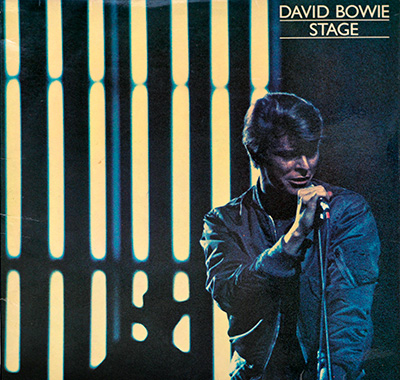
There is no scandal here, no courtroom nonsense, no tabloid meltdown baked into the grooves. The real story is more Bowie than scandal: the UK release was delayed so he could change the cover after seeing an unauthorized photo by Gilles Riberolles that he liked too much to ignore. That is the kind of “controversy” you get from a man who treats presentation like part of the music.
One quiet anchor
I always picture this one in a late-night record shop bin: fluorescent light, sleeve edges worn, and that moment you realize you are buying a live album because you want proof the songs can stand up in public.
"Stage" does not try to be friendly. It walks out under the lights, keeps its spine straight, and lets the crowd chase it for a change. If you want warm nostalgia, look elsewhere. If you want Bowie sharpening the decade into something you can cut yourself on, welcome home.