BLONDIE's Band History
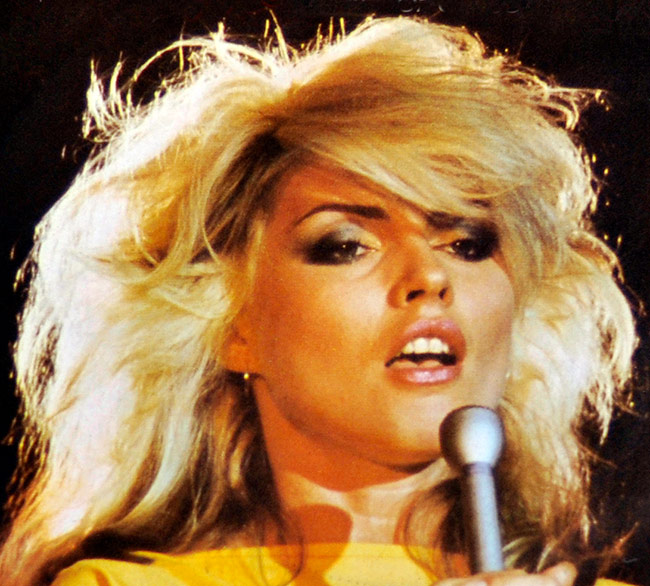
Blondie formed in New York City in 1974, and the timing couldn’t have been ruder or better. Punk rooms wanted purity. Pop wanted polish. Blondie strolled in wearing both and acted like the argument was boring.
The band starts with Debbie Harry and Chris Stein, then the shape firms up fast: Clem Burke driving like he’s late for something, Jimmy Destri adding that bright, streetlit keyboard bite, and (soon after the earliest gigs) Gary Valentine holding the low end. Lineups shifted around the edges, but that early core is the version most people picture when the name “Blondie” hits the brain.
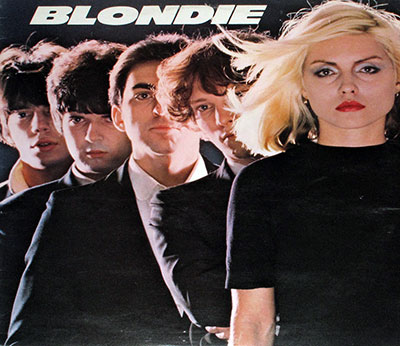
The debut album, "Blondie", landed in December 1976 and it didn’t arrive as some instant American coronation. It felt more like a sharp postcard from downtown—smart, a little dangerous, and not especially interested in begging for radio love. The band had to keep moving, keep playing, keep refining the aim.
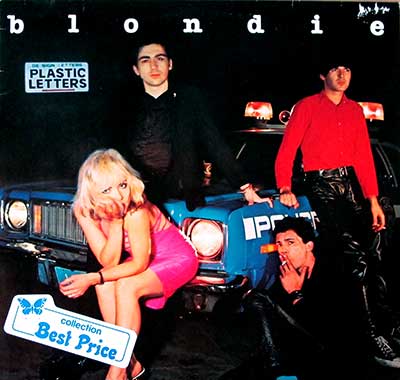
"Plastic Letters" followed in February 1978 (with an earlier Japan version appearing in late 1977), and you can hear them tightening the screws. The songs don’t “blend genres” like a polite tasting menu; they collide them. Punk angles, pop hooks, attitude that doesn’t ask permission.
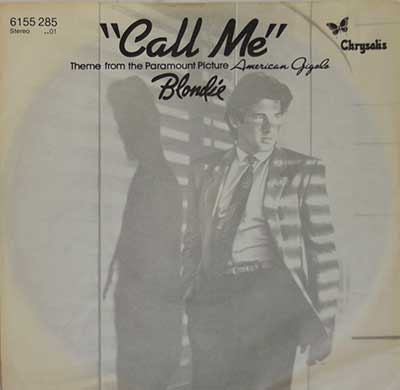
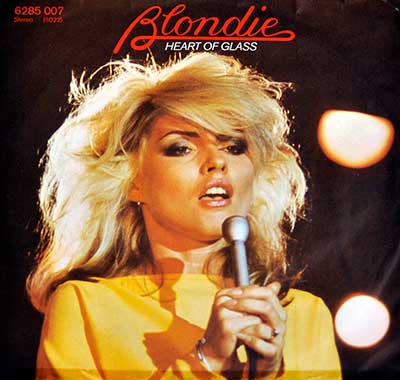
Then "Parallel Lines" in 1978 cracked the whole thing open. When "Heart of Glass" hit as a single in January 1979, it wasn’t just a hit—it's the sound of a band smuggling disco pulse into rock culture and daring anyone to complain. The later run—"Call Me", "The Tide Is High", "Rapture"—kept proving the point: Blondie would rather risk a left turn than repeat themselves for your comfort.
They disbanded in 1982, because bands aren’t machines and New York years take a toll. The 1997 reunion didn’t feel like a nostalgia act so much as an old gang walking back into the room and noticing everybody still flinches. If that bothers anyone—good. Blondie was never built to be background music.