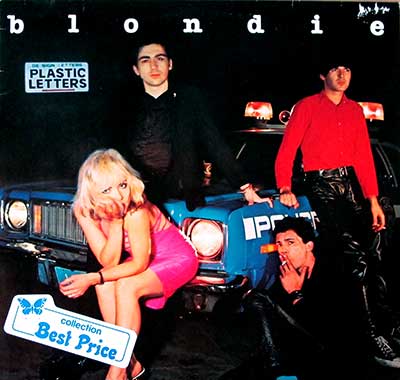
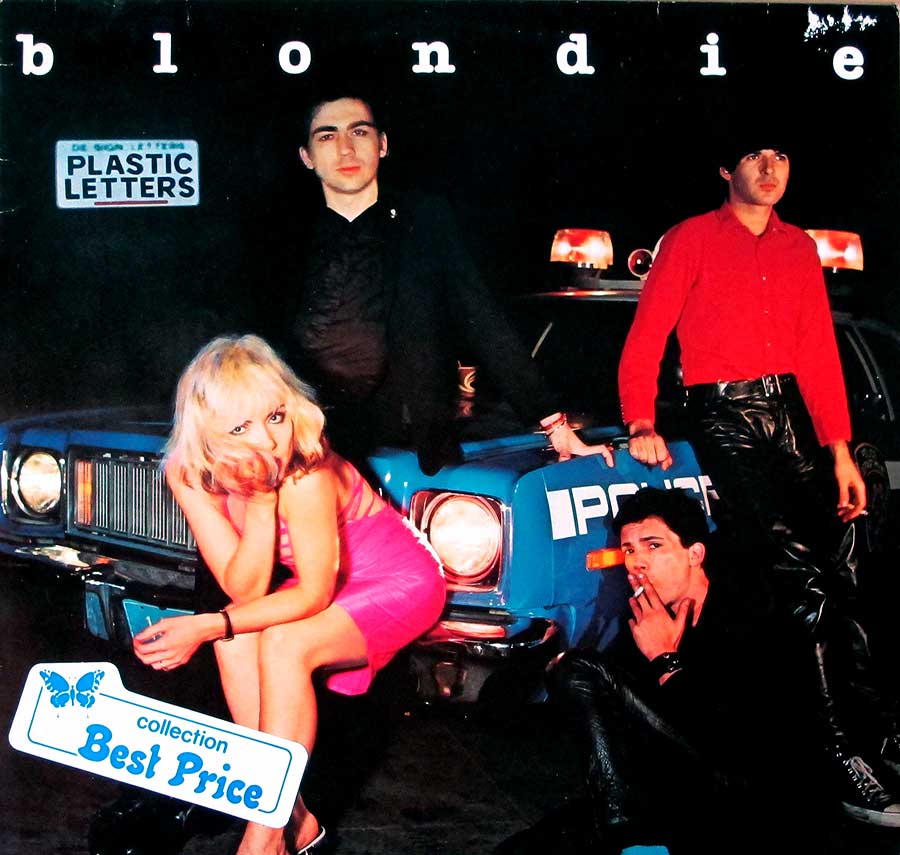
BLONDIE's "Plastic Letters," the second studio album released on 12" LP VINYL in February 1978, is a New Wave masterpiece. Produced by Richard Gottehrer, it features hits like "Denis," a European sensation. The album's dynamic tracklist and iconic visual aesthetic solidify its place in the evolution of American New Wave.,
"Plastic Letters," BLONDIE's second studio album, released on a 12" LP VINYL in February 1978, captures the essence of American New Wave. Produced by Richard Gottehrer, this album solidified BLONDIE's position as pioneers of the genre and stands as a testament to their musical innovation.
Gottehrer's Second Act:
"Plastic Letters" marked the second and final collaboration between BLONDIE and producer Richard Gottehrer. His touch added a unique sonic flavor to the album, contributing to its distinctive sound and standing as a continuation of the successful partnership initiated with their debut.
"Denis" and European Triumph:
One of the standout tracks, "Denis," a cover of Randy & the Rainbows' 1963 hit "Denise," became a European sensation. The infectious energy and Debbie Harry's charismatic vocals propelled the song to hit status across the continent, establishing BLONDIE's global appeal.
Tracklist Dynamics:
"Plastic Letters" boasts a dynamic tracklist, ranging from the punk-infused "Fan Mail" to the infectious pop-rock of "I'm on E." The album showcased BLONDIE's versatility, blending punk grit with catchy melodies and laying the foundation for their future chart-topping success.
Visual Aesthetic:
The LP VINYL format allowed for impactful album art, and "Plastic Letters" capitalized on this. The cover, featuring a captivating image of Debbie Harry, captured the essence of the late '70s New Wave scene, creating an iconic visual representation of the album's sonic identity.
Legacy and Influence:
"Plastic Letters" remains a crucial chapter in BLONDIE's discography. Its influence can be heard in subsequent New Wave and punk-inspired bands. The album's timeless quality and infectious energy continue to resonate with fans, making it a classic in the world of American New Wave.
Music Genre: New Wave, 80s Pop |
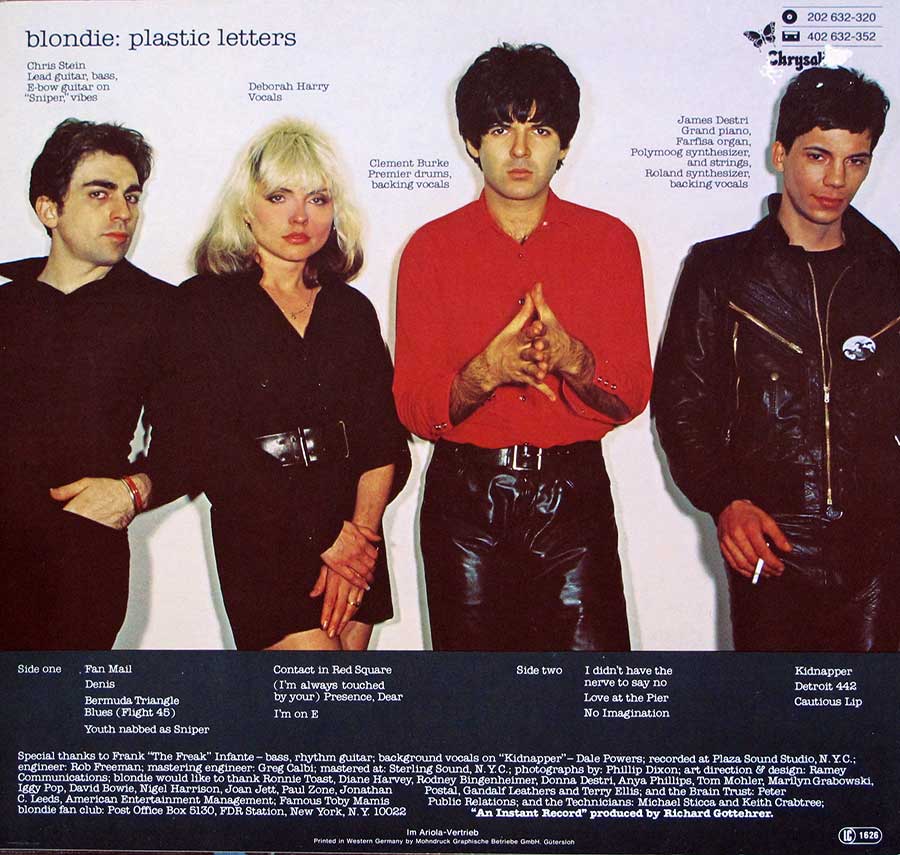
Album Production Information: The album: "BLONDIE - Plastic Letters" was produced by:Richard Gottehrer Sound/Recording Engineer(s): Rob Freeman, Greg Calbi This album was recorded at: Plaza Sound Studios, New York City. Album cover photography: Philip Dixon |
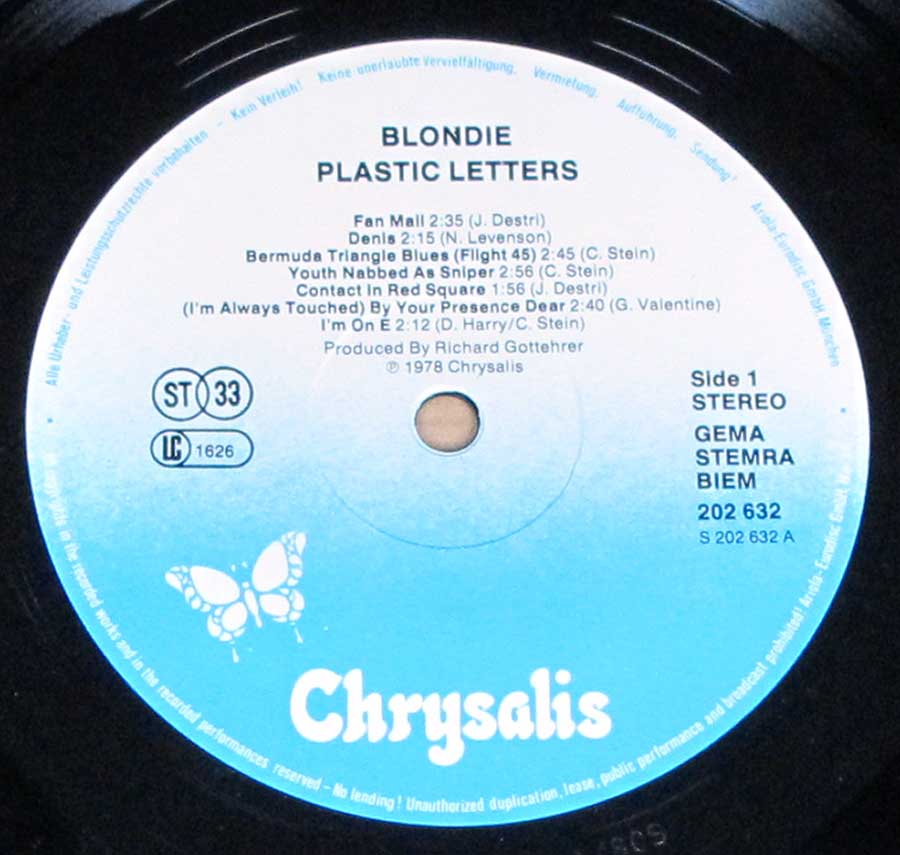
Record Label & Catalognr: Chrysalis 202 632 |
Media Format: 12" LP Vinyl Stereo Gramophone Record Total Album (Cover+Record) weight: 230 gram |
Year & Country: 1978 Made in Holland / Germany |
Personnel/Band Members and Musicians on: BLONDIE - Plastic Letters |
|
Complete Track-listing of the album "BLONDIE - Plastic Letters" |
|
The detailed tracklist of this record "BLONDIE - Plastic Letters" is:
|
Note: The photos on this page are taken from albums in my personal collection. Slight differences in color may exist due to the use of the camera's flash. Images can be zoomed in/out ( eg pinch with your fingers on a tablet or smartphone ).
"Plastic Letter by Blondie" White and Light Blue Colour Chrysalis Record Label Details: Chrysalis 202 632
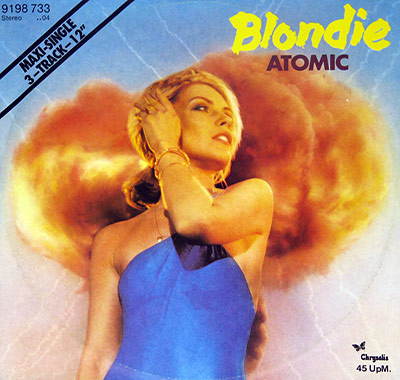
Blondie's "Atomic" 12" Vinyl Maxi-single Disco version, released in 1980, epitomized the band's fusion of new wave and disco. Produced by Mike Chapman, the extended mixes turned it into a discotheque anthem, leaving an indelible mark on the era. With Debbie Harry's vocals and infectious beats, "Atomic" remains a timeless dancefloor classic.
Learn more
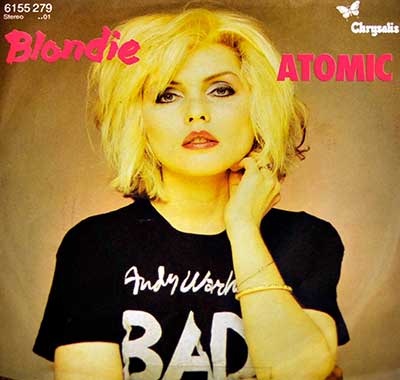
Blondie's "Atomic" European Edition, featuring Debbie Harry in her iconic "Andy Warhol's BAD" T-shirt, is a visual and auditory delight. Released in 1981, this 7" Picture Sleeve Single Vinyl not only adds a European touch to Blondie's global presence but also connects to the hits compilation "The Best of Blondie," making it a collectible gem for fans.
Learn more
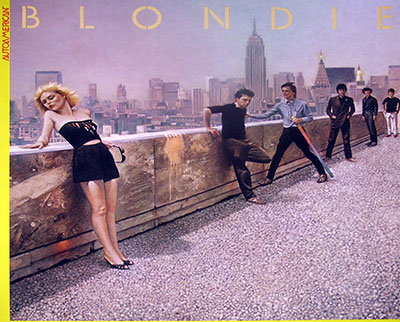
BLONDIE's AutoAmerican, released in 1980 and produced by Mike Chapman, is a genre-defying masterpiece. With hits like "The Tide Is High" and "Rapture," the album's fusion of rock, reggae, jazz, and rap showcased BLONDIE's versatility. Its groundbreaking sound and iconic album art have left an enduring legacy in the realm of musical innovation.n
Learn more
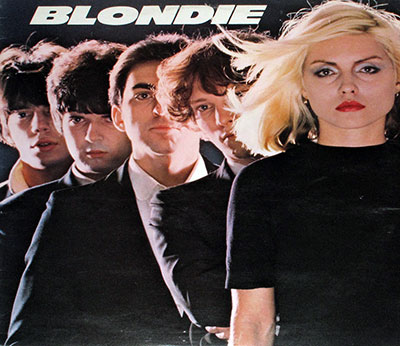
BLONDIE's self-titled debut, a 12" Vinyl LP born in Great Britain, is a cornerstone of the American New Wave movement. Released in 1976, The album's impact resonates through time, solidifying its place as a pivotal moment in music history.
Learn more
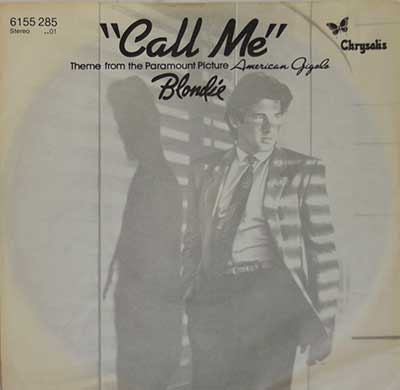
BLONDIE's "Call Me," released in 1980 on a 7" Picture Sleeve Single Vinyl, not only became the band's biggest-selling single but also a chart-topper in the US and the UK. Its role as the American Gigolo theme added cinematic allure, making it a timeless anthem that transcends generations.
Learn more
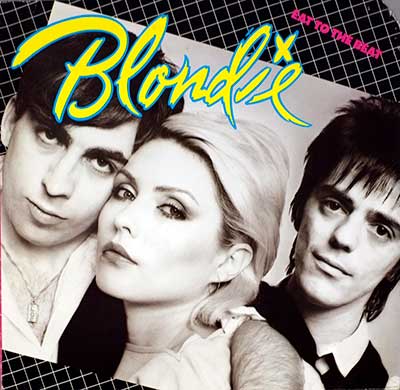
BLONDIE's "Eat to the Beat," the fourth studio album released on 12" LP VINYL in Germany in 1979, is a sonic journey that encapsulates the band's evolution. From the dynamic tracks to the production brilliance of Mike Chapman, the album remains a testament to BLONDIE's influential role in shaping the rock landscape.
Learn more
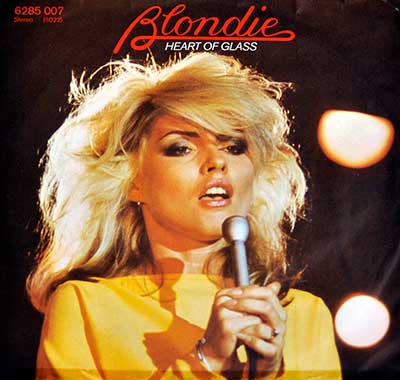
BLONDIE's "Heart of Glass," released on a 7" Picture Sleeve SINGLE VINYL, is a genre-defying anthem that topped charts globally in 1979. From its melodic brilliance to chart-topping triumph, the song remains a cultural touchstone, embodying BLONDIE's innovative spirit and leaving an indelible mark on the New Wave landscape.
Learn more
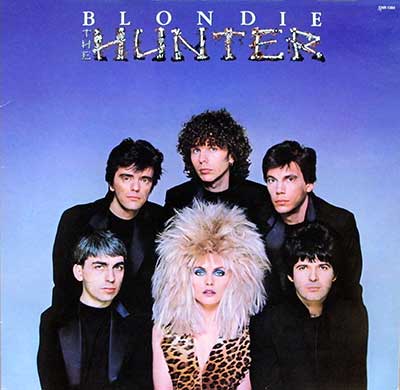
BLONDIE's "The Hunter," released on a 12" LP VINYL in May 1982, signifies the band's musical evolution into New Wave and 80s Pop. Born from the post-solo influence of Debbie Harry's "Koo Koo," the album's diverse tracks and visual aesthetic reflect BLONDIE's ability to adapt and experiment within the ever-shifting musical landscape.
Learn more
BLONDIE's "Plastic Letters," the second studio album released on 12" LP VINYL in February 1978, is a New Wave masterpiece. Produced by Richard Gottehrer, it features hits like "Denis," a European sensation. The album's dynamic tracklist and iconic visual aesthetic solidify its place in the evolution of American New Wave.
Learn more
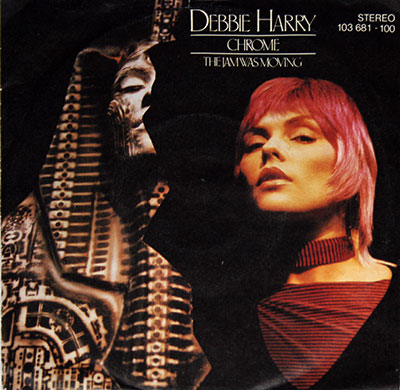
Chrysalis 103 681 , 1981 , Germany
Blondie's 1981 7" vinyl single, "Chrome" b/w "The Jam Was Moving," epitomizes the band's musical evolution. Released on February 20, 1981, this iconic record reflects the dynamic transition from punk to new wave. With pulsating rhythms and Debbie Harry's captivating vocals, the single, encased in a collectible picture sleeve, remains a timeless symbol of Blondie's influence on fashion and music during that era.
Learn more
Chrysalis 203 810 , 1981 , Germany
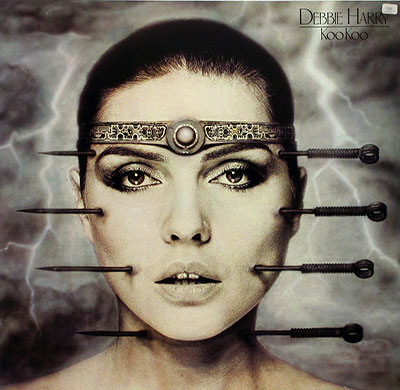
Debbie Harry's solo album "KooKoo" showcased her versatility and experimental spirit. The 12" LP vinyl album featured striking artwork by H.R. Giger, renowned for his surreal and macabre style. Giger's dark visuals perfectly complemented the album's eclectic sound, creating a captivating experience for fans. "KooKoo" stands as a testament to Debbie Harry's fearless exploration of artistry and her ability to push boundaries.
Learn more