WASP THE LAST COMMAND - 12" Vinyl LP Album

- Netherlands Release with Custom Inner Sleeve

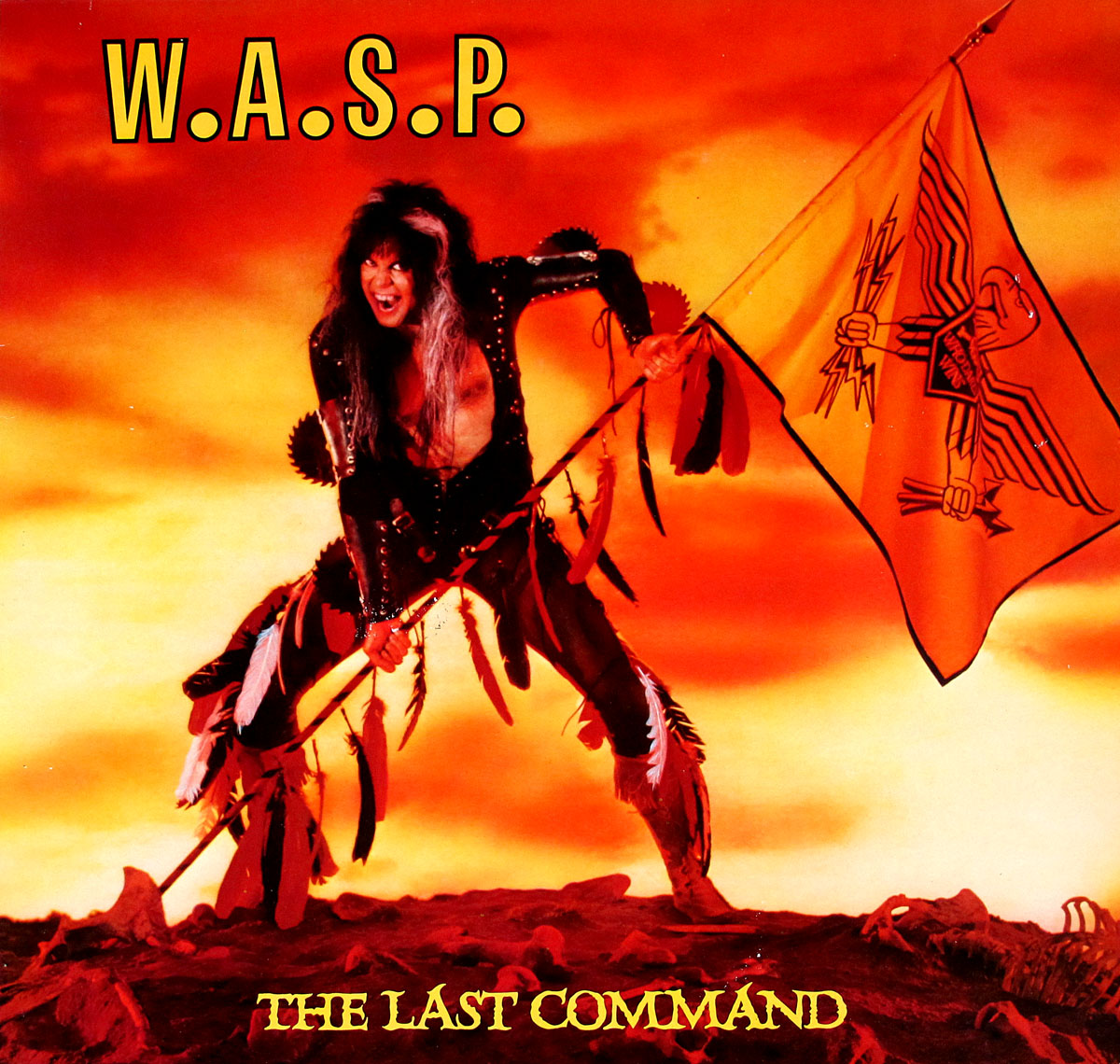
Album Front Cover Photo of WASP THE LAST COMMAND - Visit: https://vinyl-records.nl/

"The Last Command" (1985) captures W.A.S.P. at their most explosive, recorded at The Pasha Music House in Hollywood under producer Spencer Proffer. This Netherlands pressing comes with a custom inner sleeve and that classic mid-80s bite: tight, glossy, and mean enough to leave a mark. Tracks like "Wild Child" and "Blind in Texas" blast with arena-ready polish, turning the band’s street-level sleaze into a slice of metal history built to shine and scream.

Table of Contents

"The Last Command" (1985) Album Description:

W.A.S.P. didn’t make "The Last Command" to be subtle, or tasteful, or the kind of record you politely recommend to your in-laws. This is 1985 heavy metal with a fresh coat of Hollywood gloss—mean enough to scare the neighbors, catchy enough to get stuck in your head while you’re pretending you’re above this kind of fun.

Introduction on the band and the album

Coming off a debut that kicked down doors, Blackie Lawless and company used "The Last Command" as the “bigger, louder, sharper” follow-up—more hooks, more polish, and still plenty of teeth. The lineup here—Blackie Lawless, Chris Holmes, Randy Piper, and Steve Riley—sounds like a band that knows exactly what kind of chaos it wants to sell you.

Historical and cultural context

1985 was that sweet spot where metal was splitting into tribes: glam was getting shinier, thrash was getting faster, and everyone was arguing about what “real” meant while turning the amps up anyway. In the middle of it all, W.A.S.P. planted a flag that said “anthem-sized heavy metal, with the paint still wet and the attitude intact.”

How the band came to record this album

The story feels very mid-80s: ambition, momentum, and the need to top yourself before the scene moves on without you. With Spencer Proffer producing and the band recorded and mixed at The Pasha Music House in Hollywood, California, the mission was clear—keep the danger, but make it hit like a billboard-sized chorus.

The sound, songs, and musical direction

Sonically, this record has that “chrome-and-leather” bounce: tight riffs, big drums, and choruses engineered to stick like spilled beer on a club floor. "Wild Child" is the banner-waver—confident, melodic, and built for yelling along without irony. Then "Blind in Texas" shows the band’s knack for turning chaos into a party, like someone spiked the punch with gasoline and everyone cheered.

Underneath the swagger, there’s a surprisingly controlled sense of pacing: the album shifts between street-fight heaviness and that sly, arena-ready swing. "Cries in the Night" adds a darker edge, proving the band could do mood without losing muscle. This isn’t just noise—it’s a calculated blast of drama with riffs doing the heavy lifting.

Comparison to other albums in the same genre/year

In the same year, heavy metal was flexing in different directions—some bands chased radio shine, others chased speed, and a few tried to do both without tearing a hamstring. "The Last Command" sits in that sweet middle lane: aggressive enough for the denim crowd, melodic enough for the kids who still believed in the power of a chorus.

  • "Under Lock and Key" (Dokken, 1985) - slicker and more polished, but less menacing.
  • "Metal Heart" (Accept, 1985) - heavier and more industrial-strength, with a different kind of bite.
  • "Hell Awaits" (Slayer, 1985) - faster and darker, basically a different planet entirely.
Controversies or public reactions

W.A.S.P. existed in that era when loud music and louder image were basically a public service announcement for moral panic. The band’s reputation—stage shock, blunt themes, and the general vibe of “parents won’t love this”—meant people had opinions before the needle even dropped. Some called it trash; plenty of others called it Tuesday and turned it louder.

Band dynamics and creative tensions

You can feel the push-and-pull between raw club energy and the pressure to deliver a “real” follow-up that could survive outside the underground. Blackie Lawless comes across as the gravitational center—steering the songs toward big statements and bigger hooks—while the guitars keep the edges sharp enough to draw blood. That tension is part of the charm: it’s a band balancing danger and accessibility without completely sanding itself down.

Critical reception and legacy

This album has aged like a classic leather jacket: a little scuffed, still intimidating, and somehow still cool even when it’s being ridiculous. The big songs remain gateways for new listeners, while collectors keep coming back for the full ride—the pacing, the attitude, the way it captures an era when metal was both mainstream and still slightly unhinged. And yes, the original custom inner sleeve with lyrics and photos is exactly the kind of detail that makes a vinyl copy feel like a time capsule instead of just “a format.”

Reflective closing paragraph

Decades later, "The Last Command" still hits with that particular 80s confidence—half danger, half showmanship, all volume. It’s the sound of a band sprinting toward the spotlight without dropping the knife it brought to the party. The riffs still smell faintly of beer, sweat, and misplaced optimism—and honestly, that’s kind of the point.
Album Key Details: Genre, Label, Format & Release Info

Music Genre:

Heavy Metal

Label & Catalognr:

Pasha Records / Capitol Records – Cat#: 1A 064.24 0429

Album Packaging

This album includes the original custom inner sleeve with album details, complete lyrics of all songs, and photos.

Media Format:

Record Format: 12" Vinyl Stereo Full-Length Long-Play Gramophone Record
Total Weight: 230g

Year & Country:

1985 – Made in Benelux

Production & Recording Information:

Producers:
  • Spencer Proffer – Producer, label founder (Pasha Records)

    I file him under “the guy who made early-80s hard rock/metal sound like it could punch radio in the face and still get invited back tomorrow.”

    Spencer Proffer is one of those behind-the-glass power players who didn’t need a mic stand to leave fingerprints everywhere. After launching Pasha Records in 1978, he locked into his most famous run with Quiet Riot from 1983 to 1986, producing Metal Health, Condition Critical, and QR III—that whole era where the drums got huge, the hooks got sharper, and the mix sounded like chrome. He also worked with Canada’s Kick Axe on Vices (1984) and co-produced King Kobra on Ready to Strike (recorded 1984, released 1985). In my head, “Proffer-era” equals tight, glossy, arena-ready impact—built to slam on vinyl and still sparkle on FM.

Sound & Recording Engineers:
  • Hanspeter Huber – Sound and Recording Engineer

    The steady hand keeping the tape rolling while the band swings for the fences.

    Hanspeter Huber, credited here as sound and recording engineer, is the person making sure the performances land with weight and clarity—drums punching, guitars biting, and Blackie Lawless sitting dead center without losing the grime. Tracking a band like W.A.S.P. means turning a loud room into a controlled explosion, capturing takes that feel dangerous but still translate cleanly to vinyl. That tight, “hits-you-first” impact doesn’t happen by accident; it gets engineered.

  • Steve Hall – Sound and Recording Engineer

    The detail-obsessed ears that keep the whole thing from turning into a fuzzy bar fight.

    Steve Hall’s credit sits right where it matters: the final sonics that make "The Last Command" feel finished, focused, and ready for maximum volume without collapsing into mush. The work here is all about presentation—keeping fast parts from smearing, letting riffs cut with a clean edge, and making sure the grooves stay punchy instead of becoming a fog bank. The end result is metal that hits hard, stays readable, and doesn’t beg to be “fixed” by the listener’s tone knob.

Recording Location:
Recorded at The Pasha Music House – Hollywood, California
Mixing Studio & Location:

The Pasha Music House – Hollywood, California

Studios:
  • The Pasha Music House – Recording & Mixing Studio (Hollywood, California)

    Hollywood’s pressure-cooker where raw club heat gets turned into record-ready steel.

    The Pasha Music House, where this album was recorded and mixed, is the reason the sound feels big instead of blurry—space around the drums, bite in the guitars, and a vocal image that stays locked in place even when the band goes full throttle. A good room doesn’t write riffs, but it decides how they hit: how the kick punches, how the guitars stack, and how the whole mix holds together when everything is loud on purpose. That “Hollywood polish with street-level snarl” vibe is baked into this record from the walls outward.

Additional Credits:
Additional backing vocals on "Running Wild in the Streets" by Carlos Cavazo and Chuck Wright of Quiet Riot.

Band Members / Musicians:

Band Line-up:
  • Blackie Lawless – Vocals, Bass

    The ringleader voice and low-end backbone that makes this record sound like a dare, not a suggestion.

    Blackie Lawless, on vocals and bass, drives "The Last Command" with that barked authority that sounds half sermon, half street fight. The bass isn’t just “there”—it locks the groove into place so the riffs hit like a marching boot, especially when the choruses open up and the band goes full arena-sized. Every hook here feels built around his phrasing: snarl when it needs menace, swagger when it needs shine, and a sense of control that keeps the album’s chaos sounding deliberate.

  • Chris Holmes – Guitars

    Lead guitar with a nasty grin—sharp lines, chunky bite, and solos that don’t ask permission.

    Chris Holmes, on guitars, brings the album’s most teeth-bared moments—wide, crunchy rhythm tones and leads that cut through the mix like broken glass in stage lights. The playing balances groove and aggression: riffs stay memorable, but the attitude stays filthy, which is exactly what keeps "Wild Child" and "Blind in Texas" from turning into “just” catchy metal. The solos feel like short, violent speeches—fast enough to sting, melodic enough to remember.

 
  • Randy Piper – Guitars, Vocals

    The second guitar layer that thickens the wall of sound and helps the choruses feel bigger than the room.

    Randy Piper, handling guitars and vocals, is the glue in the riff stack—reinforcing the rhythm attack so the album stays thick, punchy, and confidently loud. Those doubled guitar parts are what make this record feel “stadium-ready” without losing its alleyway edge, especially when the riffs have to carry the chorus like a battering ram. The vocal contribution matters too: backing lines and gang-style energy help the refrains land with that 80s “sing it with your fist in the air” effect.

  • Steve Riley – Drums, Vocals

    The engine room—tight enough to keep the grooves stomping, loud enough to make the snare feel like a threat.

    Steve Riley, on drums and vocals, gives "The Last Command" its forward shove—steady, hard-hitting time that keeps the riffs swinging instead of rushing. The kick-and-snare punch is a big part of why the album feels physical on vinyl; fills are placed for momentum, not showing off, and the grooves stay locked even when the band turns the adrenaline up. Vocal support adds extra muscle to choruses, reinforcing that rowdy, live-in-the-room vibe.

Complete Track-listing:

Tracklisting Side A:
  1. Wild Child
  2. Ballcrusher
  3. Fistful of Diamonds
  4. Jack Action
  5. Widowmaker
Video: W.A.S.P. - Wild Child - HQ
Tracklisting Side B:
  1. Blind in Texas
  2. Cries in the Night
  3. The Last Command
  4. Running Wild in the Streets
  5. Sex Drive
Video: W.A.S.P. - Blind In Texas Official Video

Disclaimer: Track durations shown are approximate and may vary slightly between different country editions or reissues. Variations can result from alternate masterings, pressing plant differences, or regional production adjustments.

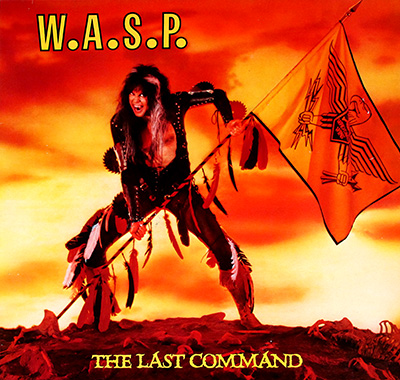
Album Front Cover Photo
Front cover photo of W.A.S.P. "The Last Command" (12" vinyl LP, Netherlands release): a shock-metal person staged like a warlord icon stands wide-legged on dark rocky ground under a hyper-saturated red-orange sky, gripping a long spear decorated with hanging feathers and straps while hauling up a bright yellow flag marked with a bold black winged lightning emblem; the huge "W.A.S.P." title sits at the top and "THE LAST COMMAND" anchors the bottom, built to dominate a record rack at first glance.

Front Cover photo of "The Last Command" by W.A.S.P., shown as a Netherlands 12-inch vinyl LP sleeve image designed to hit like a warning siren in a record-store bin.

The whole scene is staged at maximum volume: a sky blasted with hyper-saturated reds and oranges, fading into yellow near the horizon like the world is permanently stuck at the moment right before something explodes. No gentle gradients, no soft mood lighting, just a heat-heavy backdrop that reads as apocalyptic on purpose. The ground below is dark and rough, a low ridge of rocks and debris that looks hostile and barren, giving the figure a “claimed territory” platform rather than a normal landscape.

Dead center stands a single person posed as a mythic warlord icon instead of a realistic performer. A wide-legged stance locks the body into the frame like a human exclamation mark: knees bent, torso leaning forward, shoulders squared, and the face turned straight toward the viewer with a feral, confrontational expression. Long dark hair with a lighter streak whips around the head, adding to the sense of staged chaos. This isn’t a candid photo pretending to be natural; it’s a deliberately frozen moment of power.

The outfit is pure ritualized shock-metal armor: black leather, heavy studs, spikes, and dangling fringe that includes feather-like elements. Everything about it is designed for impact, not comfort or subtle detail. The arms and shoulders look bulked up by the costume’s construction, making the silhouette more intimidating. No refinement, no elegance, just attitude turned into clothing and hardware.

A long spear is planted into the ground and gripped with intent, its shaft decorated with hanging feathers and straps that push the whole scene deeper into symbolic territory. In the other hand, a bright yellow flag cuts diagonally across the right side of the cover like a battle standard being dragged into position. Printed on the flag is a bold black emblem: a stylized winged figure clutching lightning bolts, reading as cult signage rather than decoration, the kind of symbol meant to be recognized instantly from across the room.

Typography seals the deal in big, blunt commands. W.A.S.P. appears at the top in oversized yellow letters outlined in black, engineered for contrast against the burning sky. THE LAST COMMAND sits at the bottom in a jagged, aggressive font that feels carved rather than written, reinforcing the idea that this cover isn’t here to be tasteful or polite. From a vinyl-collector perspective, this is exactly the kind of front cover that dominates shelf space: loud colors, hard staging, clear iconography, and a confrontational pose that dares the viewer to put it back without reacting.

Album Back Cover Photo
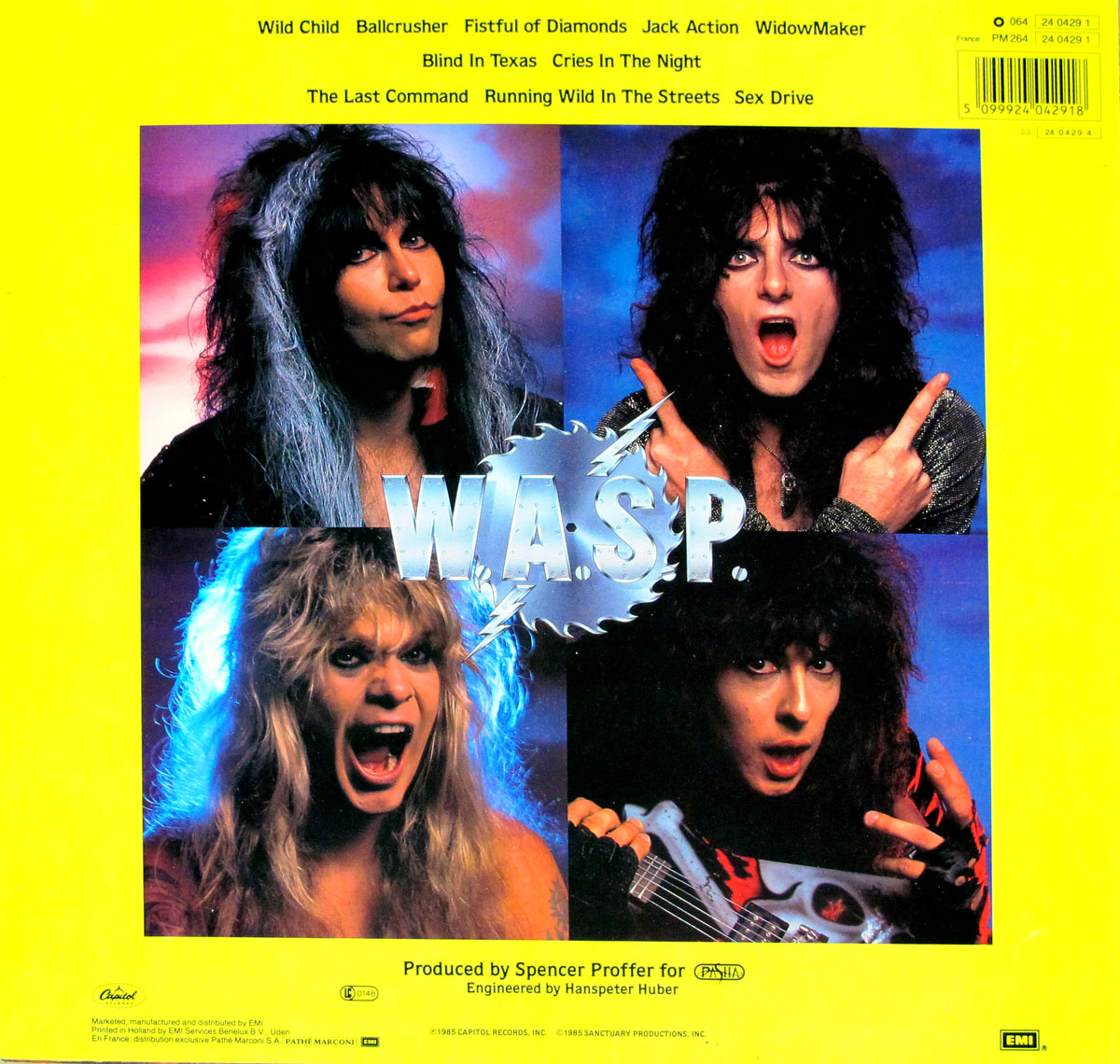
Back cover of W.A.S.P. "The Last Command" (12" vinyl LP, Netherlands): a bright yellow sleeve backs a 2x2 grid of band portrait photos with dramatic hair, heavy eye makeup, and loud expressions; the metallic W.A.S.P. logo sits over the center seam, track titles run across the top, a barcode and catalog markings appear at upper right, and production credits plus label logos line the bottom.

Album Back Cover Photo view from "The Last Command" by W.A.S.P., presented like a neon warning label: a full-frame, high-impact yellow sleeve built to scream from the record rack instead of blending into the polite background noise.

That yellow field is not a subtle design choice, it’s a takeover. Across the very top, the back cover prints the track titles in a clean, readable line-up, turning the upper margin into a quick-scan checklist for anyone standing over the bin with impatient hands. At the top-right corner, a barcode block and multiple catalog/format markings are printed in a tidy, boxed layout, adding that unmistakable “real-world release artifact” vibe collectors look for when checking editions and pressings.

The center is a staged four-panel band portrait grid, arranged like a comic-book splash page of faces and attitude. Each quadrant shows a different close-up against saturated studio-color backdrops—purples, blues, and reds—so the whole collage feels electrically lit rather than naturally photographed. Hair dominates the frame in every panel: big, teased, and weaponized into a silhouette that’s doing half the talking before any expression even lands.

Top-left: a person with long dark hair and a light streak draped through it, wearing heavy eye makeup and holding a cool, slightly sideways expression—more controlled menace than friendly smile. Top-right: a person with black hair and dramatic makeup, mouth open as if shouting, arms raised with both hands making an unmistakable rude gesture straight at the viewer; subtlety gets thrown out of the window and then the window gets set on fire. Bottom-left: a person with long blond hair, mouth wide open in a full-volume yell, lit with a bright blue edge light that makes the hair and face pop like stage lighting. Bottom-right: a person with dark hair and intense eye makeup, also mouth open in a shout, with the neck/body edge of an electric guitar visible in the foreground, pushing the image from “photo collage” into “band-in-your-face” territory.

Right across the middle seam sits the metallic W.A.S.P. logo, centered like a badge stamped over the grid, complete with a jagged lightning/metal motif that reinforces the aggressive branding. The bottom margin turns practical and official: production and engineering credits are printed (including Produced by Spencer Proffer and Engineered by Hanspeter Huber as shown), alongside record-company logos and fine-print manufacturing/distribution text—exactly the sort of detail that matters when documenting a specific Netherlands sleeve version.

Everything about this back cover is confrontation over beauty: bright color fields, loud facial expressions, and a layout that dares the viewer to look away. A tiny personal note from the collector corner of the brain: every one of these people looks like a haircut would be considered an act of surrender, and surrender is clearly not on the tracklist.

First Photo of Custom Inner Sleeve
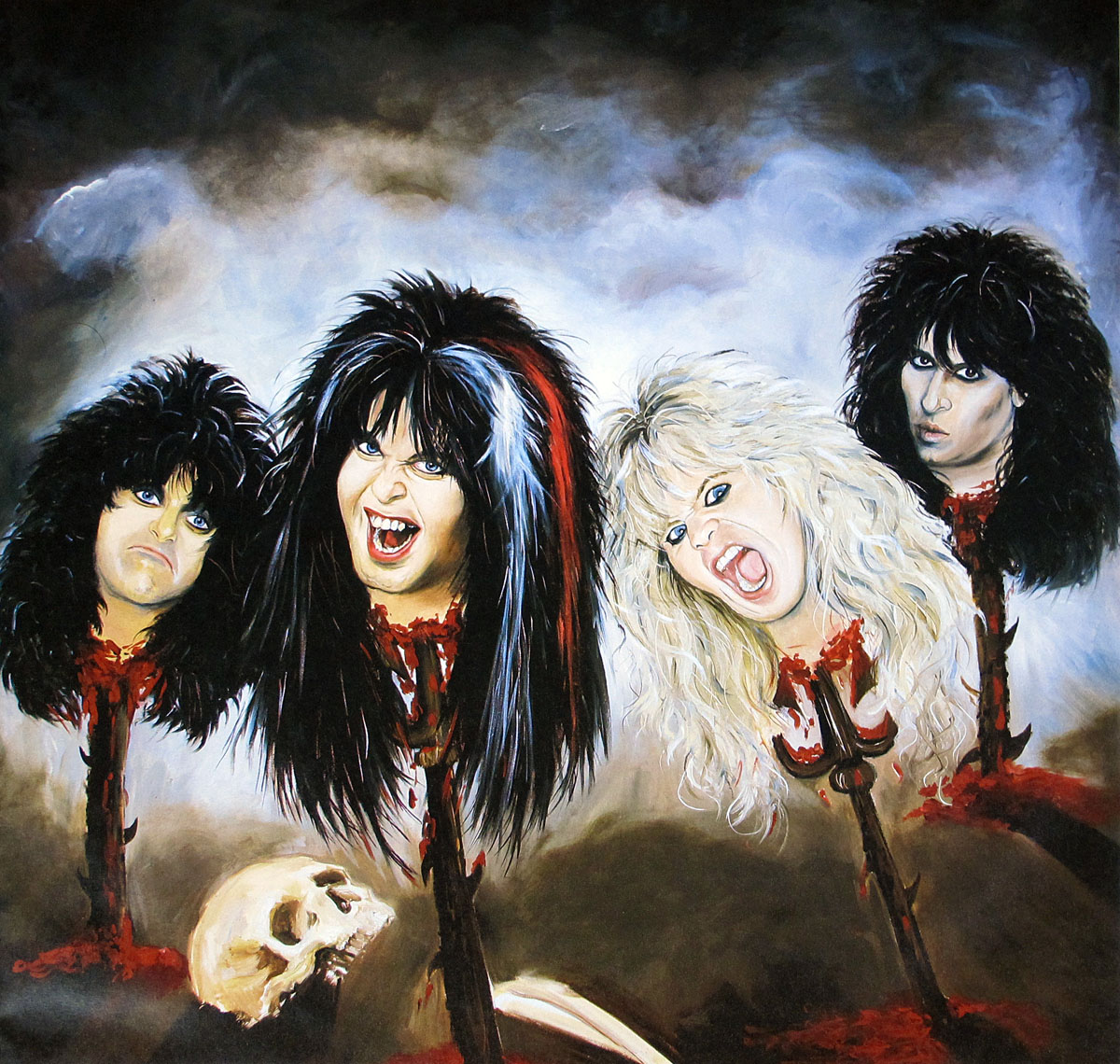
Custom inner sleeve artwork photo from W.A.S.P. "The Last Command" (12" vinyl LP, Netherlands): a painted scene shows four band-like portrait heads with huge teased hair and heavy eye makeup, mounted on dark stakes with bloody neck stumps, rising from smoky gray clouds above a dirt-brown ground; a pale skull and bone lie in the lower left, turning the whole image into a shock-horror tableau meant to hit hard in a vinyl gallery.

Custom Inner Sleeve artwork photo from "The Last Command" by W.A.S.P., captured as a full-frame view of the sleeve’s nastiest visual punch.

This image doesn’t do “nice” or “subtle.” Four painted heads dominate the composition, each rendered with dramatic 1980s hair volume and heavy, dark eye makeup, pushed into that larger-than-life shock-metal look. The faces are all different in expression: one stares forward with a hard, unimpressed glare; another is shown with mouth open in a snarl that reads like a shout frozen mid-blast; a third leans into the frame with an exaggerated open-mouthed scream; and the fourth looks out with a colder, watchful expression. The hair colors vary from deep black to lighter, almost platinum tones, with visible streaks and highlights that make the portraits pop against the background haze.

The “mythic warlord” attitude gets translated here into pure horror staging: each head sits atop a dark stake or spike, with the neck area shown as a ragged, bloody stump. Thick red blood is painted around the base of each head and down the stakes, pooling into smeared patches at ground level. The background is a dense field of smoky gray and white clouds, like fog rolling in behind the portraits, while the lower part of the image shifts into earthy browns and muddy shadows, making the heads feel like trophies planted into a battlefield display.

A pale skull and a long bone occupy the lower-left foreground, partially buried and angled toward the center, adding another layer of blunt symbolism: death, threat, and spectacle, presented with zero apology. From a vinyl-collector perspective, this inner sleeve artwork matters because it’s not filler—it’s a full-on statement piece, the kind of printed insert that turns a Netherlands LP package into a complete visual experience instead of just a record in a bag. Everything is deliberately over the top, slightly ridiculous, and dead serious at the same time, designed to stare back from the sleeve and refuse to be ignored.

Second Photo of Custom Inner Sleeve
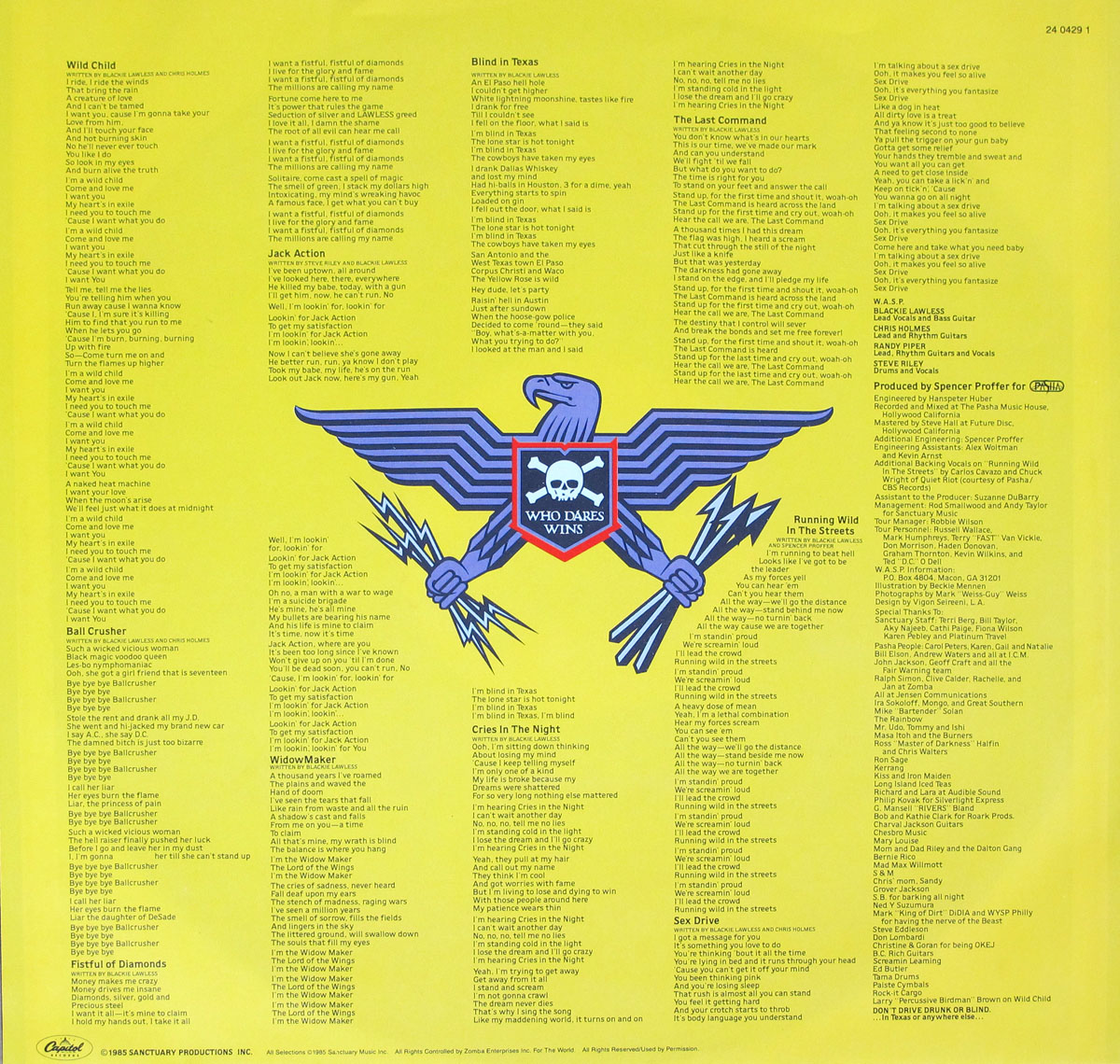
Second custom inner sleeve photo for W.A.S.P. "The Last Command" (12" vinyl LP, Netherlands): a blazing yellow inner sleeve packed with dense, black-printed lyric columns, split into song sections, with a large blue eagle emblem in the center holding lightning bolts and a shield showing a skull-and-crossbones above the words "WHO DARES WINS"; the right side carries the band lineup, production credits, management and tour personnel, plus a long "Special thanks" list, and the bottom line includes the Capitol logo and 1985 copyright/legal text.

Custom Inner Sleeve photo (second view) from "The Last Command" by W.A.S.P., where the sleeve stops pretending it’s “just packaging” and turns into a full-on information wall meant to overwhelm the eyes in the best possible collector way.

The entire background is a hyper-saturated, almost fluorescent yellow field that behaves like a warning sign, not a gentle design choice. Across that yellow, tight black text is packed into multiple lyric columns with song headings, turning the sleeve into a dense, scan-and-verify artifact. From my collector seat, this is the kind of inner sleeve that matters: lyrics, credits, and acknowledgements all printed in one place, with a layout that feels loud, deliberate, and totally unbothered by “minimalism.”

Right through the center, a giant blue emblem steals the scene: a stylized eagle with wide, layered wings, gripping bundles of lightning bolts in both claws. At the eagle’s chest sits a shield outlined in red, showing a skull-and-crossbones above the words WHO DARES WINS. The symbol reads like a hard-stamped unit badge—more cult-standard than cute graphic—so the inner sleeve keeps the same confrontational attitude as the outer artwork, just translated into ink and iconography.

Production team transcript (as printed):
Produced by Spencer Proffer for PASHA
Engineered by Hanspeter Huber
Recorded and Mixed at The Pasha Music House, Hollywood California
Mastered by Steve Hall at Future Disc, Hollywood California
Additional Engineering: Spencer Proffer
Engineering Assistants: Alex Woltman and Kevin Arnst
Additional Backing Vocals on "Running Wild In The Streets" by Carlos Cavazo and Chuck Wright of Quiet Riot (courtesy of Pasha/CBS Records)
Assistant to the Producer: Suzanne DuBarry
Management: Rod Smallwood and Andy Taylor for Sanctuary Music
Tour Manager: Robbie Wilson
Tour Personnel: Russell Wallace, Mark Humphreys, Terry "FAST" Van Vickle, Don Morrison, Hayden Donovan, Graham Thornton, Kevin Wilkins, and Ted "D.C." O'Dell
W.A.S.P. Information: P.O. Box 4804, Macon, GA 31201
Illustration by Beckie Mennen
Photographs by Mark "Weiss-Guy" Weiss
Design by Vigon Seire

Thank you notes transcript (as printed):
Special thanks To:
Sanctuary Staff: Terri Berg, Bill Taylor, Aky Najeeb, Cathi Paige, Fiona Wilson
Karen Pebley and Platinum Travel
Pasha People: Carol Peters, Karen, Gail and Natalie
Bill Elson, Andrew Waters and all at I.C.M.
John Jackson, Geoff Craft and all the Fair Warning team
Ralph Simon, Clive Calder, Rachelle, and Jan at Zomba
All at Jensen Communications
Ira Sokloff, Mongo, and Great Southern
Mike "Bartender" Solan
The Rainbow
Mr. Udo, Tommy and Ishi
Masa Itoh and the Burners
Ross "Master of Darkness" Halfin and Chris Walters
Ron Sage
Kerrang
Kiss and Iron Maiden
Long Island Iced Teas
Richard and Lara at Audible Sound
Philip Kovak for Silverlight Express
G. Mansell "RIVERS" Bland
Bob and Kathie Clark for Roark Prods.
Charval Jackson Guitars
Chesbro Music
Mary Louise
Mom and Dad Riley and the Dalton Gang
Bernie Rico
Mad Max Willmott
S & M
Chris' mom, Sandy
Grover Jackson
S.B. for barking all night
Ned Y Suzumura
Mark "King of Dirt" DIDIA and WYSP Philly for having the nerve of the Beast
Steve Eddleson
Don Lombardi
Christine & Goran for being OKEJ!
B.C. Rich Guitars
Screamin Learning
Ed Butler
Tama Drums
Paiste Cymbals
Rock-it Cargo
Larry "Percussive Birdman" Brown on Wild Child
DON'T DRIVE DRUNK OR BLIND.
...In Texas or anywhere else...

Bottom line (as printed):
Capitol logo at left.
© 1985 SANCTUARY PRODUCTIONS INC.
All Selections ©1985 Sanctuary Music Inc. All Rights Controlled by Zomba Enterprises Inc. For The World. All Rights Reserved/Used by Permission.

Close up of Side One record’s label
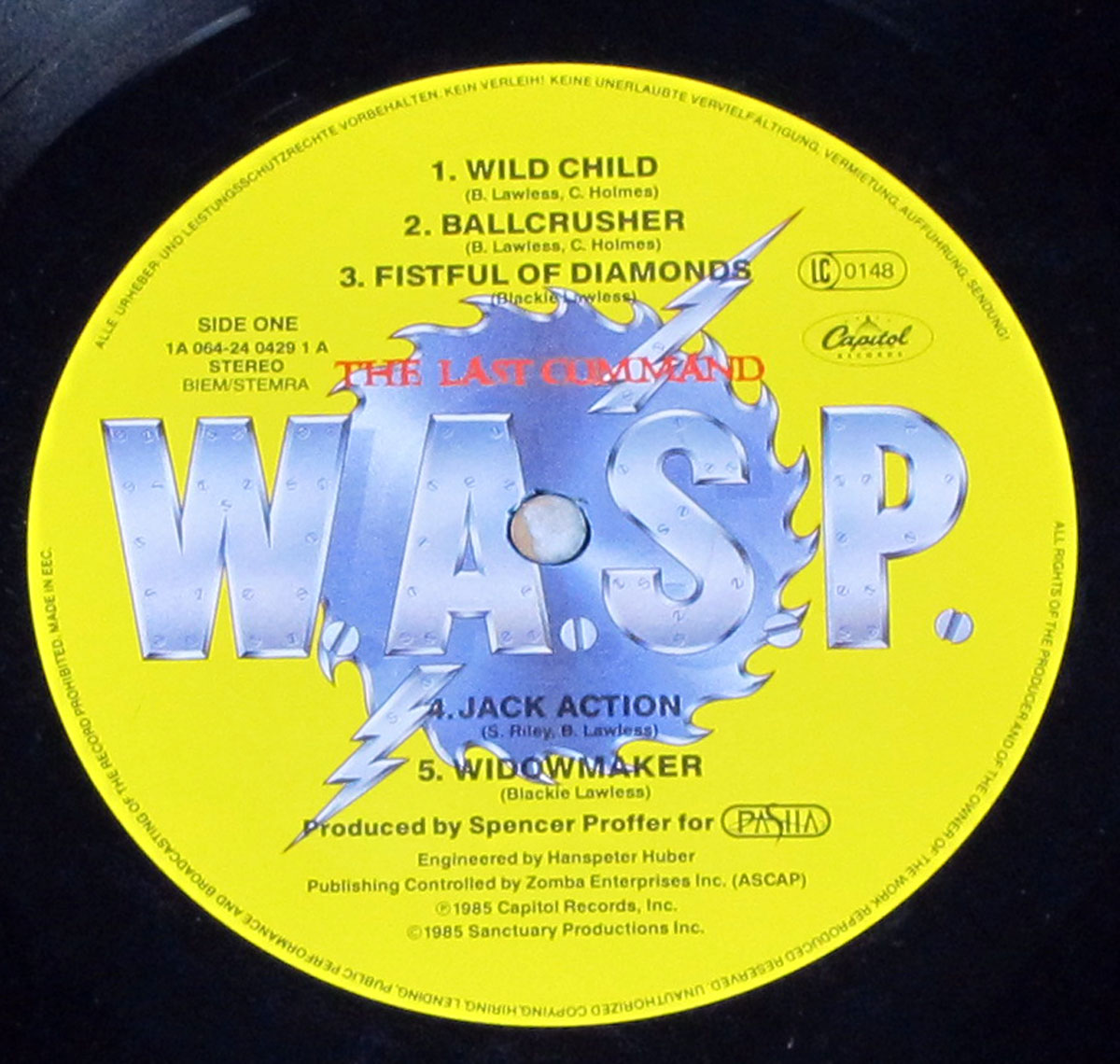
Close up of Side One label for W.A.S.P. "The Last Command": a screaming-bright yellow Capitol label with a huge metallic, riveted W.A.S.P. logo sitting on a jagged blue sawblade shape pierced by lightning bolts, the album title printed in red across the top of the logo, Side One and stereo/BIEM-STEMRA text at left, LC 0148 and the Capitol oval logo at right, plus a numbered track list for Wild Child, Ballcrusher, Fistful of Diamonds, Jack Action, and Widowmaker.

This Side One label is pure “look at me” design: an aggressive, high-contrast yellow background that makes the black text and blue logo elements hit hard even from across the room. Everything is laid out for fast collector scanning: side info at left, codes at right, track list up top and mid-lower, then the production and rights lines stacked near the bottom.

The main logo artwork is the real weapon here. Giant metallic W.A.S.P. letters dominate the center, rendered like riveted steel plates with bolt heads and shading that sells the illusion of heavy metal as an actual building material. Those letters sit on a jagged, circular blue shape that reads like a sawblade or spiked badge, and it’s pierced by lightning bolts that stab outward like warning signs. The red album title The Last Command is printed across the upper part of that blue badge, making the title feel stamped onto a piece of hardware, not politely “typeset.” Function-wise, it’s branding and intimidation at once: the band name stays readable at a glance, while the sawblade-and-lightning drawing turns the label into a mini poster.

Left-side details clearly mark SIDE ONE with the catalogue/side identifier shown as 1A 064-24 0429 1 A, followed by STEREO and the rights society BIEM/STEMRA. Along the left rim, MADE IN EEC is printed, which is a big tell for this European manufacturing run. On the right, the boxed LC 0148 label code appears, plus the oval Capitol logo in script.

The track list is printed as a numbered set, and this Side One label lists five songs: 1. Wild Child, 2. Ballcrusher, 3. Fistful of Diamonds, 4. Jack Action, and 5. Widowmaker. Songwriter credits are printed in parentheses under the titles, keeping the layout tight but still readable when zooming in. Below the track list, the credits line up like a receipt of legitimacy: Produced by Spencer Proffer for PASHA with the PASHA logo, Engineered by Hanspeter Huber, and publishing control credited to Zomba Enterprises Inc. (ASCAP). The bottom area shows the copyright lines for 1985 Capitol Records, Inc. and 1985 Sanctuary Productions Inc., with rim text circling the edge in small print as the usual “no copying/broadcasting” warning.

Capitol, Netherlands (Made in EEC) Label

This Side One label is a high-impact Capitol design built around a fluorescent yellow background and an oversized central W.A.S.P. logo that looks like riveted metal bolted onto a jagged sawblade badge with lightning bolts. Period of use is not stated on the label itself; this is the label design shown on this Netherlands/EEC pressing of "The Last Command".

Colours
Bright yellow background; black text; blue/steel logo artwork; red album title; small white/gray center hole area.
Design & Layout
Large central band logo; track list numbered at top and mid-lower; side and rights block at left; label code and Capitol logo at right; credits and copyright stacked near bottom; fine rim text around edge.
Record company logo
Capitol logo printed in an oval at the right side of the label.
Band/Performer logo
Huge metallic W.A.S.P. letters styled like riveted steel, placed on a jagged blue sawblade-like badge with lightning bolts; album title The Last Command printed in red across the top of the badge.
Unique features
MADE IN EEC on the left rim; LC 0148 label code; PASHA logo alongside producer credit; BIEM/STEMRA rights society; extremely oversized central logo artwork for maximum visibility.
Side designation
SIDE ONE; identifier shown as 1A 064-24 0429 1 A.
Rights society
BIEM/STEMRA.
Catalogue number
1A 064-24 0429 1 A (Side One identifier as printed).
Rim text language
Fine-print rim text; German warning text is visible along the upper rim, with additional small-print rights warning text around the edge.
Track list layout
Numbered track list (1–5) with songwriter credits in parentheses beneath the titles.
Rights info placement
Rights society (BIEM/STEMRA) in the left info block; publishing control line and copyright statements printed near the bottom.
Pressing info
MADE IN EEC printed on the left rim; label code LC 0148 printed on the right.
Background image
Solid bright yellow background with the central sawblade-and-lightning badge behind the W.A.S.P. lettering.

All images on this site are photographed directly from the original vinyl LP covers and record labels in my collection. Earlier blank sleeves were not archived due to past storage limits, and Side Two labels are often omitted when they contain no collector-relevant details. Photo quality varies because the images were taken over several decades with different cameras. You may use these images for personal or non-commercial purposes if you include a link to this site; commercial use requires my permission. Text on covers and labels has been transcribed using a free online OCR service.

W.A.S.P.: A Controversial yet Influential Heavy Metal Band Known for their Outrageous Stage Shows and Provocative Lyrics.

W.A.S.P - Animal (F**K Like a Beast)
W.A.S.P - Animal (F**K Like a Beast)  album front cover vinyl record

"Animal (F**k Like a Beast)" 12" maxi-single vinyl is a release by the American heavy metal band W.A.S.P. The band, formed in 1982, is known for their theatrical live performances and their blend of heavy metal and glam rock.

Animal (F**K Like a Beast) 12" Maxi-Single
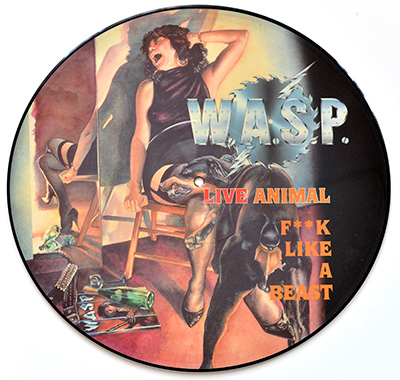
W.A.S.P. - Live Animal F*Ck Like A Beast
W.A.S.P. - Live Animal F*Ck Like A Beast ( Picture Disc ) Limited Edition 12" Vinyl LP  album front cover vinyl record

The limited-edition "Live Animal (F**k Like A Beast)" picture disc is a 1988 collectible featuring a live version of W.A.S.P.'s controversial title track. This 12-inch EP highlights the band's blend of heavy metal and theatrics,

Live Animal F*Ck Like A Beast ( Picture Disc ) Limited Edition 12" Vinyl EP
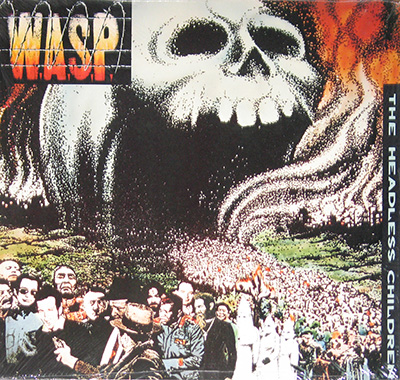
W.A.S.P . - The Headless Children
W.A.S.P . - The Headless Children (1989, Germany)  album front cover vinyl record

"The Headless Children" is a 1989 album by the American heavy metal band W.A.S.P. Released on 12" vinyl LP, it showcases the band's dark and melodic sound, featuring powerful tracks like "Mean Man"

The Headless Children (1989, Germany) 12" Vinyl LP
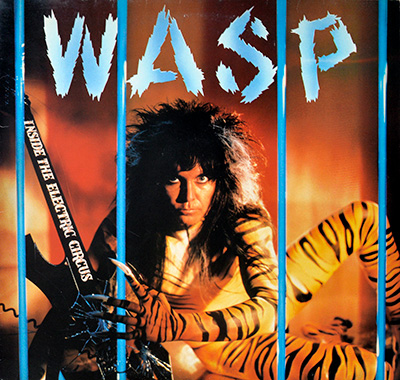
W.A.S.P - Inside the Electric Circus (European & France Edition)
W.A.S.P - Inside the Electric Circus (European & France Edition)  album front cover vinyl record

"Inside The Electric Circus" is the third studio album by W.A.S.P., released in 1986, it has been produced by the band's singer: Blackie Lawless, sound engineering was handled by four sound engineers

- Inside the Electric Circus (1986, Europe) - Inside the Electric Circus (1986, France)
W.A.S.P. - Last Command (Three European Releases)
W.A.S.P. -  Last Command (Three European Releases)  album front cover vinyl record

W.A.S.P.'s 1985 album 'The Last Command,' released as a 12" vinyl LP, is a landmark in the glam metal genre. Led by Blackie Lawless, the band's raw energy, provocative lyrics, and powerful riffs made it a classic

- Last Command (1985, France) - Last Command (1985, Germany) - Last Command (1985, Holland)
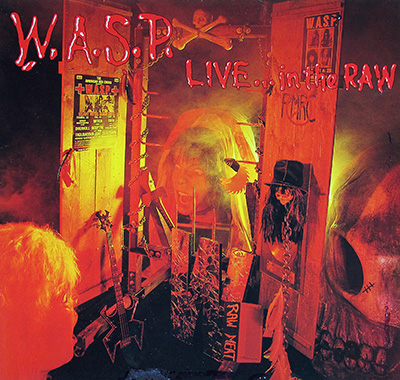
W.A.S.P. - Live in the Raw (Three European Releases)  album front cover vinyl record
W.A.S.P. - Live in the Raw (Three European Releases)

W.A.S.P.'s "Live in the Raw" is a 1987 12" vinyl LP album capturing the energy and raw power of the American heavy metal band's live performances. Recorded during their tour, it showcases W.A.S.P.'s intense stage presence and hits

- Live in the Raw (1987, EEC Europe) - Live in the Raw (1987, France Blue Label) - Live in the Raw (1987, France Silver Label)
W.A.S.P. - Mean Man
 W.A.S.P. - Mean Man (1989, EEC Europe) album front cover vinyl record

The 1989 W.A.S.P. "Mean Man / Locomotive Breath" 12" vinyl maxi single features two powerful tracks. "Mean Man" showcases the band's heavy metal prowess with its aggressive riffs and rebellious lyrics

Mean Man (1989, EEC Europe) 12" Vinyl Maxi Single
W.A.S.P - Mean Man
W.A.S.P - Mean Man Shaped Disc Picture Disc album front cover vinyl record

WASP's 1989 "Mean Man" single is a collector's dream. This unique 12" vinyl is shaped and features a picture disc, likely showcasing the song's artwork. The B-side throws a curveball with a cover of "Locomotive Breath."

Mean Man Shaped Disc Picture Disc
W.A.S.P - The Real Me
W.A.S.P - The Real Me Shaped Disc album front cover vinyl record

The 1989 WASP "The Real Me" shape picture disc vinyl is a visually striking release. The shape of the disc adds an extra layer of uniqueness to the record. The single features their cover of "The Real Me,"

The Real Me Shaped Disc Vinyl
W.A.S.P - Self-Titled aka Winged Assassins (German & Holland Releases)
W.A.S.P - Self-Titled aka Winged Assassins (German & Holland Releases)  album front cover vinyl record

Winged Assassins is the debut album by W.A.S.P., released August 17, 1984 The album has been known under three different names; the spine of the original vinyl release had Winged Assassins printed on it

- Winged Assassins (1984, Germany) - Winged Assassins (1984, Holland)