W.A.S.P. Band Description:
W.A.S.P. came out of Los Angeles in 1982 like a threat someone had the bad sense to make real. Blackie Lawless built the thing, and from the start the band traded as much in confrontation as in riffs. People still repeat that old line about the name meaning "We Are Sexual Perverts," but that has always lived more in rumor, outrage and fan gossip than in anything solidly settled by the band itself. That uncertainty actually suits them. W.A.S.P. always worked best when half the room was thrilled and the other half looked like they wanted the police.
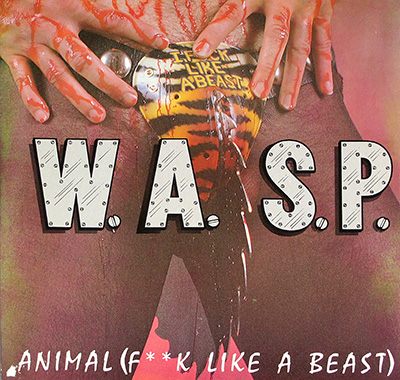
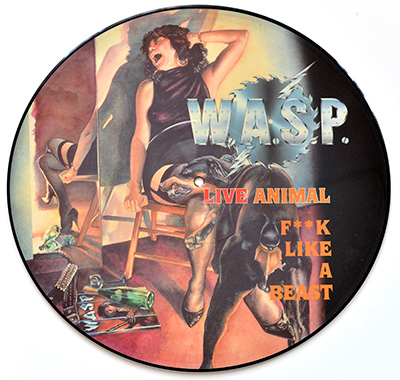
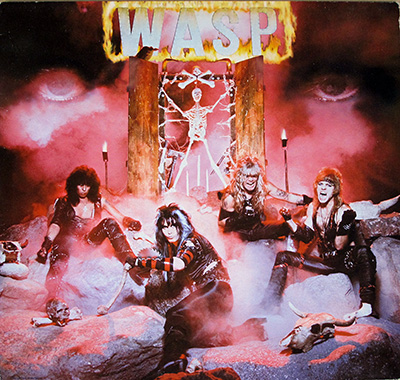
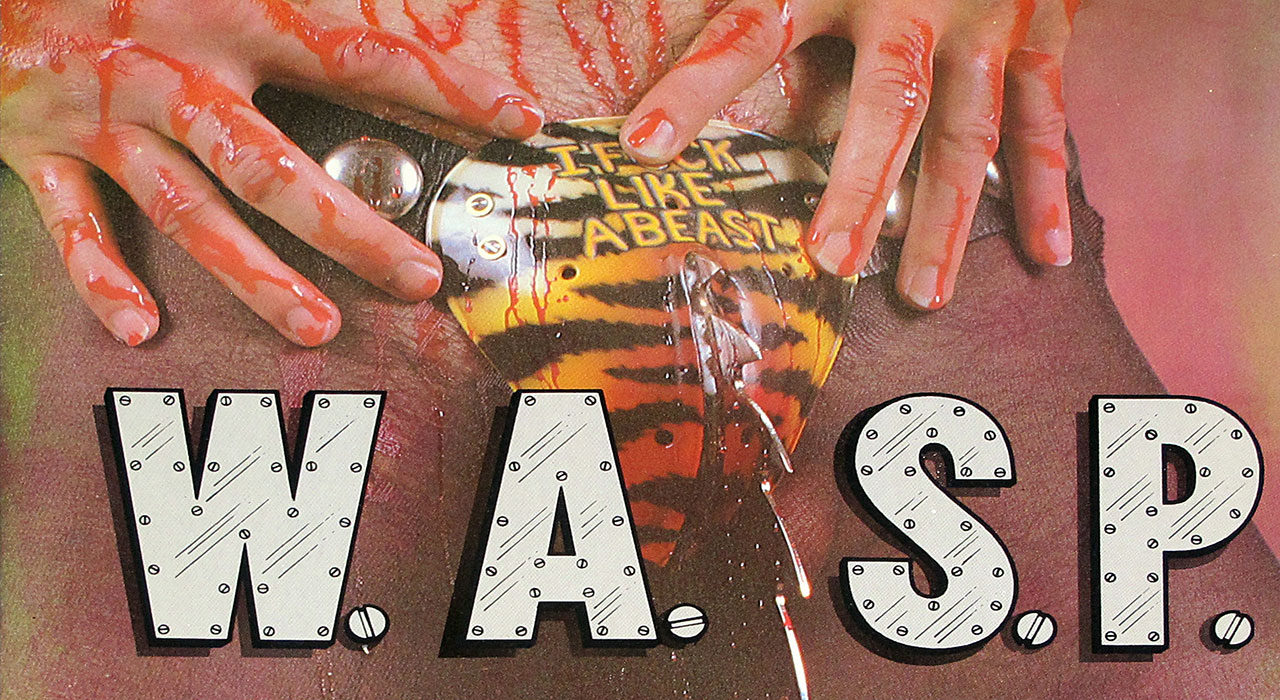
The early lineup was a revolving door, because of course it was. That whole pre-fame stretch feels less like tidy biography and more like young men kicking at the walls until something held. The first live lineup in 1982 was not yet the same unit that cut the debut LP, and by the time the 1984 album landed the better-known shape of the band had started to lock in. "I Wanna Be Somebody" hit like a declaration, while "Animal (Fuck Like a Beast)" became the song everybody whispered about, banned, misquoted, or bought precisely because they were told not to.
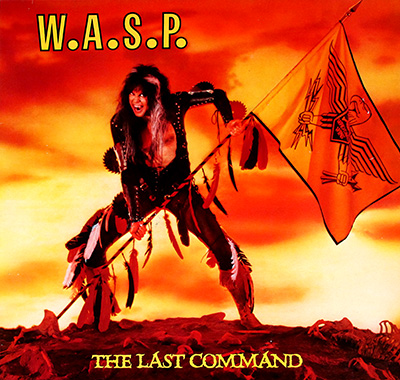
Then came "The Last Command" in 1985, and this is where the band stopped looking like a scandal with amplifiers and started looking genuinely dangerous in a more lasting way. Spencer Proffer gave the record muscle and shine without sanding off the filth. Steve Riley arrived on drums, Randy Piper was still in the frame for one last proper blast, and songs like "Wild Child" and "Blind in Texas" shoved W.A.S.P. higher into the metal conversation. Not prettier. Bigger. There is a difference.
Their stage show helped, if "helped" is the word. Lawless did not walk onstage so much as loom over it, all leather, steel, hair and provocation, with enough saw-blade grotesquerie to keep moral campaigners awake at night. In the mid-80s that mattered. You could feel the panic around bands like this. The PMRC went after "Animal" as part of the Filthy Fifteen mess in 1985, and that whole censorious circus helped drag warning labels into the mainstream. W.A.S.P. were not the only target, but they were one of the names that made polite America clutch its pearls hard enough to leave finger marks.
What keeps the band interesting is that they were never just a cheap shock machine, no matter how lazy writers made them sound. Beneath the blood, noise and tabloid bait, Lawless always had a feel for grand, ugly drama. Even later, when trends changed and cleaner MTV metal started smelling too manufactured, W.A.S.P. still carried that slightly unwashed sense of menace. I have always trusted that more than the glossy stuff. Too much 80s metal now feels like hairspray sealed in plastic. W.A.S.P. still feels like something that could stain your hands.