It was the mid-1980s, a time when heavy metal was reaching its commercial peak, and yet, it was also a time of cultural and moral panic. Hairspray-drenched bands like Mštley Crue and Twisted Sister ruled the MTV airwaves, while Tipper Gore and the PMRC were waging war on what they saw as the corrupting influence of rock music. In this volatile landscape, W.A.S.P. emerged, led by the enigmatic and outrageous Blackie Lawless, a band that pushed the boundaries of shock rock to their absolute limits.
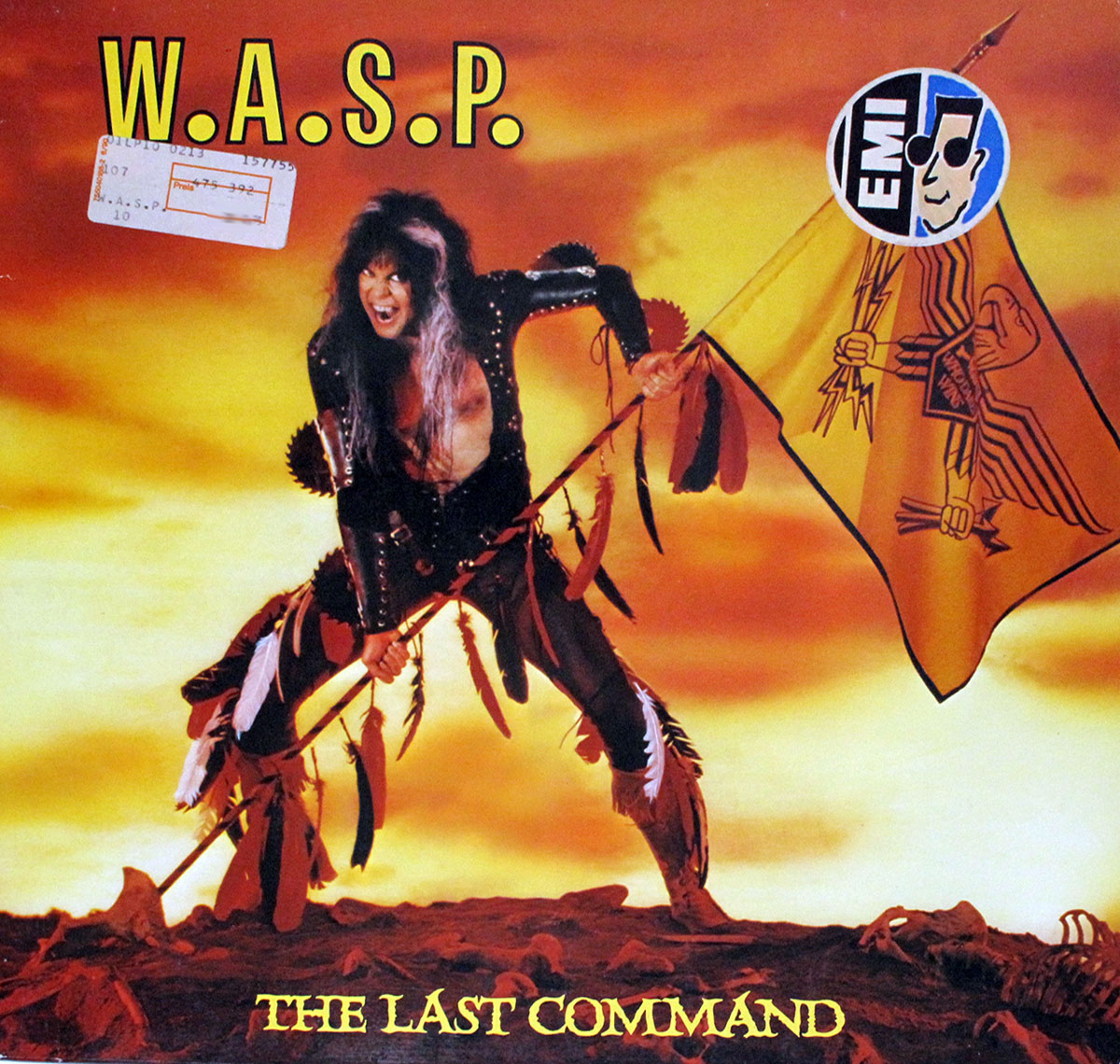
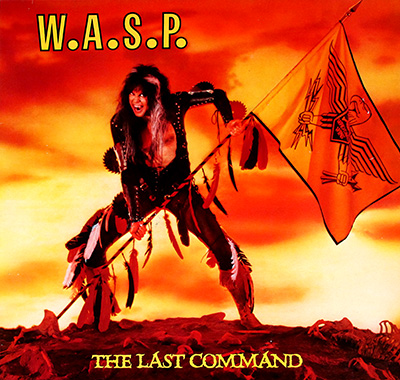
Their second studio album, "The Last Command," released in 1985, was a raw, visceral, and unapologetically heavy metal assault on the senses. The album cover alone, featuring Lawless chained to a torture rack, was enough to send shivers down the spines of conservative parents. But W.A.S.P. was more than just shock value. They were a band with a message, however twisted and controversial it may have been.
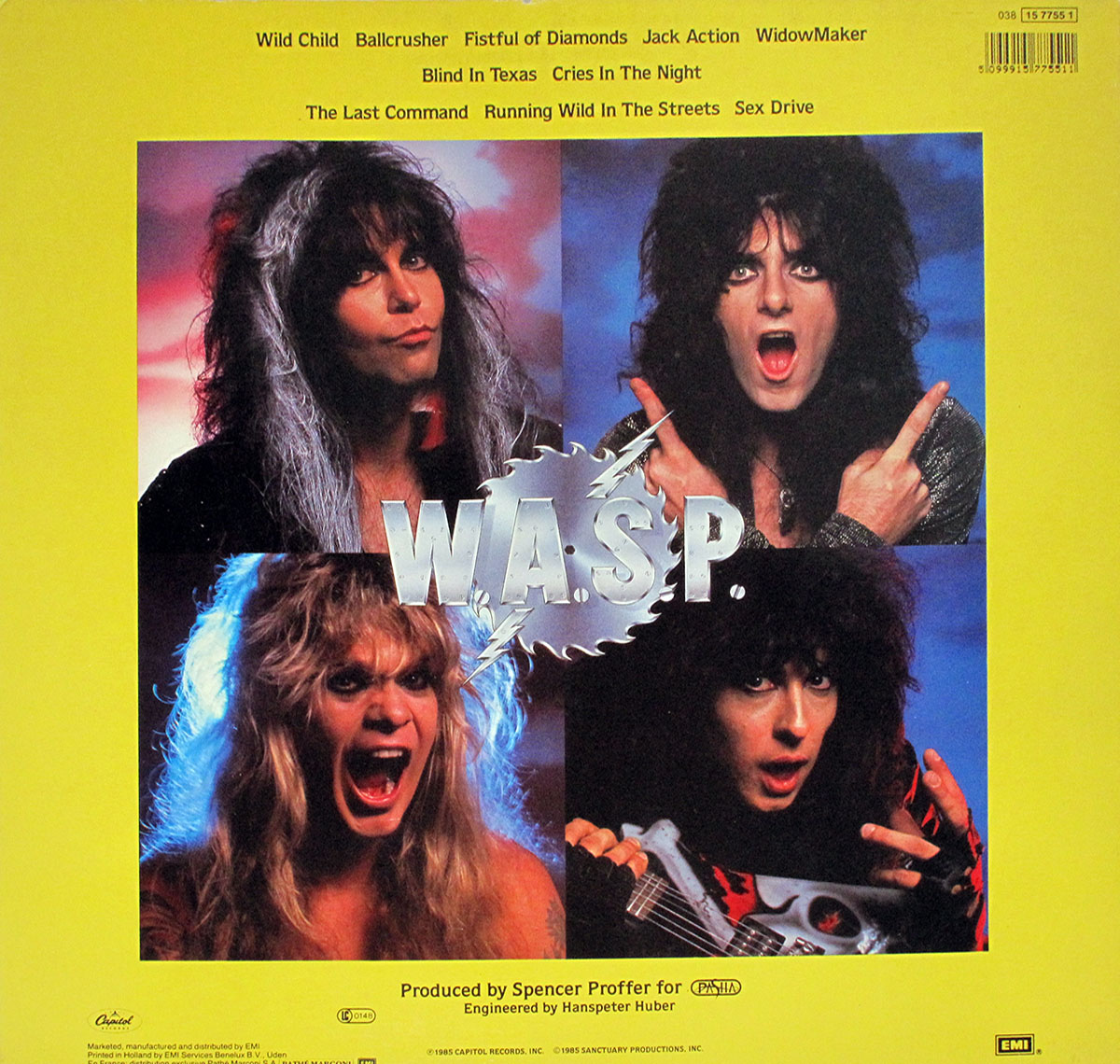
Musically, "The Last Command" was a powerhouse of heavy metal anthems. The album's production, handled by the legendary Spencer Proffer, who had previously worked with Quiet Riot, was crisp and powerful, capturing the raw energy of the band's live performances. Recorded at Music Grinder Studios in Los Angeles, the album's sound was a perfect blend of heavy guitars, thunderous drums, and Lawless's soaring vocals.
Songs like "Wild Child," "Animal (Fuck Like a Beast)," and the title track, "The Last Command," were instant classics, fueled by a sense of youthful rebellion and a desire to shock and awe. The album's lyrics were often sexually explicit and violent, but they also touched on themes of social and political commentary. W.A.S.P. was a band that wasn't afraid to speak their minds, even if it meant alienating a large portion of the mainstream audience.
The German release of "The Last Command," with its distinctive EMI sticker on the front cover, is a testament to the band's global appeal. W.A.S.P. was a band that transcended borders and cultures, their music resonating with disaffected youth around the world. They were a band that challenged the status quo, both musically and socially, and their impact on the heavy metal scene is still felt today.
"The Last Command" is not just an album; it's a cultural artifact, a snapshot of a time when heavy metal was at its most dangerous and exciting. It's a reminder that music can be a powerful force for change, even if that change is accompanied by controversy and outrage. W.A.S.P. may have been a band that reveled in shock value, but they were also a band with a message, a band that dared to be different in a world that often demanded conformity.