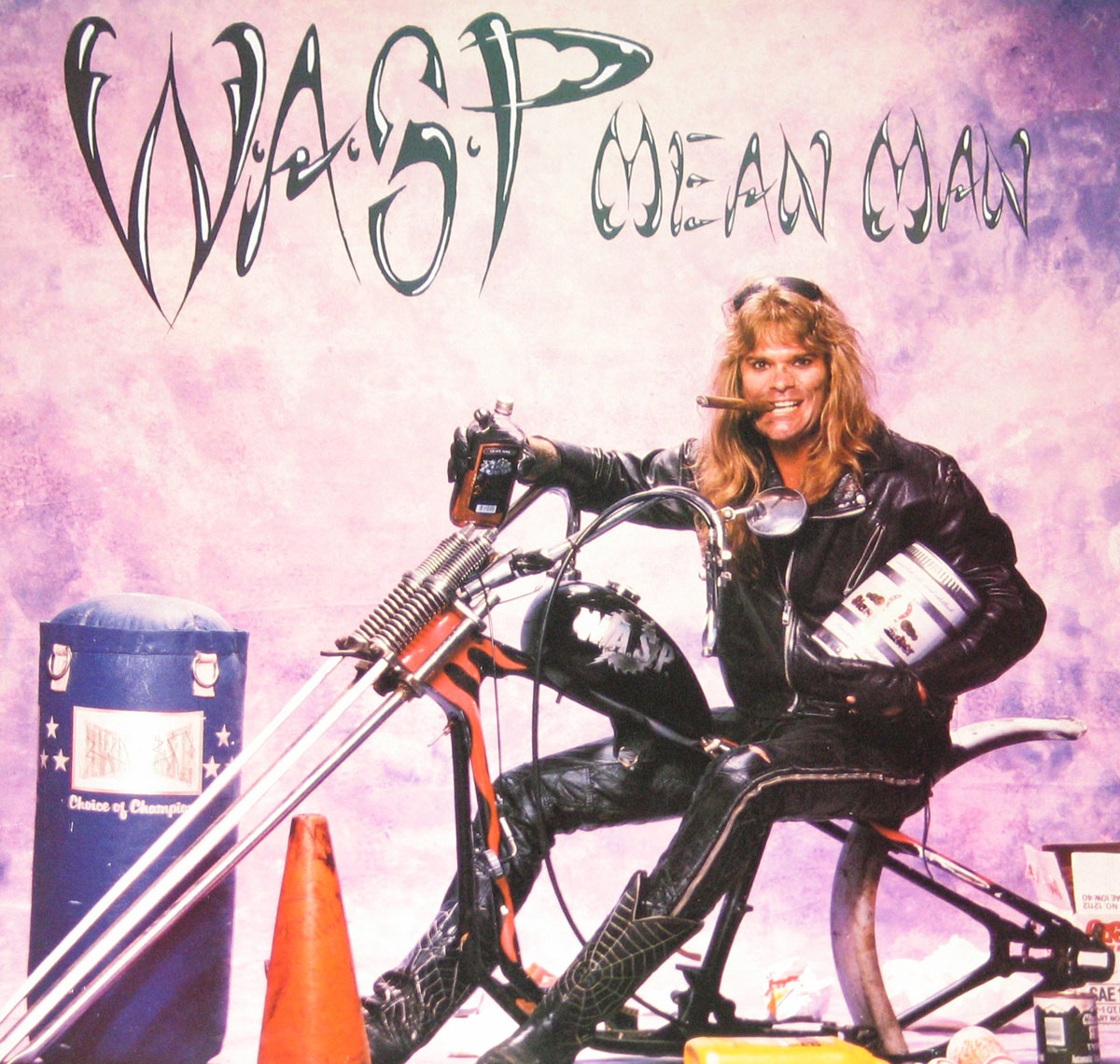
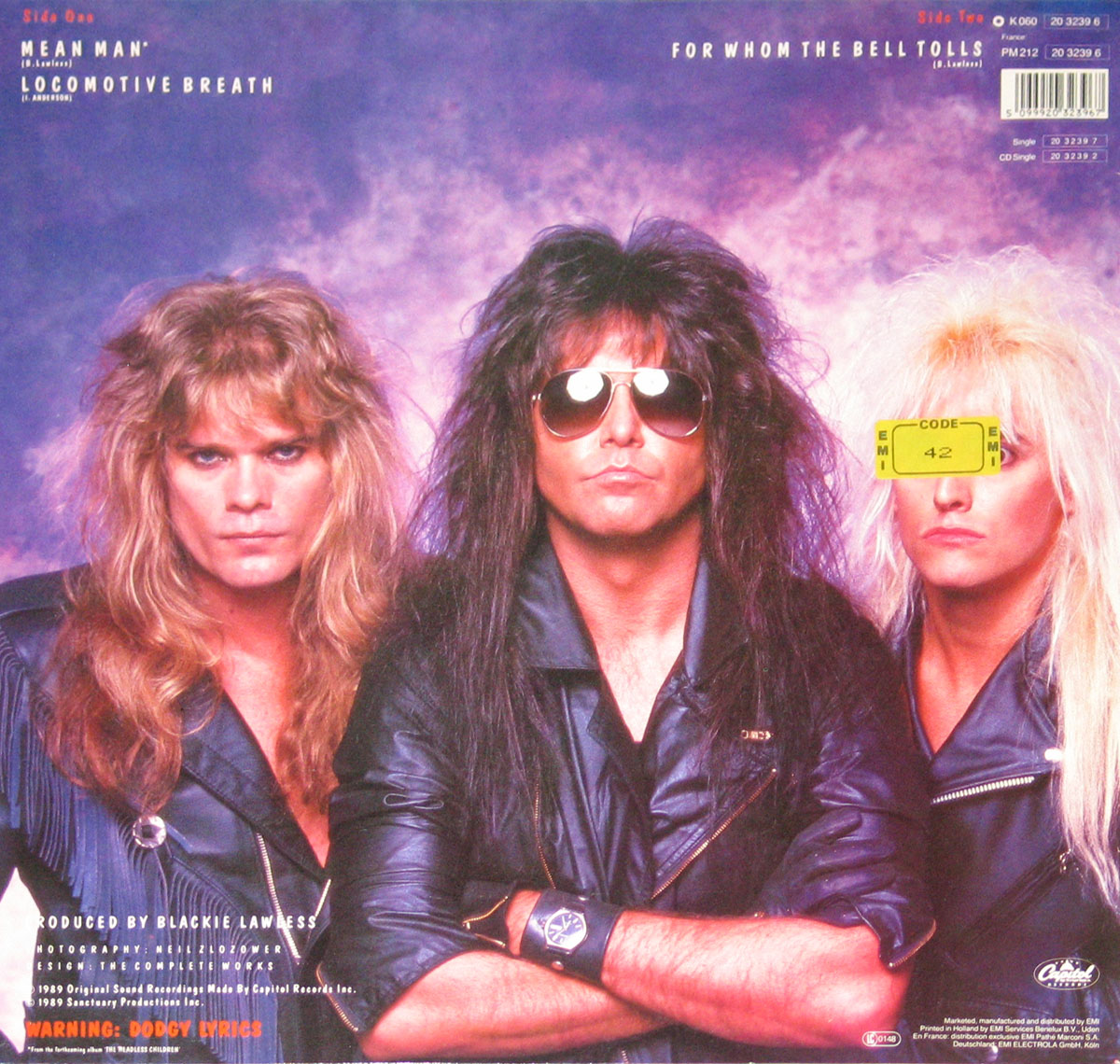
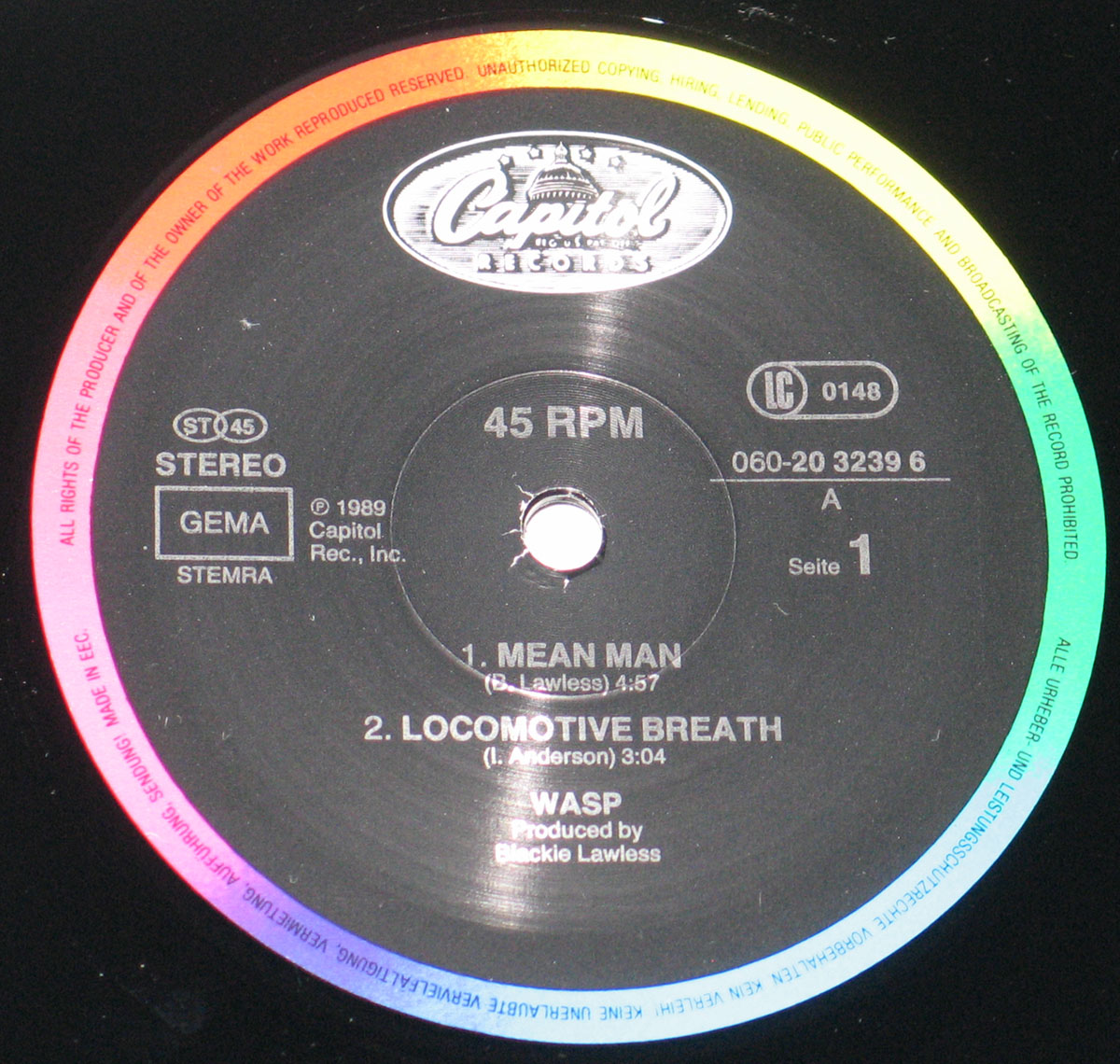
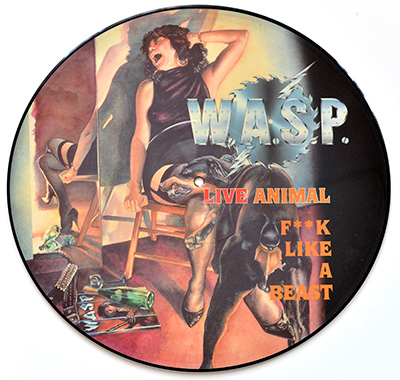
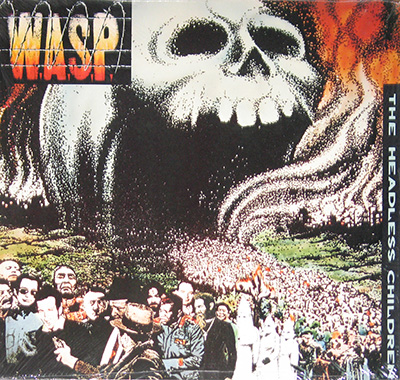
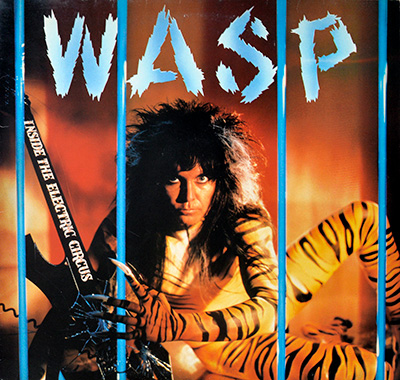
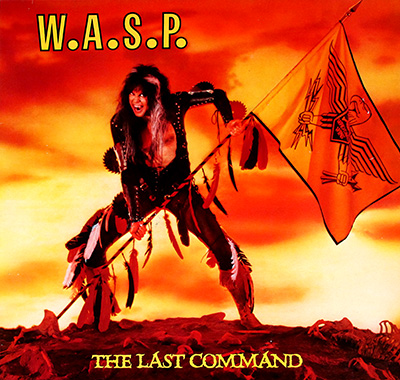
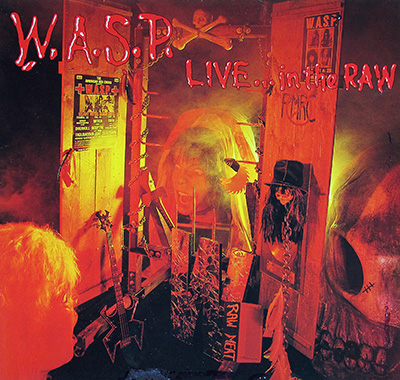
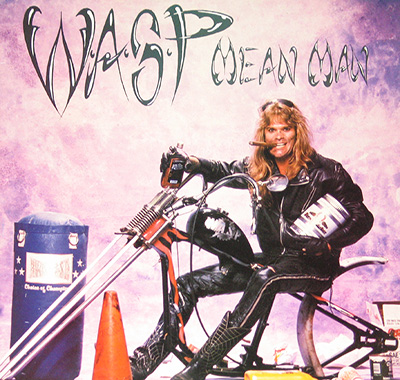
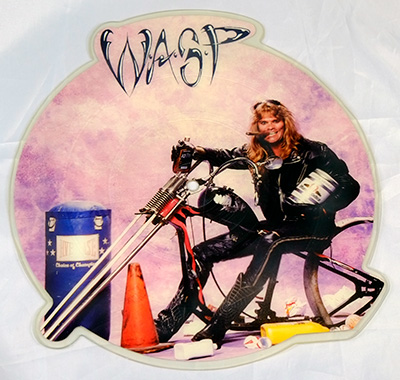
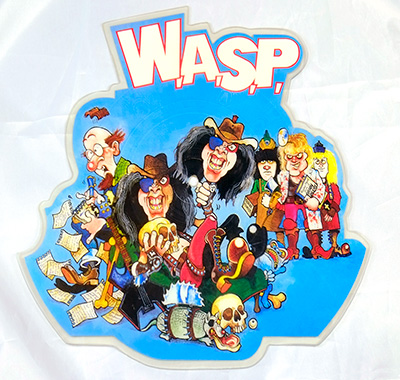
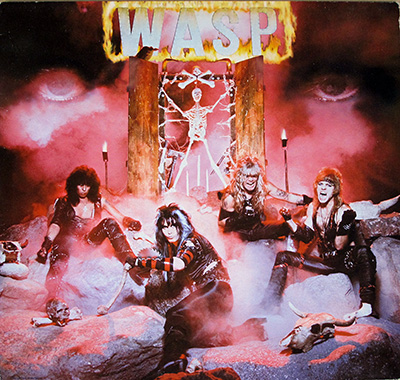
By the late 1980s, the Sunset Strip's hairspray haze was starting to dissipate. Glam metal's mascara was running, and a new wave of heavier, angrier bands was emerging from the underground. W.A.S.P., once the poster boys for shock rock excess, were evolving too. The release of their 1989 album, "The Headless Children," marked a shift towards a more mature, socially conscious sound. But amidst this artistic growth, they still knew how to deliver a swift kick to the gut. Enter the "Mean Man" b/w "Locomotive Breath" 12-inch maxi-single.
"Mean Man" was a snarling, riff-driven beast, a far cry from the cartoonish theatrics of their earlier work. Blackie Lawless's vocals were raw and visceral, spitting out lyrics about the harsh realities of life on the streets. It was a song that resonated with a generation of disenfranchised youth, a generation that was tired of the empty promises of the Reagan era.
On the flip side, "Locomotive Breath" was a cover of the classic Jethro Tull song. W.A.S.P. injected the song with their own brand of heavy metal energy, transforming it into a thunderous anthem. It was a bold move, covering a song by a band that was considered the antithesis of heavy metal. But W.A.S.P. pulled it off, proving that they were more than just a one-trick pony.
The production on the single was handled by the band themselves, along with the experienced hand of Michael Wagener, who had previously worked with Metallica and Skid Row. The result was a raw, powerful sound that captured the band's live energy.
"Mean Man" b/w "Locomotive Breath" was a statement of intent from W.A.S.P. It was a declaration that they were still a force to be reckoned with, even as the musical landscape was shifting beneath their feet. It was a reminder that they were more than just shock rockers; they were a band with something to say.
The single may not have garnered the same level of controversy as their earlier work, but it was a testament to their growth and maturity as artists. W.A.S.P. were evolving, adapting to the changing times, and proving that they had the staying power to outlast the fads and trends of the music industry.
In a world that was becoming increasingly cynical and jaded, W.A.S.P. offered a glimmer of hope. They were a band that refused to be silenced, a band that spoke truth to power, and a band that reminded us that even in the darkest of times, there's still room for a little bit of rock and roll rebellion.