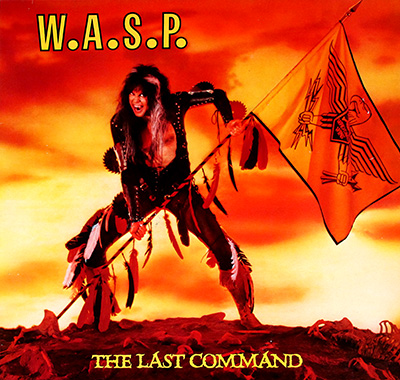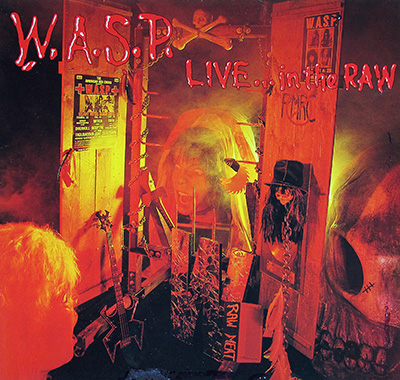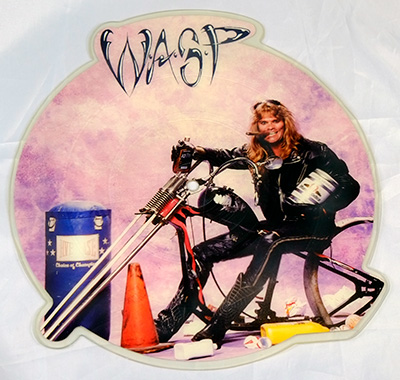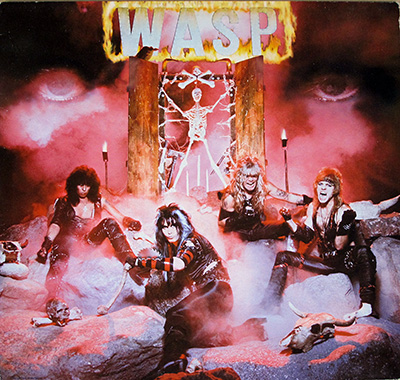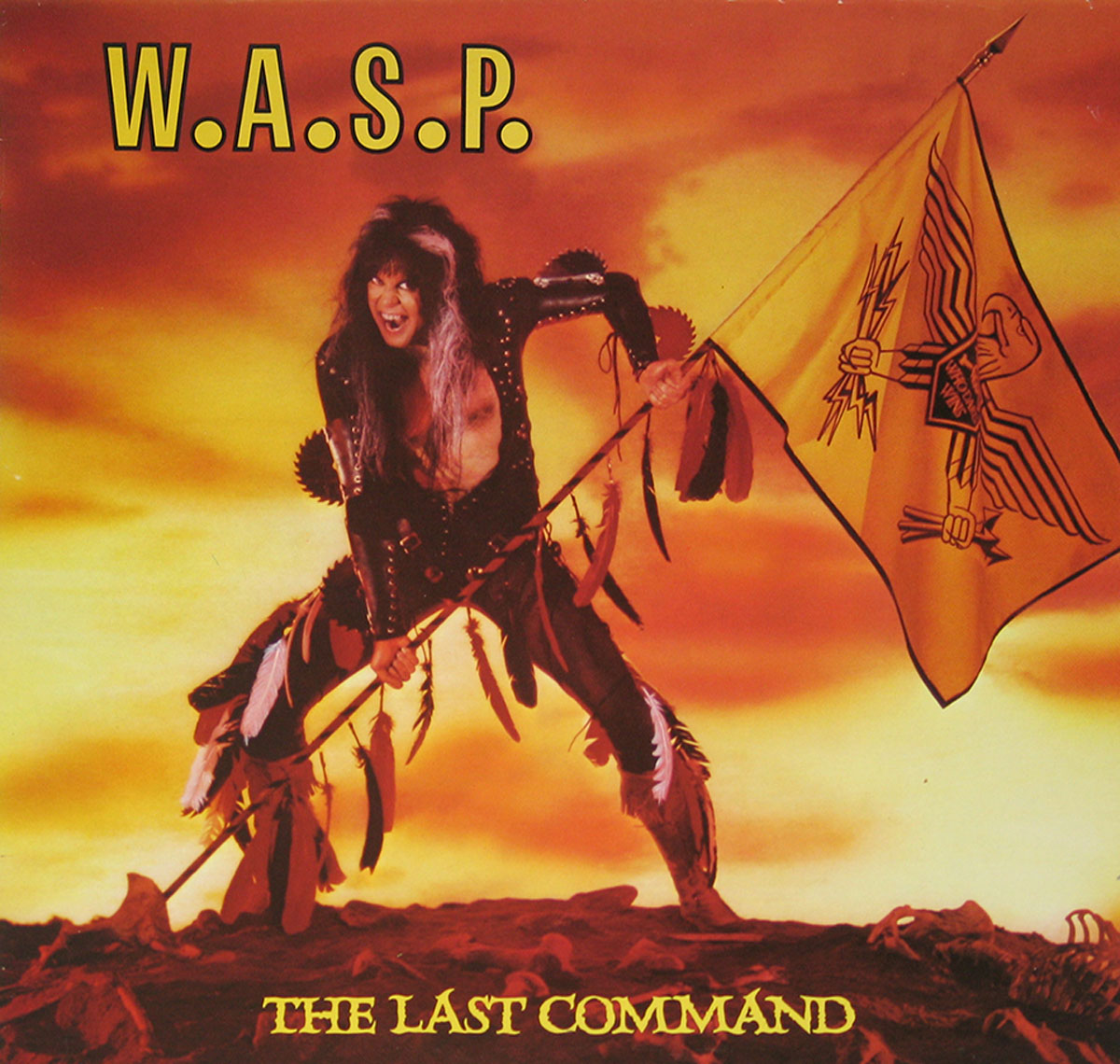
"The Last Command" (1985) Album Description:
By 1985, American heavy metal was already starting to admire itself a bit too much. On the Sunset Strip, the hair got taller, the choruses got shinier, and too many bands looked like they had been assembled by a mirror with a cocaine habit. W.A.S.P. were part of that same Los Angeles orbit, sure, but "The Last Command" still kicks like a boot through a dressing-room door. It is tighter than the debut, more controlled, more deliberate, but it has not yet been scrubbed into polite hard rock for radio executives and bored girlfriends.
What makes this record worth reopening is that the old headlines can blur what actually happened here. People remember the codpiece, the blood, the outrage, the PMRC hand-wringing, and they start pinning every scandal to every sleeve. Lazy habit. "The Last Command" did something more interesting: it caught W.A.S.P. right as the band stopped being just a public nuisance and turned into a properly sharpened heavy metal machine, with a new drummer, a better grip on tension, and songs that still snarl even when the production flashes chrome.
In the United States that year, heavy metal was splitting into tribes. Mötley Crüe, Ratt, Quiet Riot and Dokken were busy proving that gloss could sell just fine if the hooks were blunt enough to survive beer and FM radio. Elsewhere, Slayer were making things nastier, and Armored Saint still sounded like they had dirt under their nails. W.A.S.P. sat in the middle of that mess. Not as street-filthy as the underground, not as lacquered as the Strip mannequins either. That tension helps this album more than it hurts it.
The sound of "The Last Command" has more shape than the debut, but it never loses the mean edge completely. "Wild Child" charges out with that hard, clipped attack that says business first, posing later. "Blind in Texas" stomps with a grin on its face, half bar fight, half cartoon trouble, while "Ballcrusher" and the title track lean on weight rather than speed. There is bite in the guitars, but also space around them. Spencer Proffer knew how to make a record sound big without turning it into pudding, which is more than can be said for plenty of mid-80s metal producers who mistook volume for impact.
Blackie Lawless is the obvious center of gravity, barking and sneering his way through the album like a man who would rather provoke than charm. Chris Holmes brings the slash and burn, Randy Piper still throws in that ragged extra edge, and Steve Riley, on his first W.A.S.P. album, gives the band a firmer spine than the debut had. You can hear the difference. The songs move with more purpose. Even the sleazy material feels aimed instead of merely hurled.
That lineup detail matters, because this record lands right in the middle of change. Tony Richards was gone; Steve Riley stepped in and tightened the chassis. Randy Piper was still here, but not for long, which gives the album a faint last-night-in-town feel if you listen for it. W.A.S.P. always looked chaotic from the outside, and often were, but "The Last Command" catches them at the useful kind of instability, where personnel shifts sharpen the attack instead of blowing the engine apart.
The controversy around the band did not begin with this album, and that is one of the things people keep muddling. The PMRC storm was tied above all to "Animal (Fuck Like a Beast)," which was already hanging over W.A.S.P. like a bad smell in a church hall by the time "The Last Command" arrived. So no, this is not the record that invented their notoriety. It is the record that had to walk into the room after the scandal and prove there was a real band underneath the tabloid bait. Awkward task. They pulled it off.
I have always liked records like this more than the prettier 1985 metal blockbusters, because they still sound faintly impatient with success. Put this next to some of the era's over-combed competition and you can hear the difference straight away: less flirtation, more shove. Late at night, with the room dim and the sleeve half-open on the table, this one still gives off that particular old-vinyl mood — lyrics sheet sliding around, glossy inner sleeve catching the lamp, a faint sense that the band would have been trouble even if nobody had banned a thing.
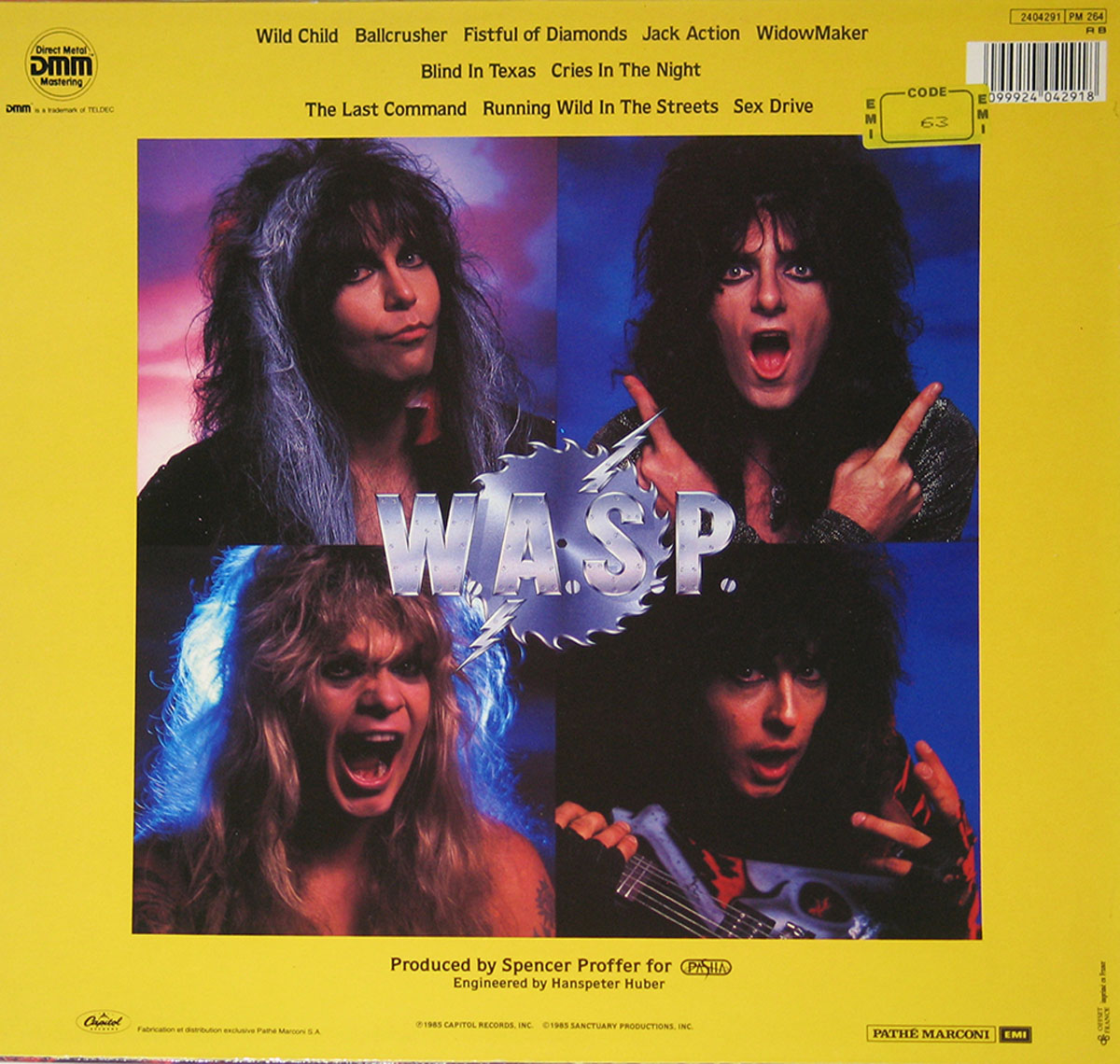
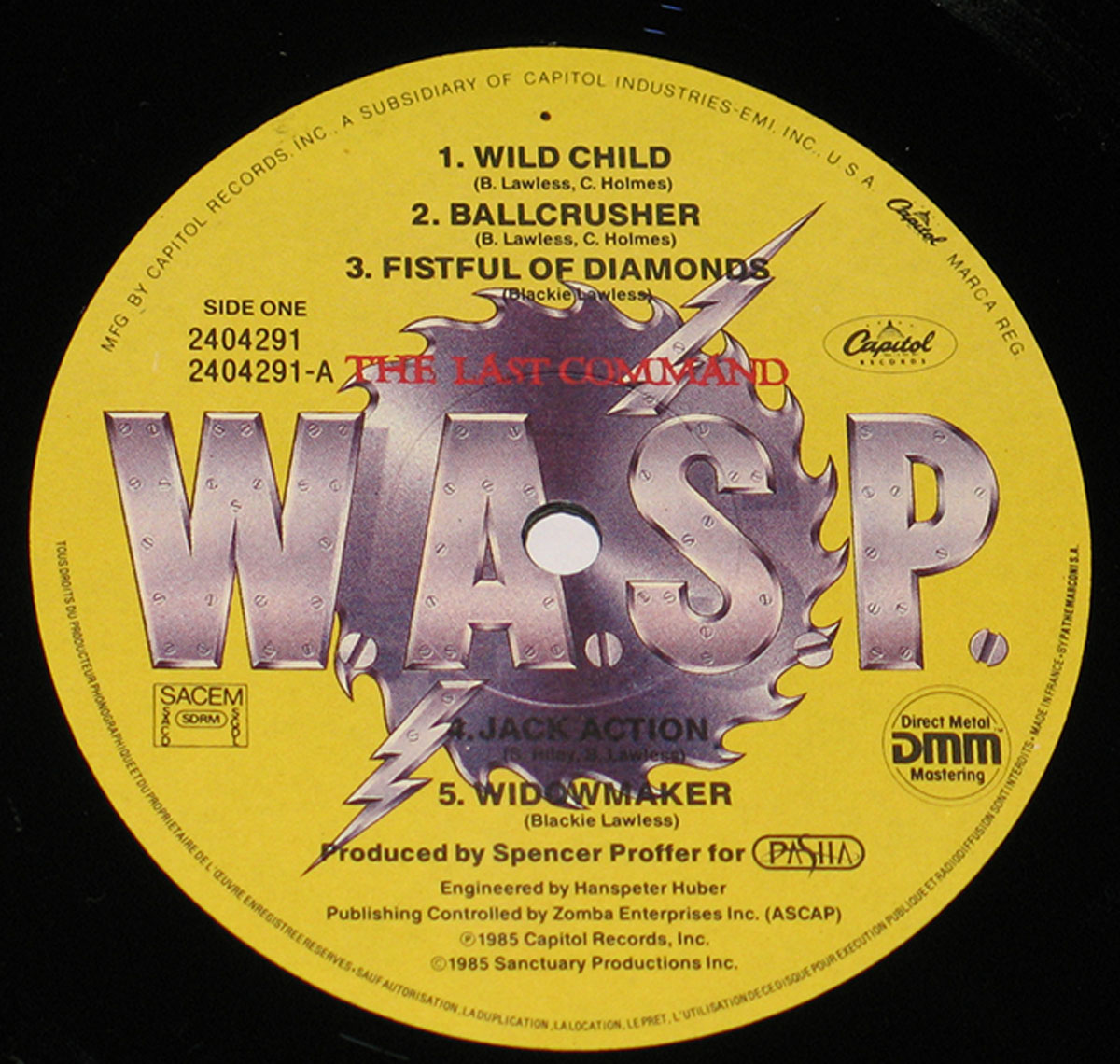
As a French Capitol pressing, this page is not documenting some absurd unicorn chased by auction sharks, and that is fine. Not every worthwhile record has to arrive wearing a collector's halo. What you have here is a solid 1985 period copy with the custom inner sleeve, the full set of songs that pushed W.A.S.P. past pure shock value, and a sleeve design that still looks like it wants to start something. I would keep this album on the shelf long before I reached for a lot of shinier, emptier records from the same year. Some metal ages into nostalgia. This one still squints back.