"Trouble" (1978) Album Description:
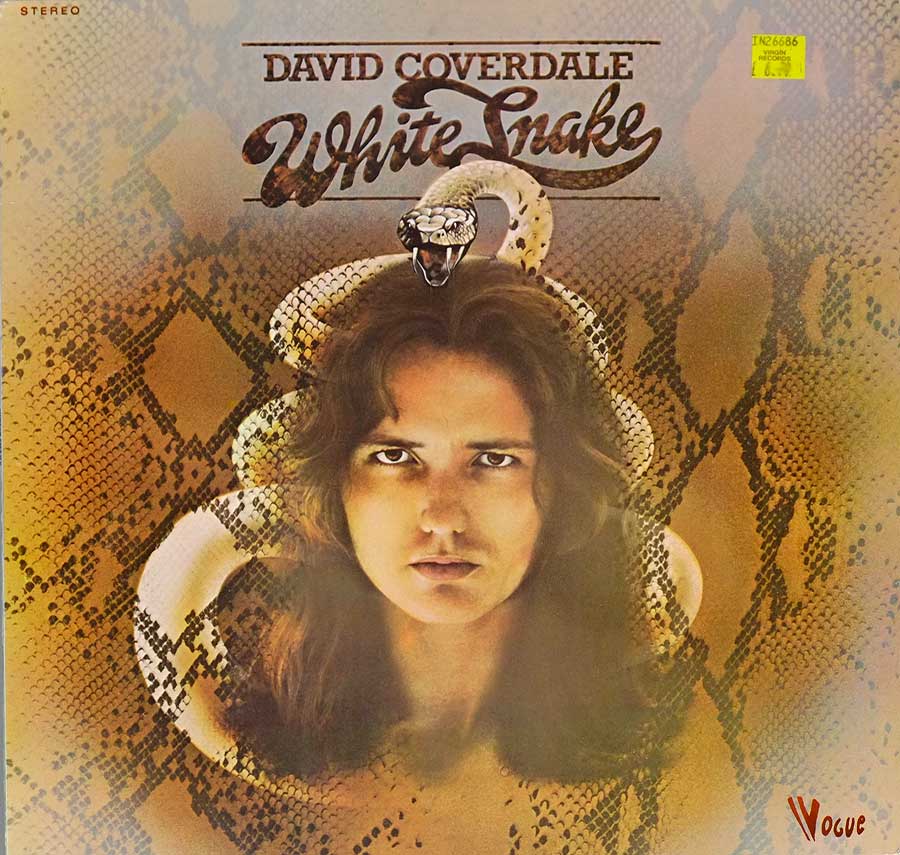
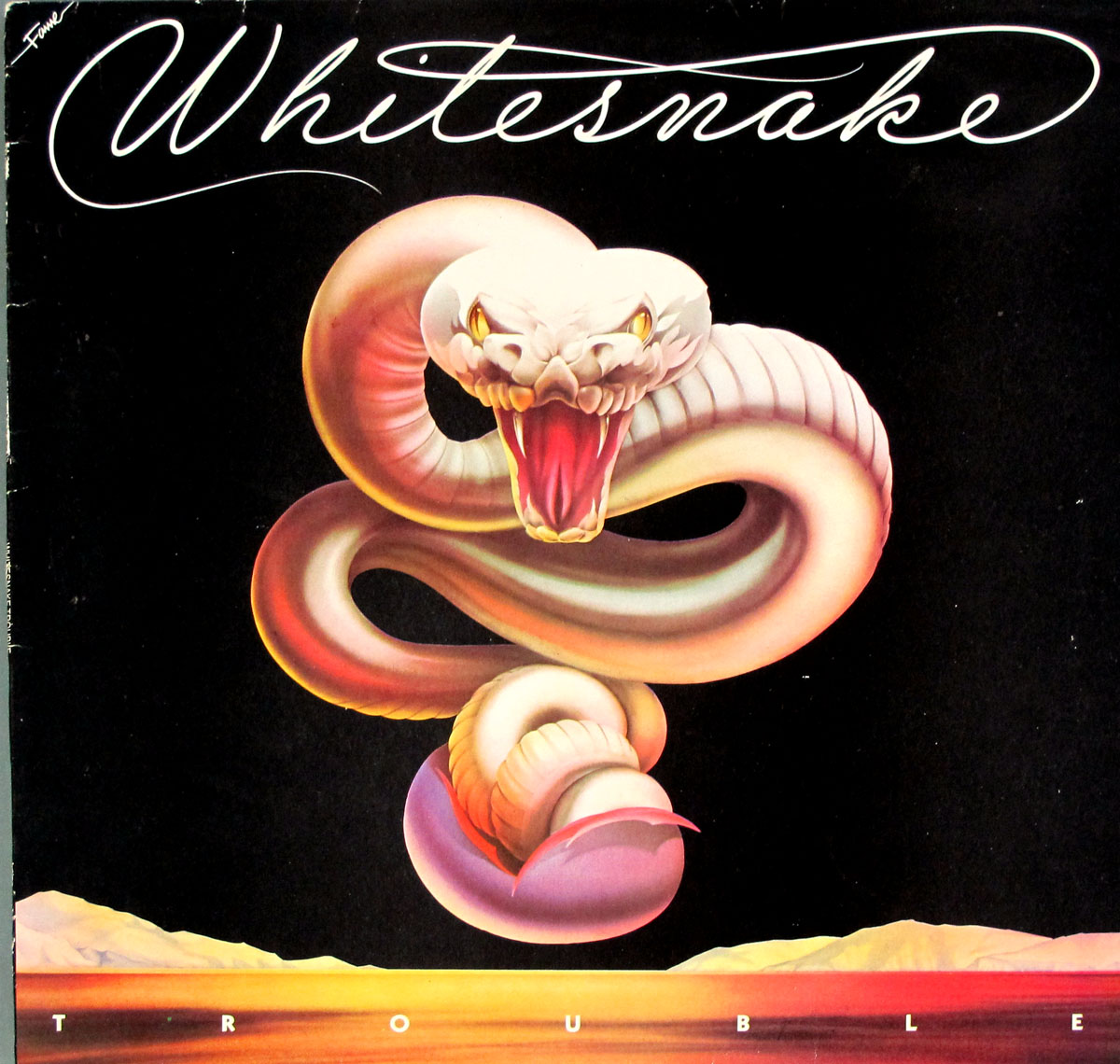
The first thing my eyes latch onto is that big, coiled snake on a black field, jaws wide like it’s about to swallow the stylus whole—no band photo, no “look at our hair” distraction, just a clean threat and a name written in that swooping Whitesnake script across the top, with Trouble sitting down low like a warning label. That cover illustration (Bill Imhoff) and design (Bill Burks) sells the whole premise in one hit: this isn’t a new-wave postcard or a prog-rock puzzle, it’s a straight-up hard rock statement with fangs, swagger, and a little theatrical menace baked right into the sleeve.
Whitesnake’s "Trouble" lands like a first punch thrown with intent: a debut studio album from a brand-new British hard rock/heavy metal outfit, led by ex-Deep Purple voice David Coverdale, and already bold enough to bring Jon Lord into the story for the first time.
1978 in the UK feels like a crossroads year in the air of this record—hard rock still loud and hungry, blues roots still allowed to show up in work boots, and a new generation of heavier sounds circling the clubs and studios like sharks that smell amplification.
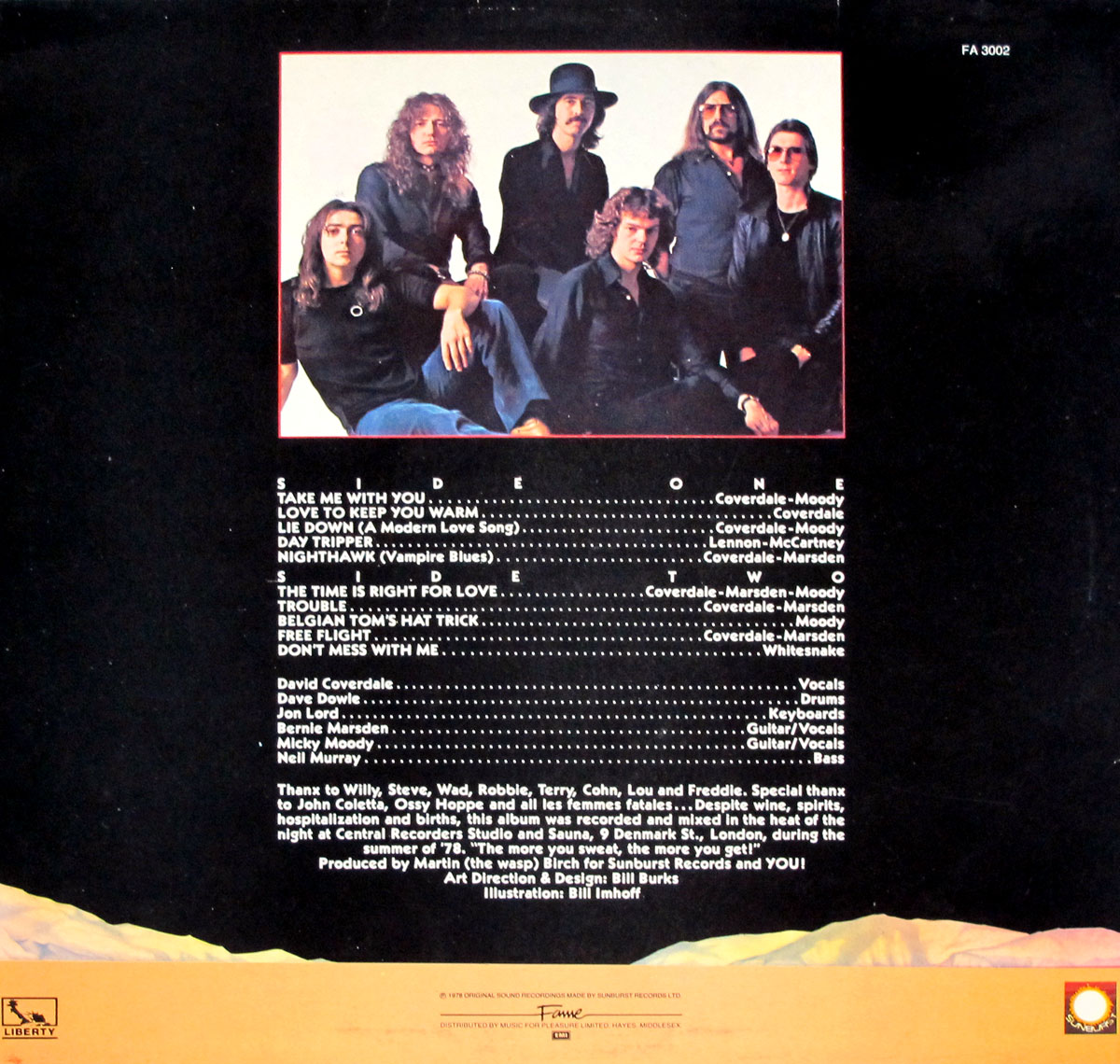
Summer 1978, London: the band cuts these tracks at Central Recorders Studio and Sauna, 9 Denmark Street, with Martin "The Wasp" Birch producing, and that detail matters because the whole album comes across as disciplined chaos—raw enough to sweat, controlled enough to hit you where it counts.
The sound is British hard rock with heavy metal muscle, but it keeps a bluesy backbone—Coverdale’s vocals leaning into the grit, Lord’s keys adding heat and drama, and the whole thing moving like a band that’s building its identity in real time, not reading one off a label.
Standouts jump out fast: "Love to Keep You Warm" has that lived-in swagger, "Lie Down (a Modern Love Song)" brings the romantic trouble with a smirk, and "Trouble" itself wears the band name like a warning sign nailed to a pub door.
Compared with other late-’70s UK hard rock records, this one doesn’t chase sparkle—it chases weight; where plenty of releases aim for polish, "Trouble" keeps the edges visible and lets the room tone, the attitude, and the late-night London feel do some of the talking.
Band dynamics show up between the lines: it plays like a lineup learning how to breathe together under studio pressure, with Coverdale steering the mood, and Lord’s presence adding instant authority—less “new project,” more “this is already a proper band, deal with it.”
Legacy is the funny part: no need for charts or trophies to explain why collectors keep coming back—this record documents the exact moment Whitesnake stops being an idea and becomes a living, touring, riff-slinging organism.
Decades later, the grooves still carry that specific late-’70s scent—London summer, cigarette haze, and the stubborn optimism of musicians who think volume can solve most problems (and, honestly, they’re not always wrong).