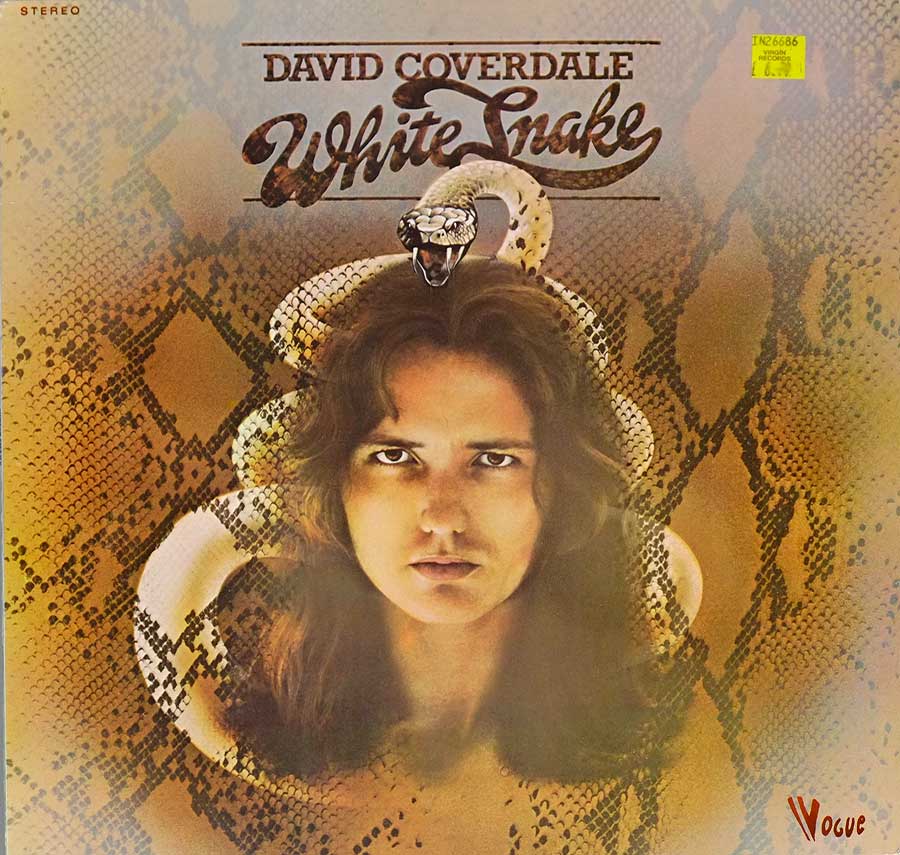
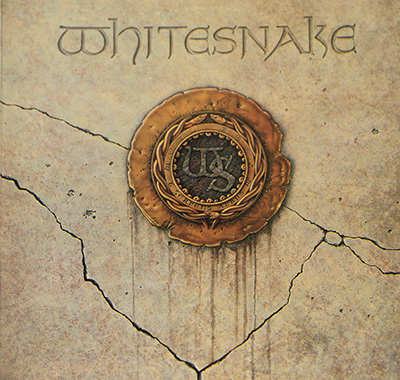
In the world of hard rock history, few bands embody the excesses and contradictions of the early '80s quite like Whitesnake. Emerging from the ashes of Deep Purple's Mark III and IV lineups, guitarist David Coverdale had already established himself as a bluesy powerhouse vocalist. But with Whitesnake, he sought to capture the zeitgeist of a new era: one where MTV ruled the airwaves and arena-sized anthems reigned supreme.
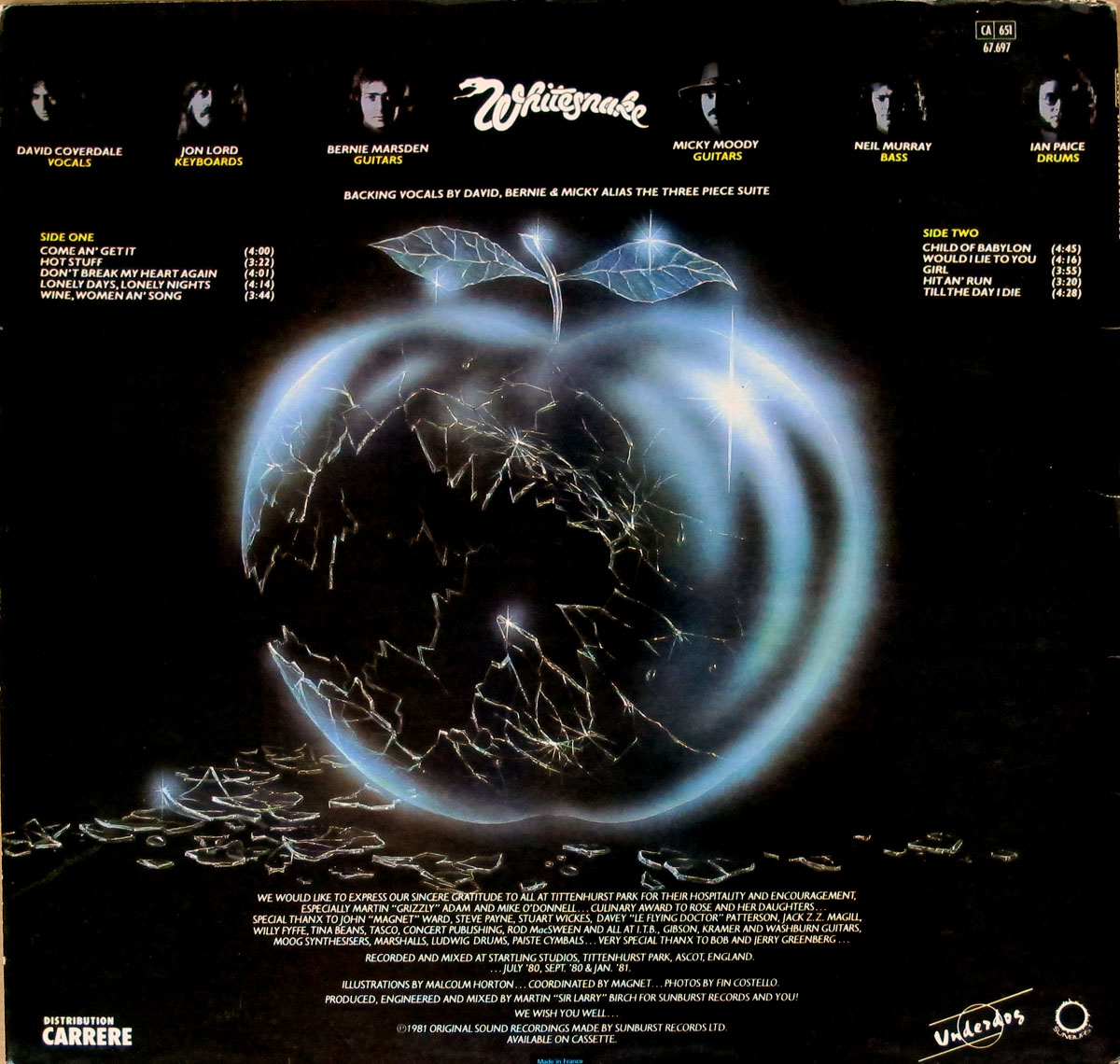
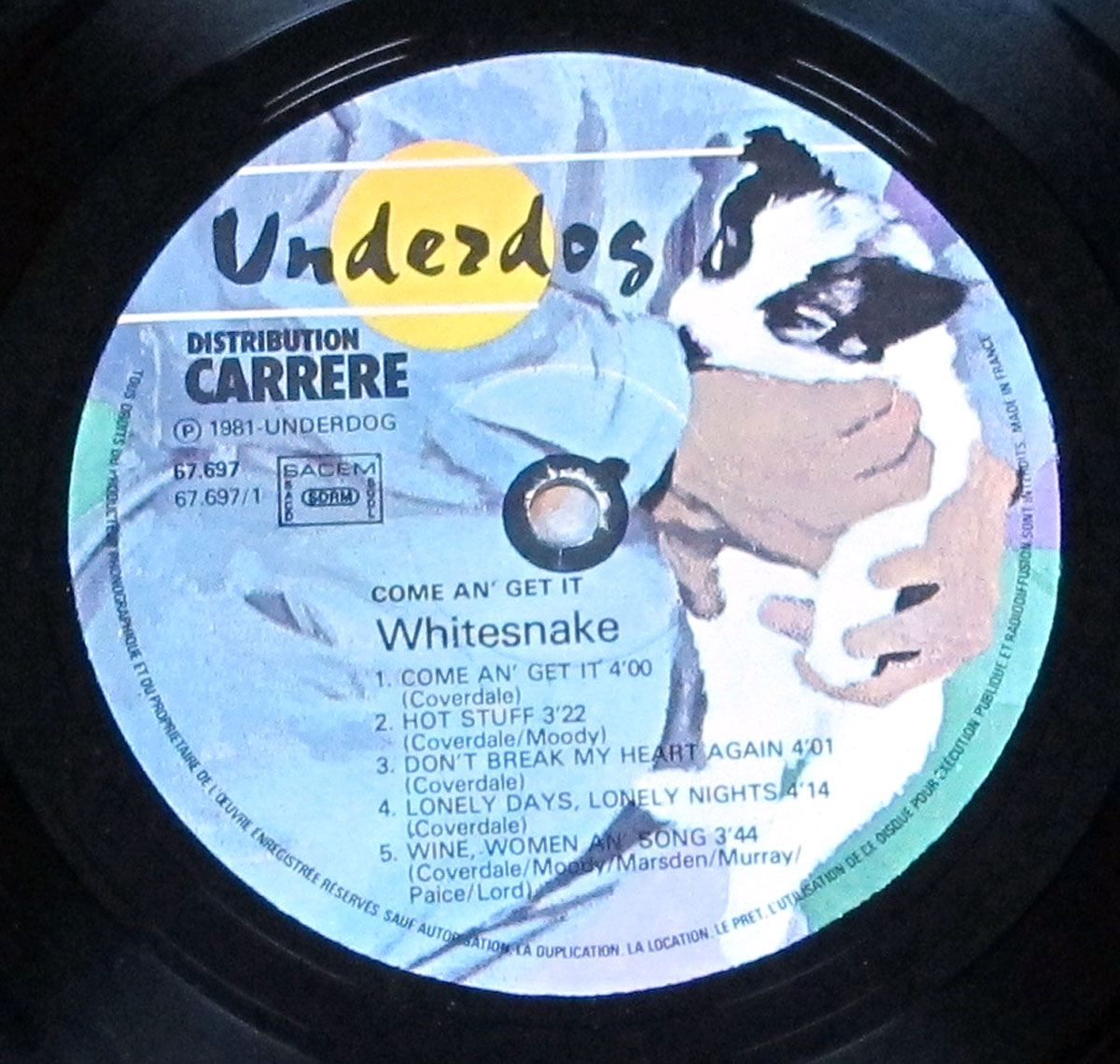
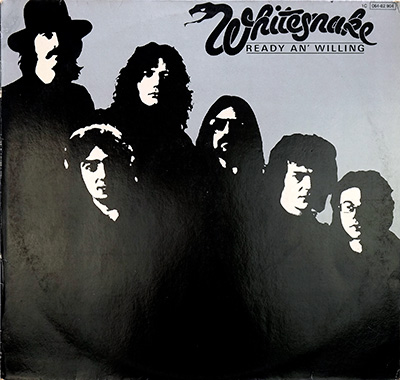
"Come an' Get It," released in 1981, marked a turning point for Whitesnake. It was their fourth studio album, and it arrived hot on the heels of the commercially successful "Ready an' Willing." The band's lineup was in flux, but Coverdale's vision remained steadfast: a blend of blues-infused hard rock with a dash of glam swagger.
Recorded at Ringo Starr's Startling Studios, "Come an' Get It" saw Whitesnake working with producer Martin Birch, a veteran of Deep Purple and Iron Maiden fame. Birch's polished production style was a perfect fit for the band's increasingly commercial sound. The album's lead single, "Don't Break My Heart Again," became a staple on rock radio, its soaring chorus and slick guitar solos epitomizing the era's bombastic aesthetic.
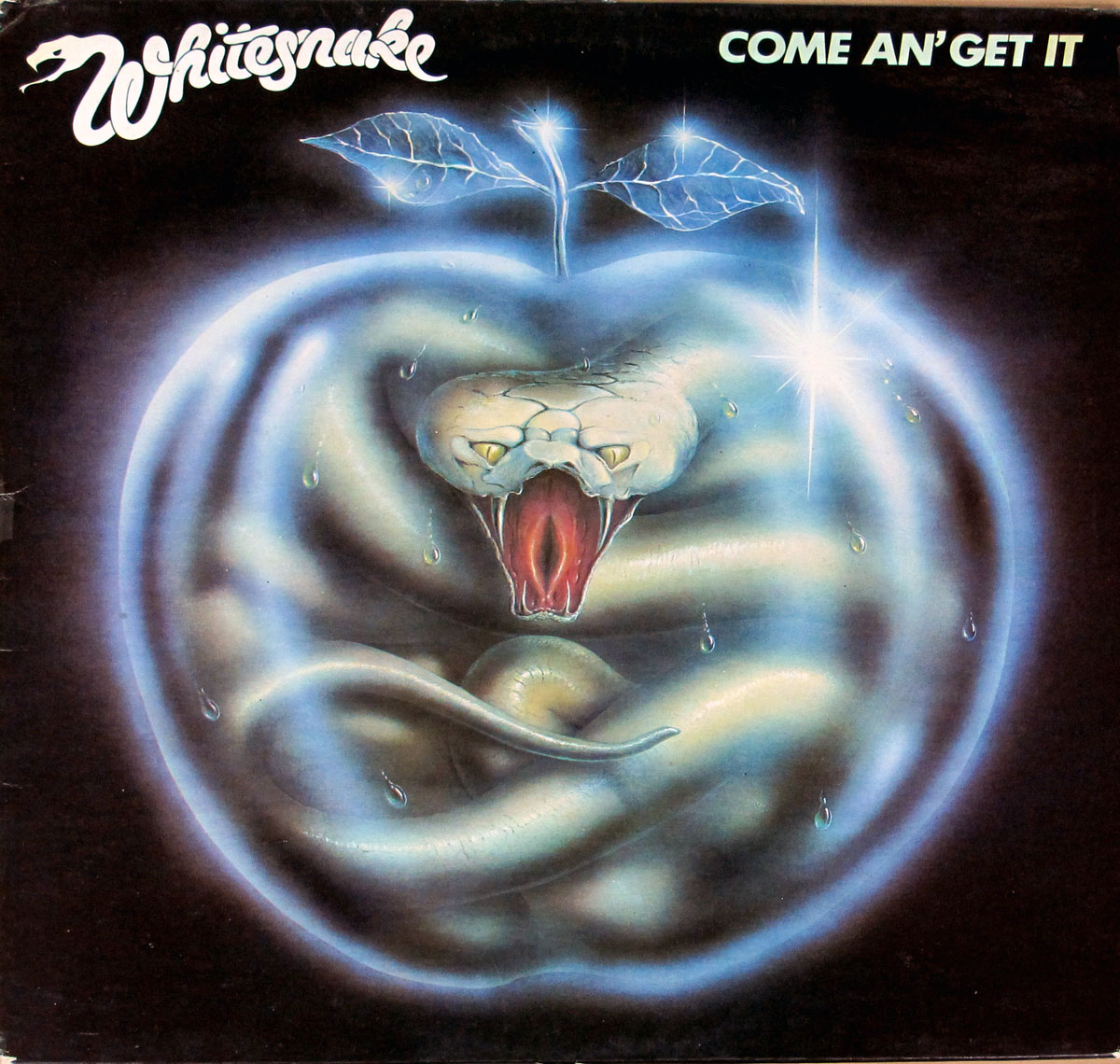
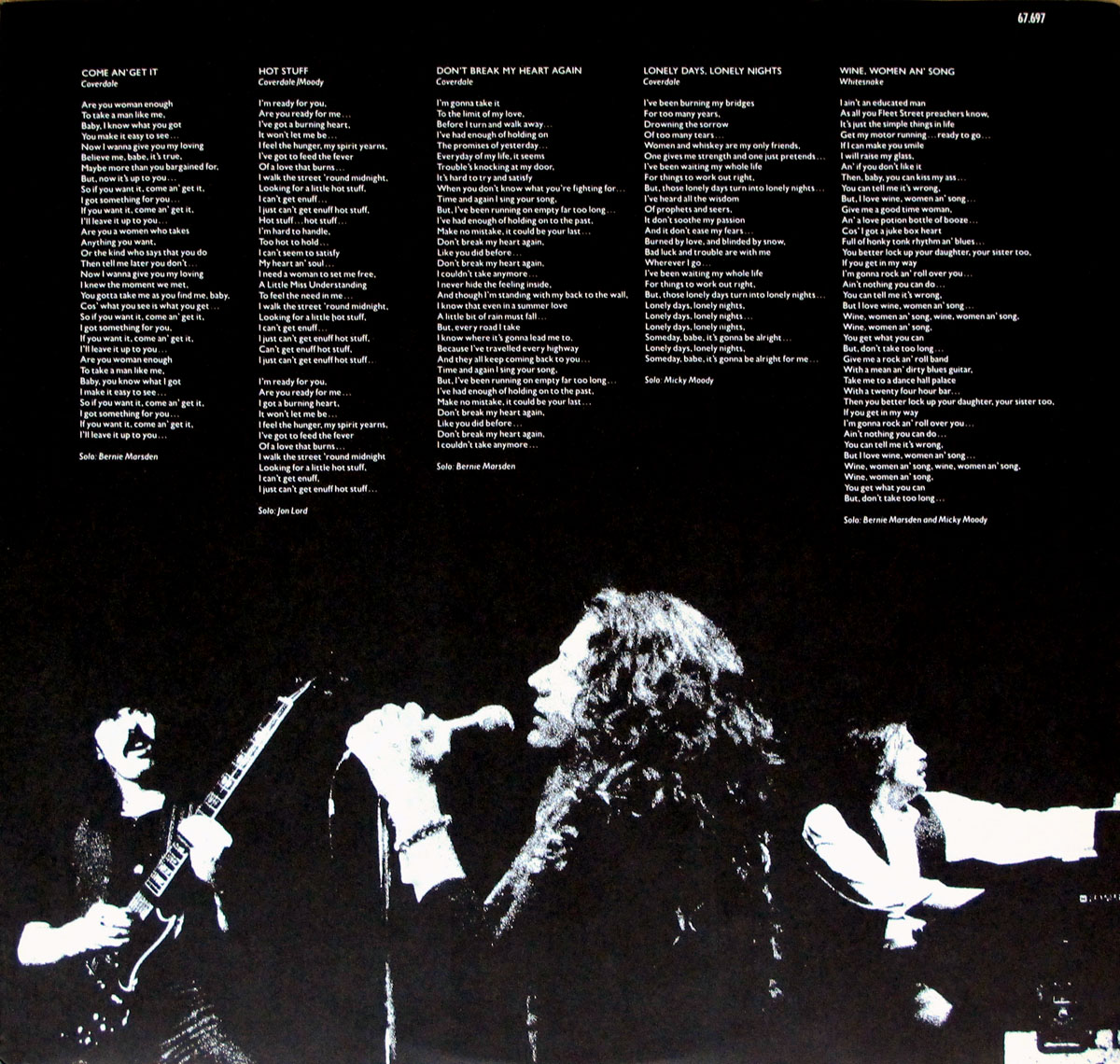
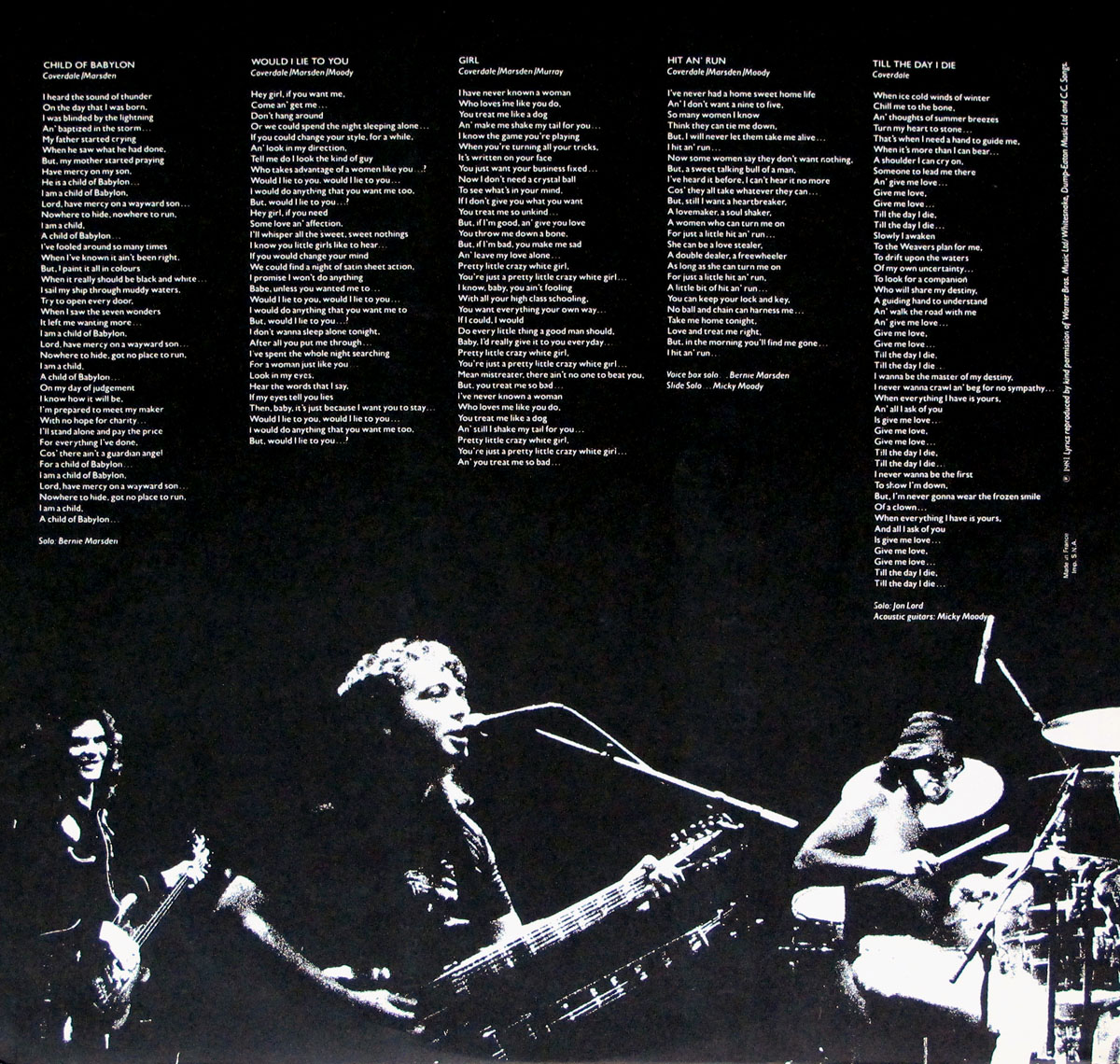
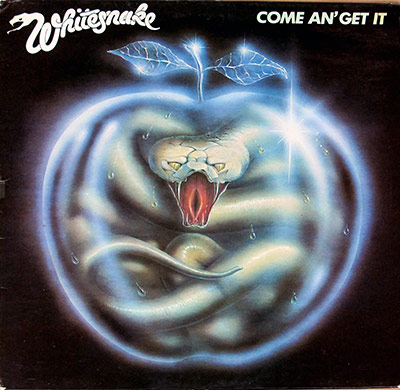
But beneath the surface sheen, "Come an' Get It" revealed a band grappling with its own identity. Coverdale's lyrics oscillated between heartfelt ballads and raucous party anthems, reflecting the internal tensions of a band straddling the line between artistic integrity and commercial success. The album's cover art, featuring a scantily clad model, further fueled the controversy surrounding Whitesnake's image. Were they serious musicians or just another glam metal act cashing in on the MTV craze?
The musical landscape of the early '80s was a complex one. Punk had exploded onto the scene a few years earlier, challenging the status quo and railing against the bloated excesses of arena rock. But as the decade wore on, a new generation of bands emerged, blending the raw energy of punk with the melodic sensibilities of classic rock. This hybrid sound, often labeled "hair metal" or "glam metal," was both commercially successful and critically reviled.
Whitesnake found themselves caught in the crossfire. Their music was undeniably catchy and well-crafted, but it also lacked the edge and grit of their earlier work. Critics accused them of selling out, of sacrificing their blues roots for a shot at mainstream success. But for fans of the band, "Come an' Get It" was a guilty pleasure, a collection of hook-laden anthems that perfectly captured the spirit of the times.
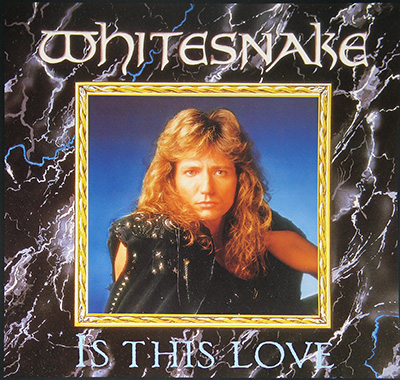
In retrospect, "Come an' Get It" represents a pivotal moment in Whitesnake's evolution. It was the album that solidified their commercial success, but it also marked the beginning of their descent into self-parody. The band's subsequent albums would embrace the glam metal aesthetic even further, culminating in the multi-platinum success of 1987's self-titled album. But for those who remember Whitesnake's early days, "Come an' Get It" remains a bittersweet reminder of a band caught between two worlds.