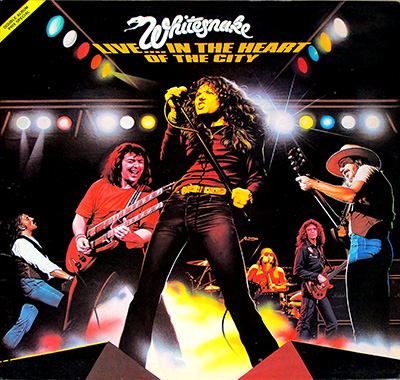
Band-members, Musicians and Performers
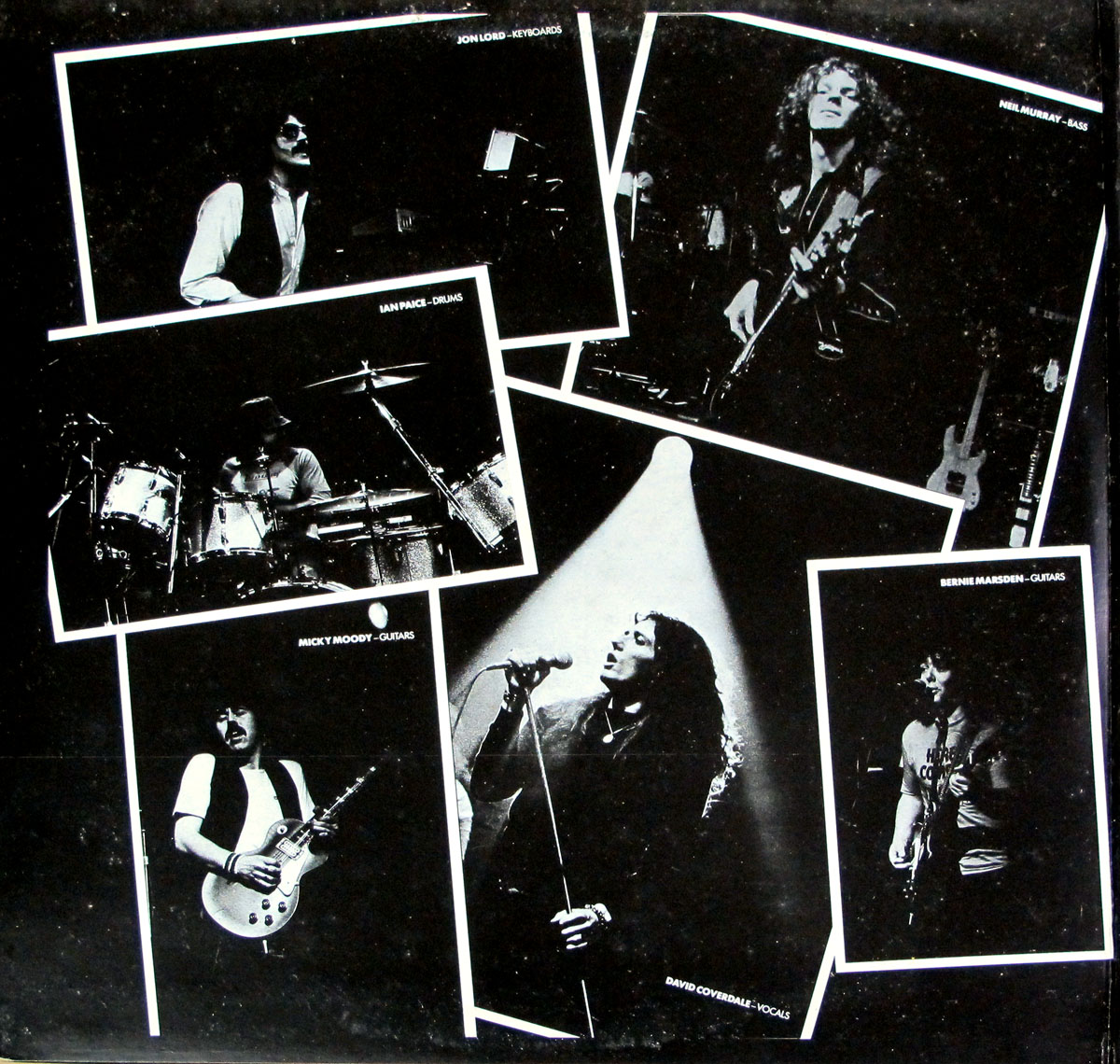
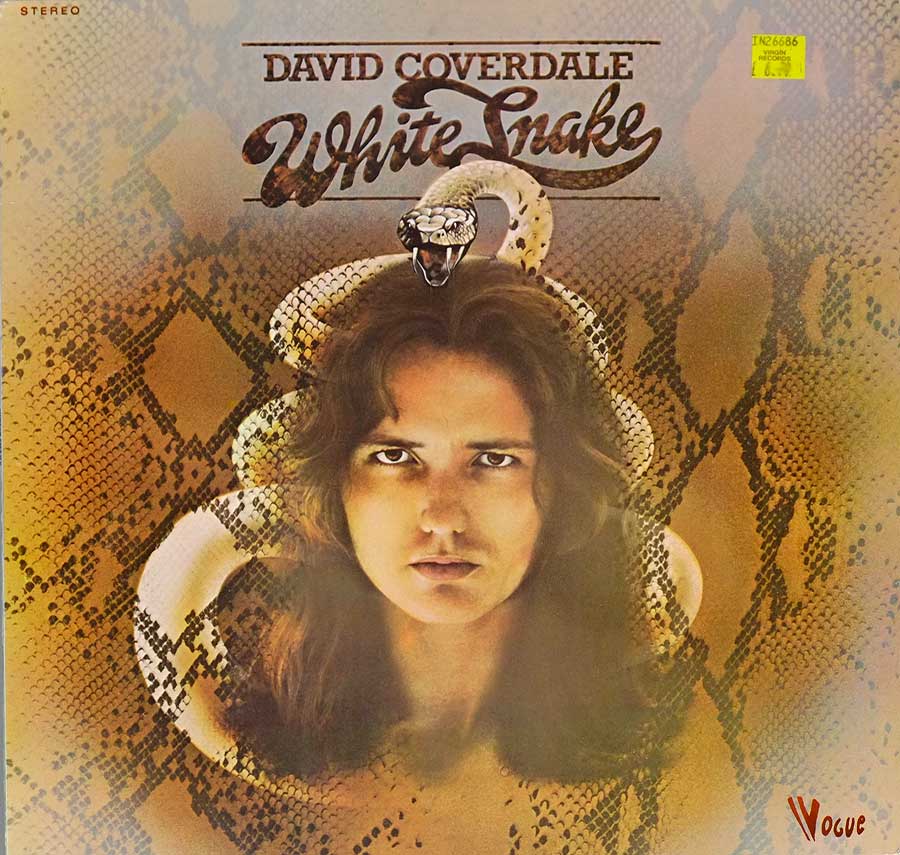
- David Coverdale vocals
- David Coverdale – Vocals
My shelves have plenty of loudmouths, but few singers can swing from blues grit to arena-sized drama as naturally as Coverdale.
Read more...
David Coverdale, the kind of frontman who makes a chorus feel like a marching order, first sharpened his pipes in local outfits like Vintage 67 (1966–1968), The Government (1968–1972), and the Fabulosa Brothers (1972–1973) before stepping into the big-league furnace as Deep Purple’s lead singer (1973–1976). After Purple imploded, the story didn’t get smaller—it got craftier: two solo moves (1977–1978) to keep the blues-blood flowing, then the real flag-plant with Whitesnake (founded 1978), where that husky, soul-soaked roar turned into a signature brand of hard rock theatre. Later, during Whitesnake’s early-90s break, the plot swerved into supergroup territory with Coverdale•Page (1990–1993), proving he could still pick a fresh fight with the gods of volume without losing his melodic nerve.
- Micky Moody guitar
- Bernie Marsden guitar
-
Bernie Marsden – Guitarist, Songwriter, Producer
Whitesnake’s blues-rock secret weapon: a British guitarist/songwriter who helped shape late-’70s/early-’80s hard rock and co-wrote “Here I Go Again”.
Read more...
Bernie Marsden was a legendary British guitarist, songwriter, and producer best known for his iconic work with Whitesnake. His bluesy riffs and songwriting chops helped define hard rock in the late ’70s and early ’80s, including co-writing the smash hit “Here I Go Again.” Bernie Marsden Wiki.
- Jon Lord - keyboards
- Jon Lord – Keyboards
On my best days, that Hammond roar still sounds like cathedral pipes hijacked by a Marshall stack—and Jon Lord is the reason.
Read more...
Jon Lord, British keyboardist, composer, and co-founder of Deep Purple, never played “background” the way polite musicians do—he attacked the keys like they owed him money, then turned around and wrote with the discipline of a trained composer. The story starts in the R&B trenches with The Artwoods (1964–1967), then detonates when he helps launch Deep Purple (1968–1976; 1984–2002), where that distorted Hammond became a lead instrument with teeth. After Purple’s first collapse, the road briefly rerouted through Paice Ashton Lord (1976–1978), and then straight into David Coverdale’s orbit with Whitesnake (1978–1984), adding class, weight, and that unmistakable “burning organ” halo to bluesy hard rock. Underneath all the volume, the man kept one foot in the concert hall—because some people can shred and still hear the orchestra in their heads.
- Neil Murray bass guitar
- Neil Murray – Bass
Some bass players politely “support” a band; Neil Murray locks in like a steel beam and dares the whole song to collapse without him. Read more... Neil Murray, bass guitar player and best known for holding down the low end in the British hard rock machine called "Whitesnake" (1978–1986), is the sort of musician collectors like me quietly obsess over because the evidence is on the record: tight, musical, never flashy for the sake of it, and always moving the song forward. Before that Whitesnake era properly caught fire, the man earned his stripes in the mid-70s heavy-progressive circuit with the Ian Gillan Band (1975–1978) and Colosseum II (1975–1977), where the playing demanded brains, stamina, and a strong back. Post-Whitesnake, the resume keeps getting weirder in the best way—stints with "Black Sabbath" around 1989–1991, then later the Brian May Band (1998), and other hard-rock projects that prove one thing: when you need a bassist who can make big guitars feel even bigger, Murray tends to be the name that shows up on the call sheet.
- Ian Paice drums
- Ian Paice – Drums
The human engine room of Deep Purple: swing, snap, and zero wasted motion. Read more... Ian Paice, the drummer who turned Deep Purple's thunder into clockwork groove, never flashy, always lethal. From Maze in the mid-60s he joined Deep Purple in 1968, anchoring every era: the Mark I-IV years (1968-1976) and the long-haul return (1984-present). After the split I followed him through Paice Ashton Lord (1976-1978), Whitesnake (1979-1982), and Gary Moore's early-80s line-ups and sessions (1982-1984). He's the only Purple member to play on every studio album, and you can tell why: his swing sits inside the backbeat, pushing the band forward without rushing. Listen for the tight hi-hat chatter, snare cracks like a starter pistol, and fills that sing without stepping on the riff.
- Dave Dowle drums.
Dave Dowle was the original drummer of Whitesnake, active only from 1978–1979.
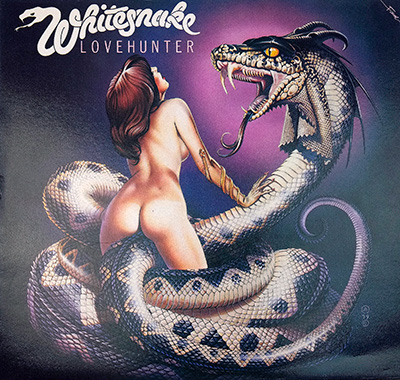
He played on the band’s first two albums, Trouble and Lovehunter, giving their early sound its earthy, blues-rock drive.
Though his tenure was short, his drumming provided the backbone for Whitesnake’s rise in the late 1970s.
Read full biography...
Before Whitesnake, Dowle had already carved out a reputation as a versatile drummer with the band
Streetwalkers, formed by ex-Family singer Roger Chapman. His blend of solid rock rhythms
and a bluesy swing made him a natural fit for David Coverdale’s post-Deep Purple project.
With Whitesnake, Dowle recorded on their debut album Trouble (1978) and its follow-up
Lovehunter (1979). These records showcased Whitesnake’s fusion of hard rock power and
blues traditions, with Dowle’s steady grooves anchoring the flashy guitar interplay of Bernie Marsden
and Micky Moody, as well as Jon Lord’s organ textures.
Despite his contribution, Dowle’s time in the band was brief. In 1979, he was replaced by former
Deep Purple drummer Ian Paice, whose name recognition and heavier style helped Whitesnake
expand its international appeal. Dowle moved on to other projects, including collaborations in the
1980s and 1990s, notably with the band Monaco.
While not as widely remembered as his successor, Dave Dowle’s work on Whitesnake’s first two albums
remains a key part of the band’s foundation. His drumming captured the raw energy of their formative
years and helped establish the groove that would carry Whitesnake into the 1980s.
|