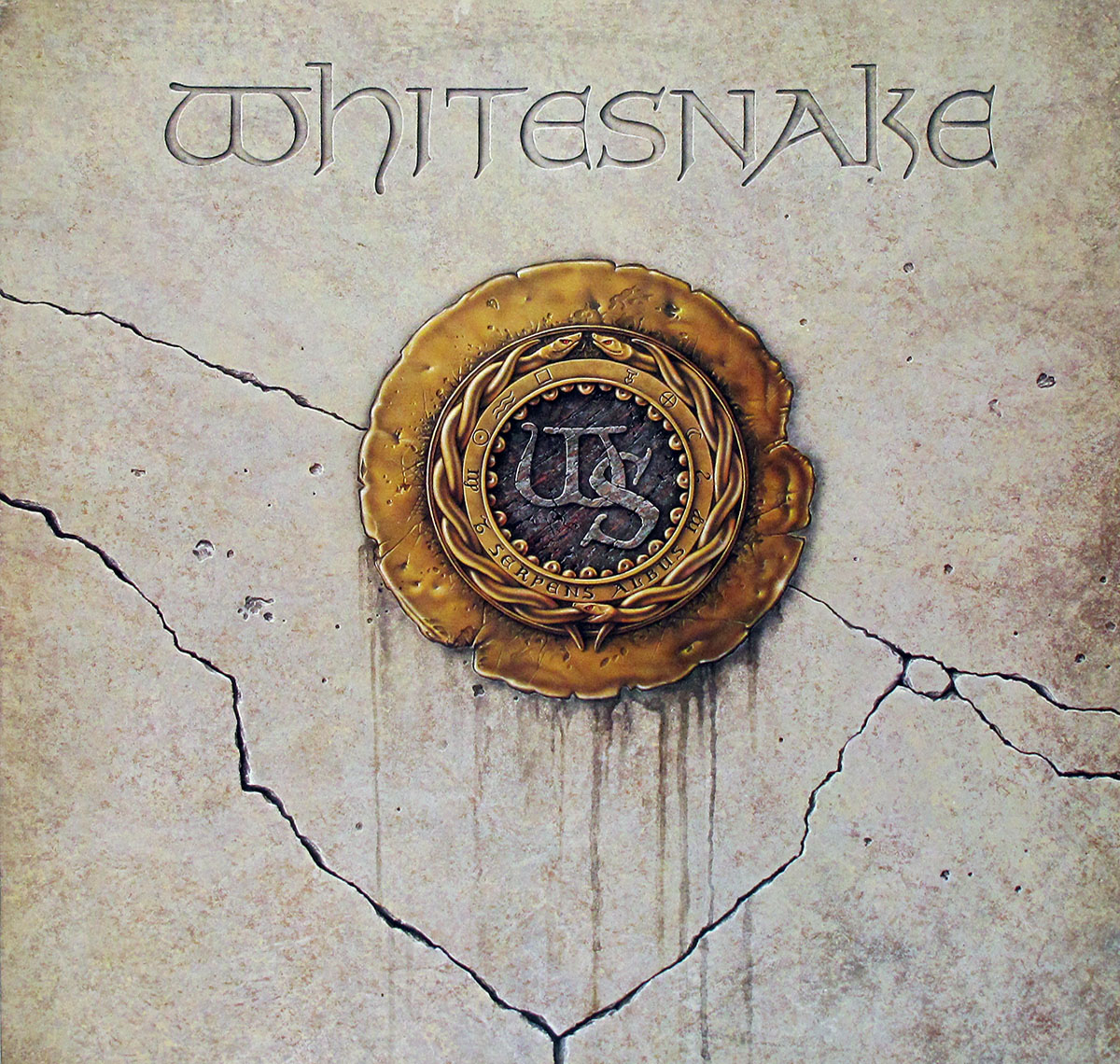
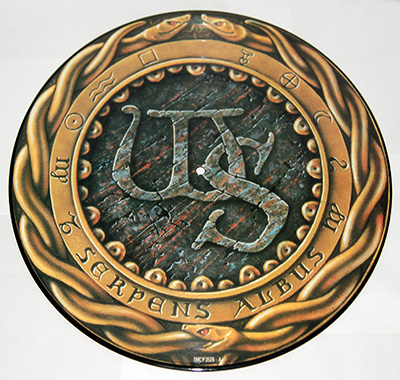
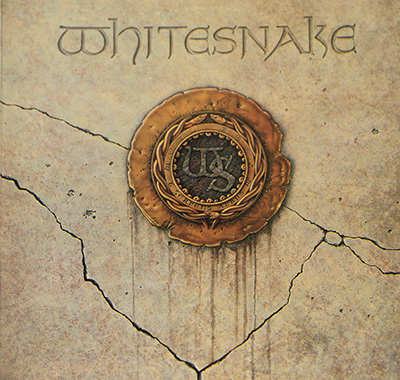
Ah, 1987. The year when hairspray budgets rivaled small nations' GDPs, MTV was the cultural epicenter, and rock stars were more godlike than ever. It was into this neon-drenched, spandex-clad arena that Whitesnake, led by the ever-so-suave David Coverdale, slithered their self-titled album. This wasn't just any record, mind you. This was the album that catapulted the band from hard rock heroes to chart-topping, MTV-dominating titans, solidifying their reputation as purveyors of both raucous rock and, let's be honest, a certain level of salaciousness.
Now, let's not kid ourselves: Whitesnake wasn't exactly reinventing the wheel here. They were peddling a brand of hard rock that was as familiar as it was irresistible. Think big, bombastic riffs, soaring vocals, and lyrics that dripped with enough sexual innuendo to make a sailor blush. This was music tailor-made for late-night drives, fist-pumping singalongs, and, let's face it, a fair bit of teenage hormonal confusion. The band's image, complete with Coverdale's flowing locks and Tawny Kitaen's provocative music video appearances, only fueled the fire.
But what set Whitesnake apart from the countless other bands vying for MTV airtime was their sheer, unadulterated swagger. Coverdale, with his raspy voice and undeniable charisma, was the quintessential rock frontman. He oozed confidence, and the rest of the band followed suit. They weren't afraid to embrace the clichés of the genre, but they did it with such conviction that it was hard not to get swept up in the moment.
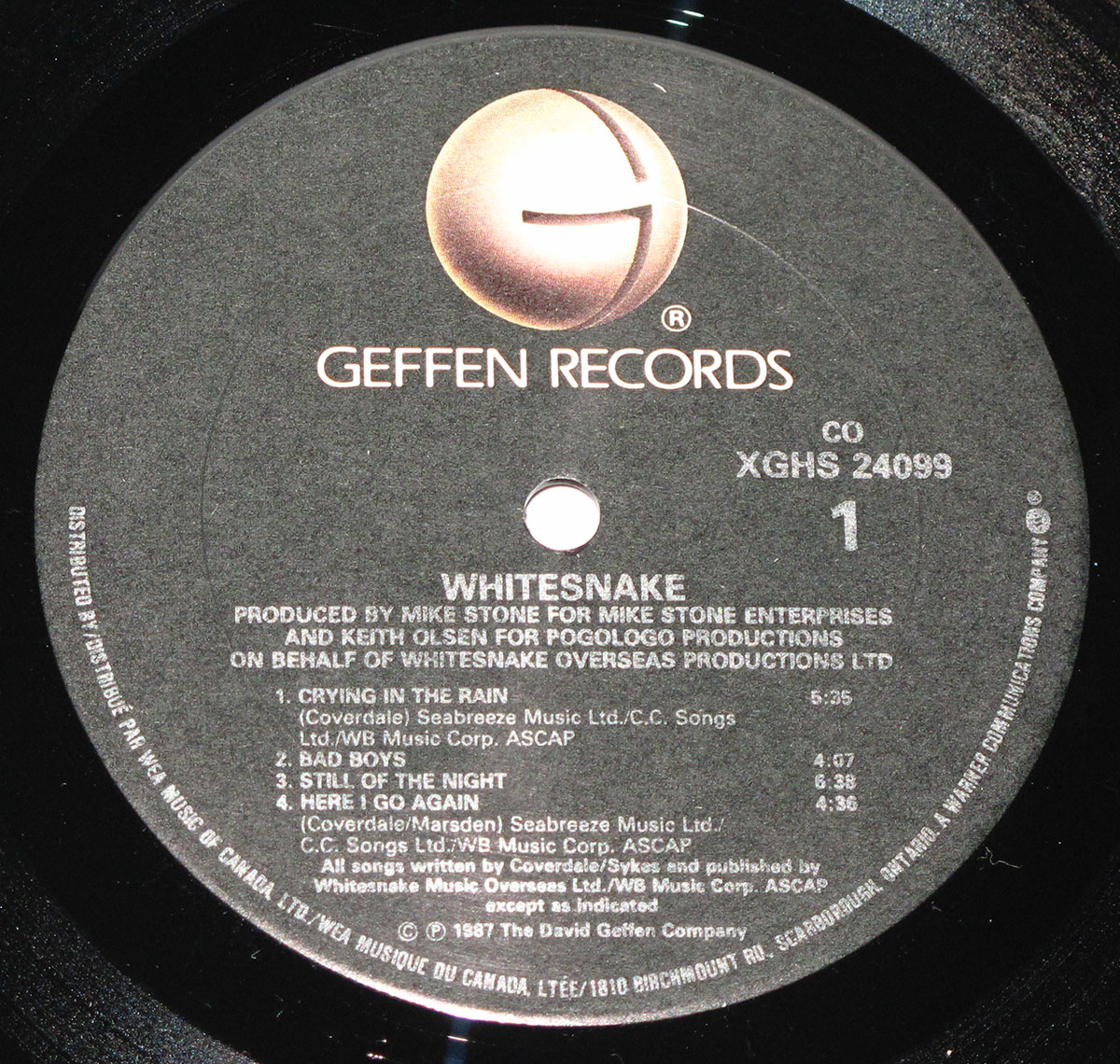
This self-titled album, often affectionately referred to as "1987," was a slick, polished affair. Recorded at Little Mountain Sound Studios in Vancouver – a veritable hair metal factory in the 80s – and produced by Mike Stone, a man who knew his way around a power ballad, the album was a calculated assault on the charts. And it worked.
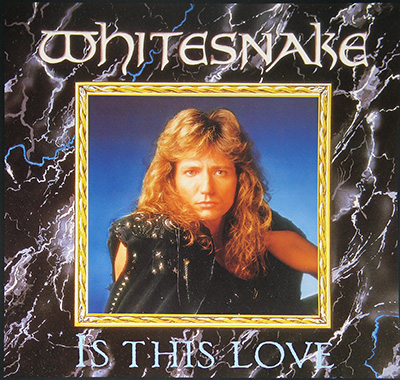
From the opening salvo of "Crying in the Rain" to the anthemic "Here I Go Again," the album was packed with hits. "Is This Love" showcased Coverdale's softer side, while "Still of the Night" was a bluesy rocker that proved the band could still get down and dirty. And of course, there was "Give Me All Your Love," a song that became synonymous with Whitesnake's image, thanks in no small part to Tawny Kitaen's unforgettable performance in the music video, cementing the band's reputation for embracing the era's over-the-top sexuality.
Now, let's address the elephant in the room: the controversy. Some critics dismissed Whitesnake as a shallow, image-obsessed band, more concerned with MTV airplay than artistic integrity. The revolving door of band members and Coverdale's penchant for surrounding himself with stunning women in music videos didn't help dispel this image. And sure, the album's production was glossy, the lyrics were often cheesy, and the music videos were… well, let's just say they embraced the excesses of the era. But amidst all the hairspray and posturing, there was a genuine sense of fun and a undeniable passion for rock and roll.
So, whether you're a die-hard Whitesnake fan or a cynical rock critic, there's no denying the impact of their self-titled album. It was a defining moment in hair metal history, a testament to the power of big hooks, big hair, and even bigger dreams. And even if you're not a fan of the genre, there's something undeniably thrilling about witnessing a band seize the zeitgeist and ride it all the way to the top.
So crank up the volume, let your hair down, and embrace the glorious excess of Whitesnake's self-titled masterpiece. It may not be high art, but it's damn good rock and roll. And in the end, isn't that what really matters?