Whitesnake "Lovehunter" 12" Vinyl LP Album

- The scandalous 1979 hard rock classic with Chris Achilleos’ infamous cover

Album Front Cover Photo of Whitesnake Lovehunter Visit: https://vinyl-records.nl/

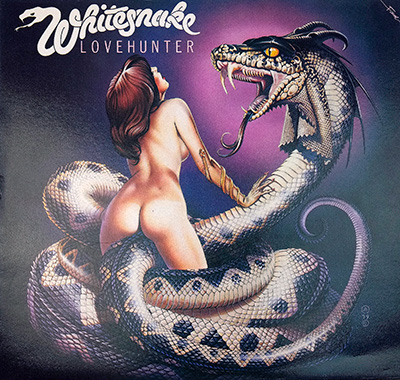
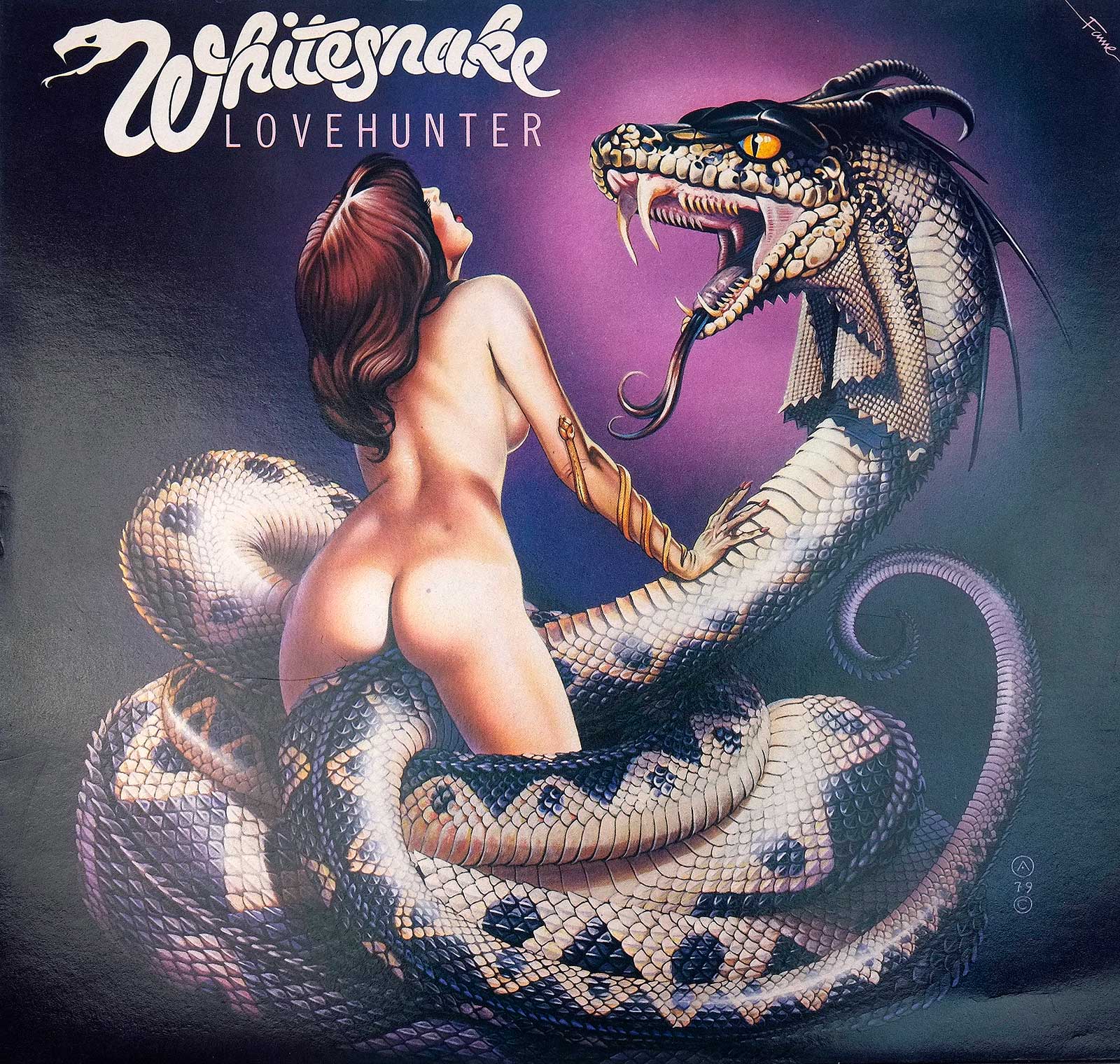
"Lovehunter" isn’t just another slab of late-70s hard rock—it's Whitesnake swaggering bare-chested into the room and dropping a bomb in the middle of polite society. The Chris Achilleos cover, a naked woman straddling a monstrous snake, is pure adolescent id with Freudian overtones slithering out of every painted scale. Sex, danger, domination, temptation—it's all there, blunt as a brick and twice as subtle. The music rides the same groove: sleazy riffs, blues-drenched vocals, and the kind of macho posturing that makes critics squirm and fans crank it louder.

Table of Contents

"Lovehunter" Album Description:

The world of rock music is filled with iconic album covers that have become synonymous with the bands and their music. In 1979, Whitesnake, a British hard rock band, released their second studio album, "Lovehunter", which featured an incredibly controversial cover art. Created by renowned fantasy artist Chris Achilleos, the album cover depicted a naked white female straddling a large snake. This bold and provocative artwork sparked considerable attention and controversy, causing Achilleos to distance himself from album cover designs for many years to come.

Chris Achilleos, known for his intricate and imaginative fantasy artwork, was commissioned to create the cover art for Whitesnake's "Lovehunter" album. Achilleos embraced the task, aiming to craft an image that would visually capture the essence of the album's title. He conjured up a striking and erotic scene where a sensuous woman fearlessly interacts with a colossal snake, blending themes of love, danger, and desire.

Upon its release, the cover art for "Lovehunter" stirred up immediate controversy. The image, depicting a nude woman straddling a snake, was considered highly provocative and sexually explicit for its time. The explicitness of the artwork drew widespread attention, both positive and negative. Many music fans found it intriguing and captivating, while others criticized it for being overly explicit and objectifying women.

Although the album cover sparked controversy and garnered attention, it had unintended consequences for Chris Achilleos. As a result of the uproar surrounding "Lovehunter", the artist found himself embroiled in controversy and faced backlash from various quarters. This negative response seemingly affected Achilleos, who reportedly became disillusioned with album cover commissions and subsequently distanced himself from the medium for a significant period.

Whitesnake's "Lovehunter" remains a significant cultural artifact, not only for its music but also for its controversial cover art. The album cover opened up a discourse on artistic freedom, censorship, and societal norms. It challenged the boundaries of what was considered acceptable in visual art, and in doing so, it pushed the envelope for album cover designs in the rock genre.

Over the years, the controversy surrounding the "Lovehunter" album cover has only grown. It has become a notable example of the power of visual imagery to provoke discussions and generate strong reactions. The cover's ability to incite debate and divide opinions speaks to its enduring impact and lasting legacy in the realm of album art.

Production & Recording Information:

Music Genre:

Hard Rock, Heavy Metal, Glam Rock

Whitesnake’s sound on "Lovehunter" blends driving hard rock riffs, the heaviness of late 70s metal, and the swagger of glam rock aesthetics. It stands as a transitional moment for the band, leaning into heavier grooves while maintaining bluesy undertones.

Producers:
  • Martin "P.C." Birch – Producer for Sunburst Records and YOU!
  • Martin Birch – Producer, Sound Engineer

    I first noticed Martin Birch on those early Iron Maiden sleeves—the ones with the typography that felt like a threat. At twelve, I didn’t care about "production value"; I just liked that the guitars didn't sound like mud. He was the man behind the sound mixer, the one who made the snare snap like a dry branch in a cold forest. He was "The Headmaster," and we were all just students of his high-voltage curriculum.

    Birch didn’t just record noise; he organized aggression. By 1972, he was already wrangling the messy brilliance of Deep Purple’s Machine Head, turning Ian Gillan’s banshee wails into something that didn't just clip the tape but lived inside it. In 1980, he pulled off the ultimate renovation, giving Black Sabbath a much-needed shower and a new spine. Heaven and Hell shouldn't have worked, but Martin polished that Birmingham sludge into something operatic and gleaming. It was a pivot that felt like fate, mostly because he refused to let the mid-range get lazy.

    Then came the long, obsessive stretch with Iron Maiden from 1981 to 1992. It was a twelve-year marriage to the fader. From the moment Killers (EMC 3357, for those who care) hit the shelves, the sound was physical. He knew how to let Steve Harris’s bass clatter like a machine gun without drowning out the melody—a sonic miracle that still feels fresh. You can almost smell the ozone and the dust on the Marshall stacks when the needle drops on The Number of the Beast. He stayed until Fear of the Dark, then simply walked away. No victory lap, no bloated memoir. He preferred the hum of the desk to the noise of the crowd, leaving us with nothing but the records and a slight sense of abandonment. But then, when you’ve already captured lightning on tape for twenty years, why bother hanging around for the rain?
Recording Location:

Clearwell Castle, Gloucestershire with the Rolling Stones Mobile

Mixing Studio & Location:

Central Recorders Studio and Sauna, London – 1979

Album Cover Design & Artwork:
  • Chris Achilleos – Cover Design

    Chris Achilleos is a renowned painter and illustrator, born on 30 October 1947, in Famagusta, Cyprus. He later moved to the United Kingdom, where he established himself as one of the most prominent and influential artists in the fields of fantasy and science fiction.

    Read more...

    From an early age, Achilleos displayed a keen interest and natural talent for art. He studied at the Hornsey College of Art in London, where he honed his skills and developed a distinctive artistic style. Inspired by the works of renowned fantasy artists such as Frank Frazetta and Roy G. Krenkel, Achilleos began to create his own imaginative and captivating artworks.

    In the early stages of his career, Achilleos primarily focused on book covers, producing stunning illustrations for popular science fiction and fantasy novels. His attention to detail, combined with his ability to create intricate and dynamic compositions, quickly made him a sought-after artist in the publishing industry. Some of his notable book cover illustrations include works for authors such as Michael Moorcock, Isaac Asimov, and Robert E. Howard.

    Achilleos's talent extended beyond book covers, leading him to venture into other areas of art and illustration. His artwork graced the covers of numerous magazines, including Heavy Metal and Playboy, where his captivating and often provocative images garnered widespread attention and acclaim.

    In addition to his contributions to the world of literature and magazines, Achilleos made a significant impact on the music industry. He created iconic album covers for various renowned bands, including Uriah Heep, Saxon Helloween. His ability to capture the essence of a band's music and translate it into visual form made him a favorite among musicians and fans alike.

    One of Achilleos's notable contributions to the realm of album cover art is his work for the band Uriah Heep. His collaboration with Uriah Heep resulted in the creation of the mesmerizing cover illustration for their album "Fallen Angel." Released in 1978, the German gatefold 12" LP vinyl version of the album showcased Achilleos's talent for capturing the essence of the band's music through captivating fantasy art.

    Chris Achilleos's artwork has been exhibited in galleries and exhibitions worldwide, further solidifying his reputation as a masterful artist. His distinctive style, characterized by meticulous attention to detail, vibrant colors, and a sense of dynamic energy, continues to captivate and inspire art enthusiasts to this day.

    Throughout his career, Achilleos has received numerous accolades and awards for his contributions to the world of art. He has been honored with the British Fantasy Award for Best Artist, as well as receiving the World Fantasy Award for Best Artist and the Hugo Award for Best Professional Artist.

    Chris Achilleos's impact on the world of fantasy and science fiction art cannot be overstated. His captivating and imaginative illustrations have left an indelible mark on the genre, influencing and inspiring generations of artists and fans. With a career spanning several decades, Achilleos's legacy continues to grow, ensuring his place as one of the most celebrated and influential artists in the realm of fantasy and science fiction.

  • John Pasche – Art Direction
    Best known as the designer of The Rolling Stones’ iconic “Tongue and Lips” logo, Pasche’s art direction work defined the visual identity of many classic rock albums.
  • Hiro Ohno – Photography
    Japanese photographer who captured striking promotional and album images for numerous rock bands in the 1970s, helping to shape their public image through his sharp visual style.
  • Jim Gibson – Logo
    Graphic designer credited with creating distinctive band logos and visual identities during the late 1970s rock era, ensuring immediate recognition and branding power for Whitesnake.
Label & Catalognr:

UAG 30264 / FAME 4130951

Media Format:

12" Vinyl Full-Length Stereo Long-Play Gramophone Record
Album weight: 230 gram

Year & Country:

1979 – Made in EEC

Band Members / Musicians:

Band Line-up:
  • David Coverdale – Vocals
  • David Coverdale – Vocals

    My shelves have plenty of loudmouths, but few singers can swing from blues grit to arena-sized drama as naturally as Coverdale.

    David Coverdale, the kind of frontman who makes a chorus feel like a marching order, first sharpened his pipes in local outfits like Vintage 67 (1966–1968), The Government (1968–1972), and the Fabulosa Brothers (1972–1973) before stepping into the big-league furnace as Deep Purple’s lead singer (1973–1976). After Purple imploded, the story didn’t get smaller—it got craftier: two solo moves (1977–1978) to keep the blues-blood flowing, then the real flag-plant with Whitesnake (founded 1978), where that husky, soul-soaked roar turned into a signature brand of hard rock theatre. Later, during Whitesnake’s early-90s break, the plot swerved into supergroup territory with Coverdale•Page (1990–1993), proving he could still pick a fresh fight with the gods of volume without losing his melodic nerve.

  • Micky Moody – Guitars
  • Micky Moody – Guitar, slide guitar

    My kind of guitarist: the slide sings, the rhythm bites, and the notes smell faintly of backstage smoke and bad decisions.

    Micky Moody never struck me as a “guitar hero” in the mirror-polish sense—more like the guy who actually knows where the blues is buried, and keeps a shovel in the van. The early graft runs through Juicy Lucy in the early 1970s (those records from 1970–1972 tell the story), then into Snafu (1973–1975) where the groove got funkier and the guitar got meaner without losing its human pulse. By 1977–1978 he’s right there on David Coverdale’s solo run (White Snake and Northwinds), and when Whitesnake properly unfurls in 1978, the slide work becomes part of the band’s DNA—blue-collar riffing with enough grit to sand down the shiny bits of hard rock. Later chapters keep him busy and stubbornly alive in the scene: The Snakes (formed 1997) and, decades on, Snakecharmer (2011–2015), because some players don’t “retire”—they just keep turning up with a guitar case and a look that says, “Yeah, this’ll do.”

  • Bernie Marsden – Guitars
  • Bernie Marsden – Guitarist, Songwriter, Producer

    Whitesnake’s blues-rock secret weapon: a British guitarist/songwriter who helped shape late-’70s/early-’80s hard rock and co-wrote “Here I Go Again”.

    Bernie Marsden was a legendary British guitarist, songwriter, and producer best known for his iconic work with Whitesnake. His bluesy riffs and songwriting chops helped define hard rock in the late ’70s and early ’80s, including co-writing the smash hit “Here I Go Again.” Bernie Marsden Wiki.

  • Jon Lord – Keyboards
  • Jon Lord – Keyboards

    On my best days, that Hammond roar still sounds like cathedral pipes hijacked by a Marshall stack—and Jon Lord is the reason.

    Jon Lord, British keyboardist, composer, and co-founder of Deep Purple, never played “background” the way polite musicians do—he attacked the keys like they owed him money, then turned around and wrote with the discipline of a trained composer. The story starts in the R&B trenches with The Artwoods (1964–1967), then detonates when he helps launch Deep Purple (1968–1976; 1984–2002), where that distorted Hammond became a lead instrument with teeth. After Purple’s first collapse, the road briefly rerouted through Paice Ashton Lord (1976–1978), and then straight into David Coverdale’s orbit with Whitesnake (1978–1984), adding class, weight, and that unmistakable “burning organ” halo to bluesy hard rock. Underneath all the volume, the man kept one foot in the concert hall—because some people can shred and still hear the orchestra in their heads.

  • Neil Murray – Bass
  • Neil Murray – Bass

    Some bass players politely “support” a band; Neil Murray locks in like a steel beam and dares the whole song to collapse without him.

    Neil Murray, bass guitar player and best known for holding down the low end in the British hard rock machine called "Whitesnake" (1978–1986), is the sort of musician collectors like me quietly obsess over because the evidence is on the record: tight, musical, never flashy for the sake of it, and always moving the song forward. Before that Whitesnake era properly caught fire, the man earned his stripes in the mid-70s heavy-progressive circuit with the Ian Gillan Band (1975–1978) and Colosseum II (1975–1977), where the playing demanded brains, stamina, and a strong back. Post-Whitesnake, the resume keeps getting weirder in the best way—stints with "Black Sabbath" around 1989–1991, then later the Brian May Band (1998), and other hard-rock projects that prove one thing: when you need a bassist who can make big guitars feel even bigger, Murray tends to be the name that shows up on the call sheet.

  • Dave Dowle – Drums.

    Dave Dowle was the original drummer of Whitesnake, active only from 1978–1979. He played on the band’s first two albums, Trouble and Lovehunter, giving their early sound its earthy, blues-rock drive. Though his tenure was short, his drumming provided the backbone for Whitesnake’s rise in the late 1970s.

    Read full biography...

    Before Whitesnake, Dowle had already carved out a reputation as a versatile drummer with the band Streetwalkers, formed by ex-Family singer Roger Chapman. His blend of solid rock rhythms and a bluesy swing made him a natural fit for David Coverdale’s post-Deep Purple project.

    With Whitesnake, Dowle recorded on their debut album Trouble (1978) and its follow-up Lovehunter (1979). These records showcased Whitesnake’s fusion of hard rock power and blues traditions, with Dowle’s steady grooves anchoring the flashy guitar interplay of Bernie Marsden and Micky Moody, as well as Jon Lord’s organ textures.

    Despite his contribution, Dowle’s time in the band was brief. In 1979, he was replaced by former Deep Purple drummer Ian Paice, whose name recognition and heavier style helped Whitesnake expand its international appeal. Dowle moved on to other projects, including collaborations in the 1980s and 1990s, notably with the band Monaco.

    While not as widely remembered as his successor, Dave Dowle’s work on Whitesnake’s first two albums remains a key part of the band’s foundation. His drumming captured the raw energy of their formative years and helped establish the groove that would carry Whitesnake into the 1980s.

Complete Track-listing:

Tracklisting Side One:
  1. Long Way from Home (4:56) Single
  2. Walking in the Shadow of the Blues (4:24) Single
  3. Help Me Thro' the Day (4:39) Cover
    This is a cover of a song originally written and recorded by Leon Russell (from his 1972 album Carney).
  4. Medicine Man (3:59)
  5. You 'n' Me (3:30)
Video: Whitesnake - Long Way from Home (Official Music Video)
Tracklisting Side Two:
  1. Mean Business (3:48)
  2. Love Hunter (5:39)
  3. Outlaw (4:03)
  4. Rock 'N' Roll Women (4:45)
  5. We Wish You Well (1:34)
Video: Whitesnake - Lovehunter
Album Front Cover Photo
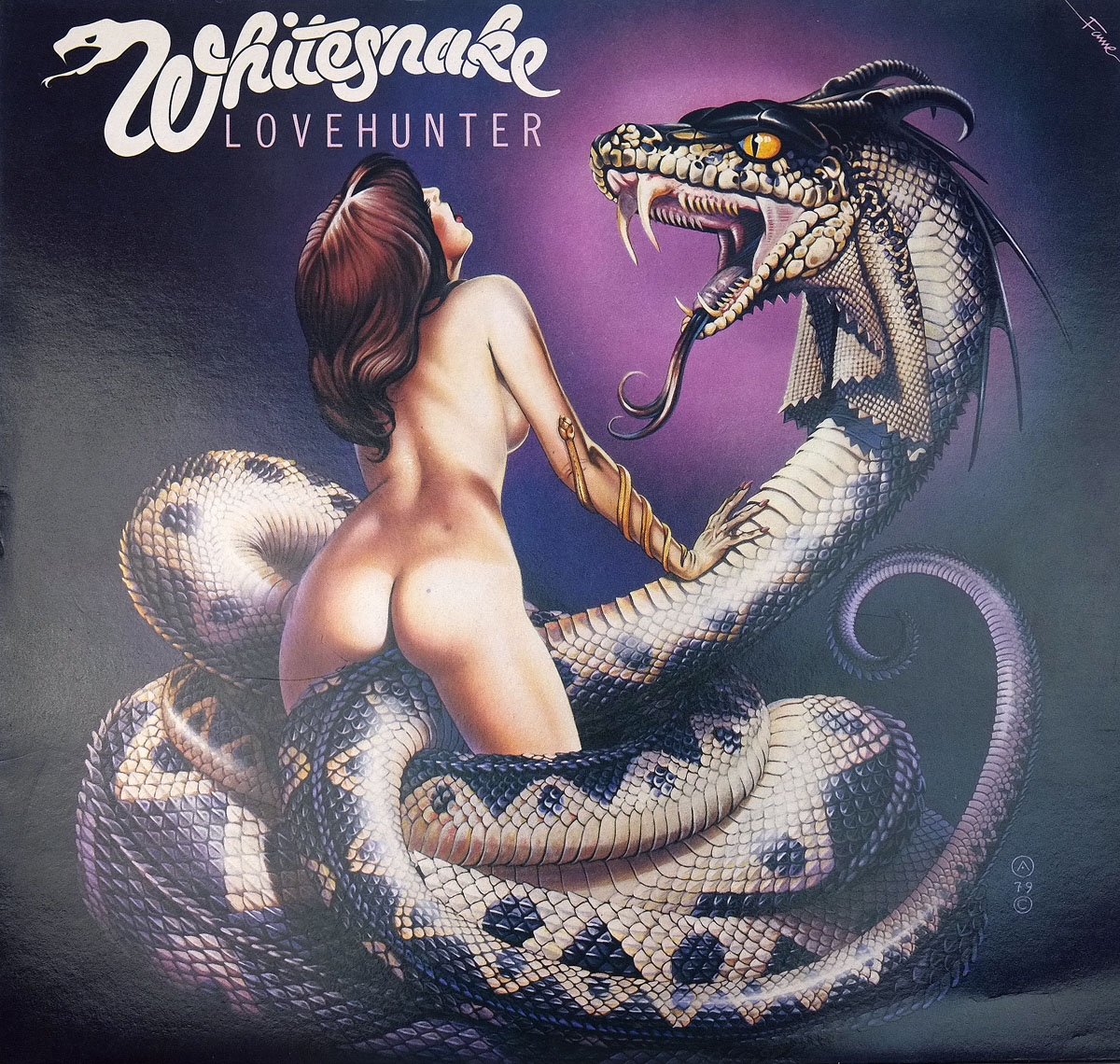
The front cover of Whitesnake's 1979 album Lovehunter shows a striking fantasy painting by Chris Achilleos. At the center, a nude woman with long brown hair kneels backward against the coils of a massive snake. The serpent's scaled body wraps tightly around her legs and torso, while its dragon-like head rises menacingly to face her, mouth open to reveal sharp fangs and a forked tongue. The woman’s arm stretches upward, grasping the snake’s neck in a gesture both vulnerable and defiant. The background is a gradient of dark purple fading into black, amplifying the sensual and dangerous atmosphere. The band’s name Whitesnake, stylized with a coiled serpent forming the initial letter, and the album title Lovehunter appear at the top in bold white type.

The front cover of Whitesnake’s album "Lovehunter" features an iconic piece of fantasy art by illustrator Chris Achilleos. A nude woman with flowing brown hair kneels against the muscular body of a giant serpent. Her back is turned, accentuating her bare form while one arm stretches to clutch the snake’s neck in a mix of resistance and embrace.

The serpent, drawn with exaggerated dragon-like features, coils tightly around her lower body. Its head looms menacingly above, mouth open wide to display sharp fangs, a forked tongue, and glowing eyes. The scales shimmer in shades of grey and cream, with intricate patterns creating texture and realism.

Above the scene, the band’s name Whitesnake is written in bold white script, with a stylized serpent forming part of the logo, and beneath it the album title "Lovehunter" appears in all caps. The background fades from violet to deep black, casting the erotic and dangerous tableau in dramatic contrast.

Album Back Cover Photo
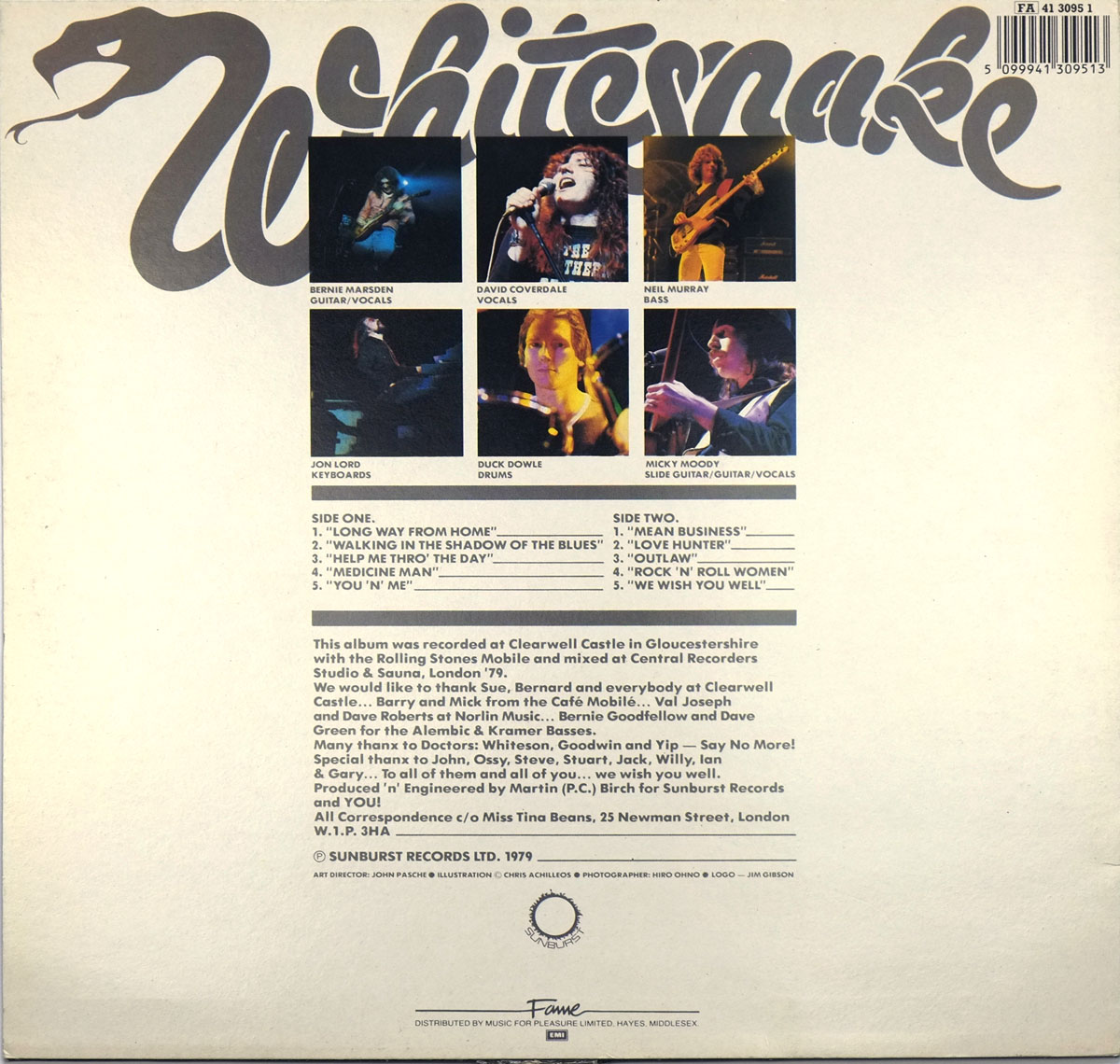
The back cover of Whitesnake's 1979 album Lovehunter. The sleeve has a cream background with the Whitesnake logo across the top in bold grey letters, the serpent forming part of the first letter. Below the logo are six square color photos of the band members: Bernie Marsden on guitar, David Coverdale singing, Neil Murray on bass, Jon Lord on keyboards, Duck Dowle on drums, and Micky Moody on slide guitar. Beneath the photos, the track listing is presented in two columns for Side One and Side Two. At the bottom are detailed production credits, recording locations including Clearwell Castle and Central Recorders Studio & Sauna, acknowledgements, and copyright details for Sunburst Records Ltd. 1979, with the Fame logo and distribution note.

The back cover of Whitesnake’s "Lovehunter" album presents a structured layout on a cream background. At the top, the large Whitesnake logo dominates, featuring the serpent motif winding into the lettering. Beneath it, six individual band portraits appear in color blocks: Bernie Marsden (guitar/vocals), David Coverdale (vocals), Neil Murray (bass), Jon Lord (keyboards), Duck Dowle (drums), and Micky Moody (slide guitar/vocals).

Below the photos, the complete track listing is divided into two sections, clearly labeled Side One and Side Two, featuring songs such as "Long Way from Home," "Walking in the Shadow of the Blues," and the title track "Love Hunter."

At the bottom, detailed credits are printed, noting recording at Clearwell Castle with the Rolling Stones Mobile and mixing at Central Recorders Studio & Sauna, London, 1979. Acknowledgements to crew, suppliers, and friends follow, alongside copyright information for Sunburst Records Ltd. 1979. The Fame logo and distribution details are also displayed, rounding out the professional and archival presentation.

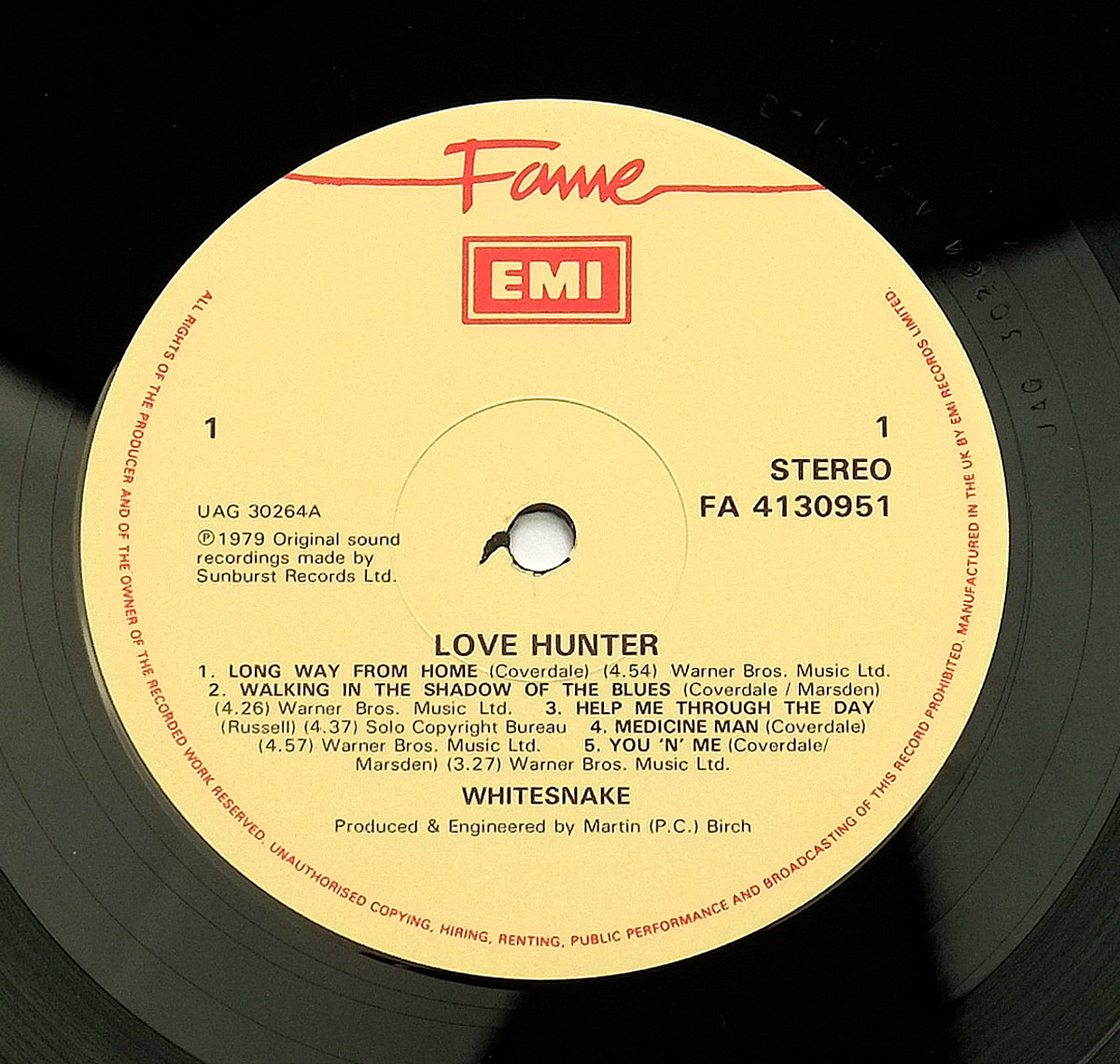
Close up of Side One record’s label
Close-up of Side One record label for Whitesnake's 1979 album Lovehunter. The label is cream-colored with a red Fame logo at the top and EMI boxed beneath it. Around the outer edge, small red text reads 'All rights of the producer and of the owner of the recorded work reserved.' The catalog number UAG 30264A is printed on the left, with FA 4130951 and Stereo designation on the right. The track listing for Side One is centered below the title Love Hunter, listing songs including Long Way From Home, Walking in the Shadow of the Blues, Help Me Through the Day, Medicine Man, and You 'N' Me. At the bottom, production credit notes Martin (P.C.) Birch as producer and engineer, with copyright ©1979 Sunburst Records Ltd.

This close-up of the Side One record label for Whitesnake’s "Lovehunter" captures a cream-colored design dominated by the bold red Fame logo, with EMI boxed prominently beneath. The circular layout follows late-1970s UK/EEC vinyl label standards.

On the left side, the catalog number UAG 30264A appears, while the right side shows FA 4130951 with “Stereo” printed clearly. At the center, the album title Love Hunter heads the track list for Side One: "Long Way From Home," "Walking in the Shadow of the Blues," "Help Me Through the Day," "Medicine Man," and "You 'N' Me."

The lower section carries copyright ©1979 Sunburst Records Ltd., along with the production credit: Produced & Engineered by Martin (P.C.) Birch. Around the rim, fine red print outlines rights and restrictions typical of EMI releases of the period.

Whitesnake: 40 Years of Heavy Bluesy Rock Anthems, Guitar Solos, and Powerhouse Vocals in a Discography of 13 Albums

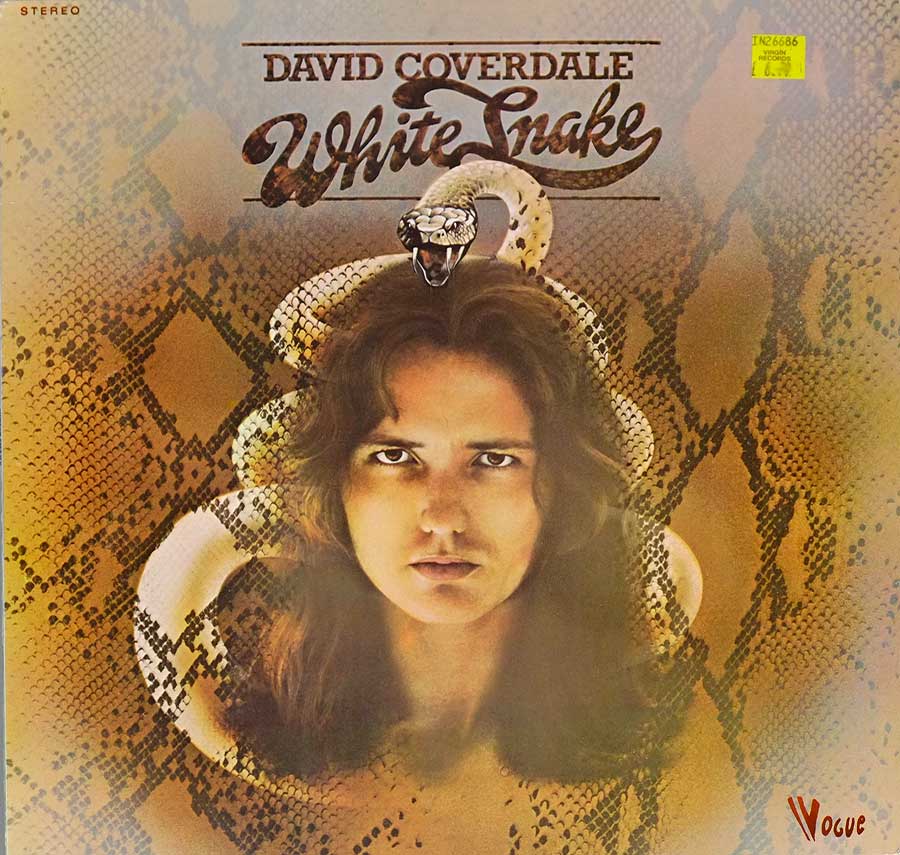
DAVID COVERDALE - WhiteSnake album front cover vinyl record
DAVID COVERDALE - WhiteSnake

David Coverdale's 1977 solo album, "WhiteSnake," marked the genesis of his iconic band and left an indelible mark on rock history. Produced by Roger Glover, its meticulous creation at Kingsway Recorders, London,

WhiteSnake 12" Vinyl LP
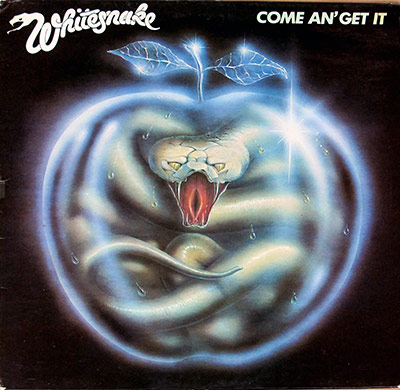
WHITESNAKE - Come and Get it (Dutch & French Releases) album front cover vinyl record
WHITESNAKE - Come and Get it (French Releases)

Whitesnake's "Come an' Get It" album is a testament to the band's prowess in delivering hard-hitting rock and blues-infused music. Released in 1981, the album showcases the songwriting and vocal talents of David Coverdale,

- Come An' Get It (1981, France)
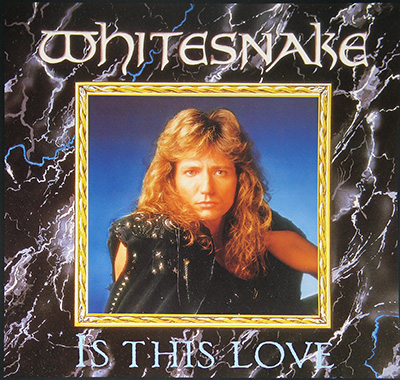
WHITESNAKE - Is This Love album front cover vinyl record
WHITESNAKE - Is This Love

Released in 1987 at the peak of hard rock’s glossy, arena-filling era, Whitesnake’s *“Is This Love”* 12-inch Maxi-Single captured the band’s perfect balance of passion and power. David Coverdale’s velvet roar met polished production from Mike Stone and Keith Olsen, creating a timeless anthem that turned heartbreak into cinematic, radio-ready perfection.

WHITESNAKE - Live in Heart of the City (European Releases) album front cover vinyl record
WHITESNAKE - Live in Heart of the City (European Releases)

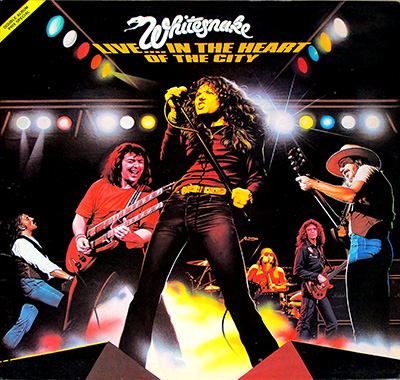
The 1980 UK release of Whitesnake's "Live in the Heart of the City" album is a powerhouse live recording. Captured in the heart of the city, the band's energetic performances shine through each track.

- Live in Heart of the City (1980, France) - Live in the Heart of the City 2LP (1980, Holland) - Live in the Heart of the City (1980, UK)
Updated Whitesnake Lovehunter album front cover vinyl LP album https://vinyl-records.nl
WHITESNAKE - Lovehunter

Whitesnake’s 1979 "Lovehunter" is a fiery hard rock statement, blending blues swagger with Coverdale’s commanding vocals. Produced by Martin (P.C.) Birch, it features searing guitar work by Micky Moody and Bernie Marsden, while Chris Achilleos’ notorious cover art cemented its place as one of rock’s most provocative vinyl releases.

WHITESNAKE - Ready and Willing (EU & German Releases) album front cover vinyl record
WHITESNAKE - Ready and Willing (EU & German Releases) 12" Vinyl LP

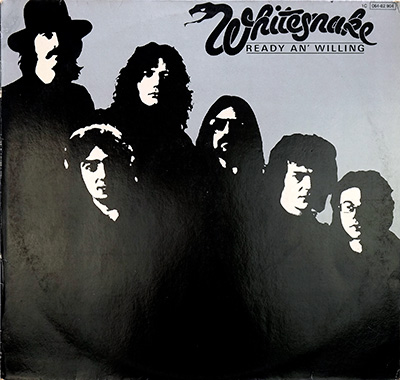
"Ready an' Willing" was Whitesnake's 1980 album and it was the band's first to chart outside of the U.K. reaching #32 in Norway and #90 in the U.S. It featured two of the band's UK single-hits from that year: "Fool for Your Loving"

- Ready and Willing (EU Release) - Ready and Willing (Germany)
WHITESNAKE - Saints and Sinners album front cover vinyl record
WHITESNAKE - Saints and Sinners

The 1982 "Saints and Sinners" 12" LP showcases the band's signature blend of hard rock and blues-infused melodies. With tracks like "Young Blood," "Here I Go Again," and "Crying in the Rain,"

Saints and Sinners 12" Vinyl LP
WHITESNAKE - Self-Titled Picture Disc album front cover vinyl record
WHITESNAKE - Self-Titled Picture Disc

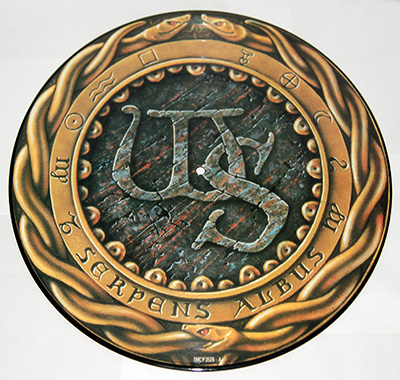
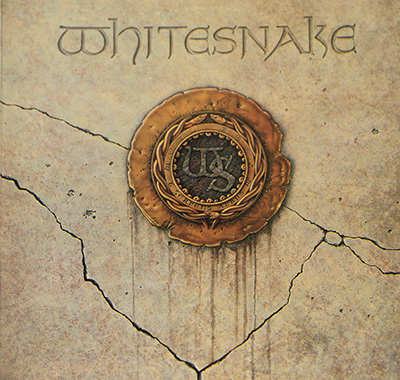
The 1987 Whitesnake self-titled 12" vinyl (PD) picture disc is an iconic release in the world of rock music. This album marked a significant turning point in the band's career, as it catapulted them to international stardom

Self-Titled Picture Disc 12" Vinyl LP
WHITESNAKE - Self-titled (1987 Multiple International Releases) album front cover vinyl record
WHITESNAKE - Self-titled (1987 Multiple International Releases)

This 1987 vinyl record by Whitesnake is a hard rock classic. Featuring iconic tracks like "Here I Go Again" and "Is This Love," it's a signature piece for fans of the era's glam metal sound.

- Self-titled (1987, Bulgaria) - Self-titled (1987, Canada) - Self-Titled (1987, Germany) - Self-titled (1987, USA)
WHITESNAKE - Trouble album front cover vinyl record
WHITESNAKE - Trouble

Trouble is the first studio album from British rock band Whitesnake, led by former Deep Purple vocalist David Coverdale. This album also features Coverdale's former bandmate Jon Lord from Deep Purple for the first time.

Trouble 12" Vinyl LP Learn more