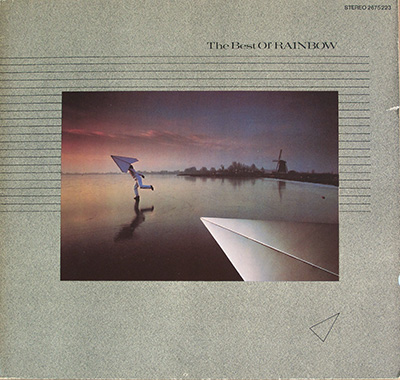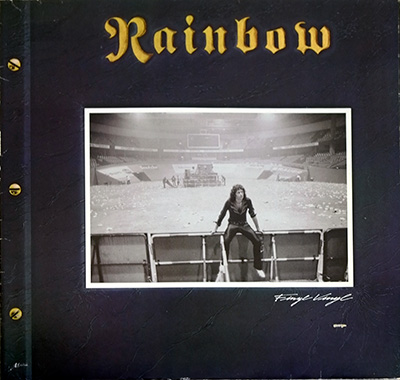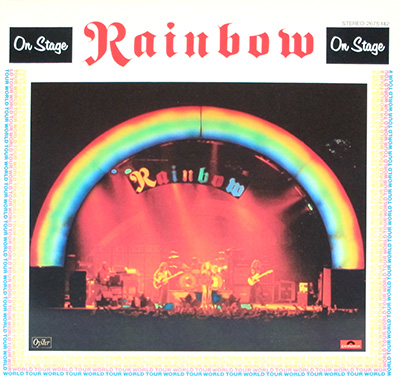
RAINBOW Band Description:
I first saw Rainbow the way you meet most lifelong problems: by accident, with the volume too high and zero plans to behave. In 1975 Ritchie Blackmore walked away from Deep Purple and decided the world needed something sharper, stranger, and way less democratic.
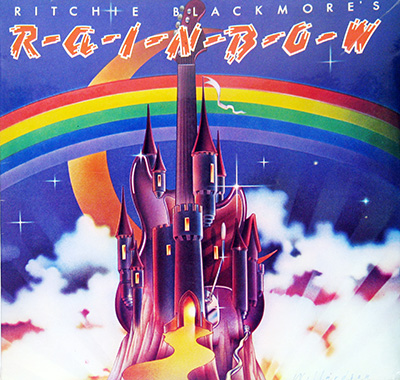
The early setup was pure lightning-in-a-bottle: Ronnie James Dio on vocals, Blackmore on guitar, Craig Gruber on bass, Micky Lee Soule on keyboards, Gary Driscoll on drums. They cut the debut "Ritchie Blackmore's Rainbow" in 1975. The funny part is how fast it all shifted: that exact album line-up didn’t really get to settle in, let alone become a stable “classic” unit.
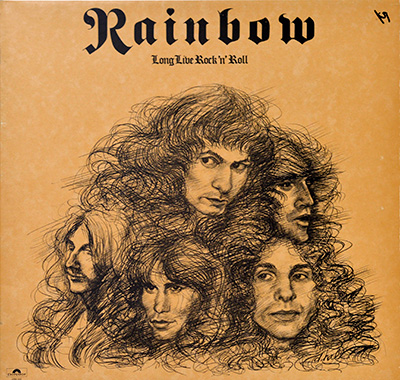
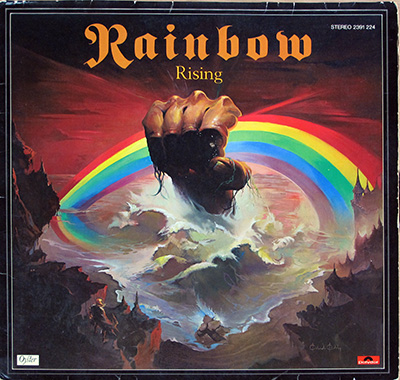
The Dio-era albums still feel like a door being kicked open. "Ritchie Blackmore's Rainbow" (1975), "Rising" (1976), "Long Live Rock 'n' Roll" (1978) — it’s not “influential,” it’s invasive. Dio doesn’t politely sing; he throws big, moral, fantasy-weather stories right into your living room. Blackmore answers with riffs that sound like he’s fencing in a stone hallway. I prefer that Rainbow. No contest.
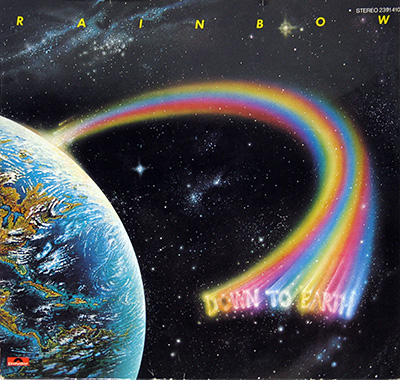
Then 1979 happens. Dio leaves and heads toward Black Sabbath, and Rainbow swivels toward a sleeker bite. Graham Bonnet takes the mic for "Down to Earth" (1979), and "Since You've Been Gone" shows up like a catchy burglar: in your head, in your day, in your car stereo, whether you invited it or not.
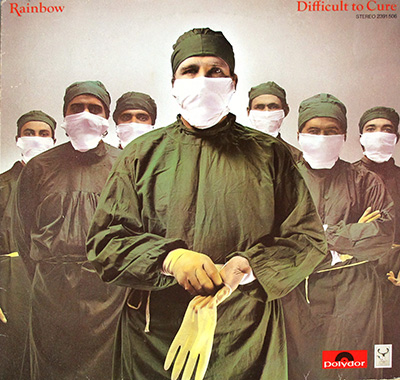
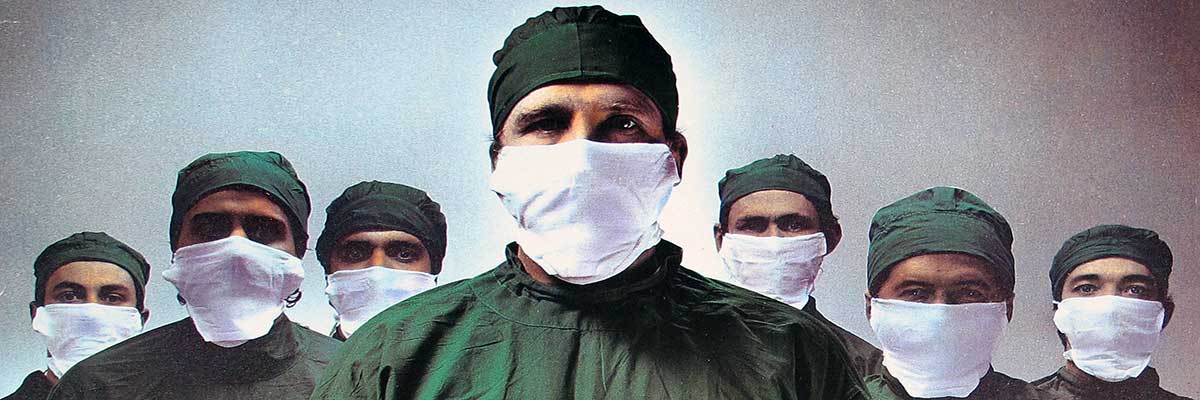
Joe Lynn Turner arrives for "Difficult to Cure" (1981), and Blackmore pulls a move that still makes me grin: he drags Beethoven’s “Ode to Joy” theme into a hard rock bar fight. Not a whole symphony. Just the bit everyone recognizes. Like a wink with brass knuckles.
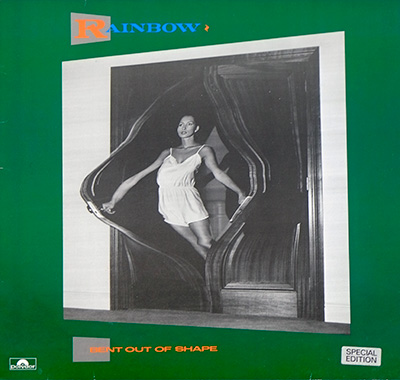
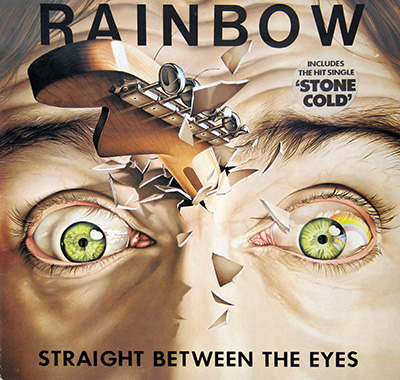
The Turner run keeps rolling with "Straight Between the Eyes" (1982) and "Bent Out of Shape" (1983). This is where some fans cheer and some fans grumble. I’m in the grumble camp more often than not. It’s good, it’s professional, it’s hooky — and sometimes I miss the dragons.
Rainbow fades out in the mid-80s with the Deep Purple reunion, then Blackmore brings it back in 1993 with a new cast and a new voice. Doogie White fronts "Stranger in Us All" (1995), and it’s not a nostalgia act — it’s Blackmore doing what he always does: keeping the guitar in charge, keeping the mood slightly medieval, and keeping everybody else slightly on edge.
And because Blackmore can’t fully quit anything, the name returns again for live shows starting in 2016. Ronnie Romero takes vocals, Jens Johansson handles keyboards, with Bob Nouveau on bass and David Keith on drums. It’s not the 70s anymore. The songs don’t care.
Dio once put it bluntly: “If you're not different, no one's going to care about you.” That’s basically Rainbow’s entire reason for existing — whether you like the stormy Dio years or the later glossy swing at radio. Pick your poison. Just don’t call it “important” like you’re filing paperwork.
Rainbow wasn’t built to be tidy. It was built to hit you. If this page doesn’t make you want to play something loud and argue about which era counts, you’re either having a very calm day — or you’re beyond help.
References
- Vinyl Records Gallery — high-resolution album cover photos
- Rainbow (rock band) — overview, discography, timeline
- "Ritchie Blackmore's Rainbow" (1975) — debut album details and personnel
- "Stranger in Us All" (1995) — Doogie White era personnel
- 2016 Rainbow lineup announcement (Blabbermouth)
- Ronnie James Dio interview excerpt (identity / being different)