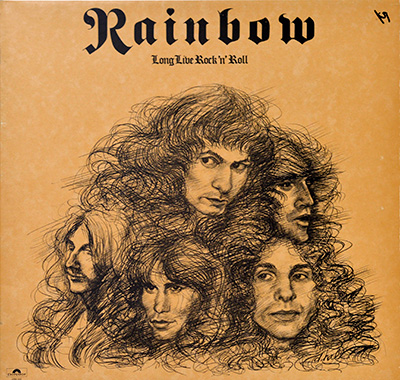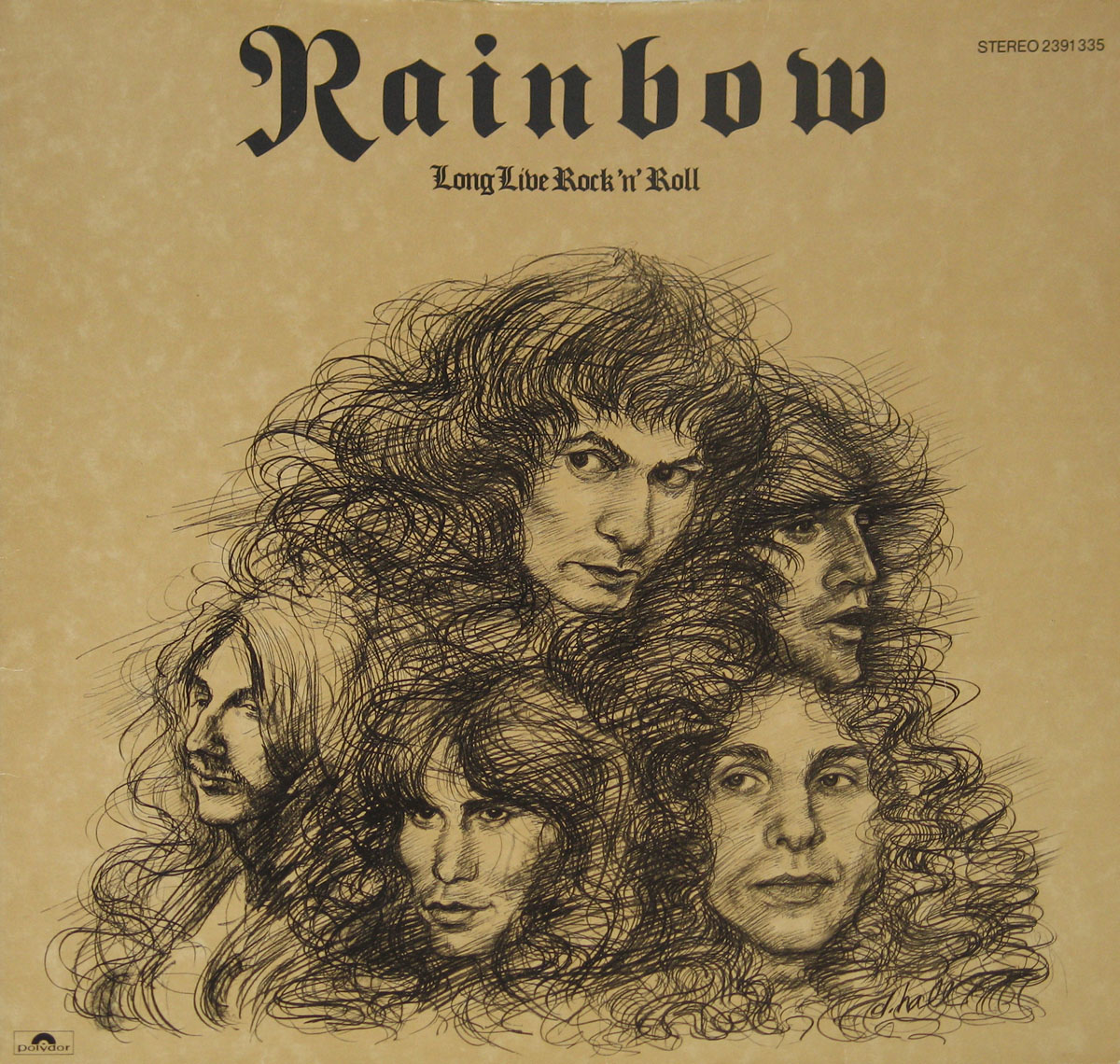
"Long Live Rock 'n' Roll" (1978) Album Description:
"Long Live Rock 'n' Roll" hit in April 1978 like Rainbow kicking the door back open while half of Britain was busy safety-pinning punk onto everything that moved. It went Top 10 in the UK and didn't just survive the mood of the year, it stared it down: Dio preaching like a street prophet, Blackmore carving riffs with that cold, medieval grin, and Martin Birch keeping the whole thing sharp enough to draw blood.
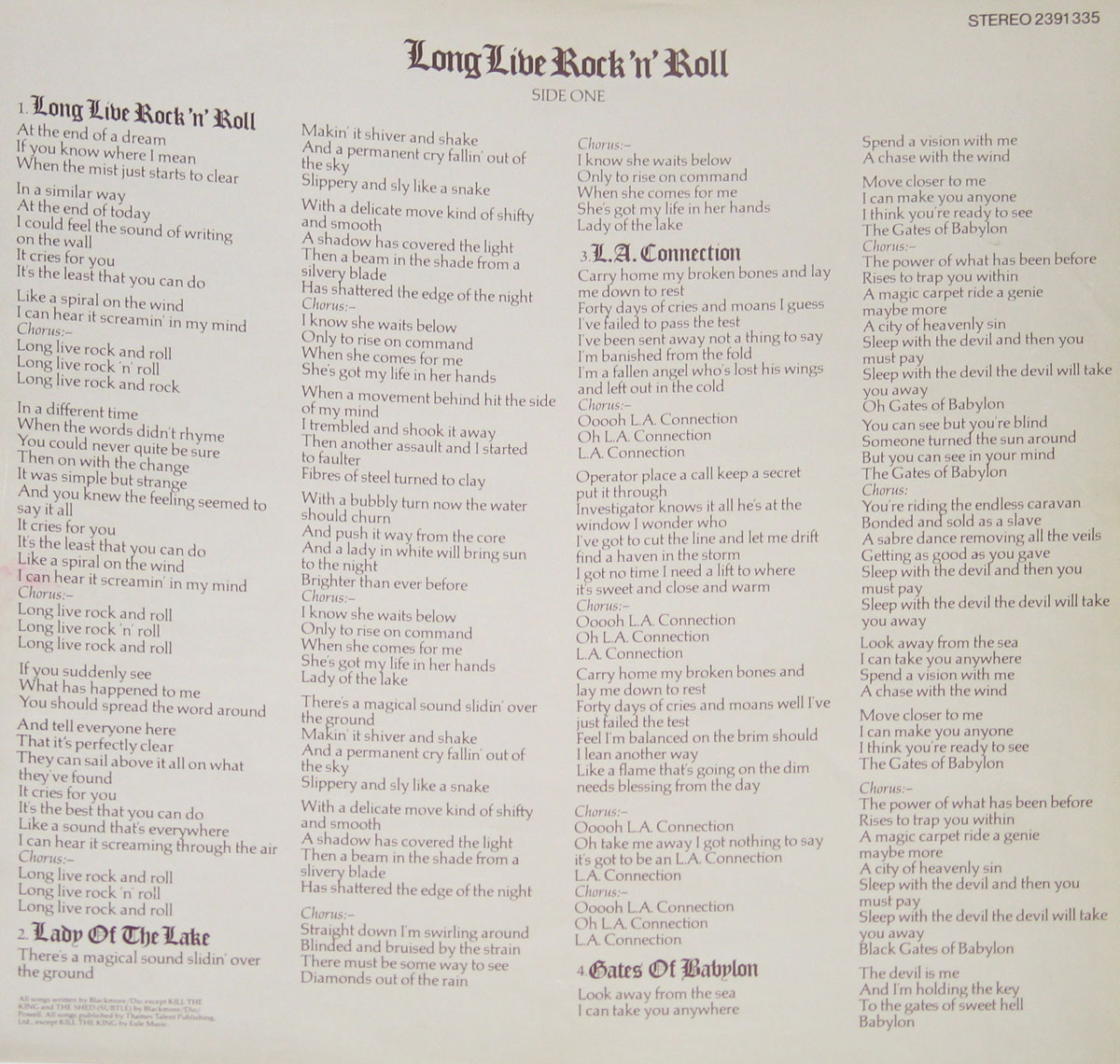
Here's the part I love: the sleeve tells you this band is a stable unit. It wasn't. Bass parts got erased, players got swapped, and the record still walks out sounding like a single, snarling animal. Even the gatefold crowd shot has a little magic trick hiding in plain sight. If that doesn't make you curious about what you're actually hearing, you're listening with the lights on.
1978: What Was in the Air
England in '78 was restless: punk had already thrown the first punch, and the aftershocks were everywhere. New bands were shaving songs down to the bone, magazines were sniffing around anything that looked dangerous, and the old hard-rock guard was being told (politely, loudly) to get off the stage. Rainbow did the opposite. They doubled down on drama and volume, then made it feel strangely practical.
Put it next to what else was circling that year: Judas Priest tightening the bolts, UFO chasing velocity, Thin Lizzy turning swagger into craft, Scorpions sharpening hooks, Sabbath dragging the riff back into the shadows. Rainbow sat in the same neighborhood, but they brought torches and stained glass. Not subtle. Not meant to be.
How It Sounds When the Lights Go Out
This album has attack and space at the same time, like the amps are breathing between punches. Cozy Powell hits with arena-weight, then Birch lets the kick and snare land clean instead of turning into a muddy bar fight. Blackmore's guitar tone stays icy even when the songs get hot. That's the trick: heat on top, control underneath.
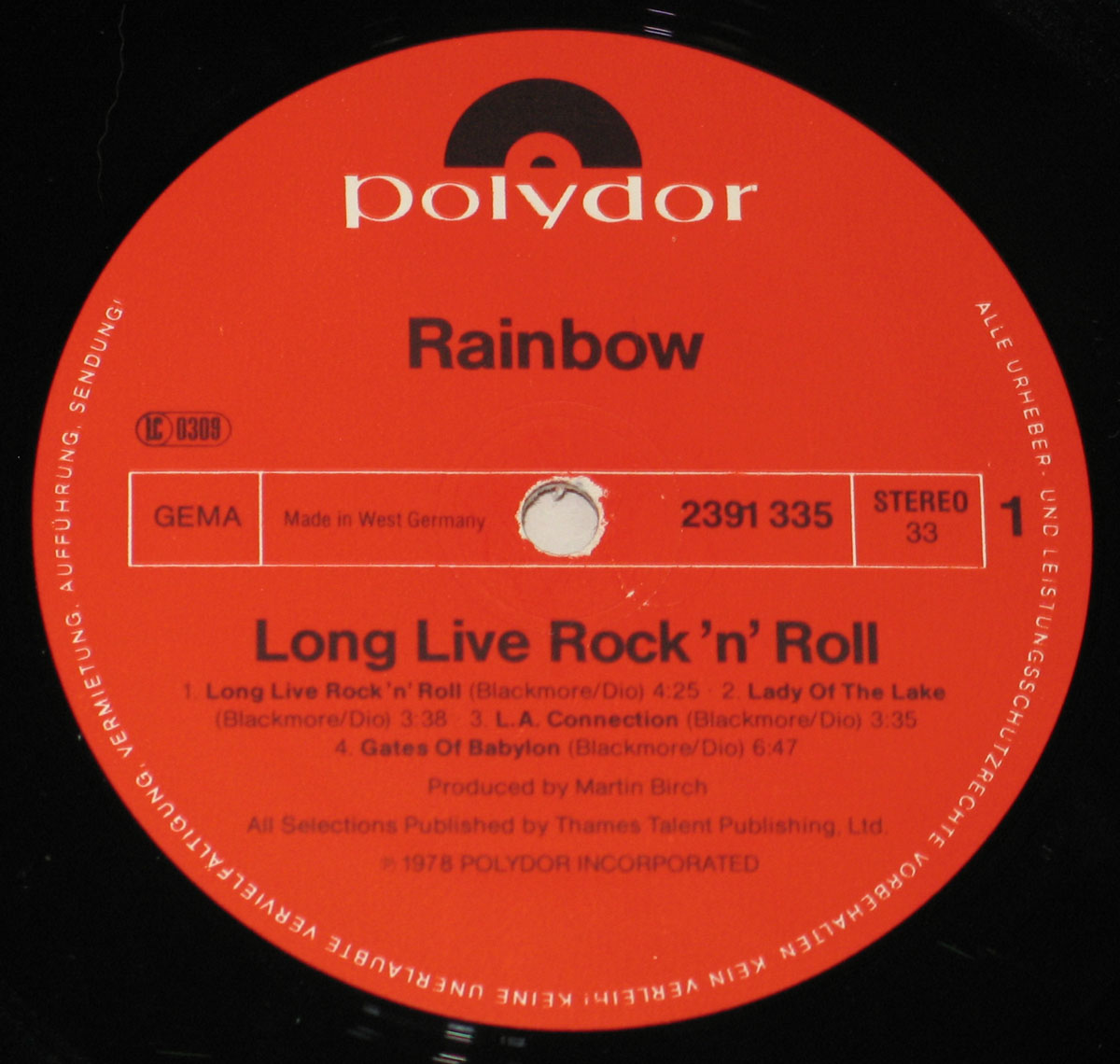
"Kill the King" is the quick knife. "Gates of Babylon" is the long hallway where the walls start moving. And "Rainbow Eyes" closes the night like the room finally empties and you realize your ears are still ringing.
The People, and the Practical Damage They Did
The core story is simple and ugly: sessions start in France in 1977, the band isn't settled, and Blackmore is in no mood to compromise. Bass was first tracked by Mark Clarke, then wiped, and Blackmore re-recorded chunks himself before Bob Daisley arrived to finish what needed finishing. Keyboards were also a moving target: Tony Carey played on early tracks, while David Stone joined midstream and later put fingerprints on the album's bigger moments.
Stone even built part of the middle section inside "Gates of Babylon" and still didn't get a writing credit. That isn't a scandal, exactly. It's just how these rooms worked when one guy held the steering wheel and the map.
Band Motion: Cause, Effect, and a Little Smoke
Rainbow always moved like a machine that kept replacing its own parts while still running. You can hear it here: songs that feel road-tested, then suddenly a fresh layer of arrangement, then the band disappears to tour, then comes back to finish the job in December with "Gates of Babylon" arriving late like the best kind of trouble.
This is also the last studio album with Dio in Rainbow, and you can sense the tension in how hard he leans into the lines. Not sentimental. More like: if this is the last word, it's going to echo.
Controversy, or the Lack of It
There wasn't a big public scandal attached to the release, no tabloid bonfire. The real friction is inside the credits: who played what, who got erased, who didn't get the writing nod. The common misconception is that the lineup on the cover equals the lineup on every groove. It doesn't, and that's the point. The record still holds together because the mood is the boss.
One Quiet Anchor
I remember hearing the title track late at night on the radio, the DJ half-laughing like he couldn't believe it was still legal to be this loud. Next day, it was sitting in the shop bin like it had been waiting for me personally. That's how these albums worked: they didn't ask permission.
Quick Hits
- Blackmore: guitar lines that feel like steel cable, and a leader's habit of re-cutting anything he doesn't trust.
- Dio: big, vivid vocal shapes that turn choruses into commands, not singalongs.
- Birch: production that keeps the punch clean, letting the drama read without smearing the impact.
If you want a polite, well-behaved 1978 rock record, there were plenty on the shelf. This one wants the stage, the fog, the argument, and the last word.