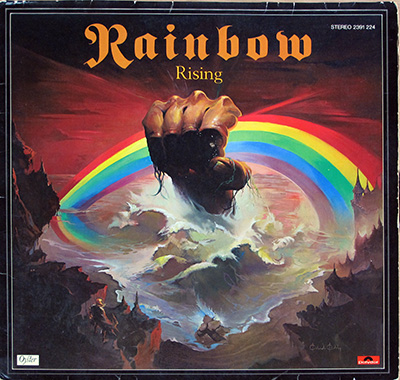
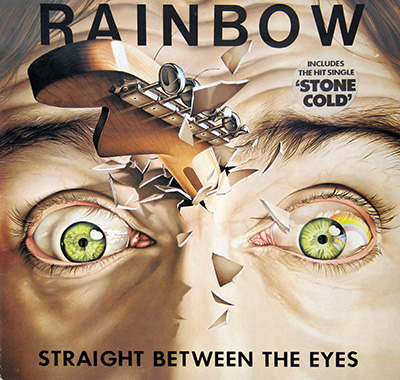
Band-members, Musicians and Performers
- Graham Bonnet - vocals
Graham Bonnet stands as one of the most dynamic and versatile vocalists in the history of rock music. With a career spanning over five decades, Bonnet has left an indelible mark on the genres of rock, heavy metal, and hard rock. Known for his powerful voice and wide-ranging musical versatility, Bonnet has fronted some of the most influential bands and has built a remarkable solo career.
Early Years and Rise to Fame
Born on 23 December 1947 in Skegness, England, Graham Bonnet began his musical journey in the 1960s. His initial foray into the music industry was with the pop duo The Marbles, where he achieved a hit single, "Only One Woman," in 1968. This early success showcased Bonnet's strong, clear vocal style and hinted at the powerful performances that would define his later career.
Breakthrough with Rainbow
more...
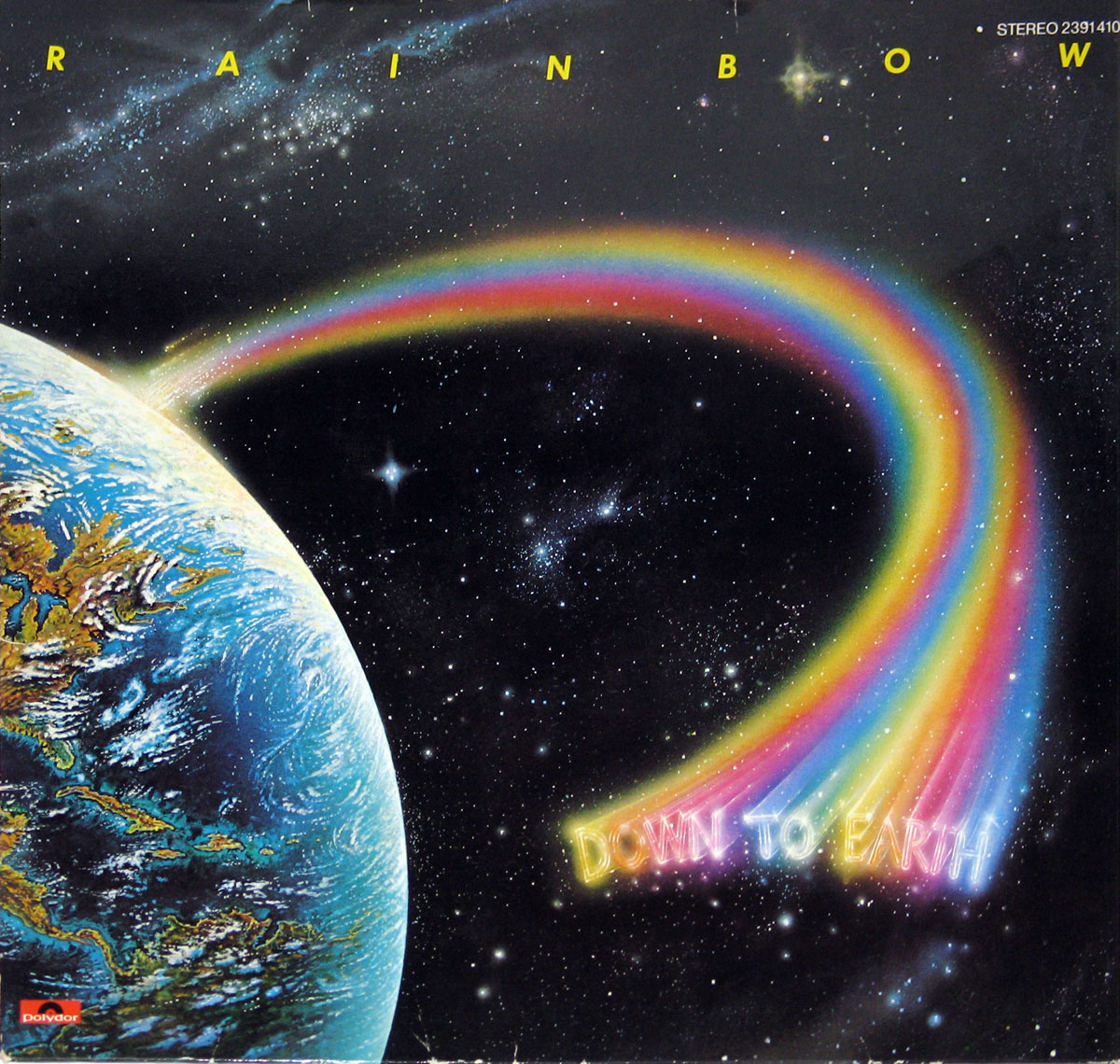
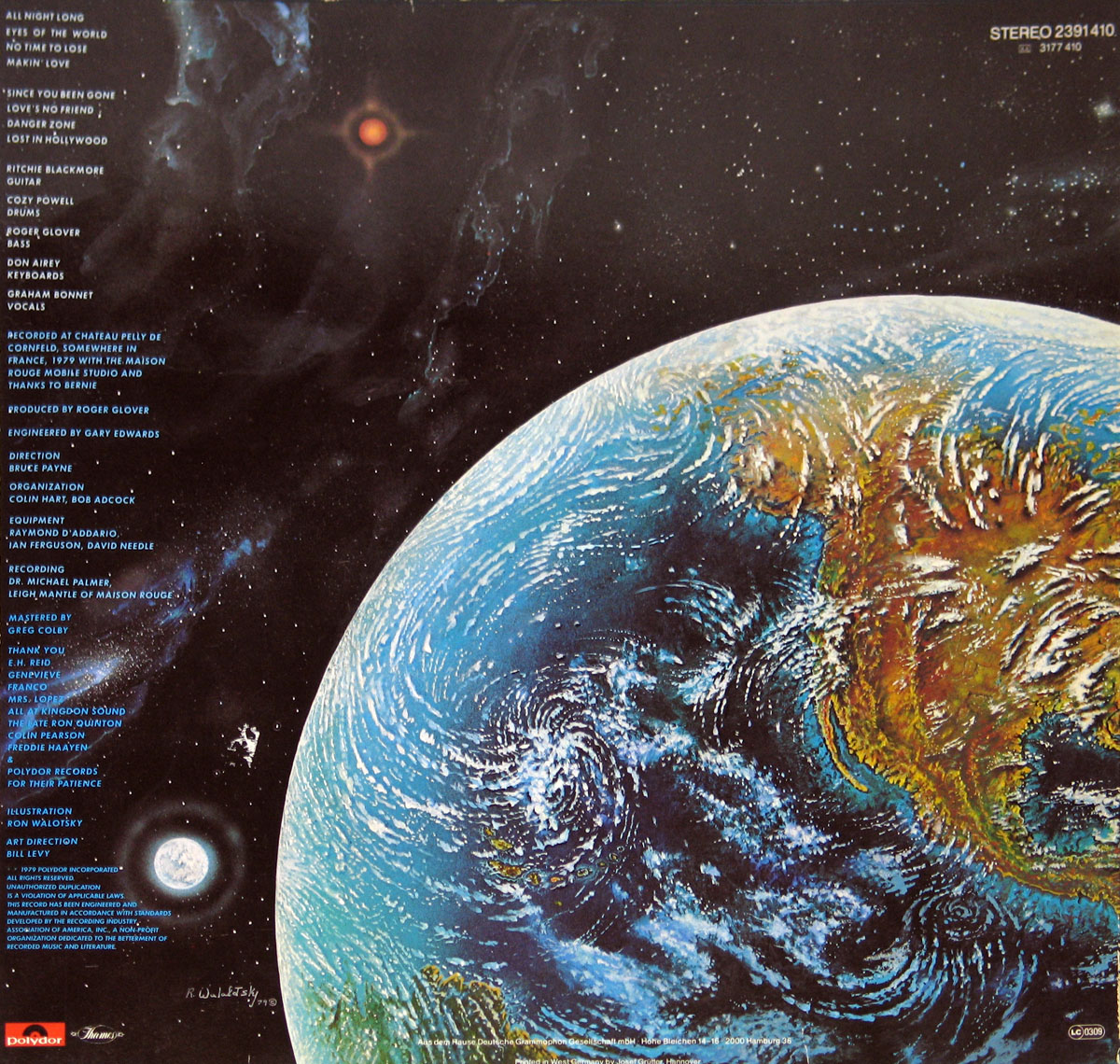
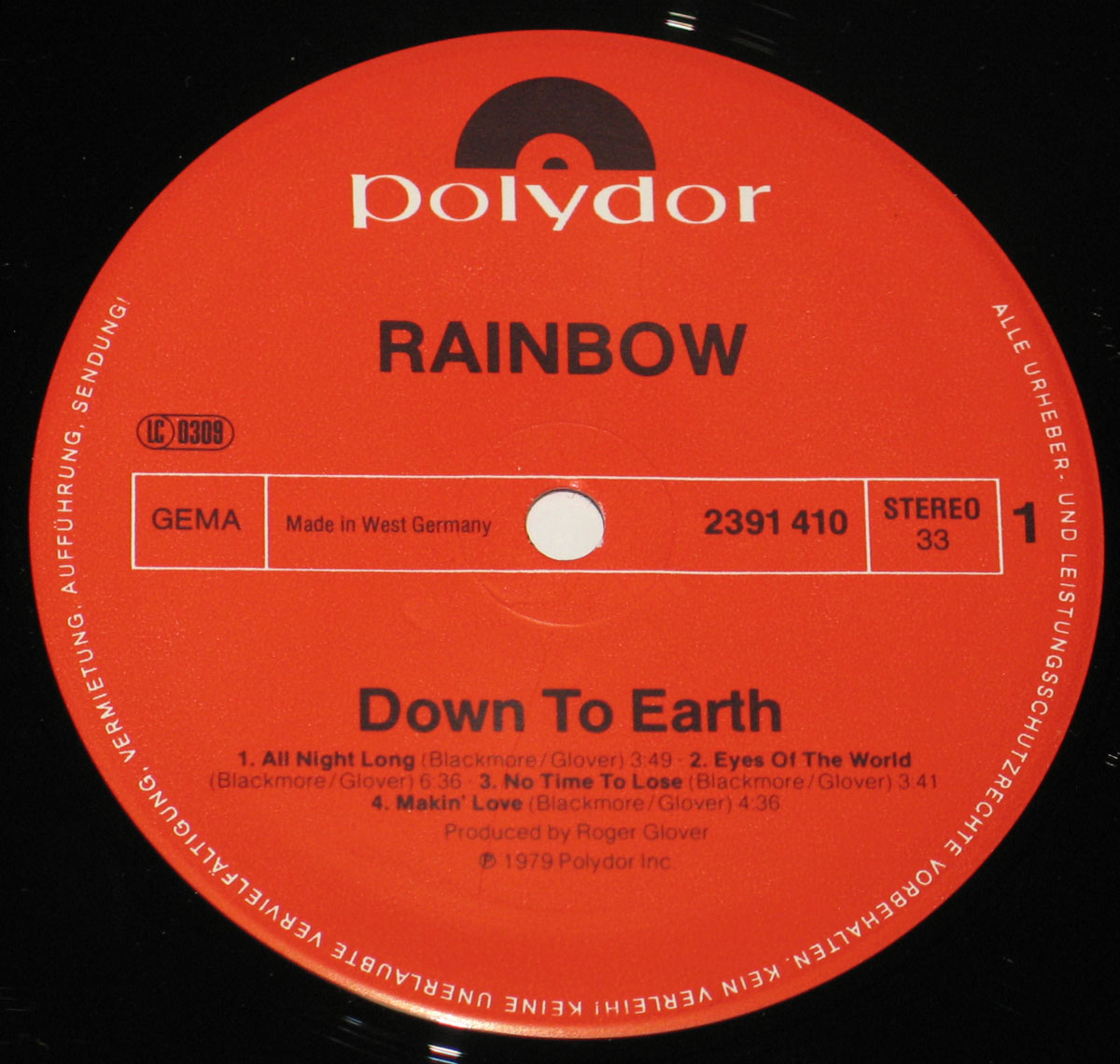
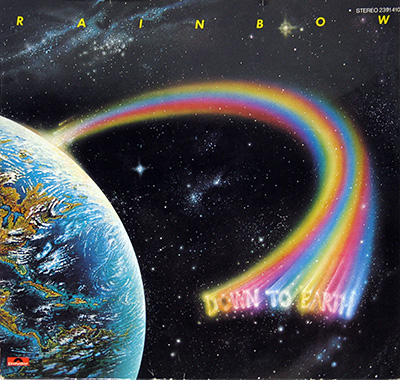
Bonnet's big break came in 1979 when he joined Ritchie Blackmore's Rainbow, replacing Ronnie James Dio as the lead vocalist. His first and only album with Rainbow,
"Down to Earth,"
was released the same year and featured the hit singles "Since You Been Gone" and "All Night Long." Bonnet's distinctive voice, blending rock grit with melodic finesse, brought a fresh sound to Rainbow and helped the album achieve commercial success.
Michael Schenker Group and Alcatrazz
After leaving Rainbow, Bonnet joined the Michael Schenker Group (MSG) in 1982. His tenure with MSG was brief but notable, contributing to the album
"Assault Attack,"
which is often celebrated for its powerful vocal performances and technical prowess.
In 1983, Bonnet founded
Alcatrazz,
a band that would become a significant chapter in his career. Alcatrazz's music was a unique blend of heavy metal and hard rock, characterized by intricate musicianship and Bonnet's soaring vocals. The band's debut album, "No Parole from Rock 'n' Roll," featured the virtuosic guitar work of Yngwie Malmsteen. The follow-up albums, "Disturbing the Peace" (1985) with Steve Vai and "Dangerous Games" (1986) with Danny Johnson, further solidified Alcatrazz's reputation as a pioneering band in the metal scene.
Solo Career and Collaborations
Parallel to his work with bands, Bonnet maintained a solo career that showcased his versatility as an artist. His self-titled debut solo album in 1977, before joining Rainbow, featured a mix of rock and pop, demonstrating his ability to traverse genres. In the years following Alcatrazz, Bonnet continued to release solo albums and collaborated with numerous artists and bands.
One notable collaboration was with the supergroup
Impellitteri
, where he recorded the critically acclaimed album "Stand in Line" in 1988. Bonnet's powerful vocals paired with Chris Impellitteri's blazing guitar work made for a compelling combination.
Continued Influence and Legacy
Graham Bonnet's influence on rock and metal is profound. His ability to adapt his vocal style to various musical contexts has made him a sought-after vocalist throughout his career. Whether delivering hard-hitting rock anthems or more melodic tracks, Bonnet's voice remains instantly recognizable and consistently powerful.
- Ritchie Blackmore - guitar
- Ritchie Blackmore – Guitarist, Songwriter
The guy who made the guitar sound both medieval and radioactive, often in the same solo.
Read more...
Ritchie Blackmore is the sort of name I see on a sleeve and instantly expect sparks: born Richard Hugh Blackmore (1945), he’s an English guitarist who helped hard-rock riffing grow teeth and then politely refused to stop. His era-stamps are basically whole chapters of rock history: Deep Purple (1968–1975, 1984–1993), where the riffs got louder, sharper, and more dramatic; Rainbow (1975–1984, 1993–1997), where he leaned into melody and fantasy like it was a weapon; and Blackmore’s Night (1997–present), where the electric storm calms down into Renaissance-folk textures without losing that unmistakable Blackmore touch. I love that arc: from amp-stacks and arena thunder to lutes-and-candles vibes, like he just swapped dragons for different dragons.
"Blackmore Signature Strats"
I’ve spent too many nights chasing that Blackmore chime. Fender’s Artist Series Strat is a love letter to his ‘70s obsession—Olympic White with a graduated scalloped rosewood board that makes your fingers feel like they’re floating. The electronics are pure Ritchie logic: two Seymour Duncan Quarter Pounds for the bite and a dummy middle pickup. It’s a prop, a plastic decoy for us mortals. Then there’s the Fender Japan ST72-145RB. MIJ builds have a surgical precision, keeping the ‘72 vibe alive for the obsessive collector. We hunt these like lost relics, justifying the cost because a standard neck feels one-dimensional by comparison. It’s a specialized tool for a very specific kind of madness. But then, isn't that the whole point?
- Don Airey – Keyboards
The keyboard guy who doesn’t “add background,” he installs the whole damn skyline behind the riffs. Read more... Don Airey is one of those names I spot in the credits and instantly trust the record more: an English keyboardist who can make hard rock and heavy metal feel bigger, darker, and somehow more expensive without sanding off the danger. His most famous band chapters are cleanly stamped in time: Rainbow (1979–1982) where he helped push that Blackmore-era drama into a shinier, arena-sized machine, and Deep Purple (2002–present) where he took over the keys after Jon Lord retired and kept the Purple engine running at full voltage. In between, he did a straight-up three-year stint with Ozzy Osbourne in the early 1980s, which is basically the musical equivalent of juggling chainsaws while the stage is on fire.
- Roger Glover - bass
- Roger Glover – Bass, Producer, Songwriter
If the groove feels like a tank with manners, his name is usually somewhere nearby. Read more... Roger Glover is one of those credit lines I trust on sight: a Welsh bassist, producer, and songwriter who helped define the heavyweight “engine room” of classic hard rock. I mainly tag him to two eras that just refuse to die: Deep Purple (1969–1973, 1984–present), where his bass and writing instincts locked in with that Mark II bite, and Rainbow (1979–1984), where he wasn’t just playing low-end—he was also steering the sound as lyricist and producer. He came up through Episode Six, then spent the 1970s stacking production work and side projects like it was a second career (because, yeah, it basically was), but those Purple and Rainbow years are the real “mythology in the liner notes” stuff.
- Cozy Powell - drums
- Cozy Powell – Drums
Cozy Powell is the kind of drummer I file under “human avalanche”: big hands, bigger feel, and a groove that hits like a freight train in leather pants. Read more... Cozy Powell, for me, is the textbook example of “power that still swings”—he can be thunderous without turning stiff, flashy without turning messy, and he always leaves space for the riff to breathe. When I hear him, I hear commitment: the snare cracks, the toms roll like incoming weather, and the whole band suddenly sounds like it got upgraded to arena mode. Timeline-wise, I always map his career in loud chapters—The Jeff Beck Group (1970–1972), Rainbow (1975–1980), Michael Schenker Group (1980–1982), Whitesnake (1982–1985), Emerson, Lake & Powell (1985–1986), Black Sabbath (1988–1991, 1994–1995), and the Brian May Band (1991–1992, 1993–1994, 1998).
|