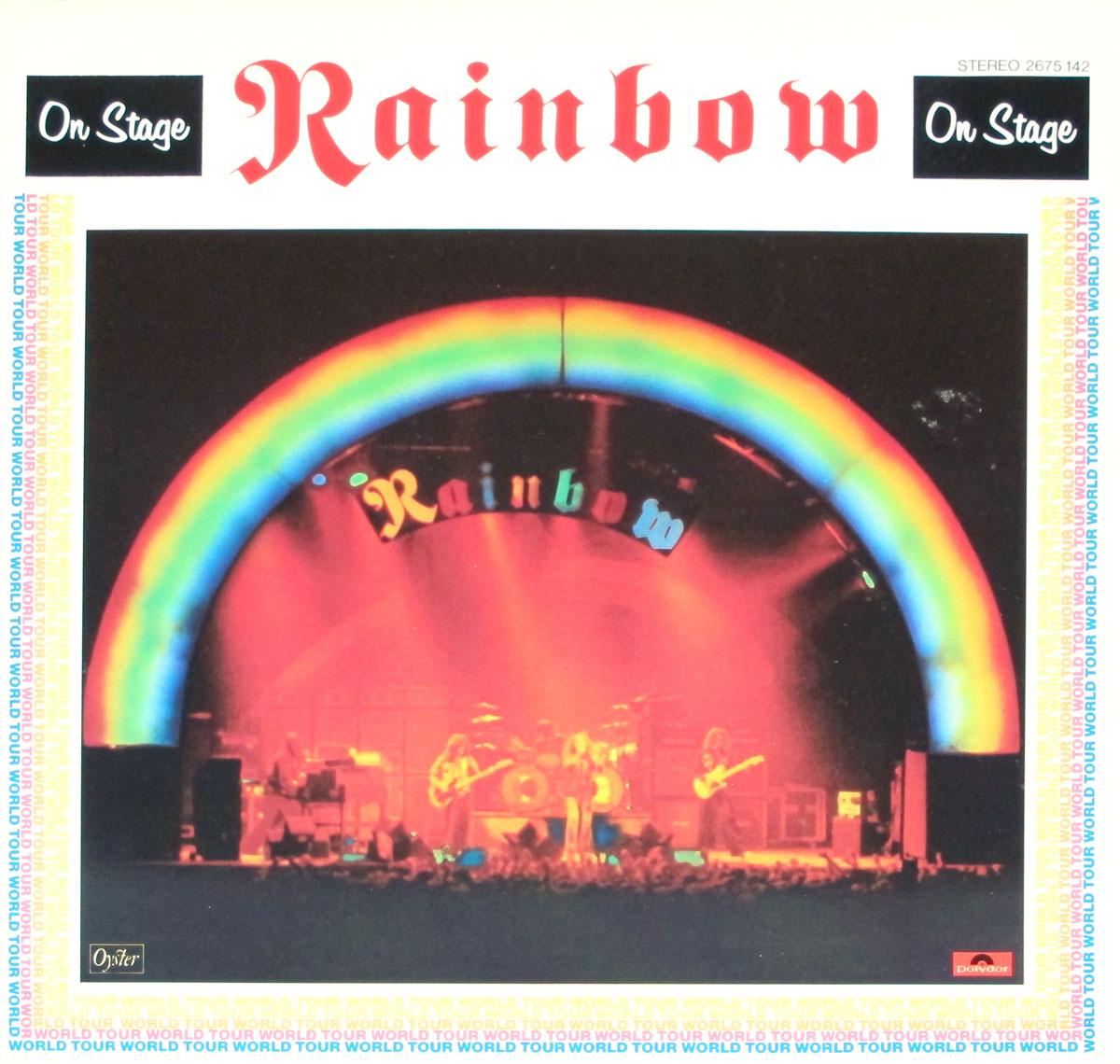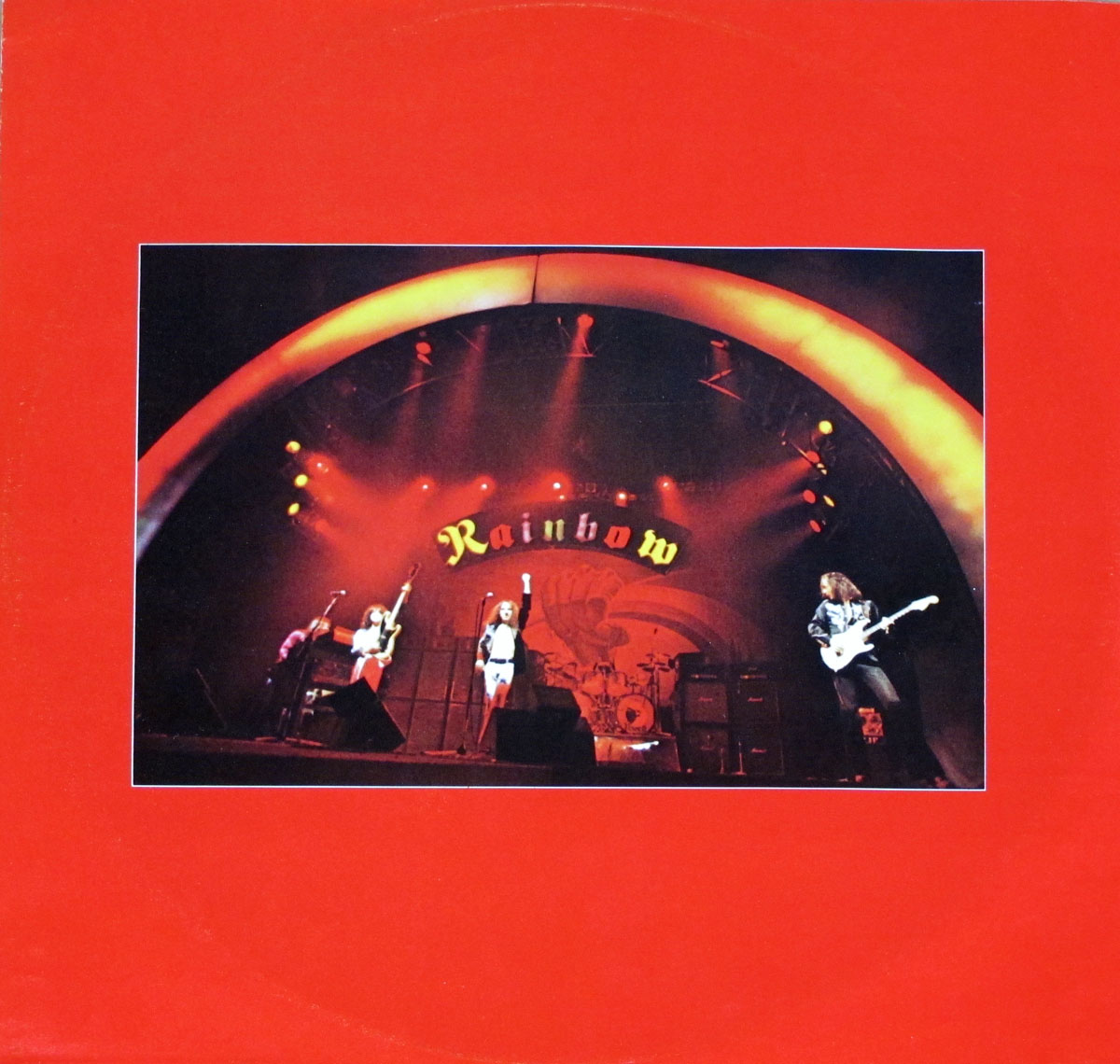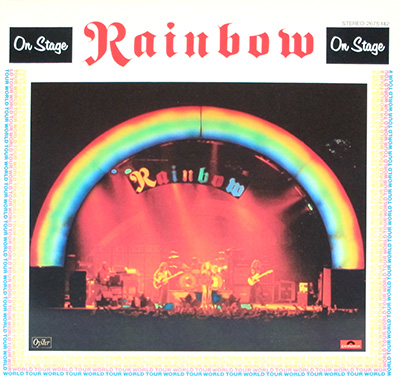
"Rainbow – On Stage" (1977) Album Description:
Smoke, sweat, and stage-light heat still cling to this one. “Rainbow – On Stage” isn’t a “best-of-live-moments” souvenir trying to behave—this is a double-LP document of a band in full mythical meltdown mode, with Ronnie James Dio preaching like the ceiling might crack and Ritchie Blackmore playing guitar like melody is a dangerous animal that needs handling gloves.
The Hook
Chaos gets turned into craft here. Recorded during the Rising tour and released in 1977, the set captures Rainbow at that brief, volatile moment where fantasy, volume, and discipline all decided to share the same stage without calling security.
The Era
1977 sits in that perfect late-’70s overlap: hard rock getting heavier, heavy metal getting clearer, and live albums becoming proof-of-life instead of background merch. Big halls, bigger rigs, and crowds showing up to be converted—because the culture was done with polite entertainment and wanted something that felt physical, like it could leave a mark.
The Genesis
A tour band doesn’t “arrive,” it survives—night after night, cables everywhere, tempers simmering, and the same songs getting stretched until they either snap or evolve. Rainbow sounds like a unit that learned how to hold a dramatic, high-wire act steady: Dio’s voice throwing story into the rafters while Blackmore keeps the whole machine sharp enough to cut.
The Wax
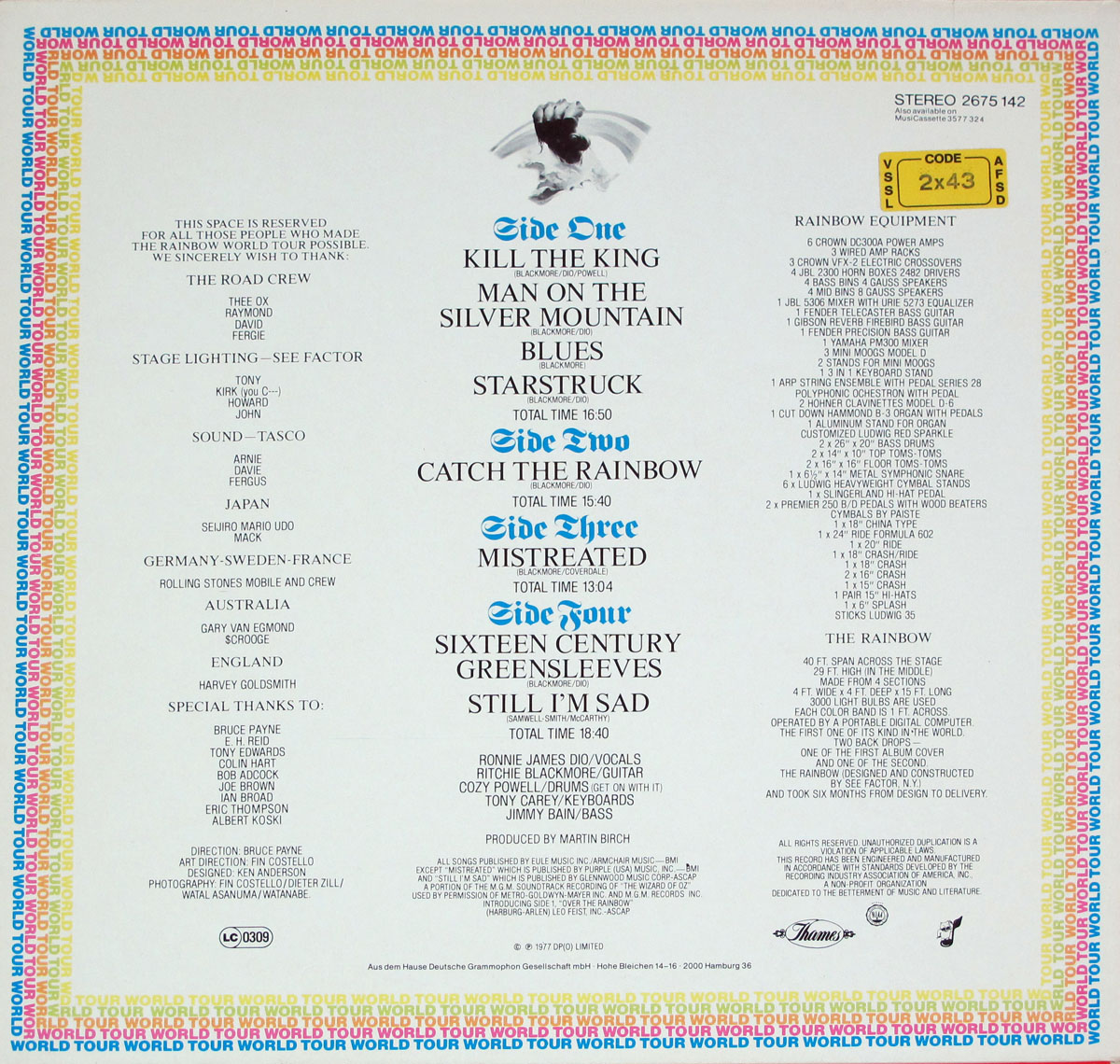
Needle hits the groove and the room instantly gets bigger. Side One comes out swinging with “Kill The King”, all urgency and teeth, then slides into the long, restless flow of “Man on the Silver Mountain” stitched into “Blues” and “Starstruck” like the band’s daring you to keep up.
Space opens up on “Catch the Rainbow”, where the drama isn’t in speed, it’s in tension—quiet parts that feel like the crowd holding its breath, and louder parts that land like a curtain drop. Later sides go deep with “Mistreated” and the gloriously unbothered time-warp of “Sixteenth Century Greensleeves”, before “Still I Am Sad” drags the lights down into something darker and heavier. None of it feels “performed for the record.” Everything feels performed for the room.
Credit where it’s due: Martin Birch keeps the sound sharp and physical instead of polite. The mix doesn’t sanitize the live grit—it frames it, like a good photographer who knows the sweat is part of the truth.
The Peer Review
Same-year live giants exist, sure, but this one plays a different game:
- KISS – Alive II (1977): bigger party, more spectacle; Rainbow feels more like hard-rock scripture than confetti warfare.
- Status Quo – Live! (1977): relentless boogie engine; Rainbow leans into drama, dynamics, and that fantasy-theater edge.
- Little Feat – Waiting for Columbus (1978): a masterclass in groove and warmth; Rainbow is colder steel, brighter flame.
The Friction
A “brief, volatile moment” doesn’t happen by accident. Everything about these performances suggests a band riding controlled tension: songs stretched, tempos flexed, and arrangements allowed to breathe just enough to feel dangerous without falling apart. That push-pull—discipline versus daring—is the real electricity living under the notes.
The Legacy
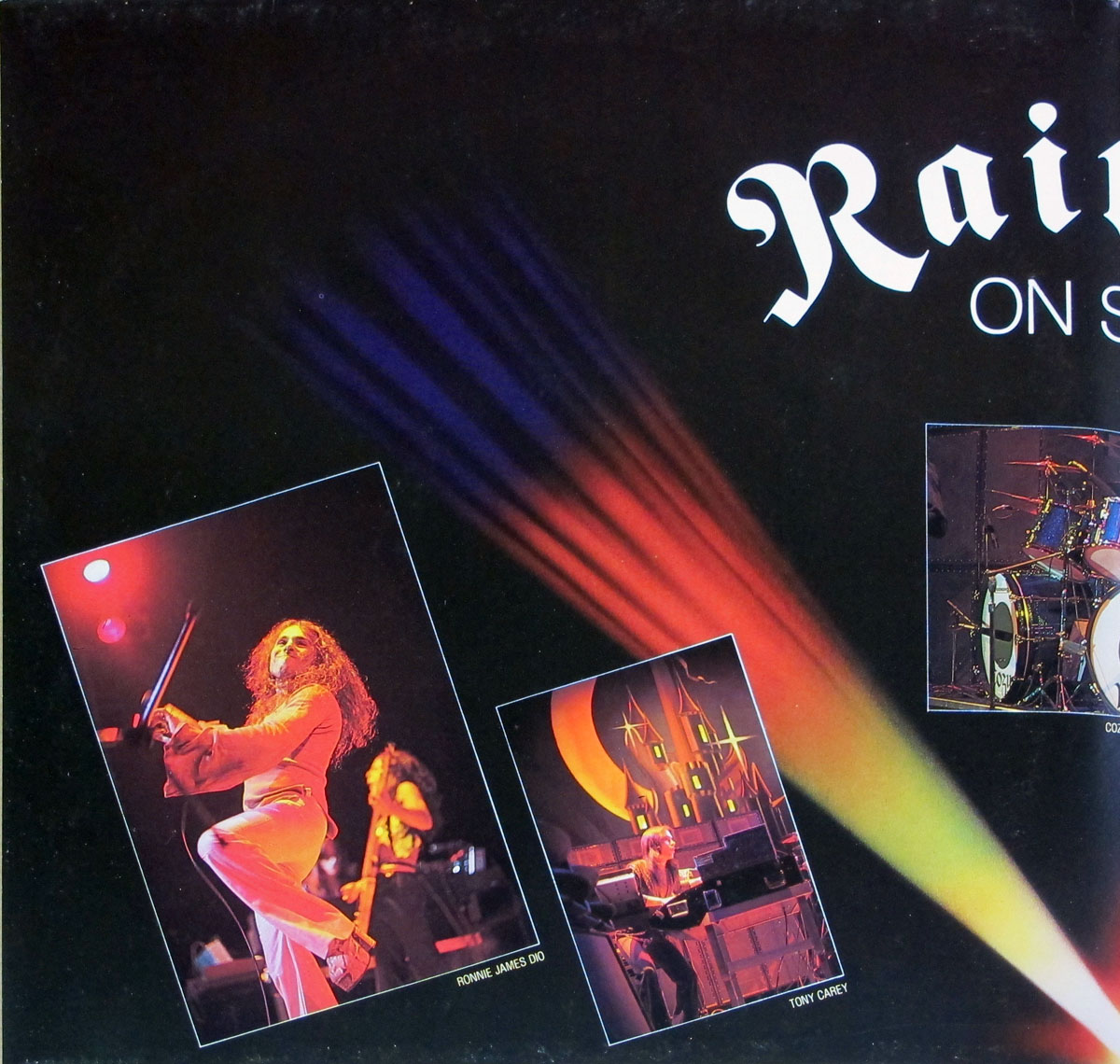
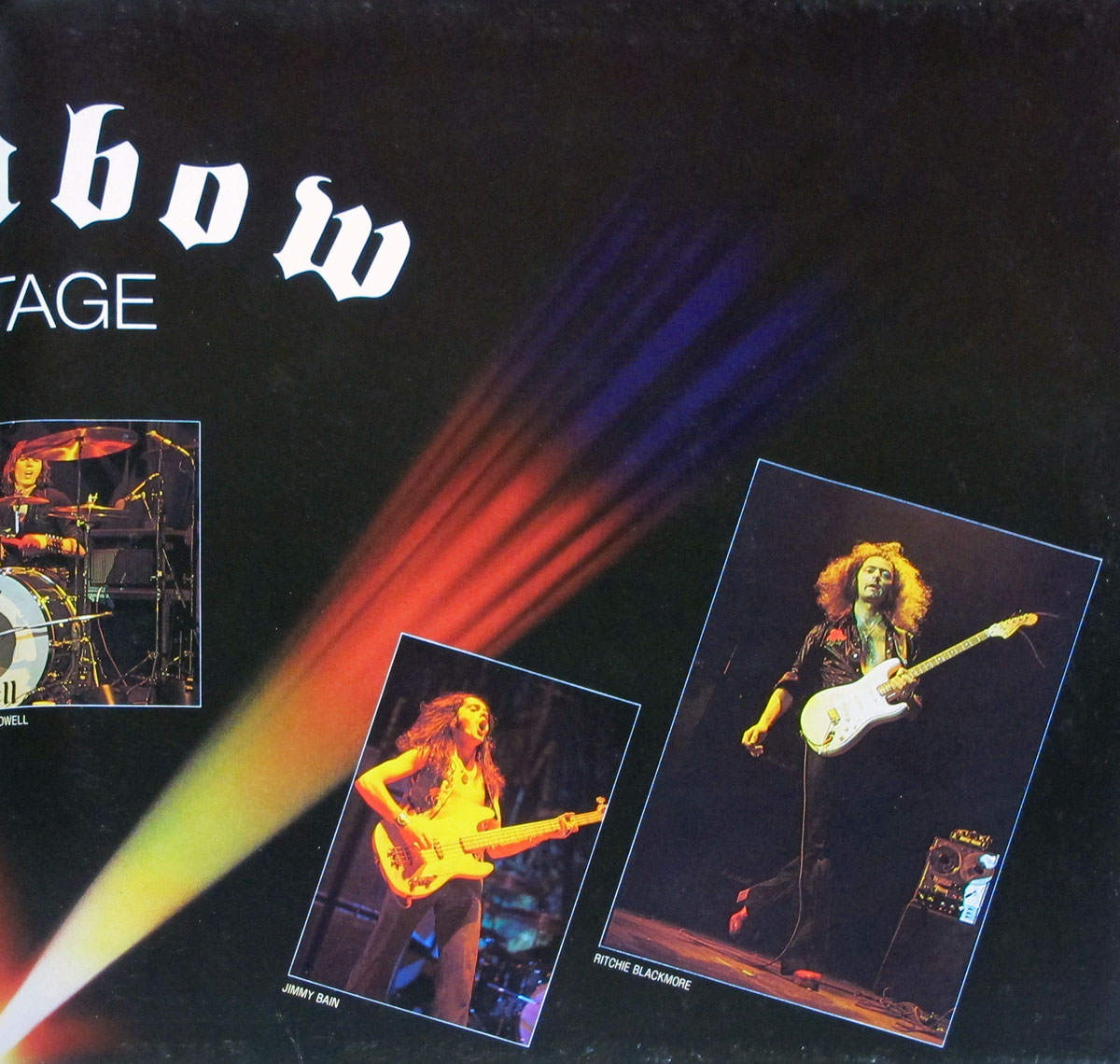
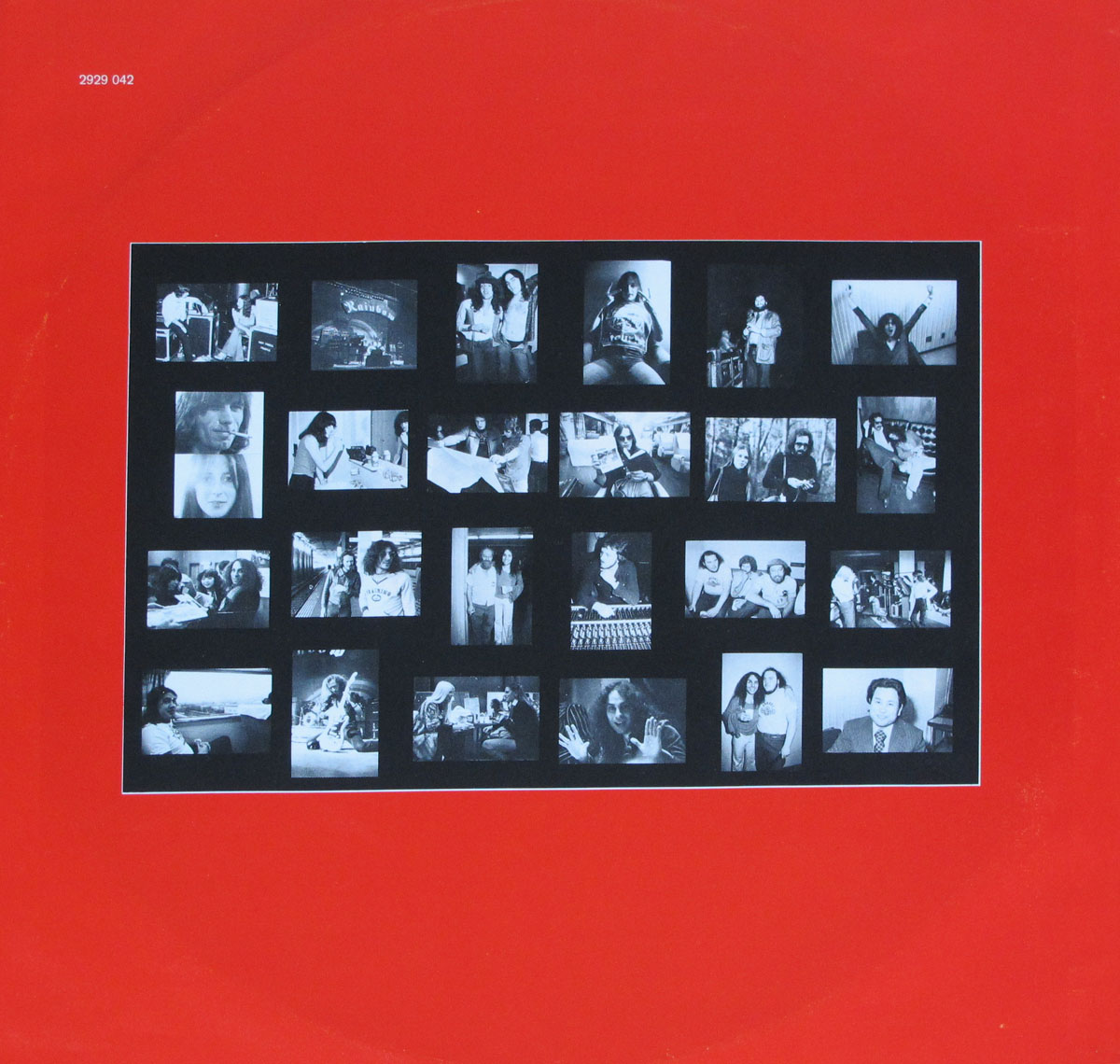
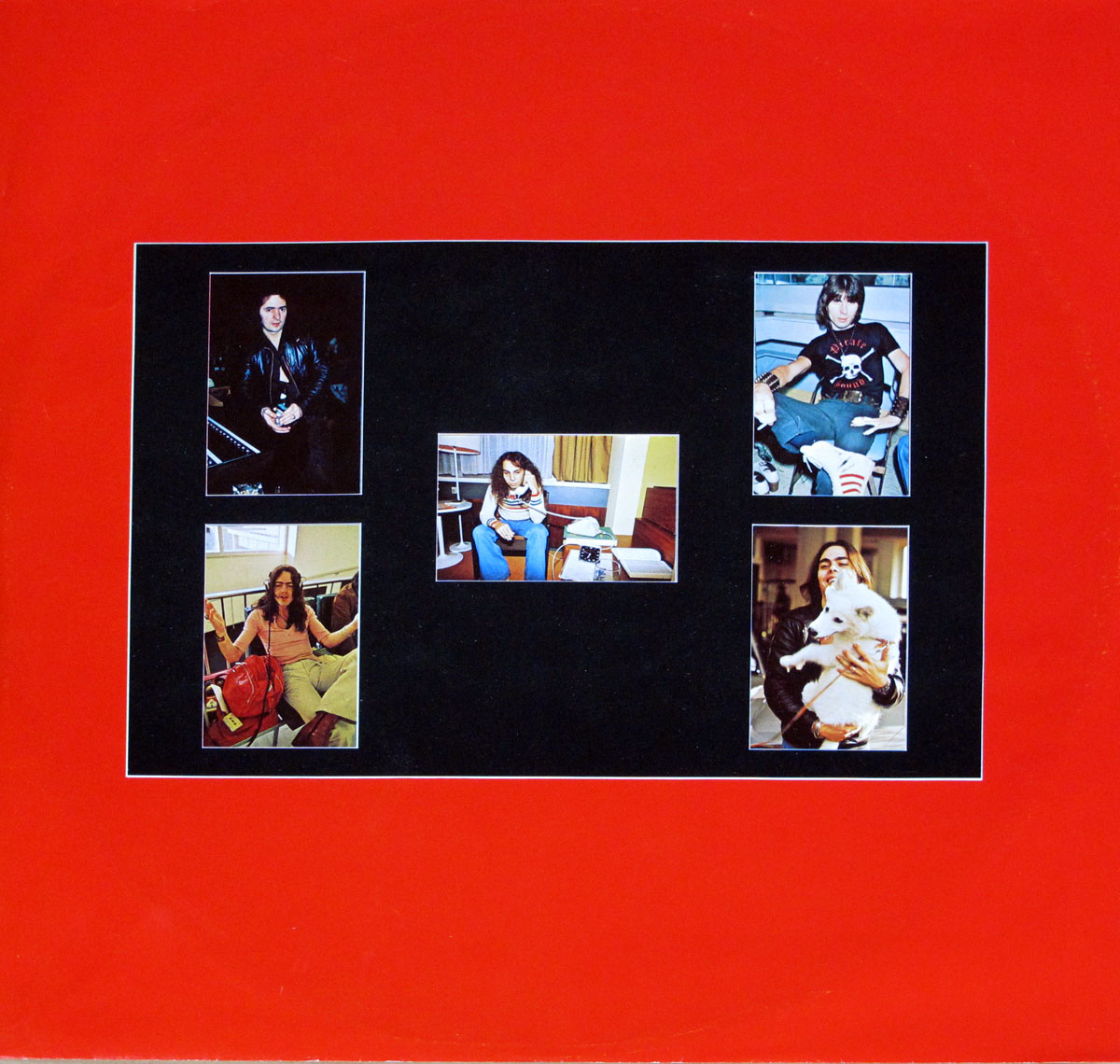
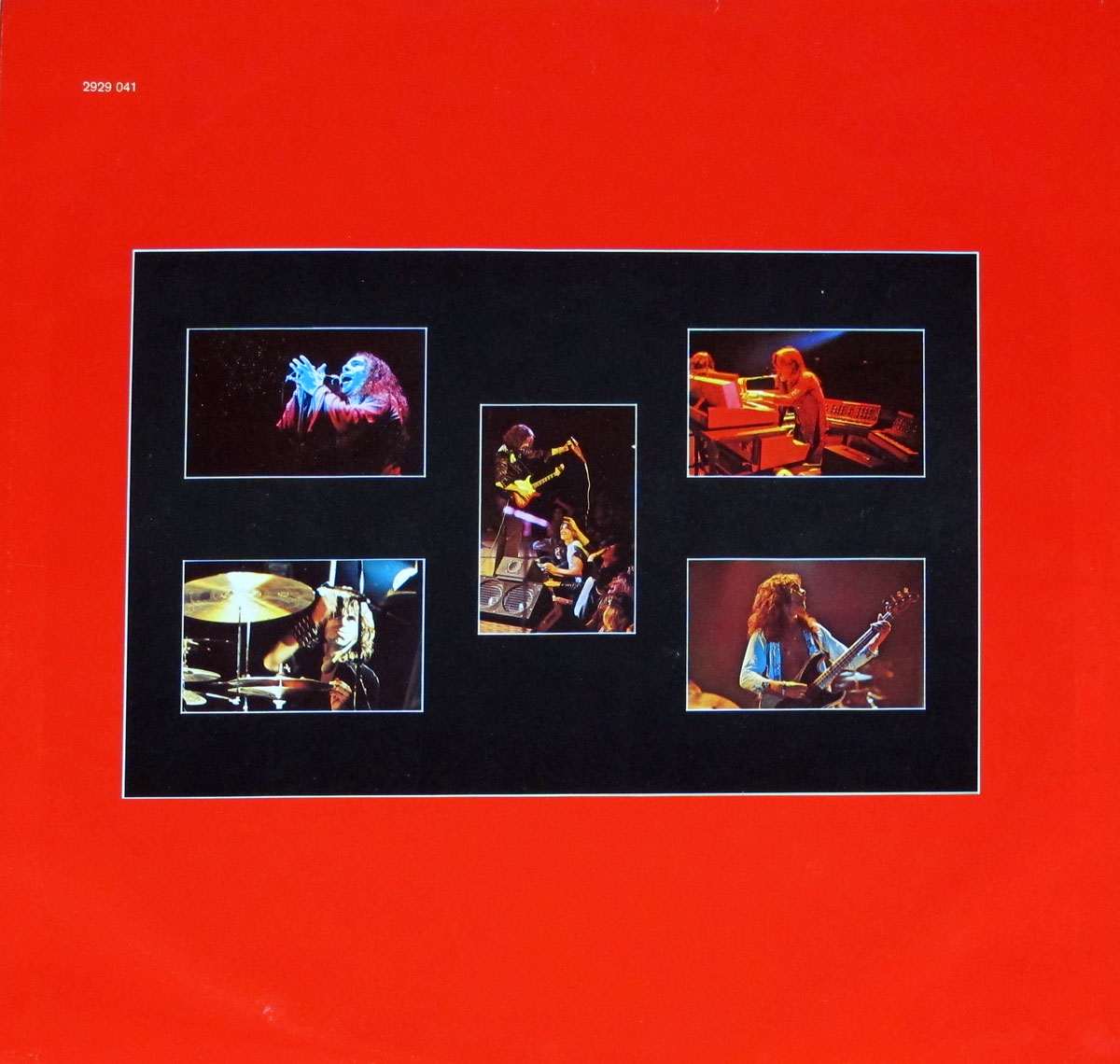
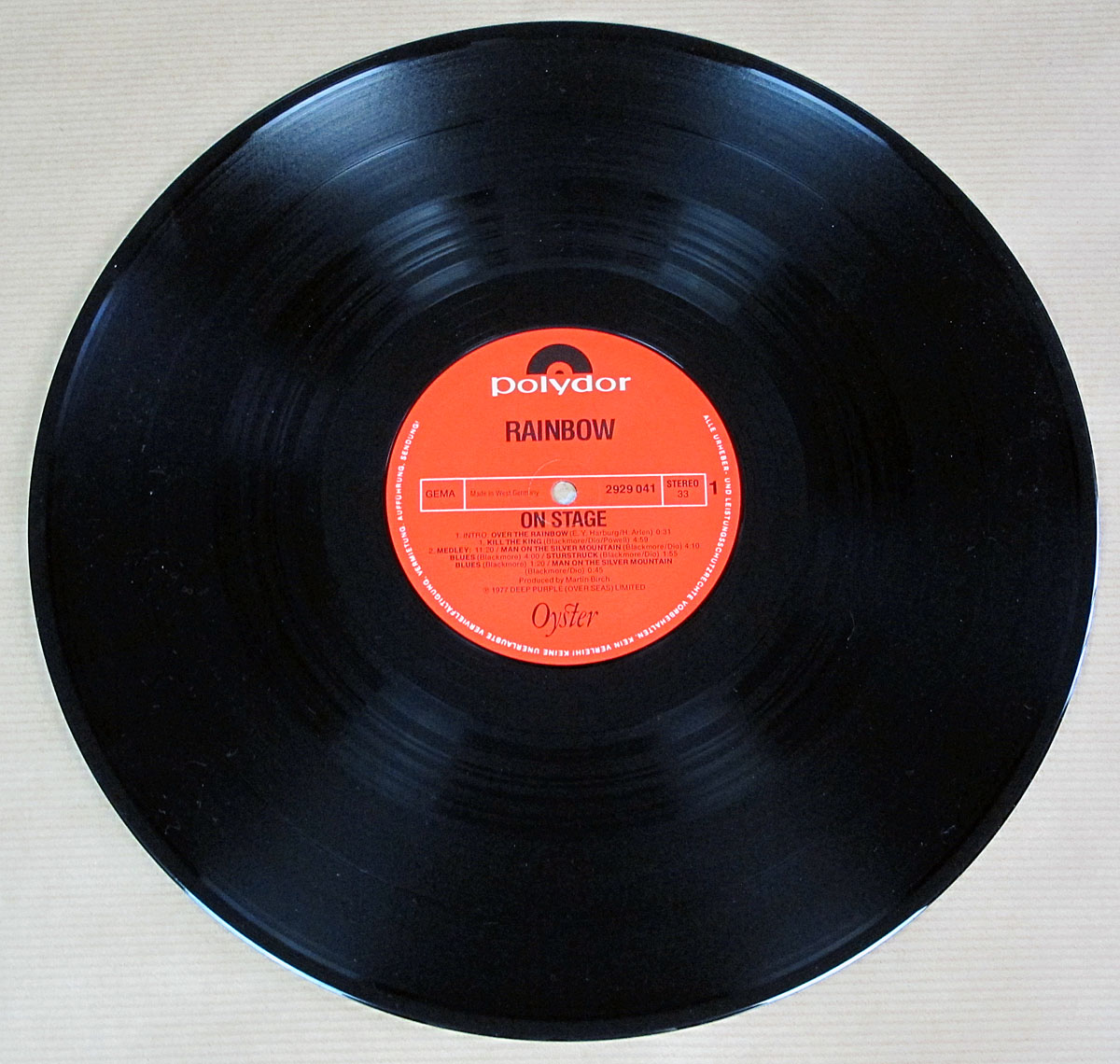
Collectors keep this one close because it’s more than audio—it’s a whole artifact. The gatefold presentation, the original custom inner sleeves packed with live and tour-life photos, and the West German Polydor/Oyster identity make it feel like a preserved slice of road-worn history, not just “a live album.”
Personal footnote from the trenches: first copy came home with me right when it hit, then got traded to a friend like that was a normal thing to do with a record this good. A replacement copy had to be found later (because regret has a soundtrack), and by the early 1990s the CD version joined the shelf too—because sometimes the same storm deserves multiple containers.
Plenty of records live on shelves. This one lives rent-free in the brain—because it sounds like a band proving, in real time, that myth can be loud, tight, and absolutely human.
The Fade Out
Cardboard closes, sleeve slides back in, and the room stays a little louder than it was before.