Album Description:
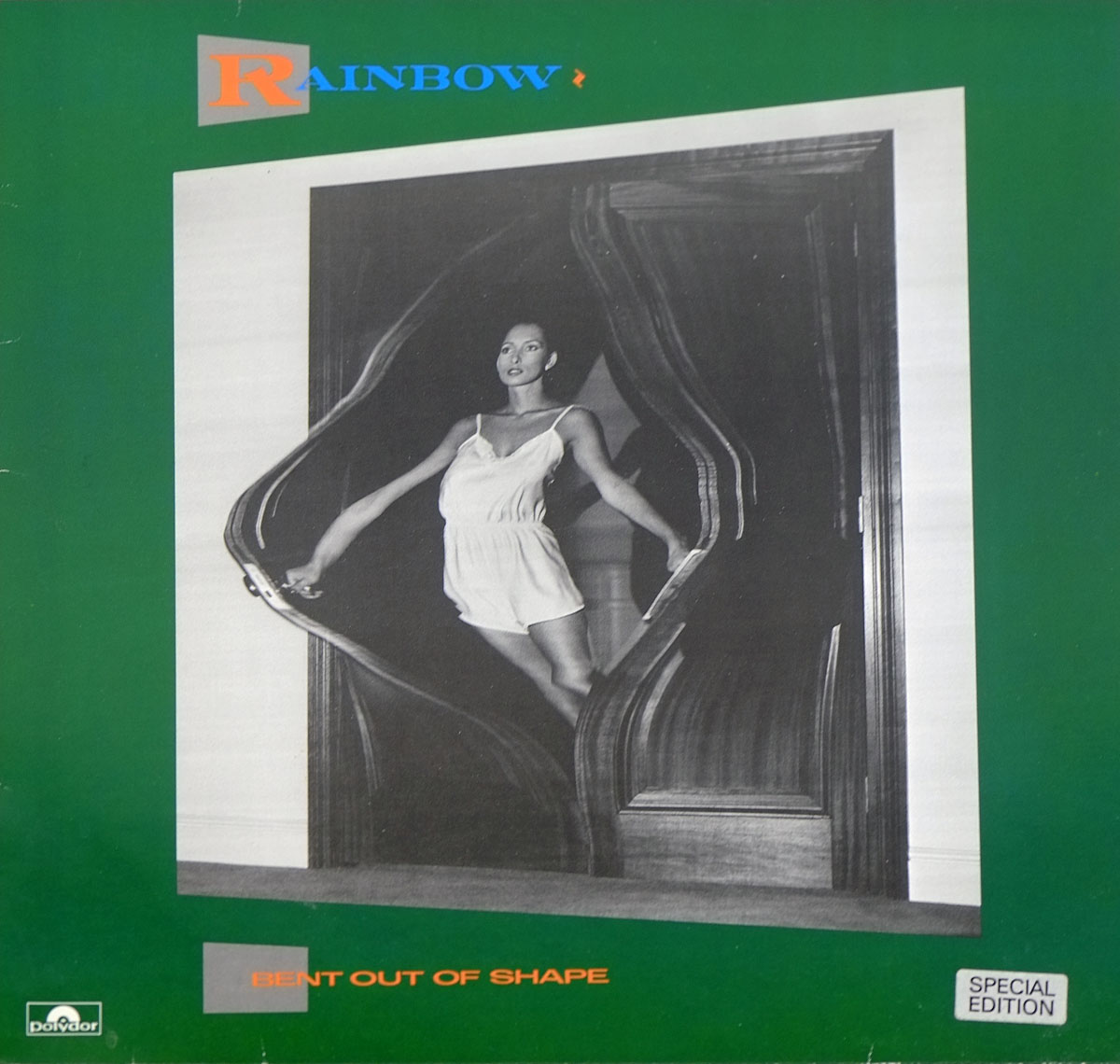
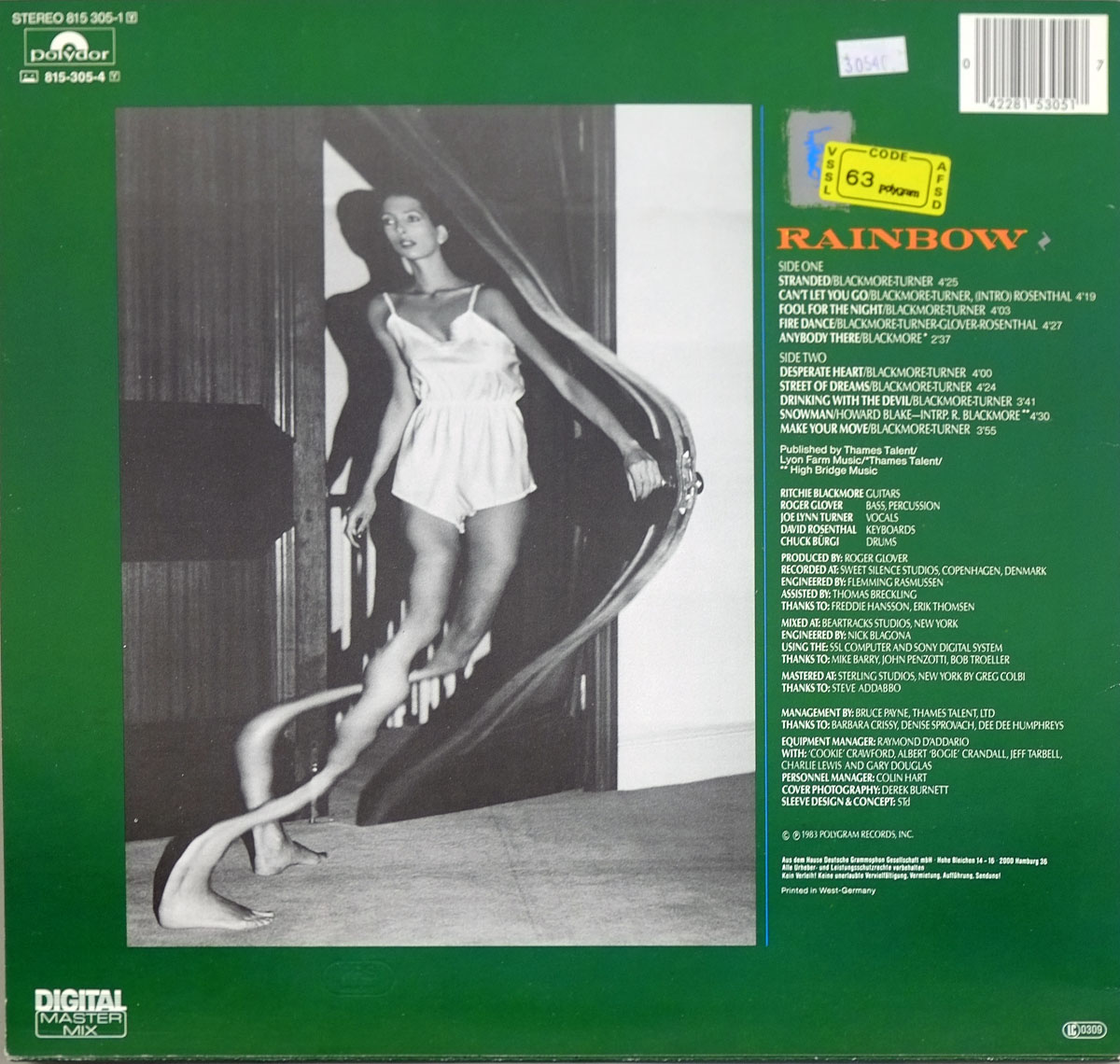
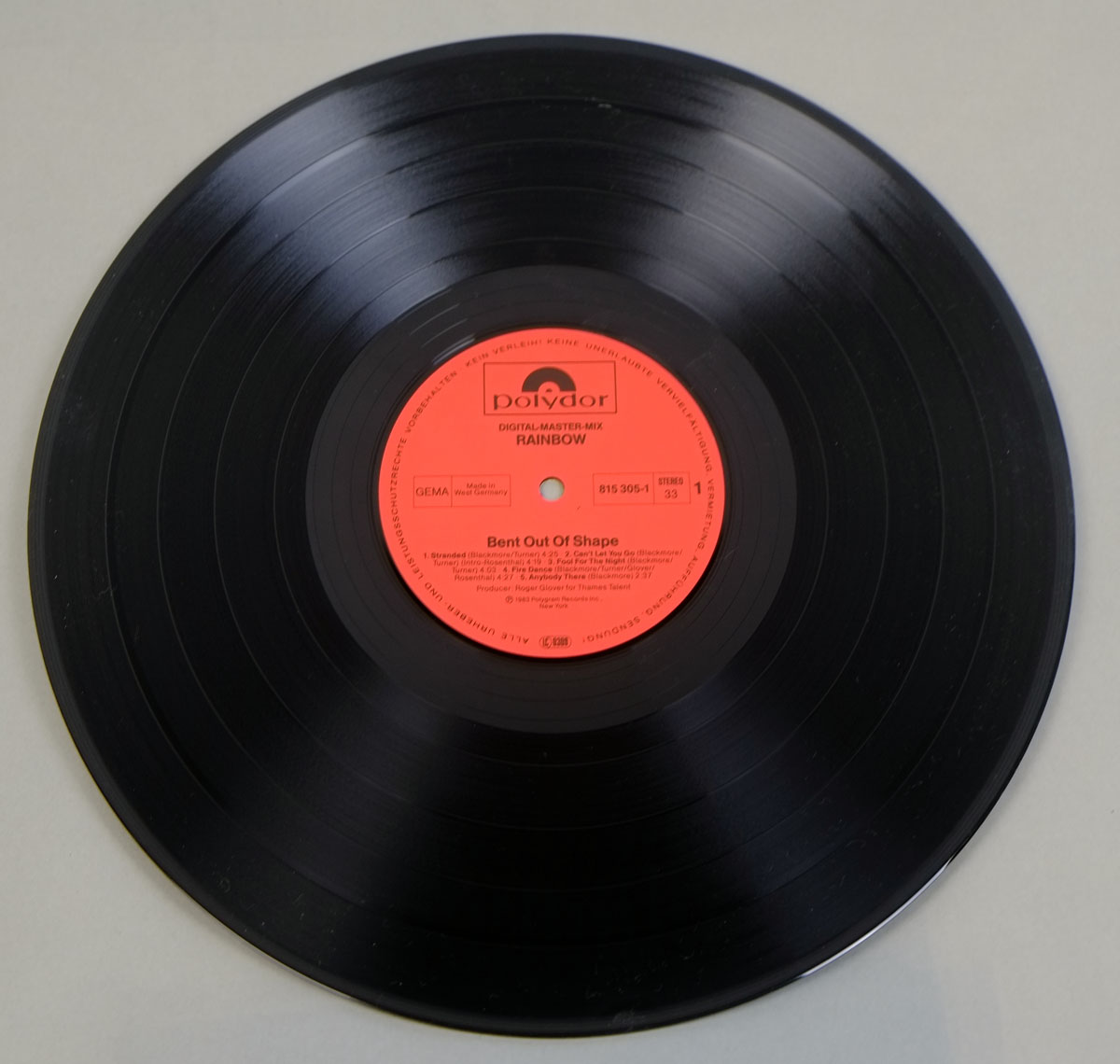
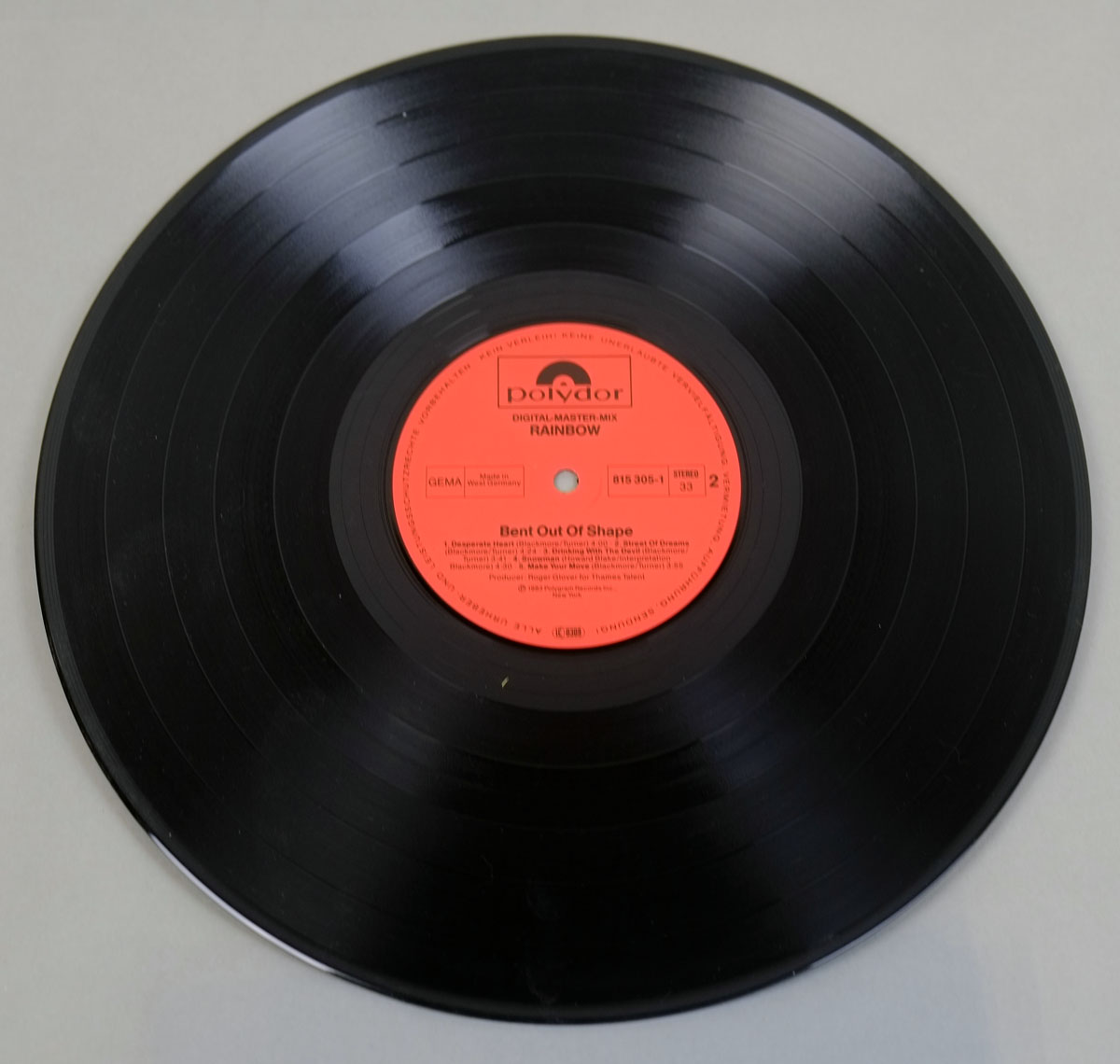
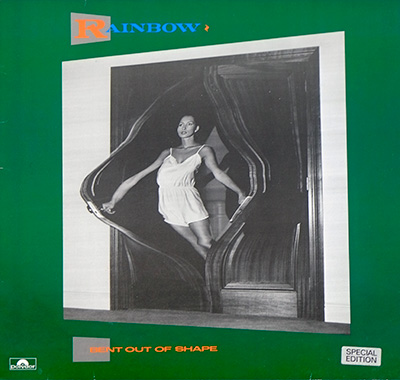
Rainbow's "Bent Out of Shape" is a legendary album that holds a significant place in the history of rock music. Released in 1983, it marked the end of an era for Rainbow, as band members Ritchie Blackmore and Roger Glover soon embarked on a Deep Purple reunion. With its captivating melodies, powerful vocals, and skillful instrumentation, this 12" vinyl LP album continues to captivate listeners to this day. Produced by Roger Glover for Thames Talent and manufactured in West-Germany, "Bent Out of Shape" showcases the exceptional talents of Joe Lynn Turner, Ritchie Blackmore, David Rosenthal, Roger Glover, and Chuck Burgi.
I. The Lineup: A Perfect Fusion of Talent
"Rainbow's "Bent Out of Shape" brings together an ensemble of exceptionally talented musicians, each contributing their unique strengths to create a cohesive and captivating sound. Joe Lynn Turner's soaring vocals add depth and emotion to the album, perfectly complementing the intense guitar work of the legendary Ritchie Blackmore. The keyboard wizardry of David Rosenthal enriches the compositions, while the rhythm section, consisting of Roger Glover on bass and Chuck Burgi on drums, provides a solid foundation for the album's energetic sound.
II. Captivating Songwriting and Melodies
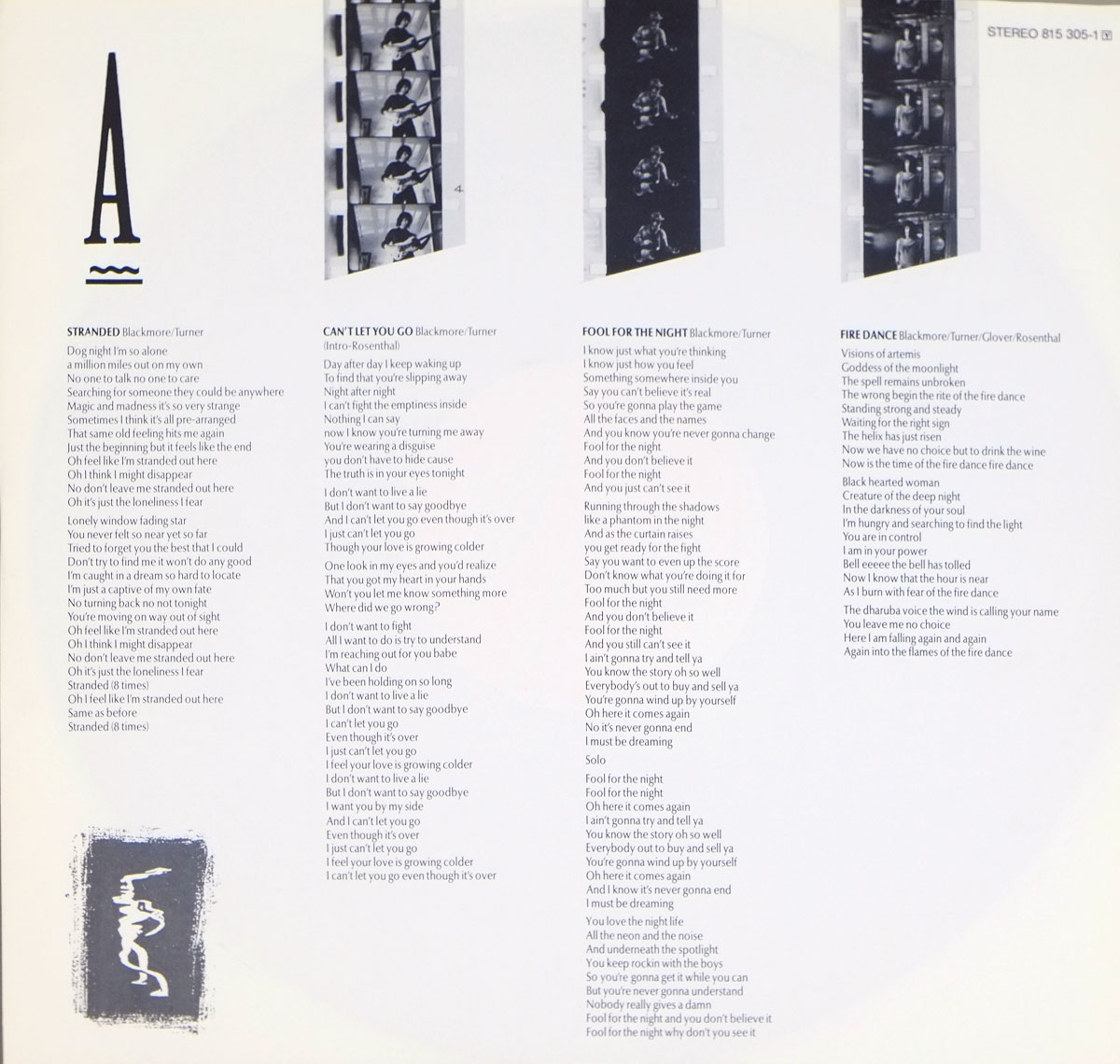
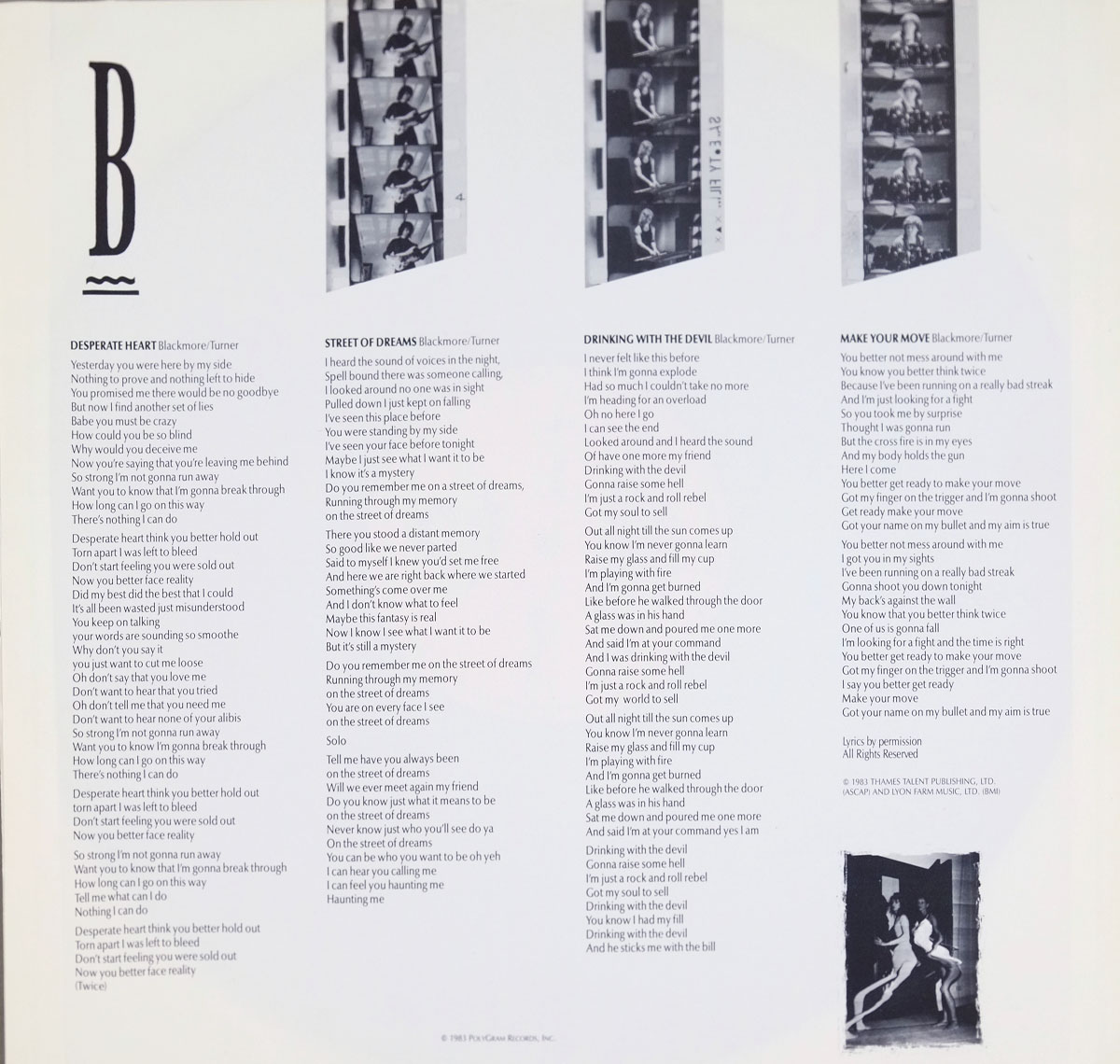
One of the standout features of "Bent Out of Shape" is its masterful songwriting. The album presents a collection of tracks that seamlessly blend hard rock and melodic elements, showcasing Rainbow's ability to create captivating and memorable tunes. From the infectious hooks of "Street of Dreams" to the anthemic "Can't Let You Go", each song on the album exudes a distinctive charm that lingers in the listener's mind long after the music fades.
III. Ritchie Blackmore's Guitar Mastery
Ritchie Blackmore's guitar work on "Bent Out of Shape" is nothing short of extraordinary. Known for his virtuosity and unique playing style, Blackmore's contributions to the album are marked by his exceptional technical skills and ability to evoke powerful emotions through his playing. From the blistering solos in "Death Alley Driver" to the soul-stirring riffs in "Fire Dance", his guitar work takes center stage, captivating listeners with its brilliance and intensity.
IV. Production Excellence by Roger Glover
Roger Glover's role as the producer of "Bent Out of Shape" cannot be overstated. As a member of Deep Purple, Glover brought his vast experience and expertise to the table, ensuring that the album achieved its full potential. His meticulous attention to detail and ability to capture the essence of Rainbow's sound contributed greatly to the album's success. The production quality of "Bent Out of Shape" is top-notch, enhancing the overall listening experience and allowing each instrument and vocal to shine.
Band Members and Musicians on: Rainbow Bent out of Shape
|
Band-members, Musicians and Performers
- Joe Lynn Turner - vocals
- Joe Lynn Turner – Vocals
The voice that turned Rainbow’s thunder into radio-sized choruses, then walked straight into Deep Purple like he owned the mic stand. Read more... Joe Lynn Turner is the kind of singer I file under “instant era-definer”: born Joseph Arthur Mark Linquiti (1951), he’s an American rock vocalist who can sell melody without sanding off the bite. His headline chapters are stamped in clean, collector-friendly time blocks: Rainbow (1980–1984), where his smoother, hook-first approach powered the early-’80s albums and made the choruses feel built for speed; and Deep Purple (1989–1992), where he fronted the band in the early ’90s and proved Purple could wear a different voice without losing the fire. I love that he sits right at that crossroads where classic hard rock gets shinier, louder, and just a little more dangerous in the “FM-friendly but still mean” way.
- Ritchie Blackmore - guitar
- Ritchie Blackmore – Guitarist, Songwriter
The guy who made the guitar sound both medieval and radioactive, often in the same solo.
Read more...
Ritchie Blackmore is the sort of name I see on a sleeve and instantly expect sparks: born Richard Hugh Blackmore (1945), he’s an English guitarist who helped hard-rock riffing grow teeth and then politely refused to stop. His era-stamps are basically whole chapters of rock history: Deep Purple (1968–1975, 1984–1993), where the riffs got louder, sharper, and more dramatic; Rainbow (1975–1984, 1993–1997), where he leaned into melody and fantasy like it was a weapon; and Blackmore’s Night (1997–present), where the electric storm calms down into Renaissance-folk textures without losing that unmistakable Blackmore touch. I love that arc: from amp-stacks and arena thunder to lutes-and-candles vibes, like he just swapped dragons for different dragons.
"Blackmore Signature Strats"
I’ve spent too many nights chasing that Blackmore chime. Fender’s Artist Series Strat is a love letter to his ‘70s obsession—Olympic White with a graduated scalloped rosewood board that makes your fingers feel like they’re floating. The electronics are pure Ritchie logic: two Seymour Duncan Quarter Pounds for the bite and a dummy middle pickup. It’s a prop, a plastic decoy for us mortals. Then there’s the Fender Japan ST72-145RB. MIJ builds have a surgical precision, keeping the ‘72 vibe alive for the obsessive collector. We hunt these like lost relics, justifying the cost because a standard neck feels one-dimensional by comparison. It’s a specialized tool for a very specific kind of madness. But then, isn't that the whole point?
- David Rosenthal - keyboards
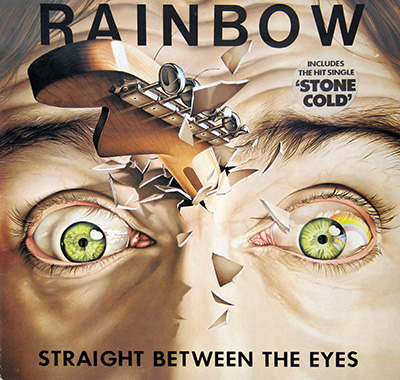
David Rosenthal is an American keyboardist, musical director, orchestrator, and producer, widely recognized for his versatile work across rock, pop, and theater. Born on January 1, 1961, he studied at the Berklee College of Music and has built a distinguished career spanning multiple decades. Rainbow (1981–1984) – Joined during the Difficult to Cure tour and played on Straight Between the Eyes and Bent Out of Shape
- Roger Glover - bass
- Roger Glover – Bass, Producer, Songwriter
If the groove feels like a tank with manners, his name is usually somewhere nearby. Read more... Roger Glover is one of those credit lines I trust on sight: a Welsh bassist, producer, and songwriter who helped define the heavyweight “engine room” of classic hard rock. I mainly tag him to two eras that just refuse to die: Deep Purple (1969–1973, 1984–present), where his bass and writing instincts locked in with that Mark II bite, and Rainbow (1979–1984), where he wasn’t just playing low-end—he was also steering the sound as lyricist and producer. He came up through Episode Six, then spent the 1970s stacking production work and side projects like it was a second career (because, yeah, it basically was), but those Purple and Rainbow years are the real “mythology in the liner notes” stuff.
- Chuck Burgi - drums
|