"KING DIAMOND" Biography:
King Diamond doesn’t “sing” so much as he haunts the room on purpose. That voice — the clean, surgical falsetto that can snap from a whisper to a warning siren — is the sort of thing that made teenage bedrooms feel like small theatres with bad lighting and excellent intentions. Somewhere up in that Denmark-to-the-rest-of-us pipeline, Kim Bendix Petersen turned horror into craft, and craft into habit. Not a gimmick. A discipline.
The first time his stuff really lands, it’s not the lore that gets you. It’s the atmosphere: cold air, candle smoke, the feeling of a door clicking shut behind you. Copenhagen (or more precisely the Copenhagen area) has that grey, sea-breath mood baked in, and King Diamond wears it like facepaint. The songs don’t politely “tell stories.” They push you down the hallway and make you look.
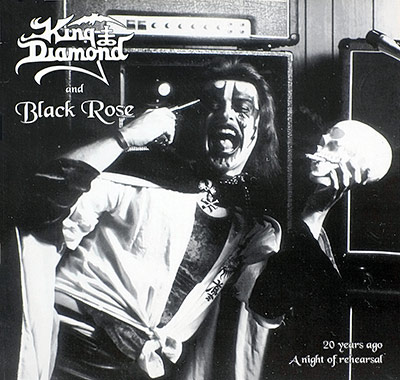
The early years are the usual messy ladder: mid-70s bands, small rooms, big volume, the slow realization that the voice is the weapon. Brainstorm shows up in the timeline around 1974, then Black Rose (1979–1981) becomes the proper staging area — where the hard rock edges start sharpening into something more sinister. No neat origin myth here. Just repetition, sweat, and that stubborn Danish work ethic: do it again, but colder.
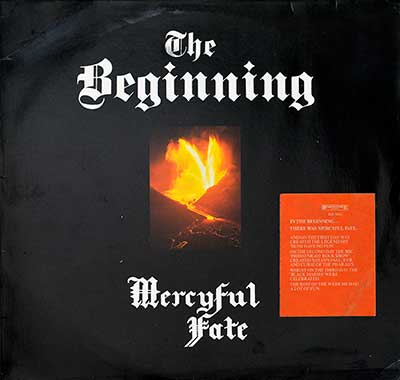
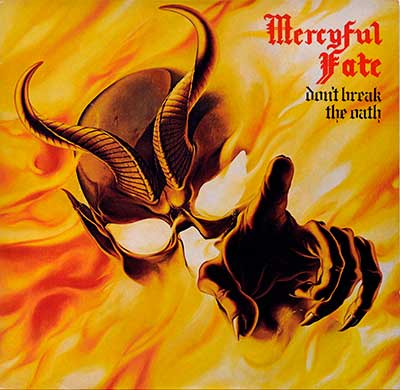
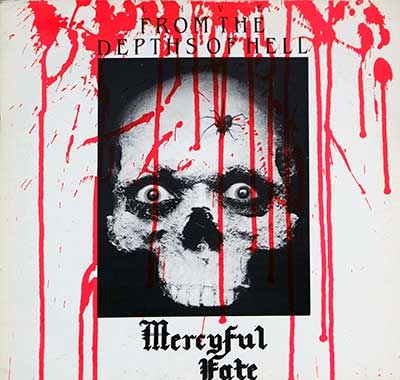
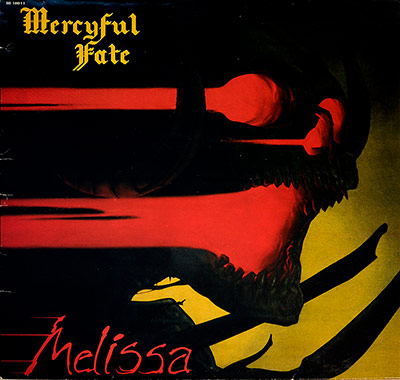
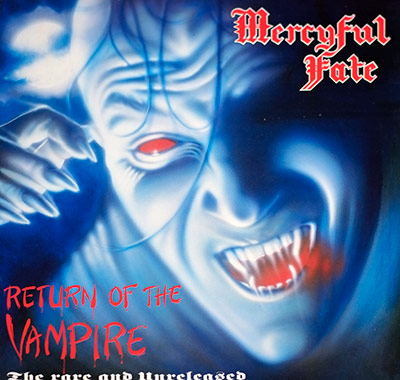
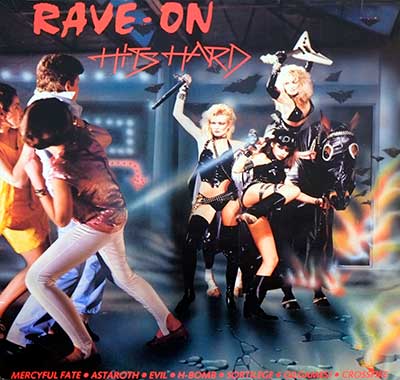
Then comes the real turn of the screw: Mercyful Fate forms in spring 1981 with Hank Shermann, right in Copenhagen, like someone finally decided the riffs should match the subject matter. Those early Mercyful Fate records don’t sound “historic” when they hit right — they sound alive, twitchy, slightly offended, and absolutely committed. “Melissa” (1983) and “Don't Break the Oath” (1984) aren’t museum pieces. They’re blueprints, still practical, still sharp enough to cut lazy bands in half.
The thing people always reduce to a fun fact — the falsetto — is actually more interesting as a choice. It isn’t there to show off. It’s there to change the temperature. One second you’re listening to a heavy metal band; the next you’re being stared at by something theatrical and not entirely friendly. That’s the hook: the voice behaves like a character that refuses to stay on the page.
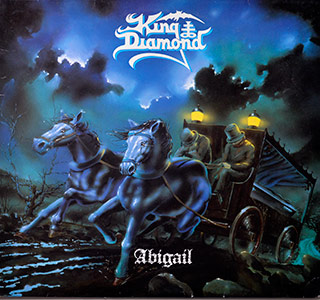
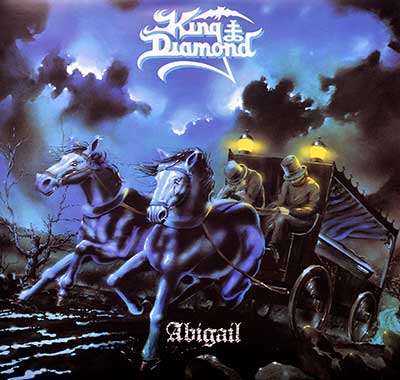
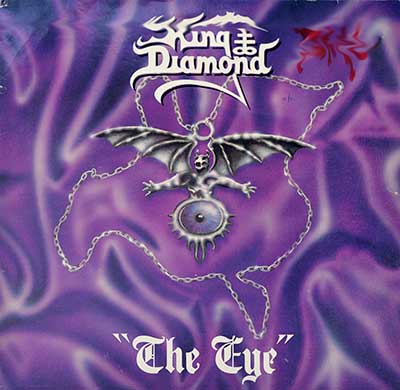
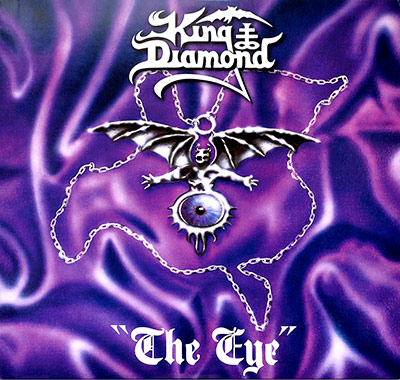
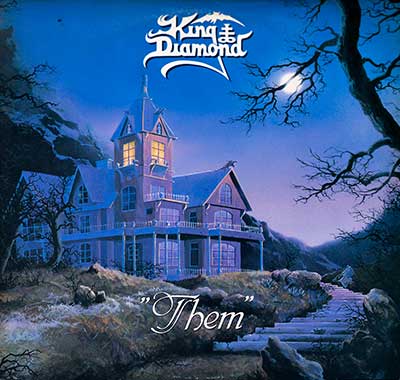
The solo career starts in 1985, and the tone shifts from “occult band with dangerous charm” to “full-on horror director with a budget.” “Abigail” (released in 1987) is where the storytelling stops flirting and commits. The record feels like a house you can walk through — floorboards, drafts, footsteps in the wrong place. “Them” follows in 1988, “The Eye” in 1990, and by then the formula is clear: riffs as scaffolding, characters as knives, and that voice hovering over everything like a light that’s too bright.
A small everyday anchor, because real life insists: there’s a particular pleasure in dropping the needle on King Diamond on a regular, boring day — coffee going cold, some chores waiting — and suddenly the room isn’t your room anymore. It’s a stage. That’s not “influence.” That’s function. Plenty of bands sound cool; fewer bands actively rearrange the air in your house.
The 90s and 2000s keep the concept-album obsession alive, for better and occasionally for “alright, Kim, calm down.” But when it works, it really works. “The Puppet Master” (2003) leans hard into the theatre, and “Give Me Your Soul...Please” (released 26 June 2007) still has that knack for making a chorus feel like a trapdoor. Not every moment is equally lethal — nobody’s discography is — yet the commitment never goes away. That’s why he’s still here.
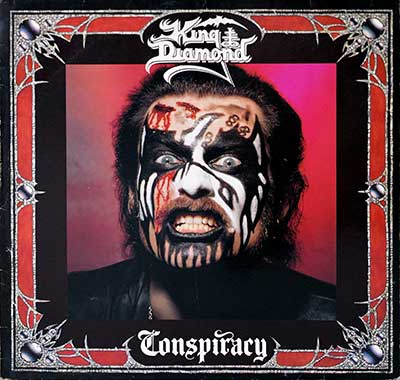
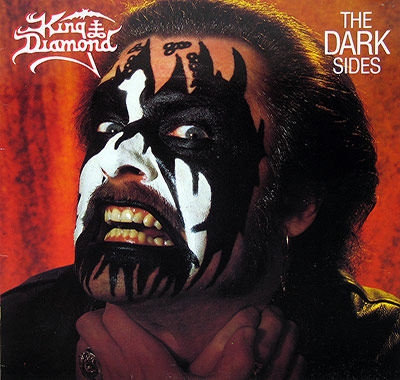
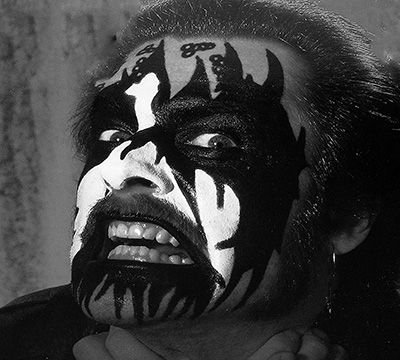
The stage persona matters too — not because makeup is “iconic,” but because it frames the ritual. Black-and-white facepaint, the posture, the pacing: it’s all part of the contract. A King Diamond show isn’t casual entertainment. It’s a deliberate little nightmare with a professional schedule. Some people want metal to be a bar fight; King Diamond wants it to be a candlelit confession that ends badly.
And yes, Denmark is in there the whole time. Not as postcard clichés — more like a cold clarity. The songs feel like winter light: sharp, honest, and mildly cruel. That’s the vibe. That’s the seasoning. The rest is craft and stubbornness, the kind that survives trends, health scares, and the constant temptation to become a nostalgia act. He hasn’t turned into one. Not really.
Call him influential if you must, but it’s more specific than that: he taught metal how to commit to a scene without winking at the audience. He made “theatrical” stop meaning “silly.” Love it or roll your eyes at it — and plenty of people do both — the man still sounds like he means it. Which is rarer than any limited pressing.
References
- The Vulcan Blues Experiment (vinyl-records.nl) — King Diamond / Mercyful Fate pages & high-resolution cover photos
- Wikipedia — King Diamond (biographical basics, career overview)
- Wikipedia — Mercyful Fate (formation details, timeline)
- Metal Blade Records — Mercyful Fate band bio (formation details)
- Encyclopaedia Metallum — Black Rose (dates, context)
- Metal Blade Records — "Give Me Your Soul...Please" (release info)