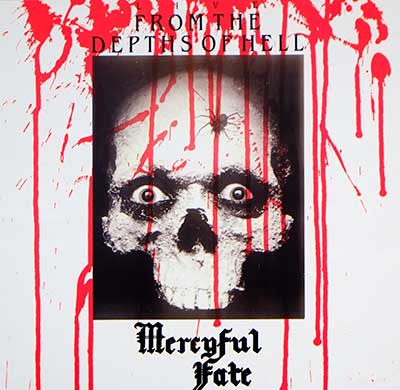
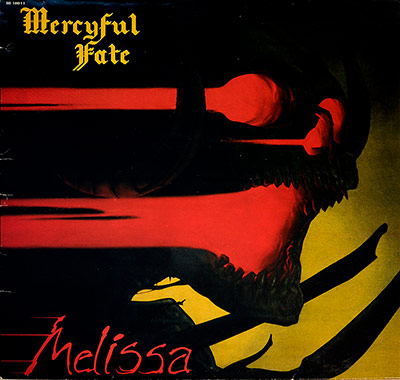
If you want to know what the early 80s felt like inside Copenhagen’s Easy Sound Recording Studio, don't look at the charts—listen to the snare drum. Henrik Lund, alongside his brother Niels Erik, didn't just record bands; he sculpted them. While other producers were drowning everything in reverb, Lund kept his hands on the faders, ensuring Melissa (1983) and Don't Break the Oath (1984) sounded like they were recorded in a cathedral made of ice. There’s a specific, razor-edged clarity to those Mercyful Fate sessions that remains terrifyingly sharp, even forty years later. He brought that same meticulous, slightly detached discipline to outfits like Fate and Maltese Falcon, refusing to let the burgeoning 'metal' sound turn into a muddy mess. He was a musician himself—look for his name on Pop From The Deep End—and that pedigree shows in the way he prioritized the interplay of the instruments over technical flash. He wasn't there to capture a performance; he was there to document an atmosphere, usually one that felt like it was lingering just a few degrees above freezing. It's a sonic signature that is often imitated but rarely felt quite as deeply.
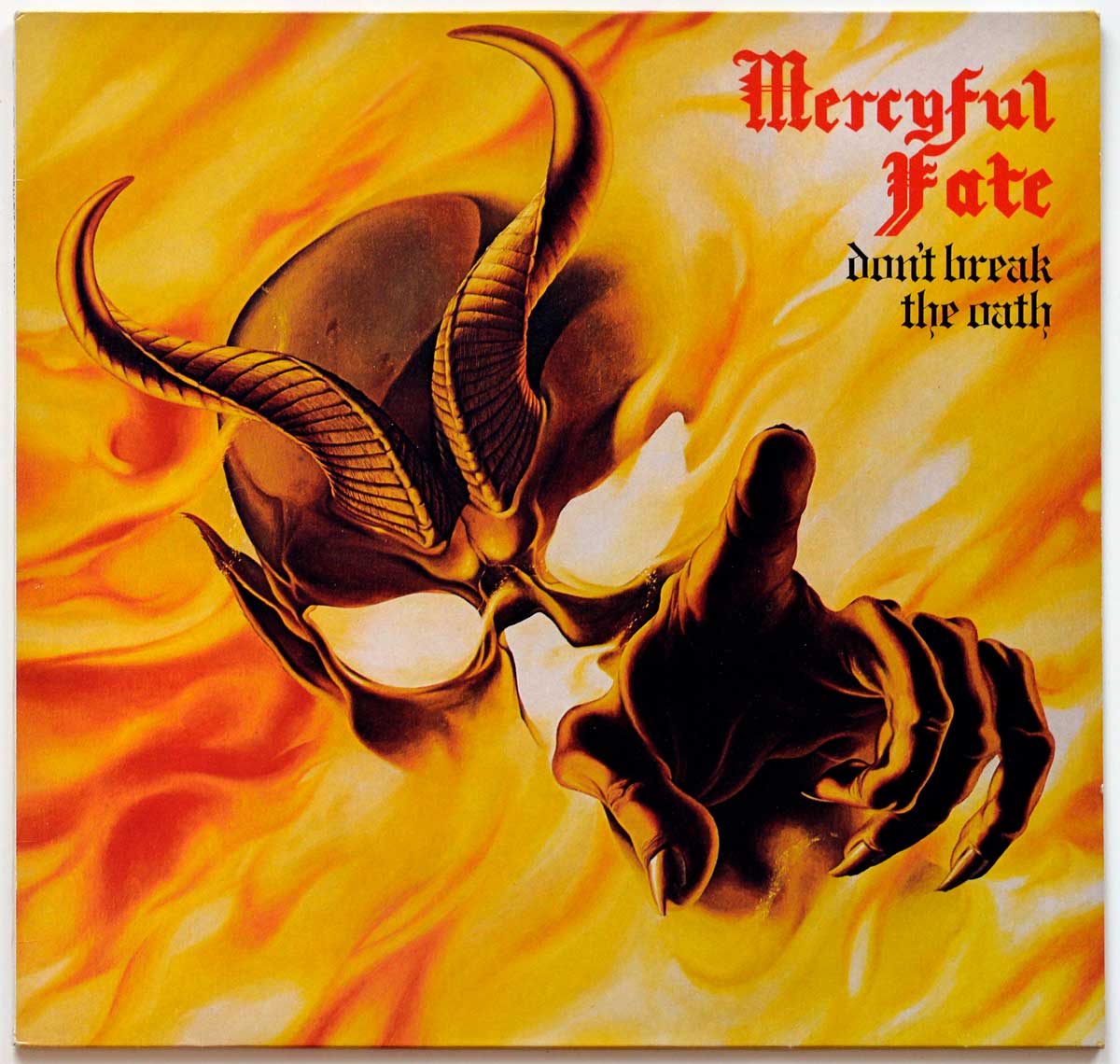
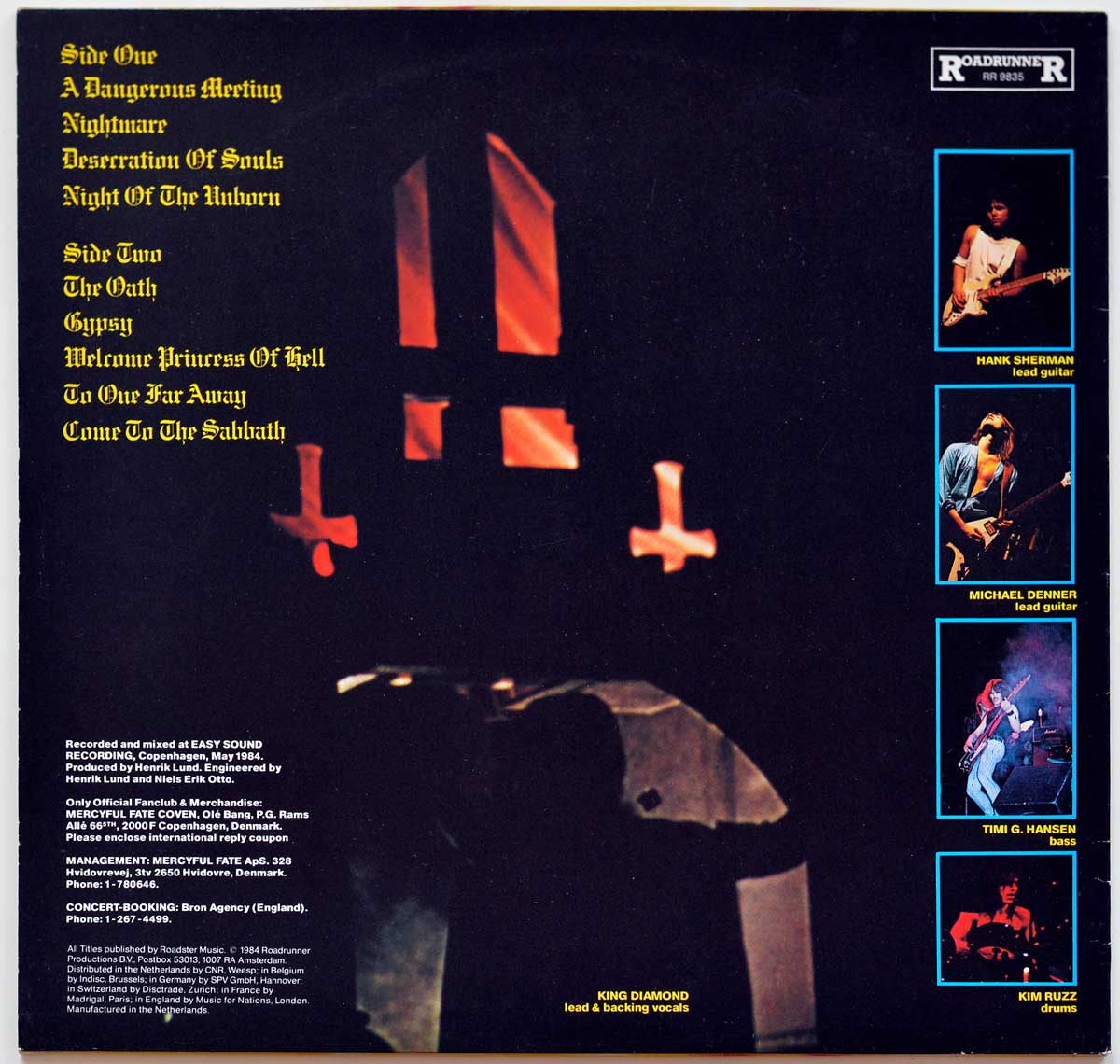
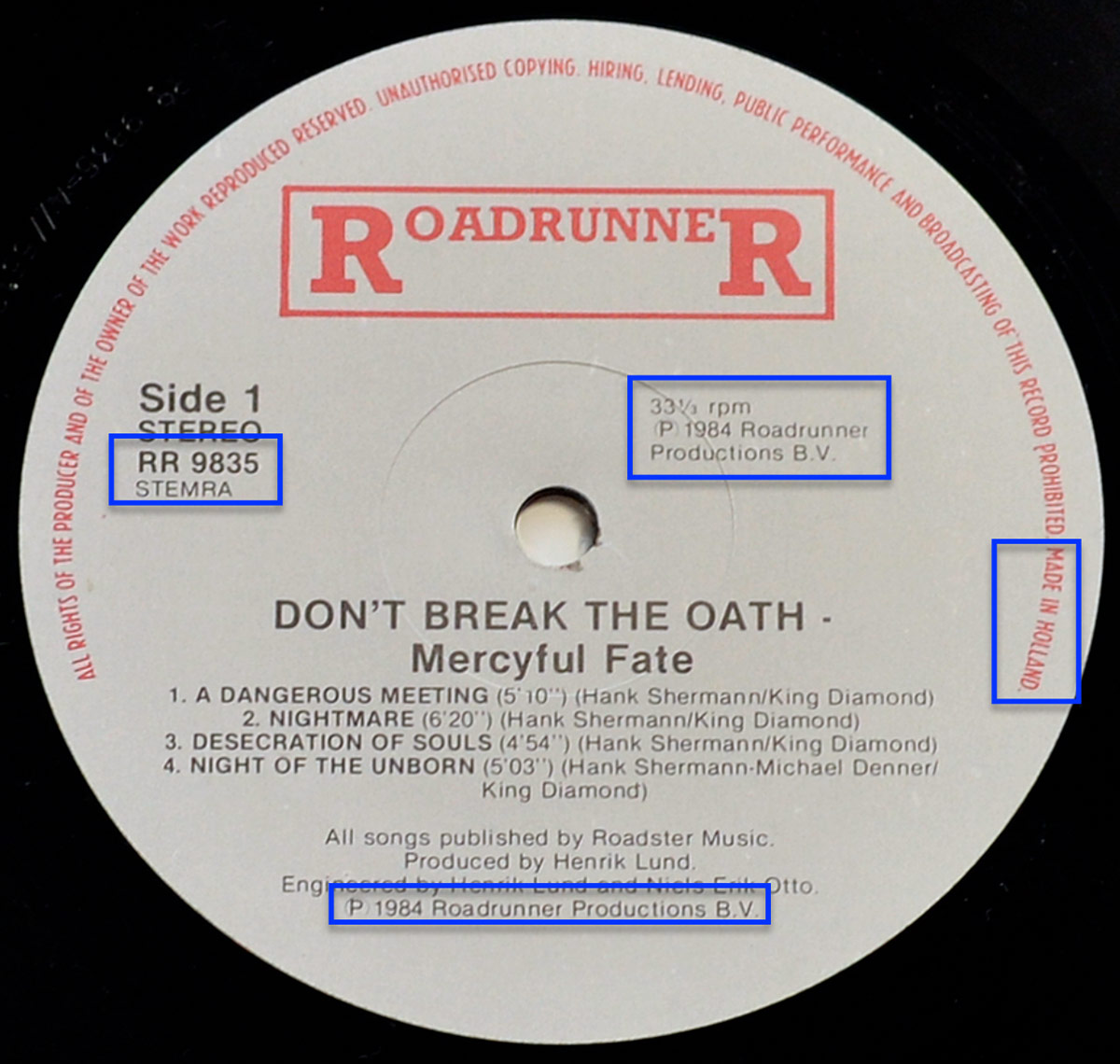
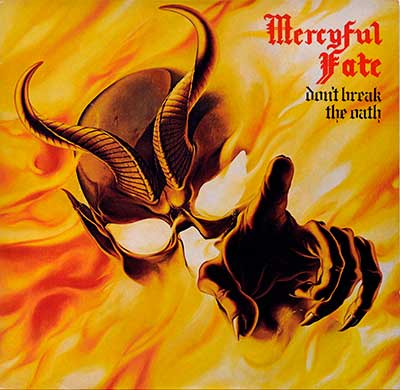
MERCYFUL FATE - Don't Break The Oath - Roadrunner netherlands 12" Vinyl LP Album
- The Vinyl, The Legend, The Ritual
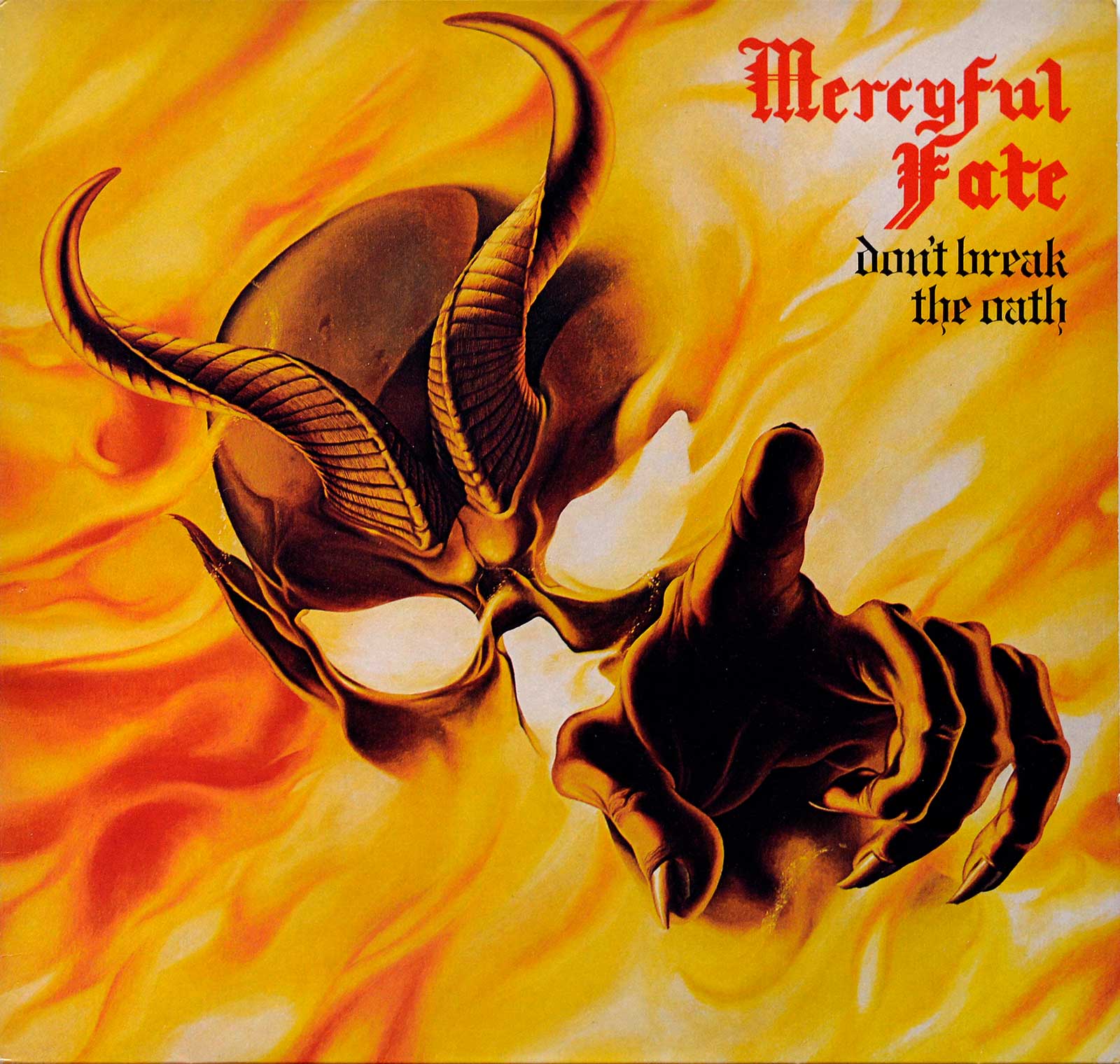
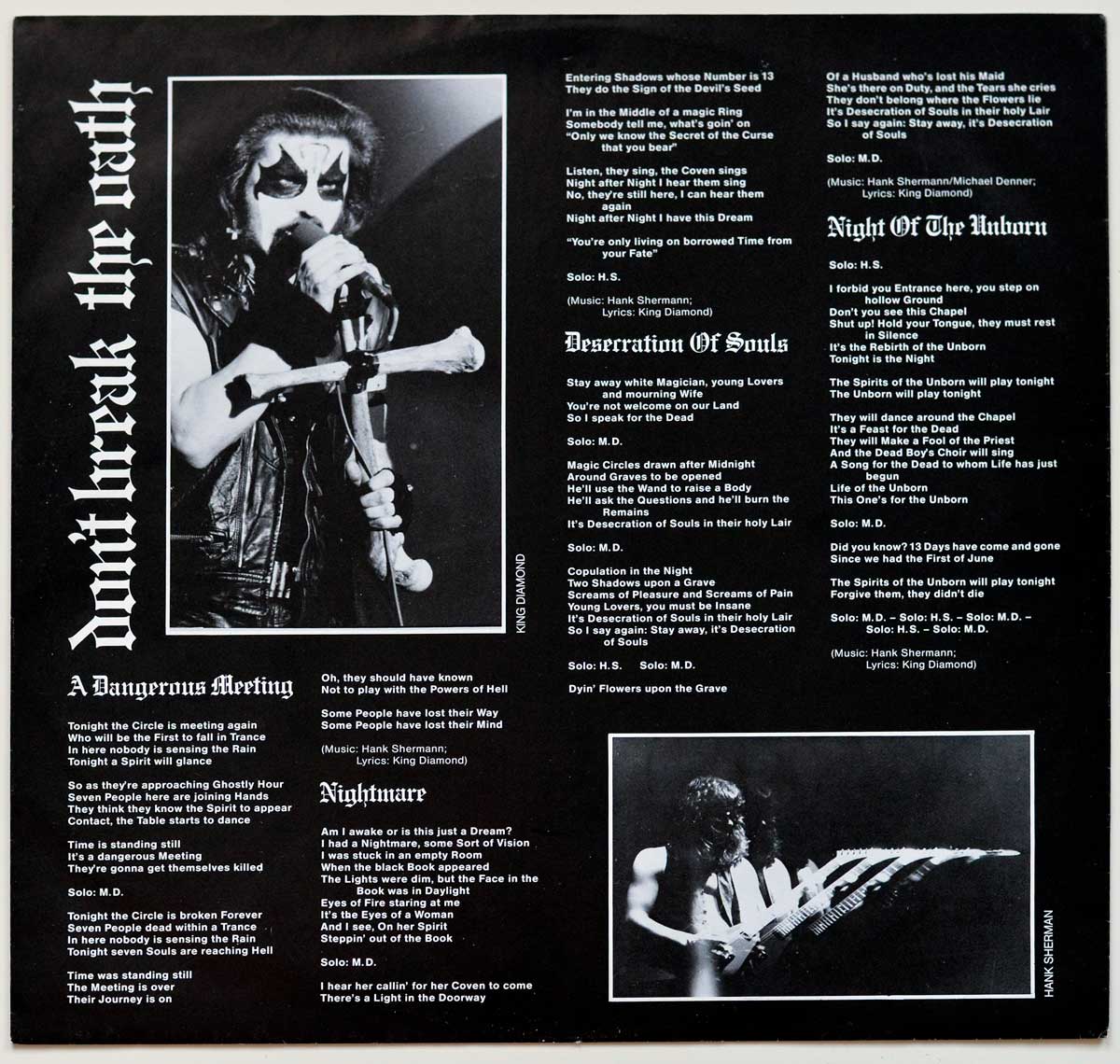
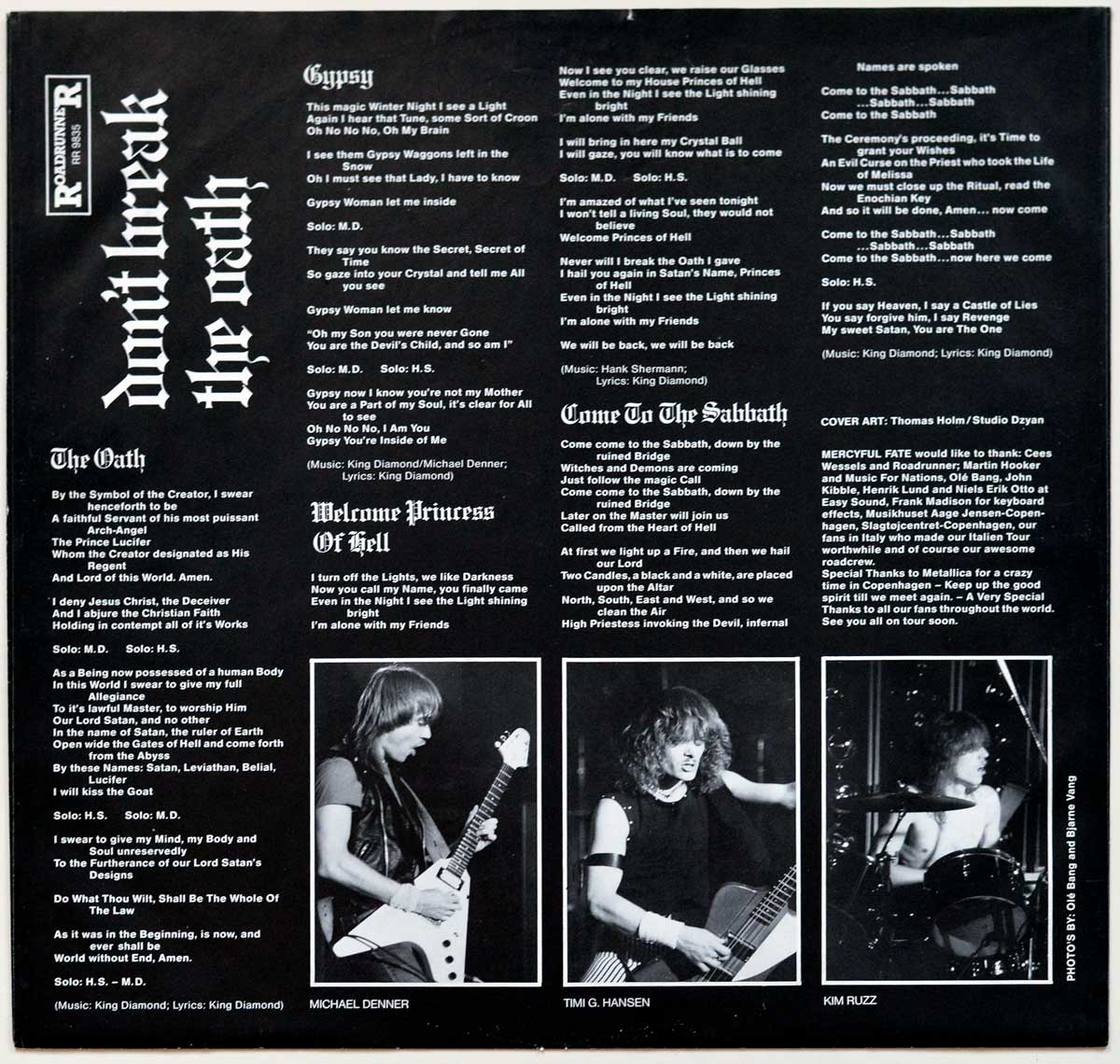
This page is a deep dive into Don’t Break the Oath, Mercyful Fate’s 1984 masterpiece of sinister riffs, occult atmospheres, and King Diamond’s banshee wail. Packed with high-res album scans, track details, and recording insights, it’s a shrine to one of metal’s most influential records. Every groove, every lyric, every note is a gateway to the abyss—enter if you dare.