Mercyful Fate formed in early 1981 in Copenhagen, and you can hear the exact moment they decided being “nice” was for other people. King Diamond and Hank Shermann didn’t set out to make a polite heavy metal record collection item. They set out to make something that stares back.
The classic line-up snapped into place fast: King on vocals, Shermann and Michael Denner on guitars, Timi Hansen on bass, Kim Ruzz on drums. That’s the engine room people remember, because it moves. The twin guitars don’t “feature harmonies” — they knife-fight in stereo, then suddenly lock arms like they planned it all along.
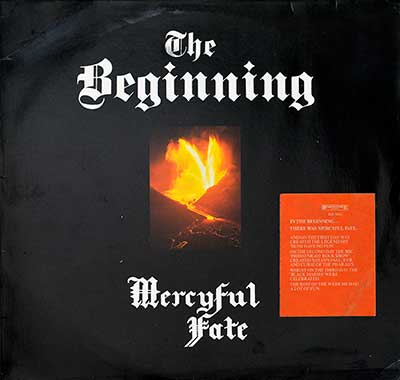
Their first calling card was the 1982 EP "Mercyful Fate". I didn’t need anyone to “introduce the band” to me. One spin and the room got colder. Not because it’s “dark and macabre” (those are poster words), but because the riffs sound like they’ve got teeth and a private joke you’re not in on.
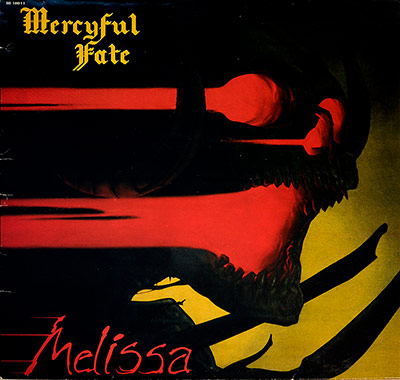
"Melissa" (1983) is where the whole thing hardens into a signature: sharp, melodic, slightly theatrical, and absolutely uninterested in your comfort. King Diamond’s voice doesn’t just soar — it haunts. The band isn’t “atmospheric”; it’s claustrophobic in the best way, like a candlelit hallway where you can hear footsteps but you refuse to turn around.
The occult angle gets overstated by people who want easy headlines. Yes, the lyrics lean into Satanism and the occult, often with a sly, sardonic twist of Christian imagery. But what made it stick wasn’t shock value. It was commitment. The chord choices, the dramatic turns, the way a riff will swagger in and then step aside for a melodic hook like it’s opening a trapdoor.
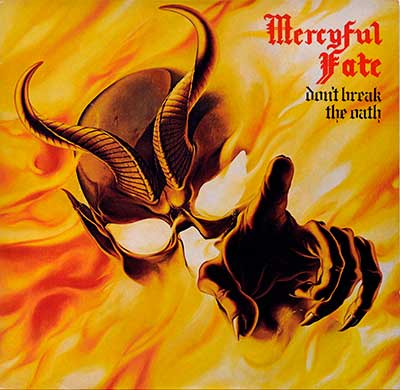
Then "Don't Break the Oath" (1984) arrives and just… refuses to age. "A Dangerous Meeting", "The Oath", "Come to the Sabbath" — those songs don’t “become iconic”; they move in. The cover art (painted by Thomas Holm) looks like something you’d hide from your parents and still keep on the shelf where you can see it from across the room.
They split in 1985 — musical differences, personal friction, the usual band chemistry grenade. King Diamond took the theatrical horror obsession into his own band. Shermann went on to form Fate. And for a while Mercyful Fate felt like one of those perfect, dangerous things that only exists in a specific decade.
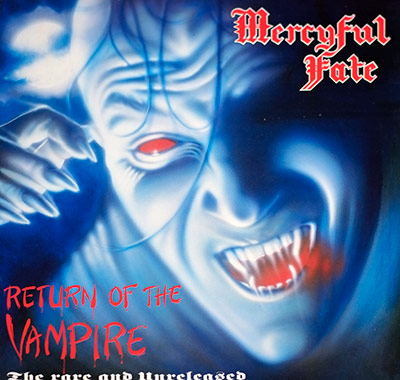
The reunion happened in 1992, and the comeback album "In the Shadows" landed on 22 June 1993. It didn’t pretend it was still 1984; it leaned more into conceptual horror and story-driven menace. Also, Lars Ulrich shows up as a guest on "Return of the Vampire" — a little Danish wink that still makes me smirk.
The late run rolls on through the 1990s, and "9" drops in 1999 — still their most recent studio album. People keep waiting for the “next one” like it’s owed to them. Meanwhile the band has returned to the stage in later years, because apparently some ghosts don’t stay buried just because the calendar insists.
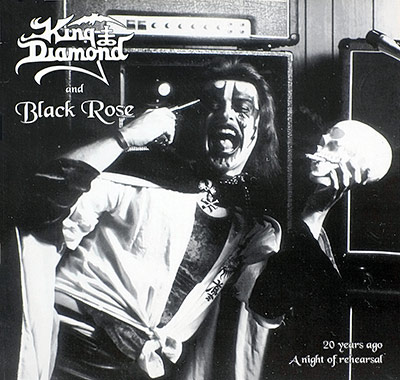
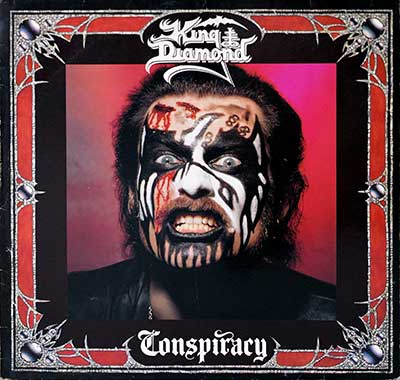
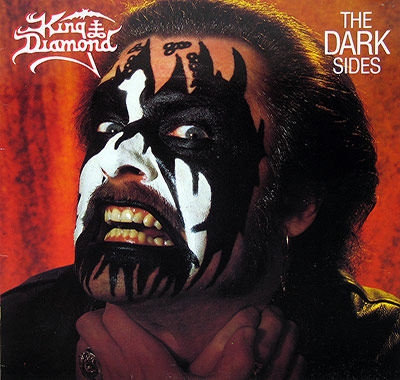
One last thing: the makeup. Mercyful Fate as a band didn’t “invent corpse paint” like it’s a trademarked product line. King Diamond used theatrical face paint early, sure — he made it part of the ritual — but black metal took that look and turned it into a uniform. Mercyful Fate’s real visual weapon was always the same as the musical one: intent. No blinking. No apologies.
References