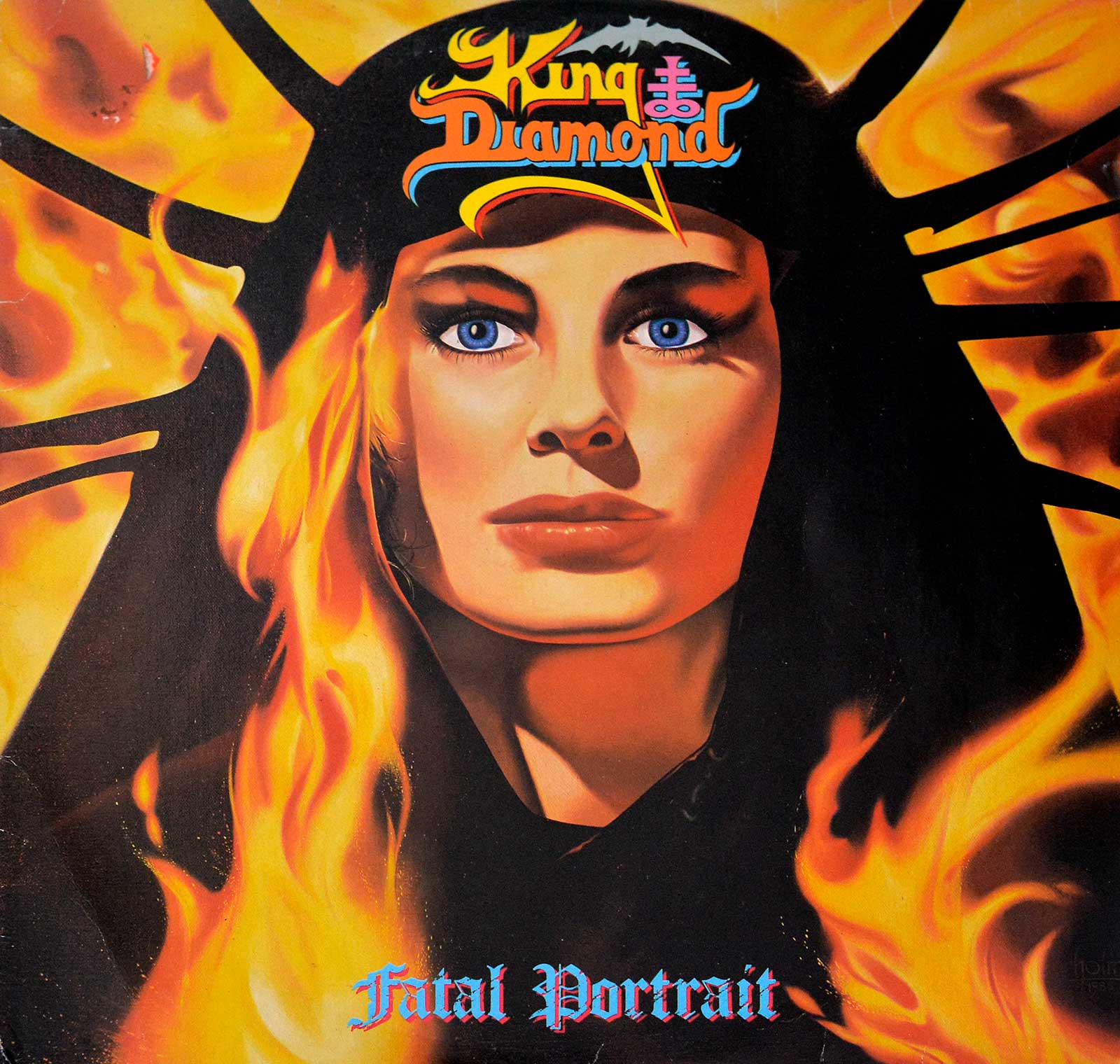
"Fatal Portrait" Album Description
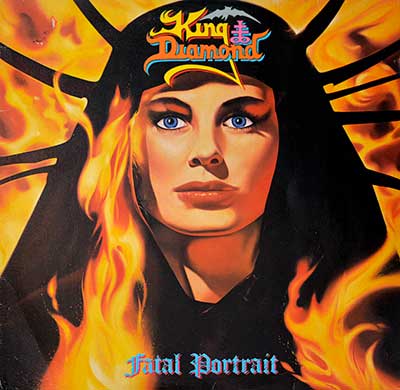
"Fatal Portrait" still feels like the moment the candles stopped being stage props and started being part of the job. Recorded in 1985 and arriving as King Diamond’s debut album in that early Roadrunner window, it doesn’t sound like a side project politely asking for attention. It sounds like a guy walking out of Mercyful Fate’s shadow and slamming the door so the hinges remember it.
Mercyful Fate already had the evil chemistry, sure, but this is where the storytelling gets pushy. Not “concept album” pushy like a rock opera with polite applause breaks. More like a lurid paperback you keep within reach, even if the cover embarrasses you in daylight. The routines are familiar: late-night listening, low lamp, lyrics sheet half-read, then the needle drops and suddenly the room feels a little colder than it should.
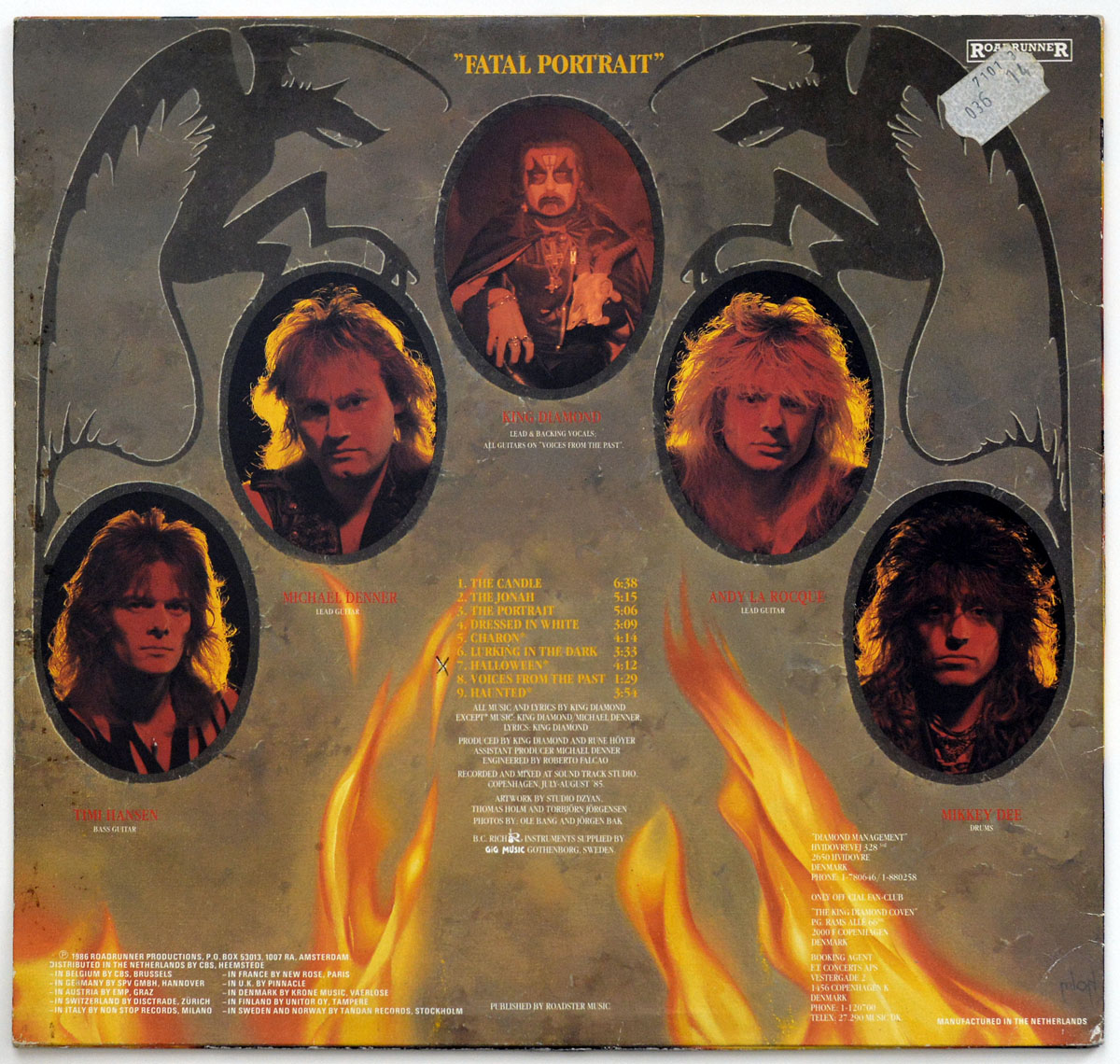
Denner and Timi Hansen being along for the ride helps, because the record needs players who can sound sharp without sounding messy. Andy LaRocque slides in with that clean, slicing guitar tone that makes the riffs feel expensive instead of merely loud. Mikkey Dee drives it hard enough to keep the drama moving, which matters here. The theatrics only work when the band hits like it means it.
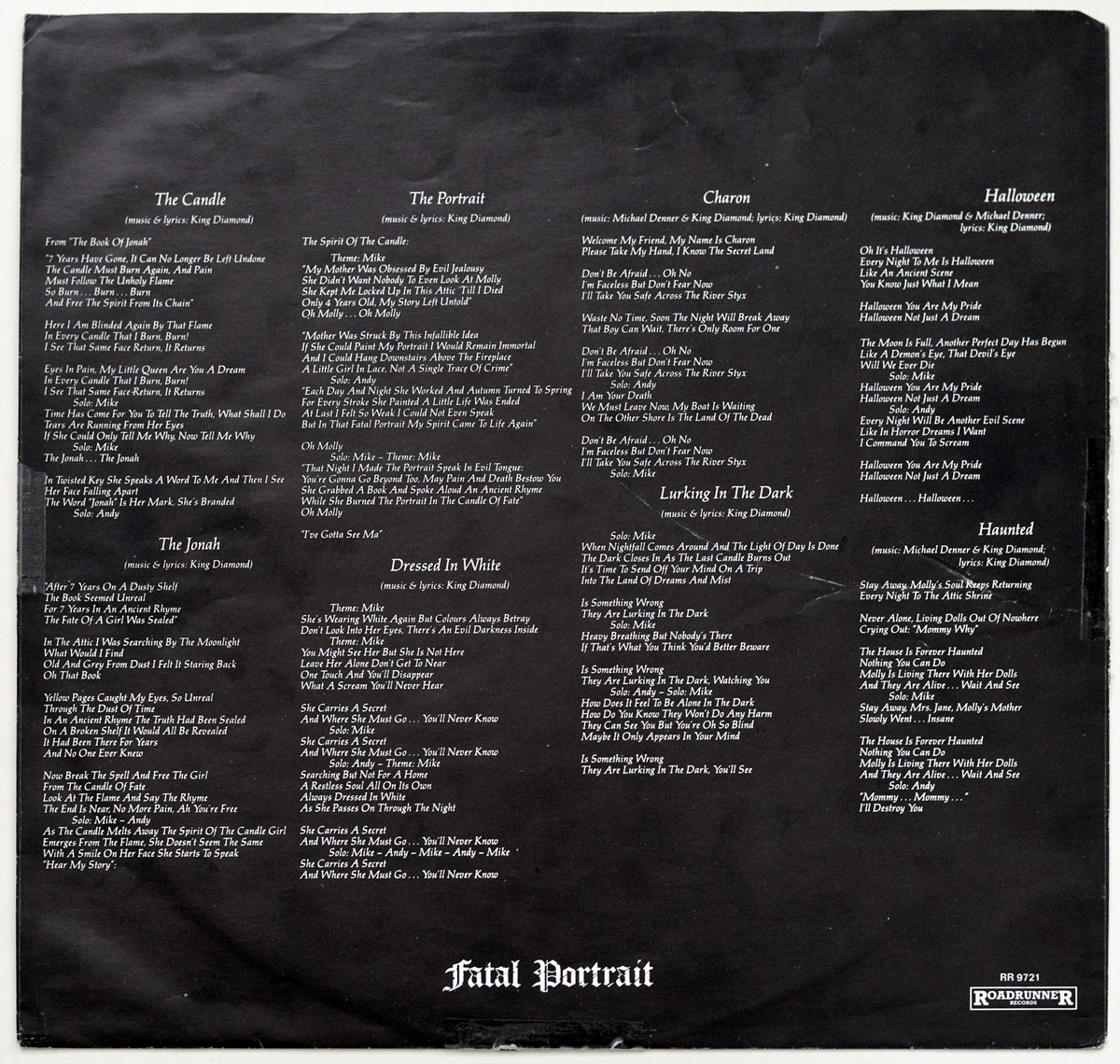
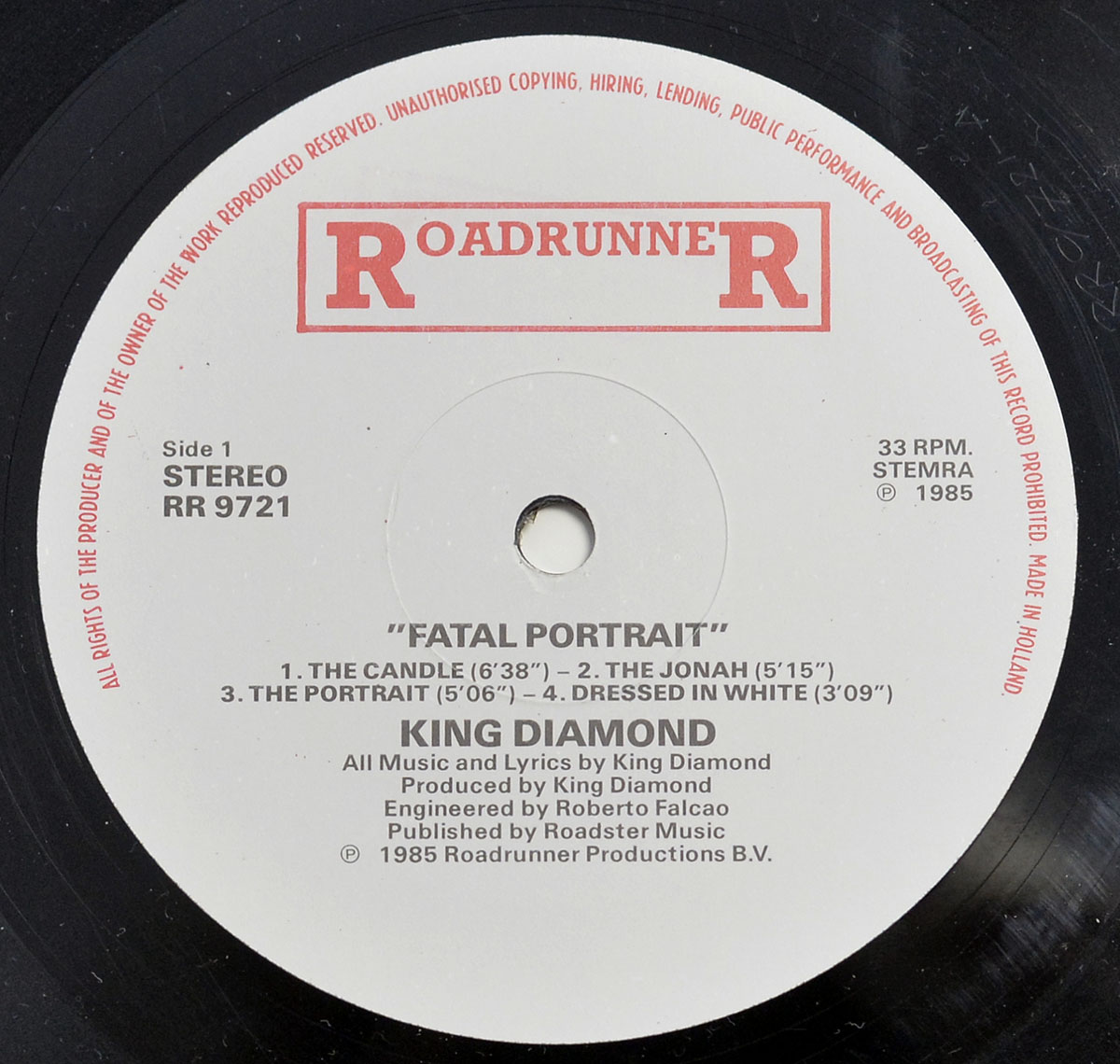
“The Candle” doesn’t warm the room. It dares it. “The Jonah” pushes the plot forward with that itchy, hunted energy, and “Dressed in White” lands with the kind of neat menace that makes you rewind a chorus even while pretending you don’t. Side two has the obvious crowd-pleaser in “Halloween,” but the smarter hook is how the album keeps switching gears without losing the thread. No filler, no shrug tracks, no “we needed nine songs” nonsense.
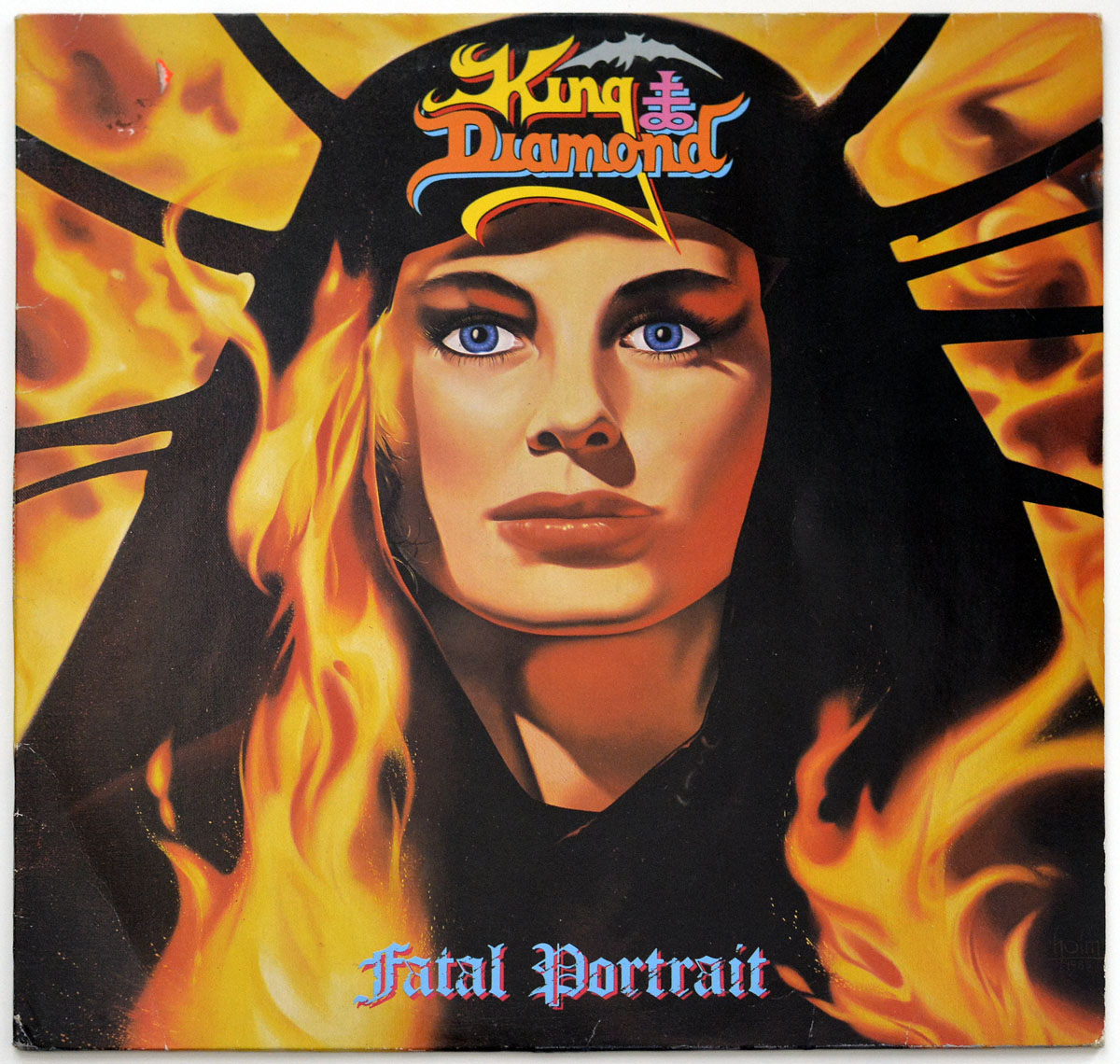
Production-wise, the details tell the story without doing a lecture: produced by King Diamond with Rune Hoyer in the background keeping the tape rolling, engineered by Roberto Falcao, recorded at Soundtrack Studio in Copenhagen (July–August 1985). The result is clear enough to hear the knife-edge harmonies, but not so polished that it loses its teeth. Studio Dzyan’s artwork and Ole Bang’s photography do what good packaging should do: frame the world, then get out of the way once the music starts lying to you.
Plenty of metal debuts promise a “new era” and then vanish into bargain bins. "Fatal Portrait" doesn’t beg for legend status. It just sits there, staring back, and it’s mildly irritating how well it still works. Even now, that first run of songs feels less like nostalgia and more like a warning label you forgot to read.