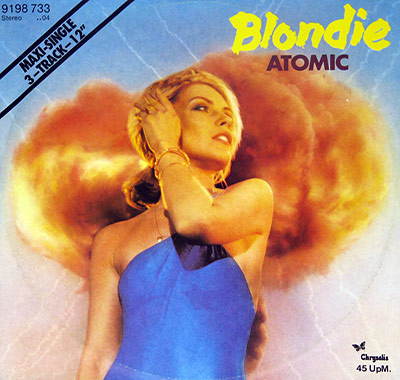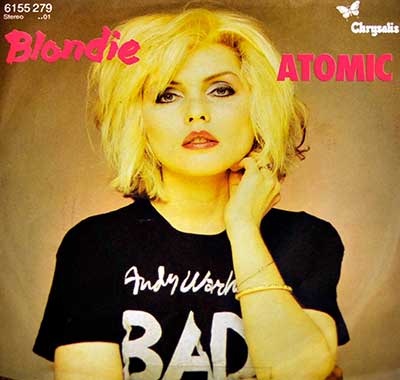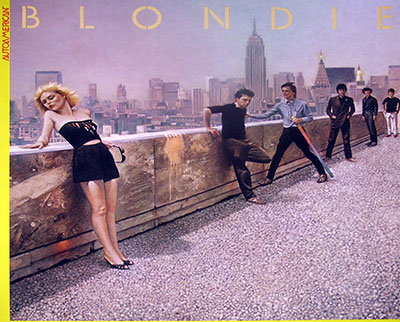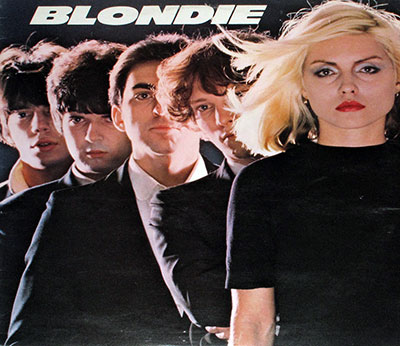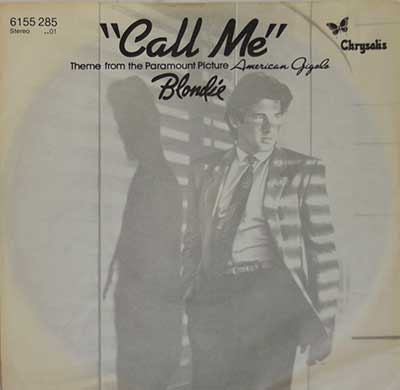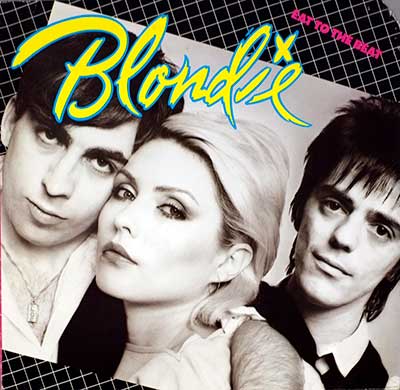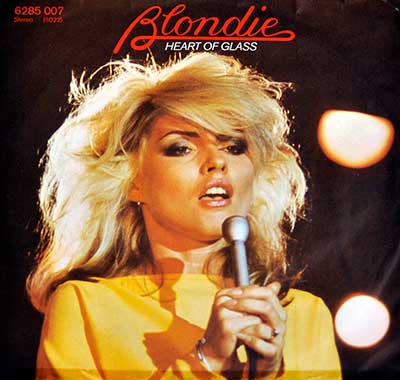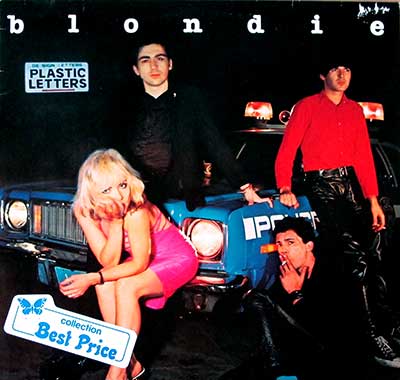
I didn't meet Blondie through a tidy biography. I met them the way most people did: by hearing something sharp and glossy on the radio and thinking, wait—is that a punk band pretending to be pop, or a pop band playing chicken with punk? Their first records had that CBGB bite in the sleeves, but in the U.S. they still felt like an inside tip until "Parallel Lines" landed in 1978 and suddenly everyone owned an opinion. The suits got interested. The dancefloor got interested. Even the people who swore they hated "new wave" were humming along anyway. Funny how that works.
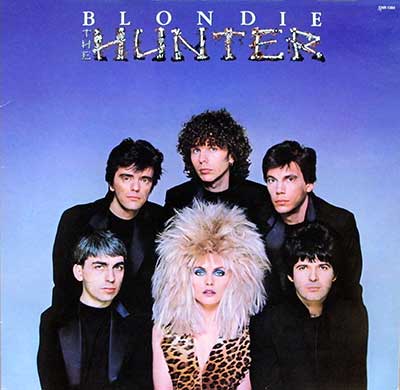
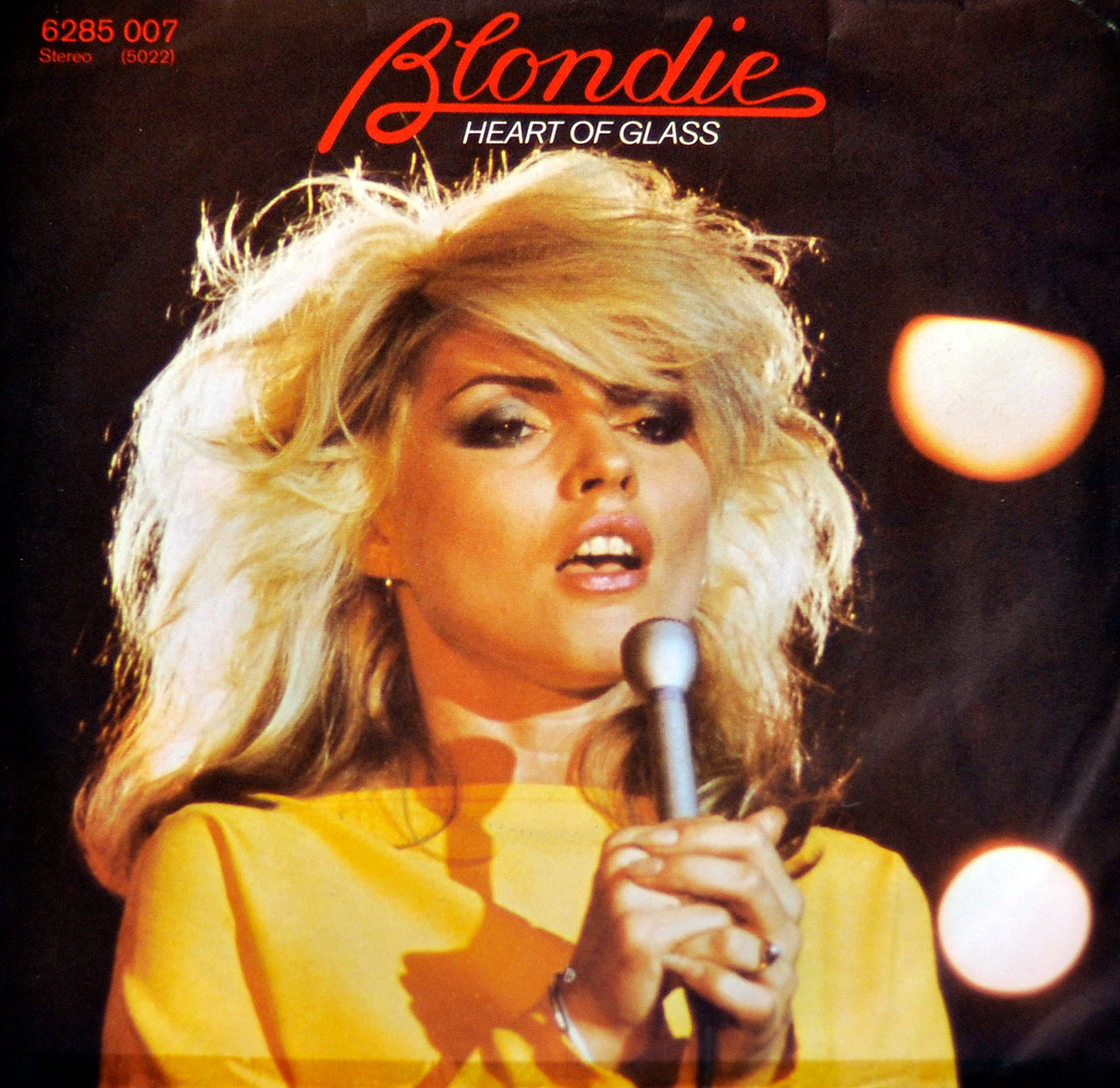
What I still like is the nerve. They didn't politely "incorporate" styles—they grabbed them by the collar. Disco, pop, reggae, early hip-hop: Blondie didn't ask permission, they just walked across the room and took the best seat. Debbie Harry could sound cool, amused, dangerous, bored—sometimes all in the same line—and Chris Stein's guitar always felt like it had teeth behind the lipstick. Then came the messy human part: after "The Hunter" (1982) the band folded, and Harry stepped back for a while as Stein battled a rare autoimmune disease (pemphigus vulgaris is the nasty name you don't forget once you've learned it). Not glamorous. Not poetic. Just life, kicking the door in.
The comeback was the satisfying kind: in 1997 they regrouped, and in 1999 "Maria" went to No. 1 in the UK like it owned the place. They got the Rock and Roll Hall of Fame nod in 2006, which is fine—institutions love putting wild things in glass cases. Blondie kept moving anyway. "Panic of Girls" first showed up as a digital release on 30 May 2011, with physical versions following, and it didn't sound like a band begging for relevance. It sounded like a band that never really learned to sit still. Good. Sitting still is overrated.