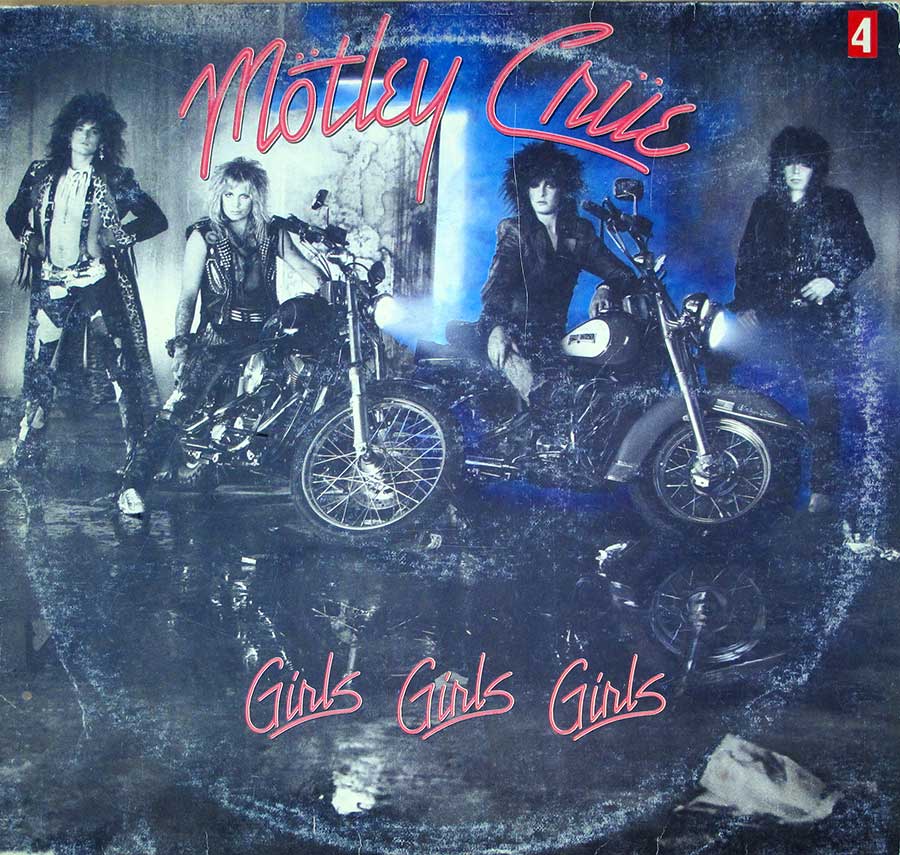
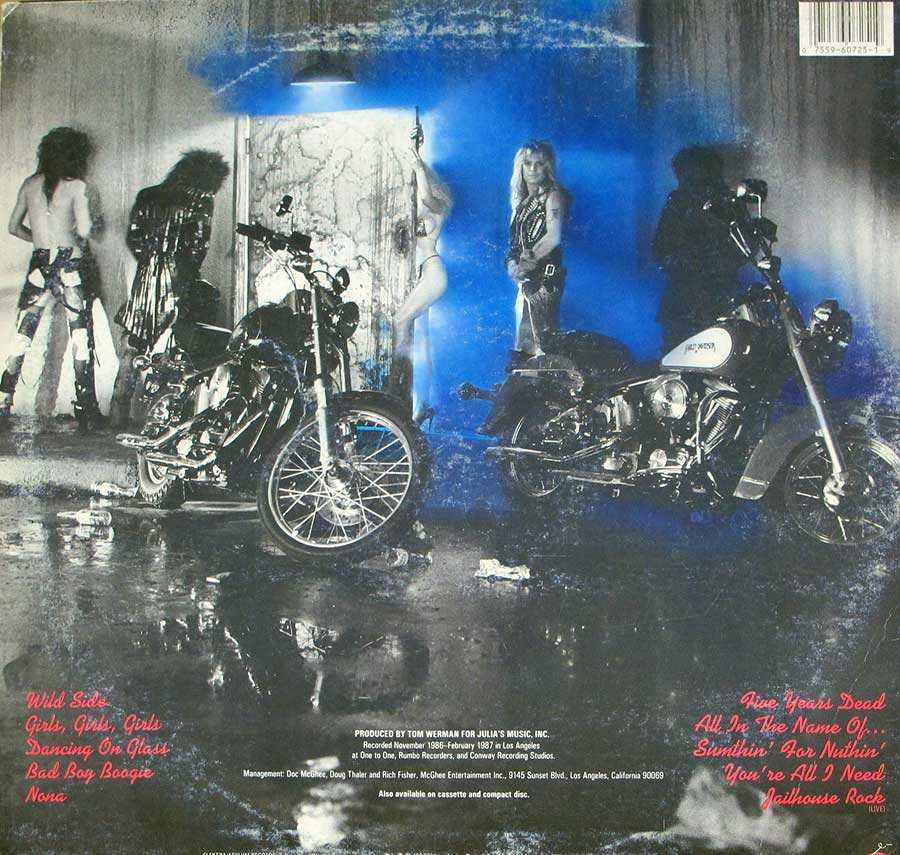
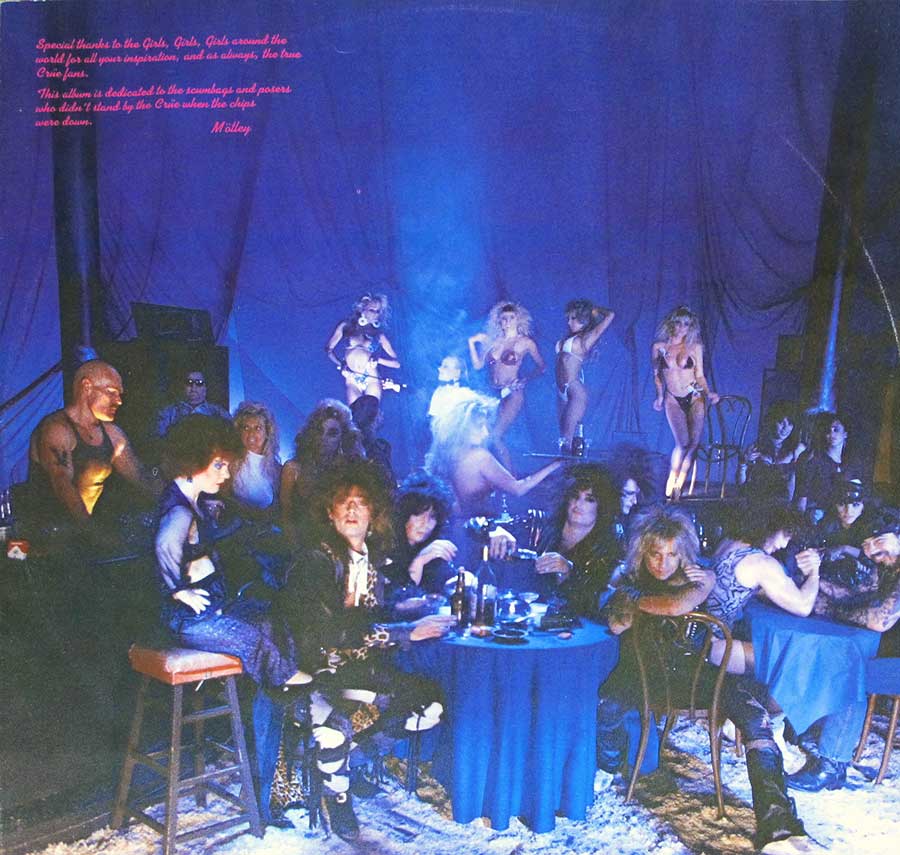
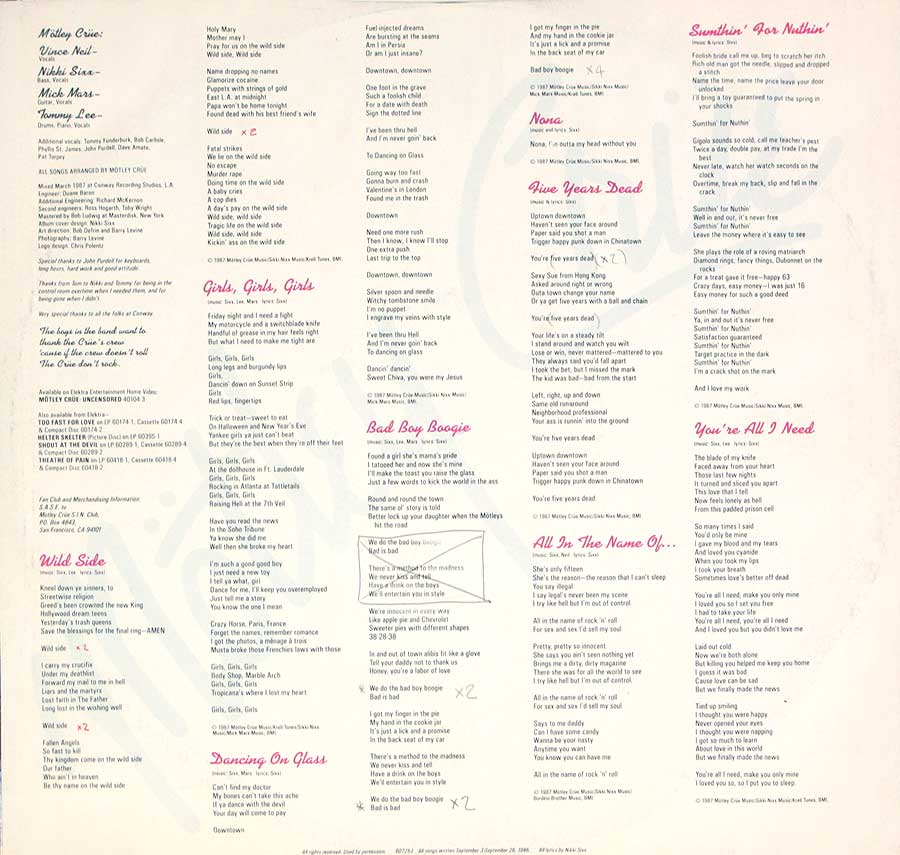
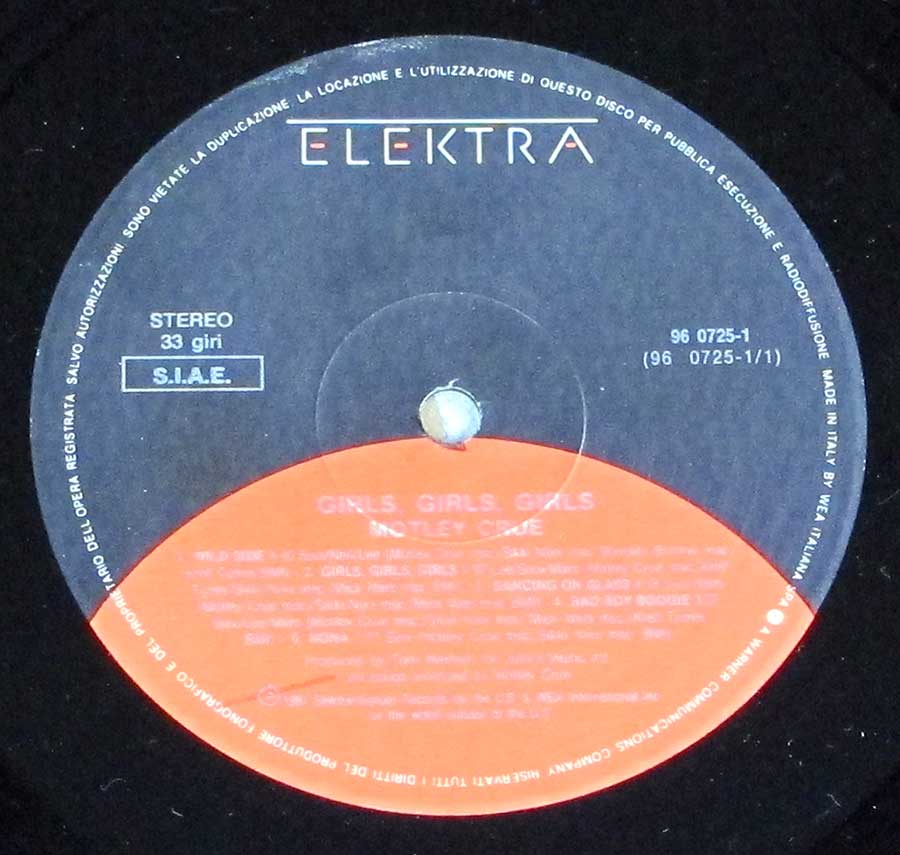
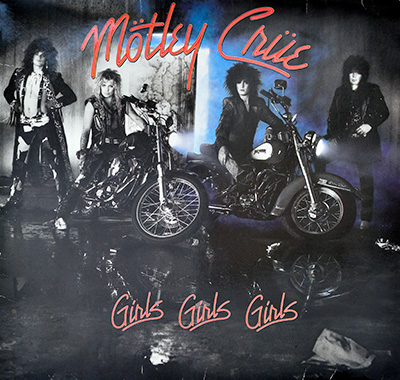
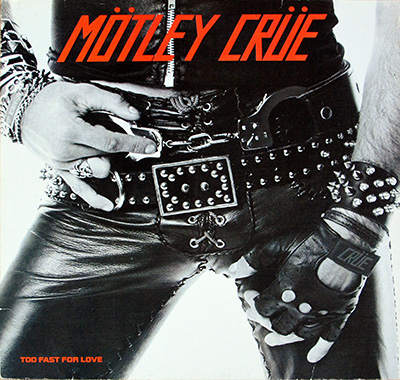
In the heart of the excessive 1980s rock scene, Mötley Crüe unleashed their fourth studio album, "Girls, Girls, Girls," upon the world in May 1987. This album, with its raw energy and controversial themes, captured the zeitgeist of the era while solidifying the band's reputation as the bad boys of rock 'n' roll.
A Changing Musical Landscape
By the mid-1980s, hair metal was in full swing, and Mötley Crüe had already made their mark with their signature blend of hard rock, heavy metal, and glam. However, "Girls, Girls, Girls" saw the band venturing into new musical territory. While still retaining their hard-hitting sound, they incorporated bluesy elements, showcasing a slightly different facet of their musical capabilities. This exploration added depth to their sound, attracting a broader audience while maintaining their core fanbase.
Controversy and Censorship
True to their rebellious nature, Mötley Crüe courted controversy with "Girls, Girls, Girls." The album's title track and its accompanying music video, which featured strippers and racy imagery, raised eyebrows and faced censorship from MTV. The band's lyrics, often revolving around their hedonistic lifestyle, fueled the controversy further. However, this only served to amplify the album's appeal, as it embodied the spirit of youthful rebellion that resonated with many fans.
Crafting the Sound: Production and Studio
To bring their vision to life, Mötley Crüe enlisted the expertise of producer Tom Werman, known for his work with artists like Cheap Trick and Twisted Sister. Recording sessions took place at various studios, including Conway Recording Studios and Can-Am Recorders in Hollywood. The band's commitment to capturing their raw energy led to intense recording sessions, often fueled by their infamous partying lifestyle. This approach resulted in an album that exuded the band's unbridled energy and passion.
A Snapshot of an Era
"Girls, Girls, Girls" is more than just an album; it's a time capsule of the 1980s rock scene. It reflects the excesses, the rebellion, and the unapologetic attitude that defined the era.