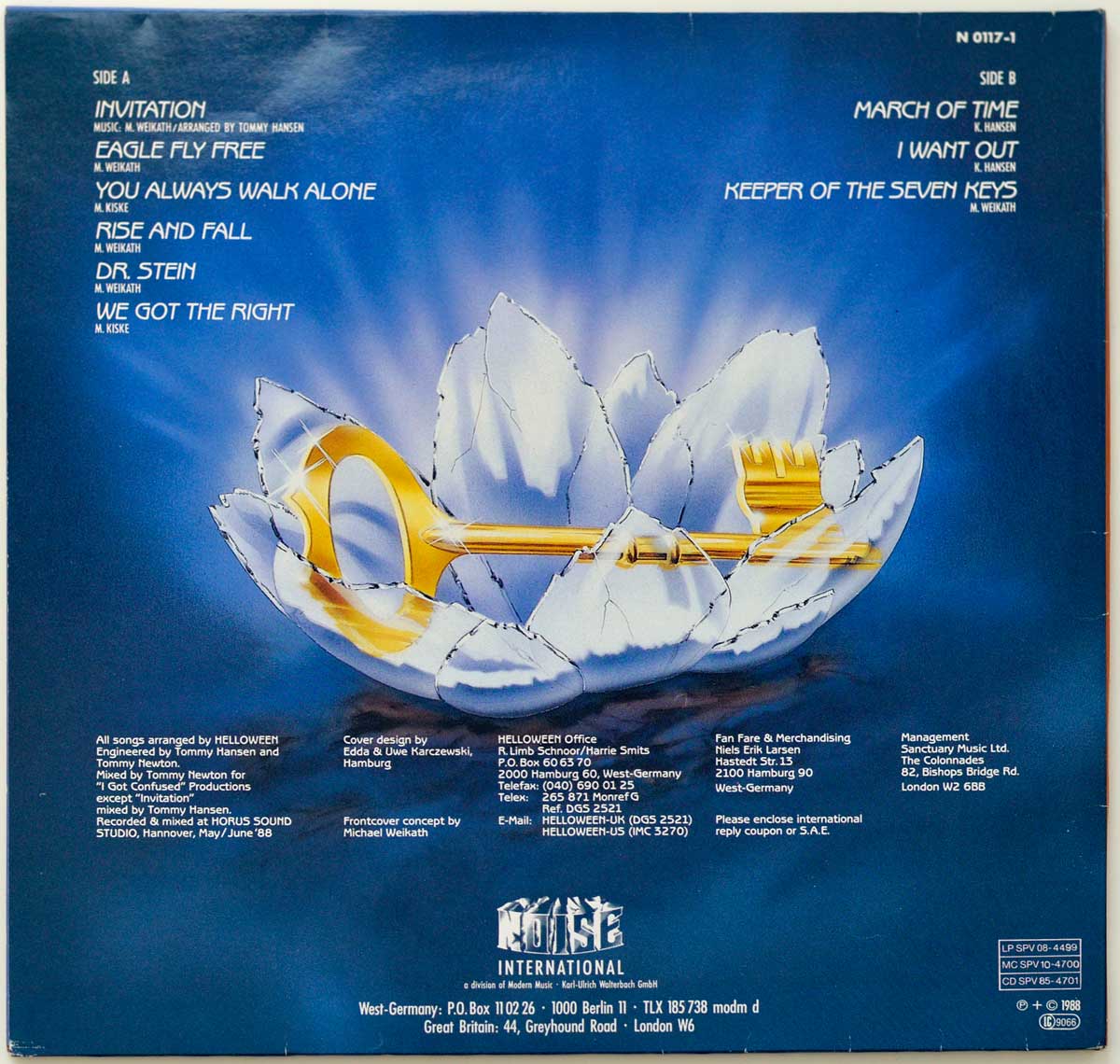
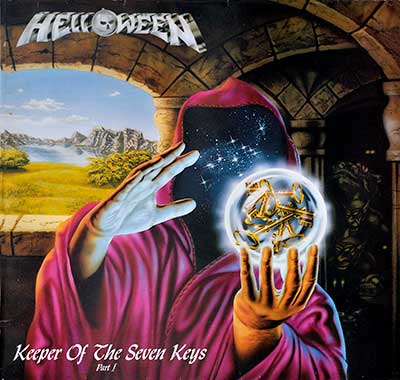
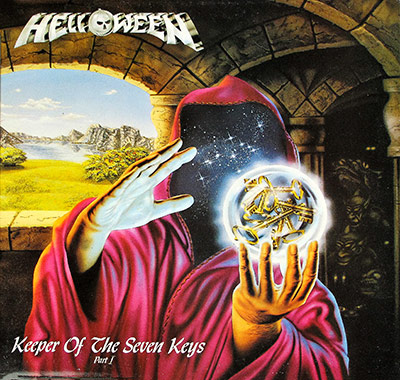
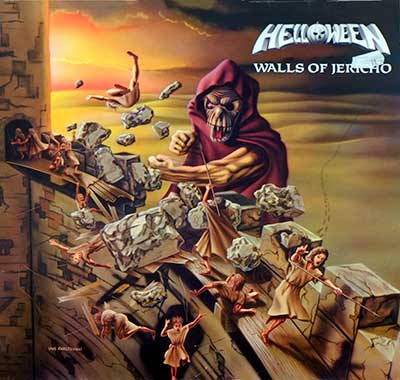
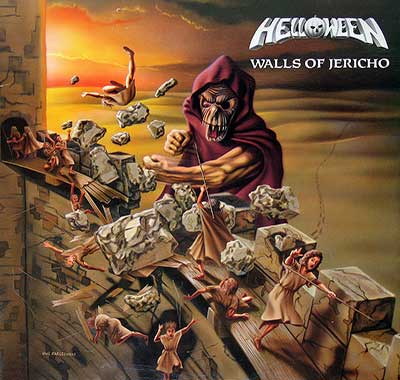
Tommy Hansen was the Danish studio craftsman who gave European hard rock and metal a muscular shine without sanding off the danger. I remember Tommy Hansen as one of those behind-the-desk men whose fingerprints were all over the sound of European metal. He started young with The Old Man & The Sea in 1967 and later played in Iron Duke in the mid-1970s, before turning Jailhouse Studio into a serious workshop for loud music. From 1983 to 1984 he worked with Pretty Maids on the early EP and "Red, Hot and Heavy"; with Helloween he turns up across 1987-1988 and again 1993-1998 on "Keeper of the Seven Keys" Parts I and II, "Chameleon", "Master of the Rings", "The Time of the Oath" and "Better Than Raw". He later shaped records by Iron Fire in 2000-2001 and 2006, Wuthering Heights in 2002, HateSphere in 2005, and Jorn in 2008-2010. That was no accident. That was authority.
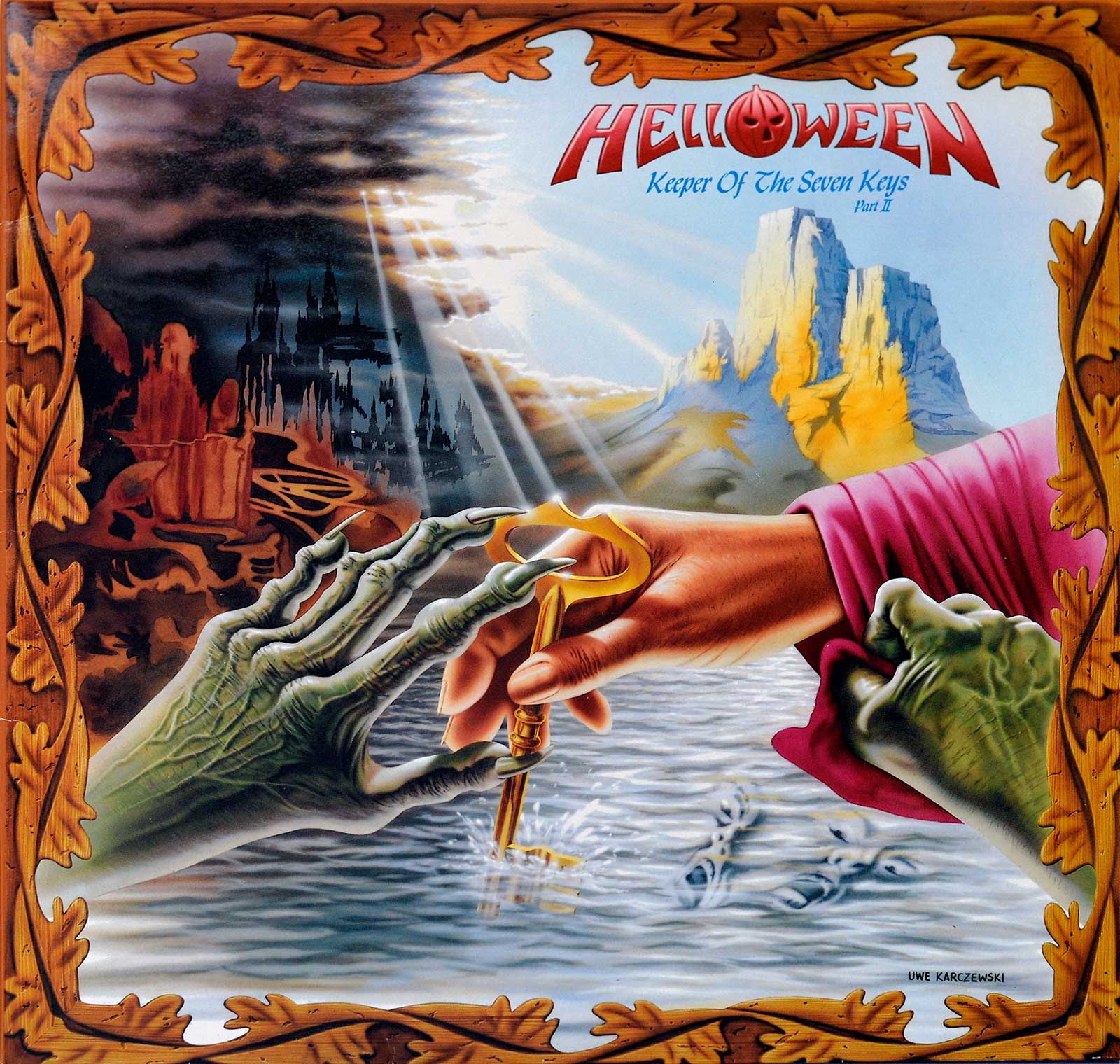
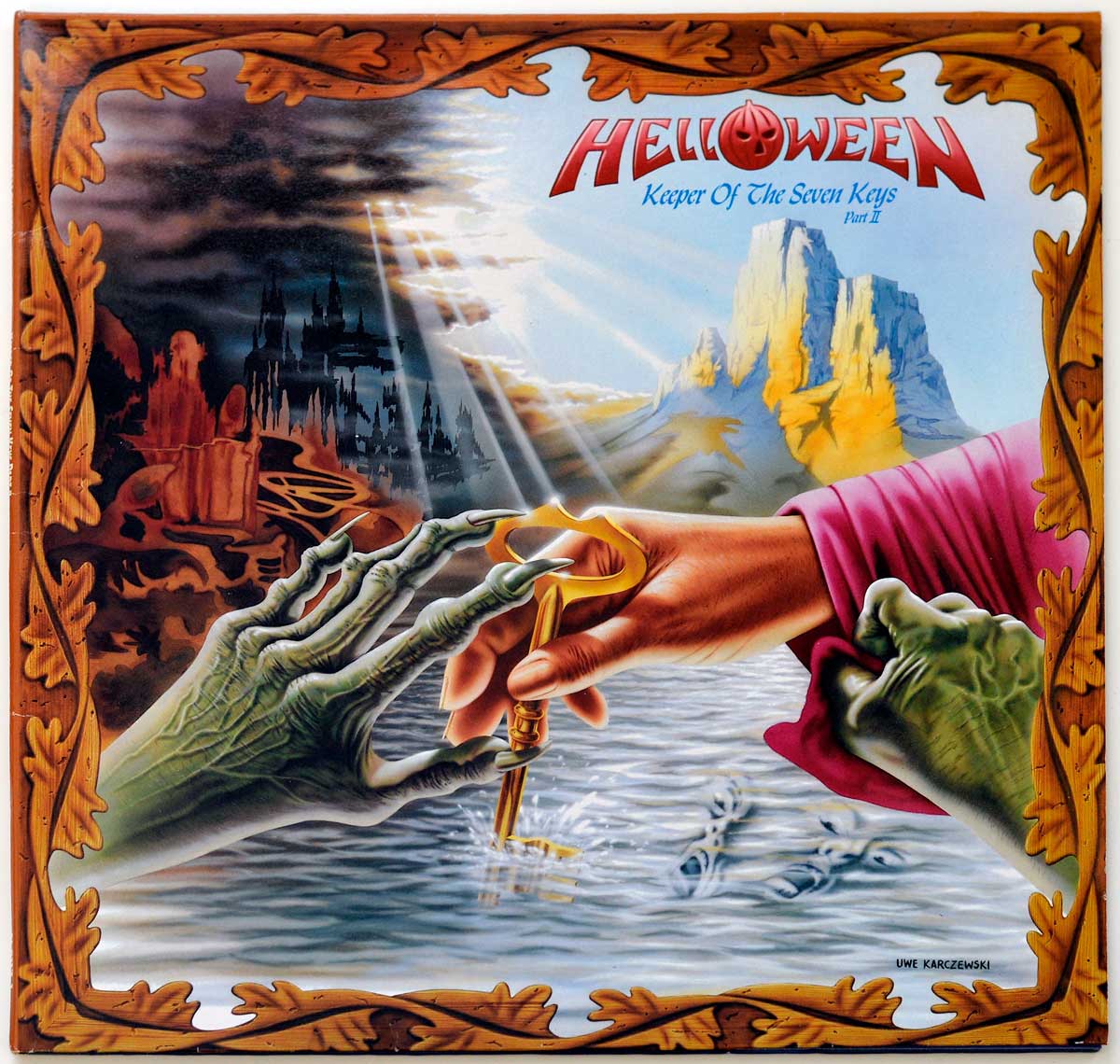
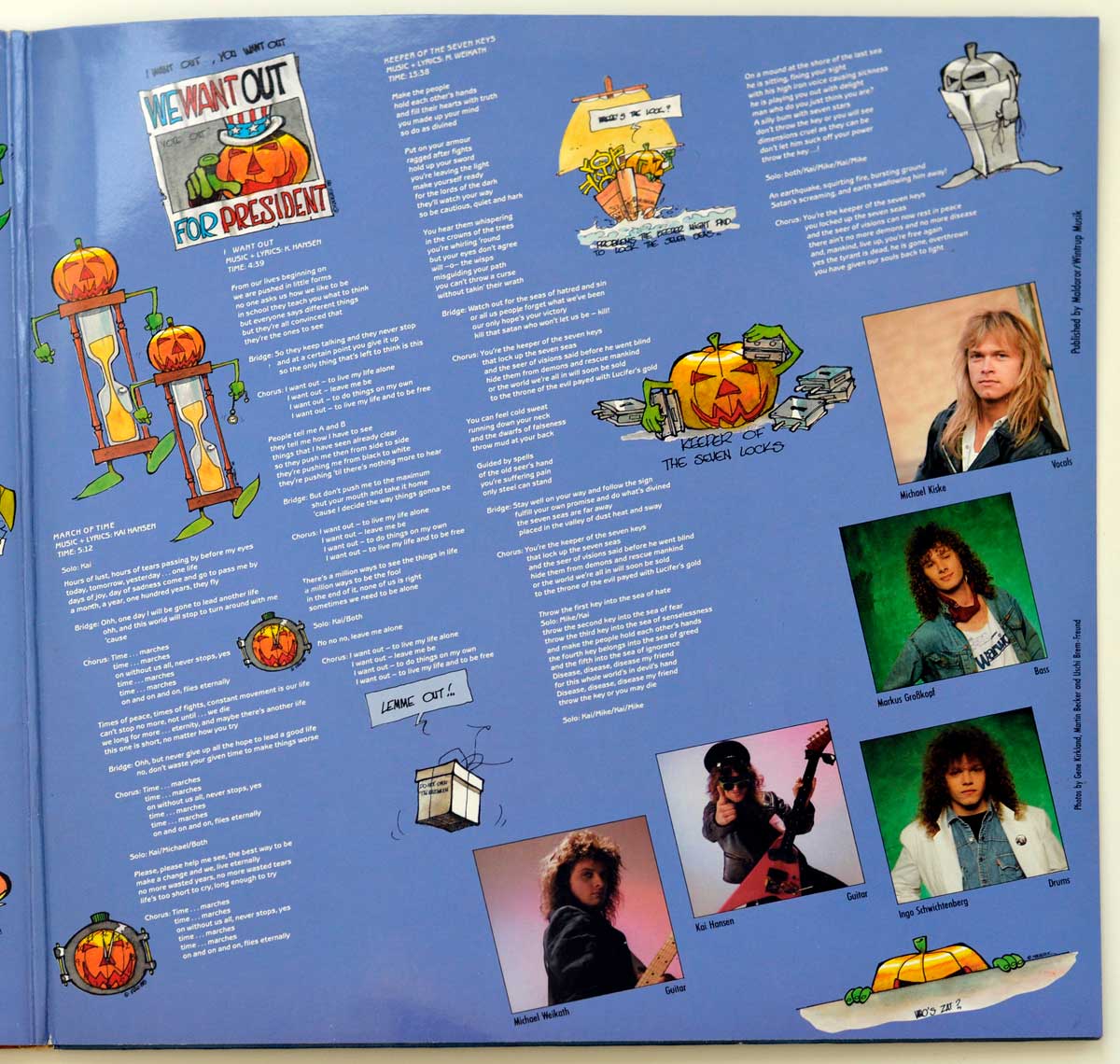
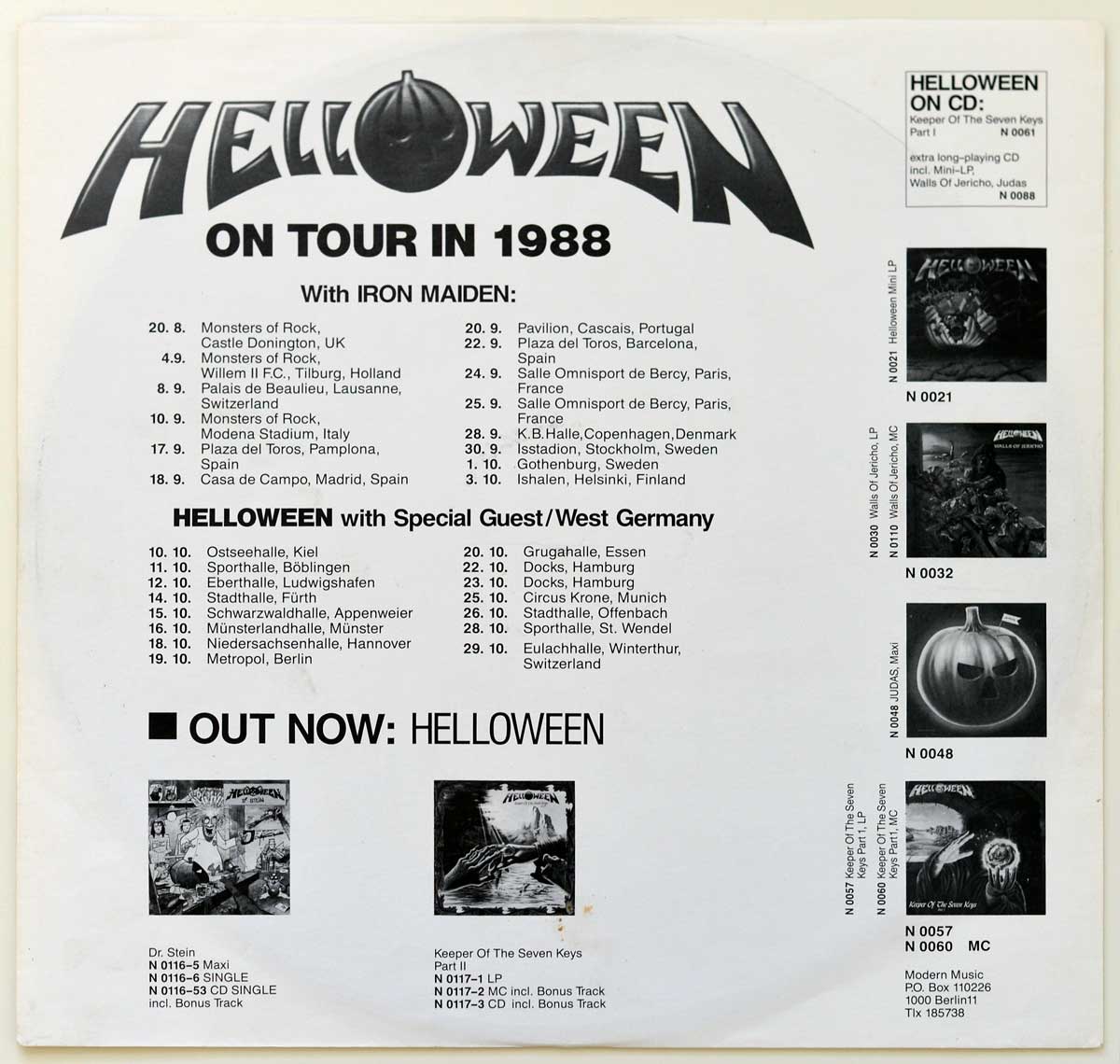
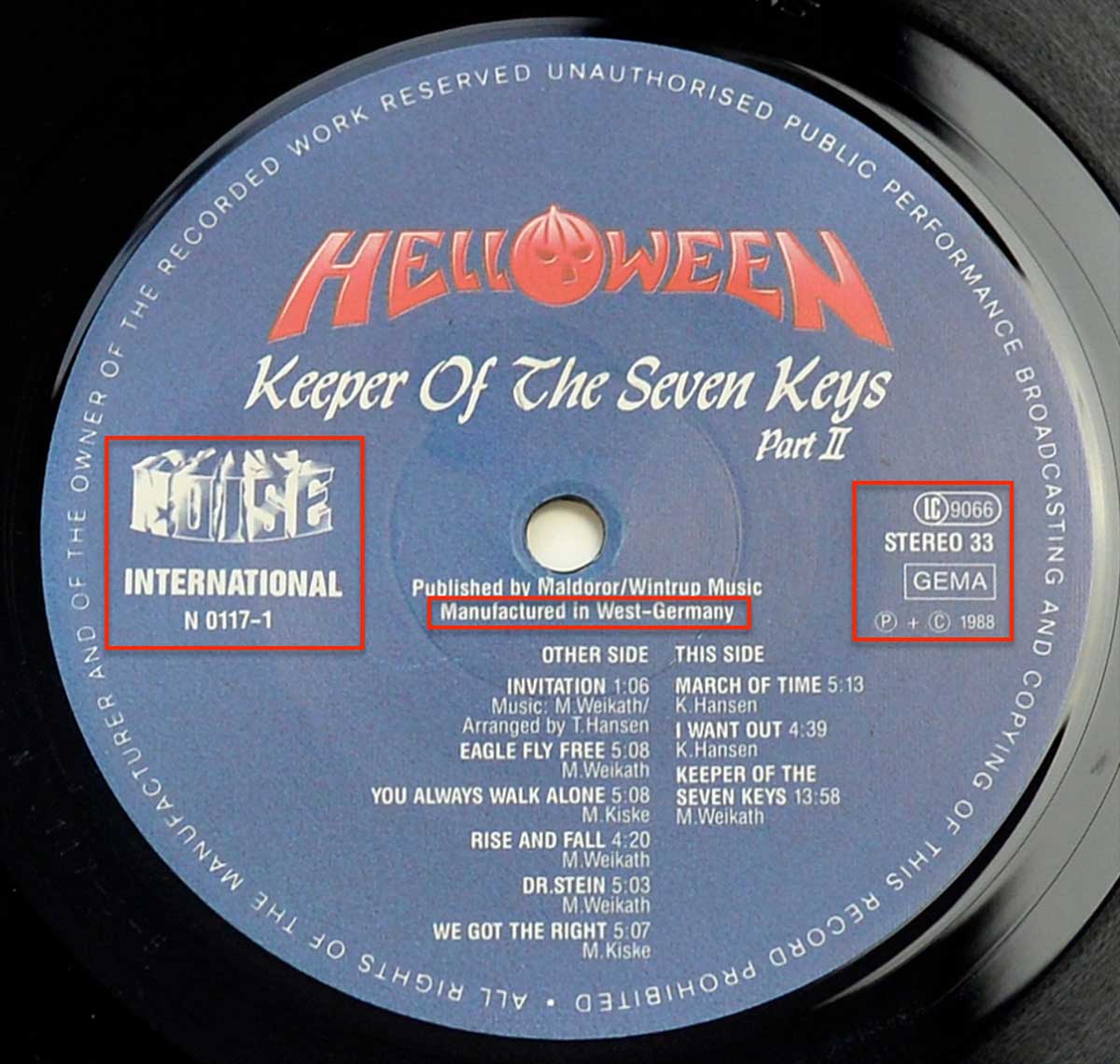
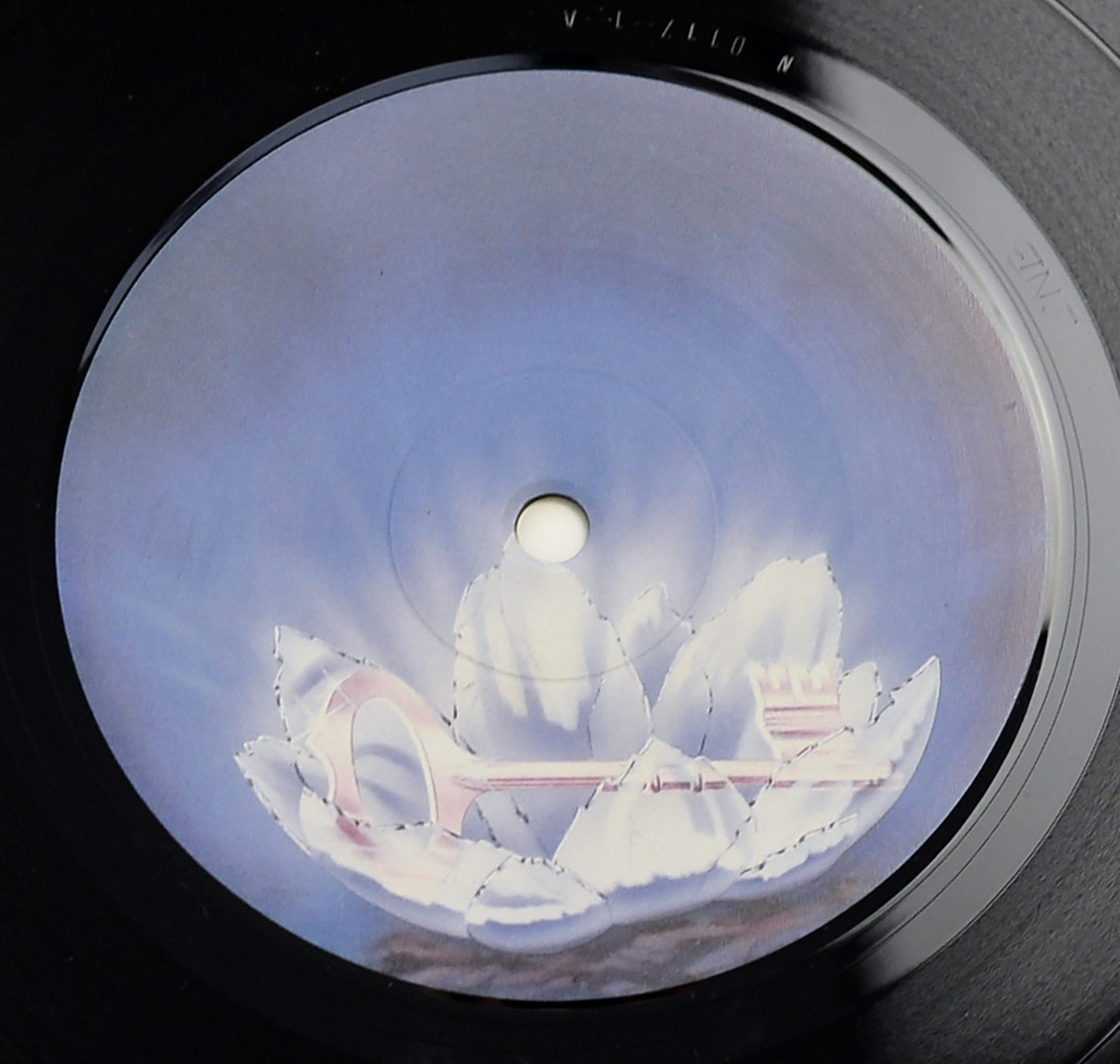
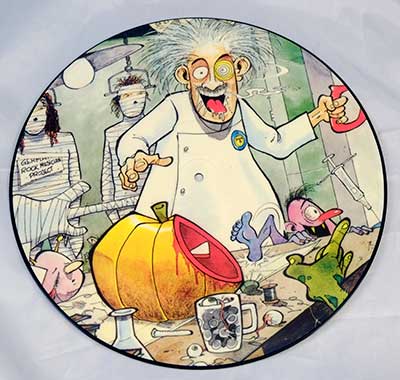
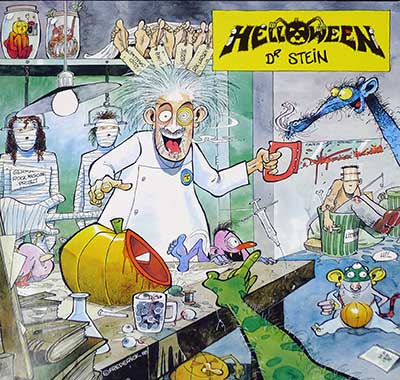
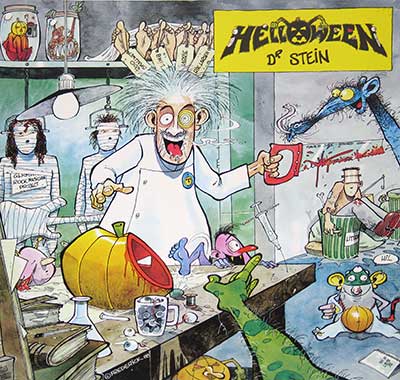
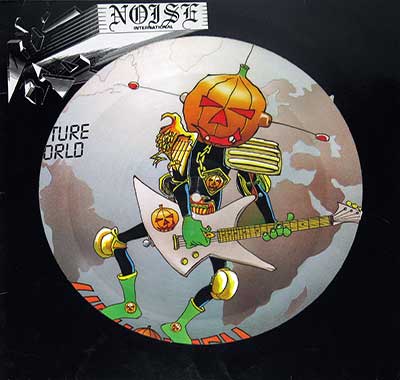
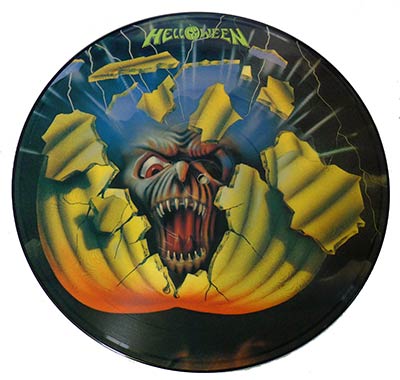
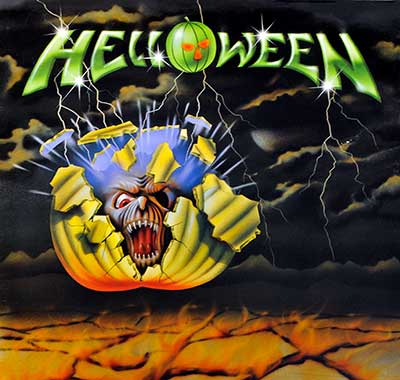
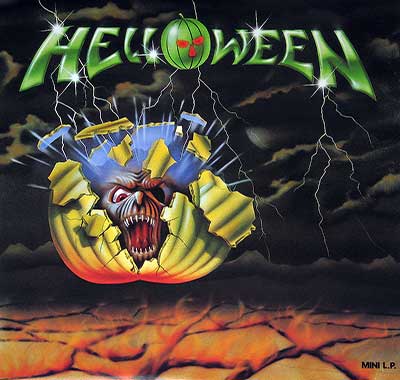
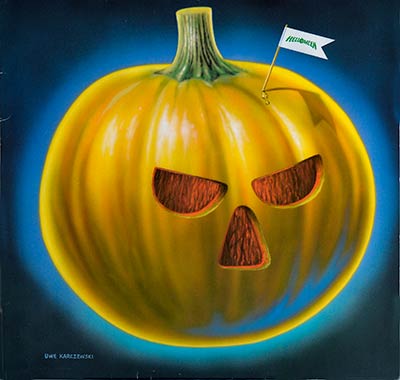
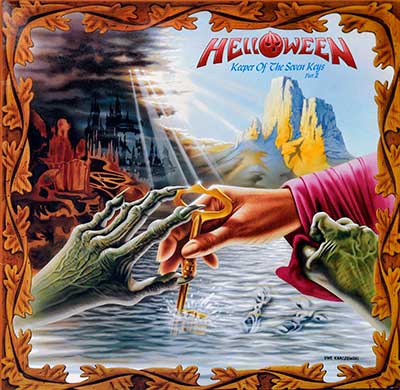
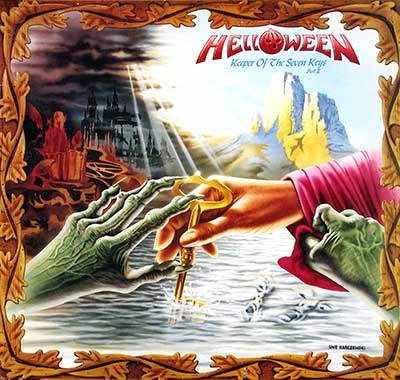
HELLOWEEN - Keeper Of The Seven Keys Part II 12" Vinyl LP Album
Released in 1988, "Keeper of the Seven Keys Part II" is Helloween's third studio album, following the triumph of Part I. This German power metal masterpiece seamlessly continues its predecessor's legacy, captivating audiences across Europe, Asia, and the United States. The 12" Vinyl LP format enhances the sonic experience, making it a cherished gem for metal enthusiasts and a pivotal chapter in Helloween's illustrious career.
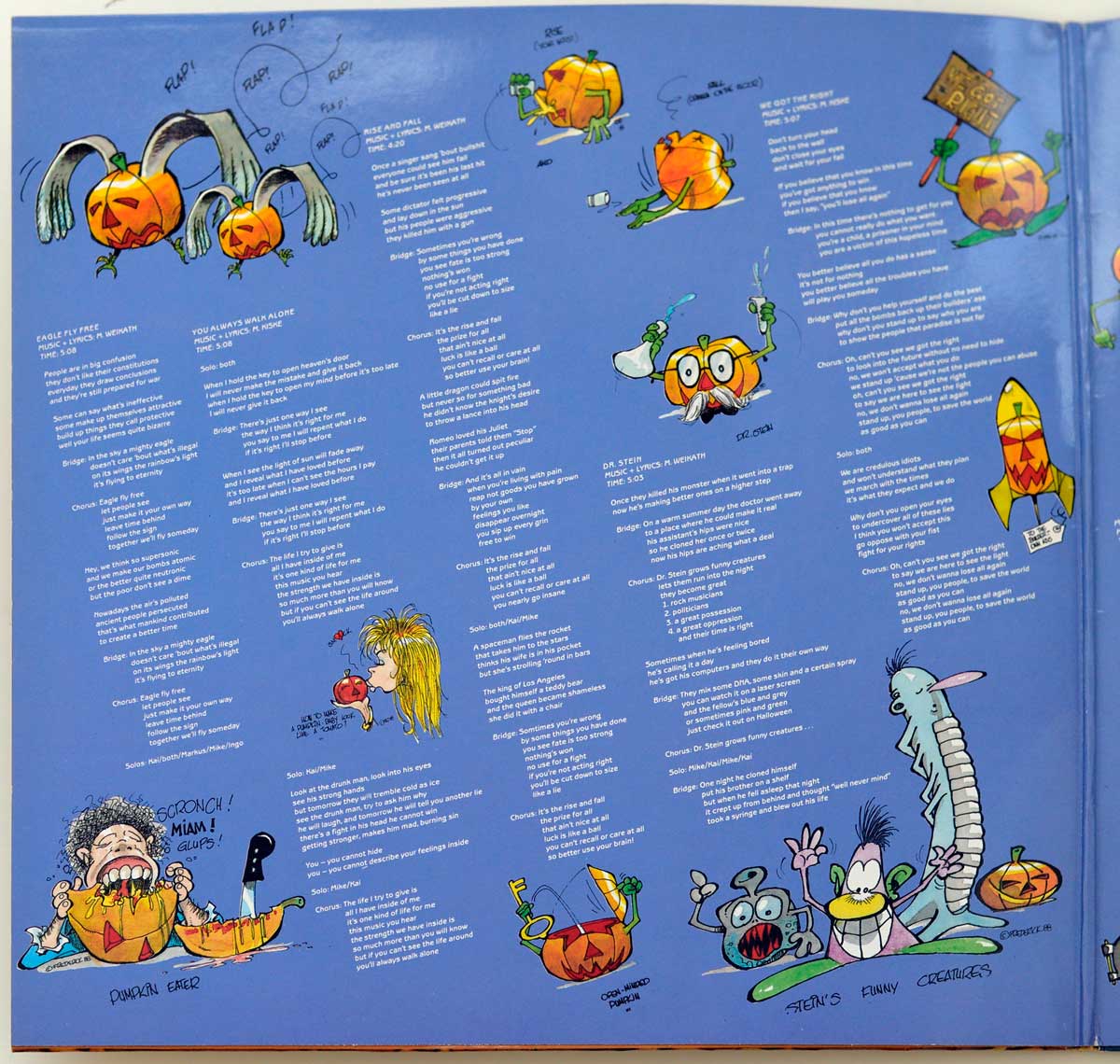
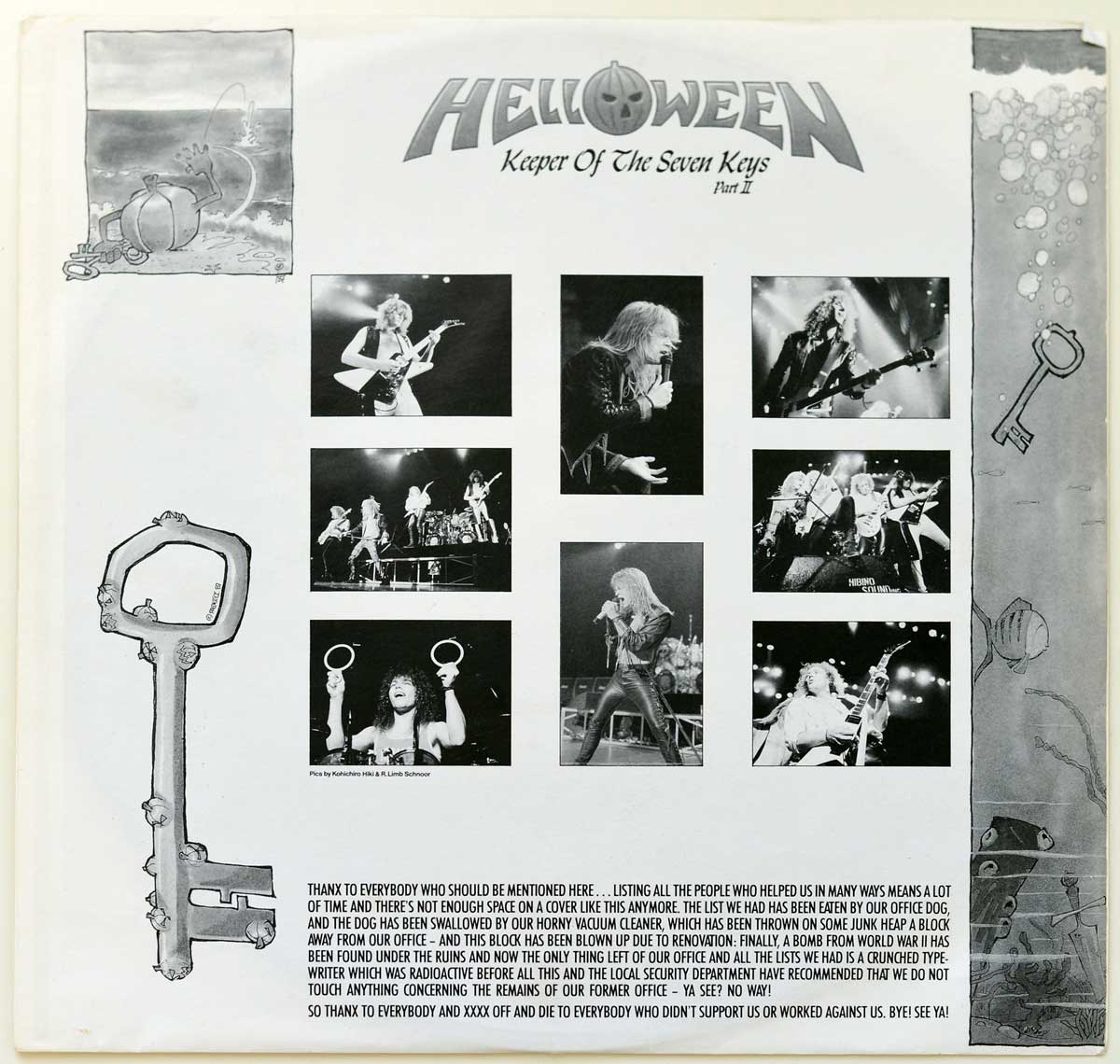
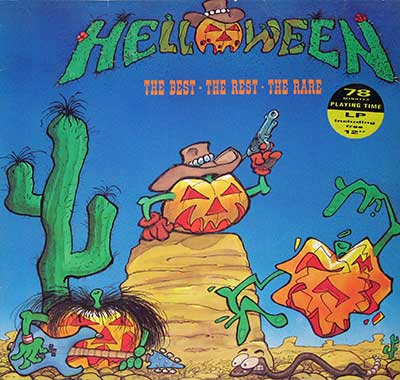
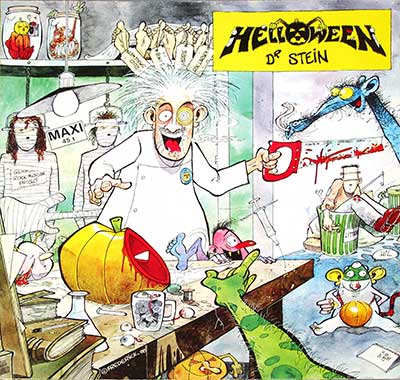
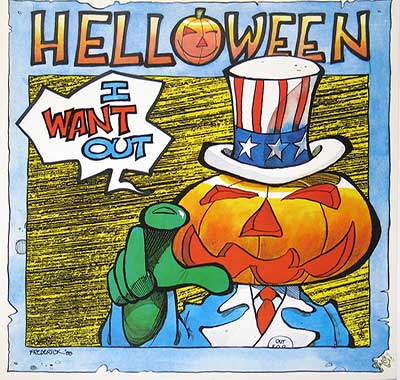
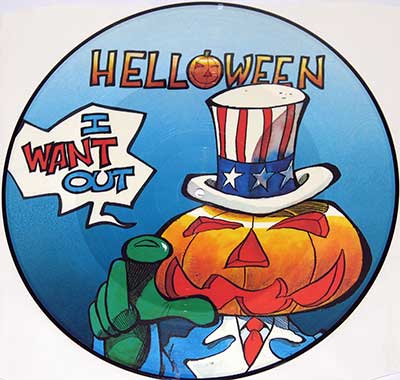
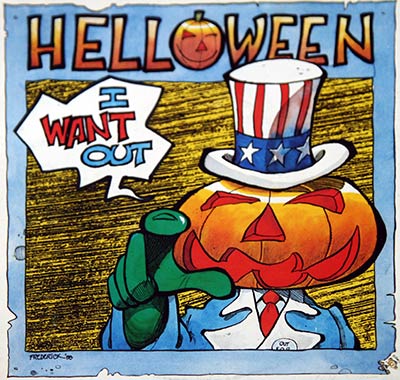
This web page has photos of album covers, inner sleeves, record labels together with production details, musicians and track-listing.