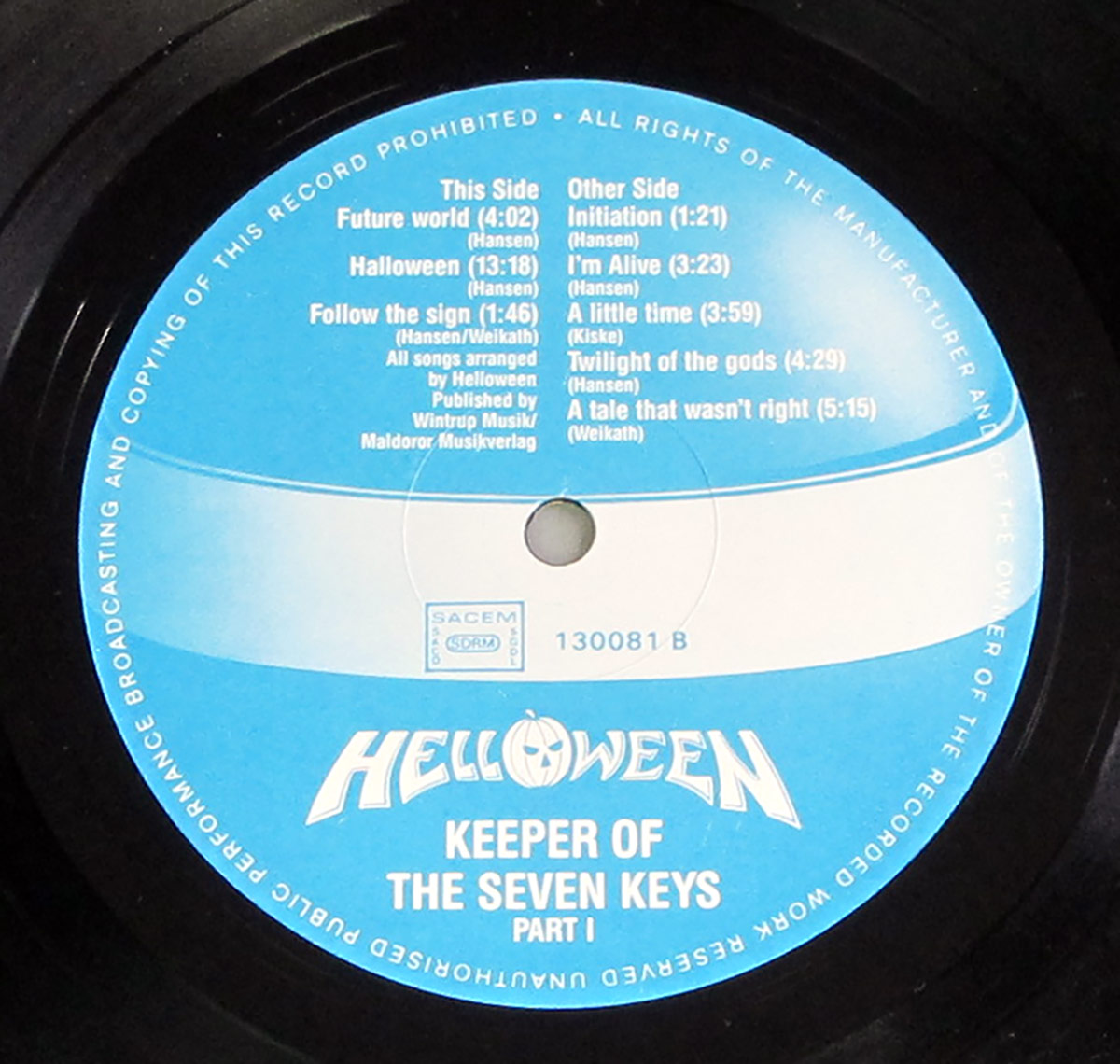
In 1987, the German metal scene was a battlefield. Thrash titans like Kreator and Destruction were unleashing sonic blitzkriegs, while power metal pioneers like Helloween were conjuring fantastical soundscapes. Amidst this sonic arms race, Helloween dropped a bomb on the scene: "Keeper of the Seven Keys Part I,"" a double LP that defied categorization and rewrote the rules of heavy metal.
This wasn't just an album; it was a quest, a sprawling concept album that unfolded like a Dungeons & Dragons campaign set to music. The lyrics spun tales of wizards, warriors, and mythical beasts, while the music soared with majestic melodies and thunderous riffs. It was a high-fantasy epic, played out with the unbridled energy of a band still drunk on youthful exuberance. The album's intricate storytelling and fantastical themes resonated with fans, sparking endless debates and interpretations.
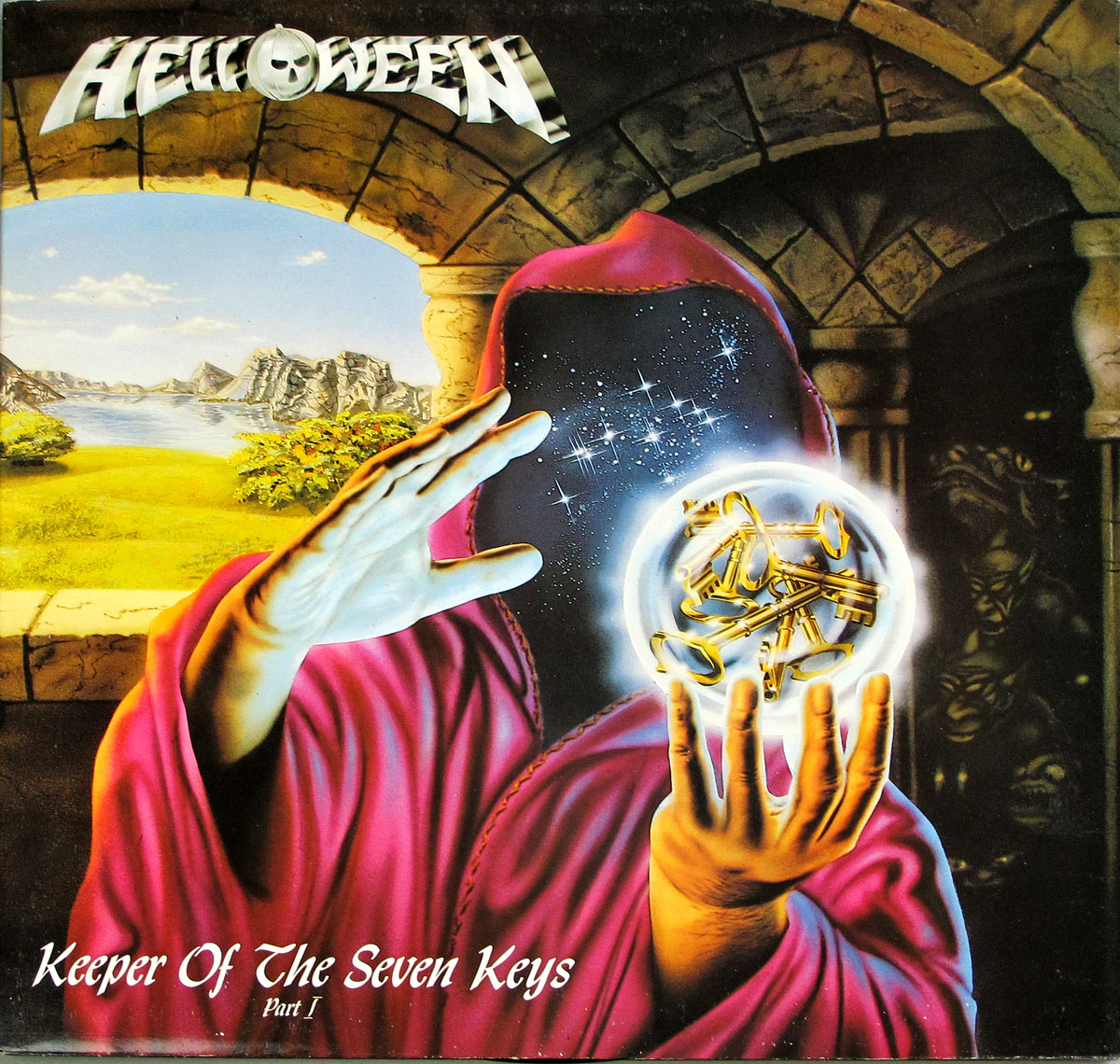
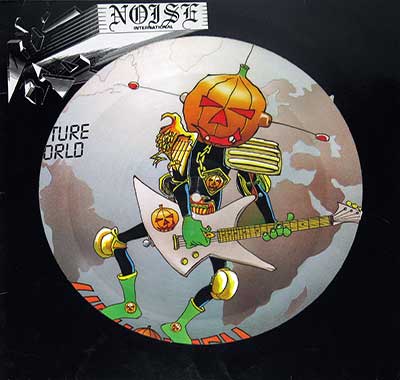
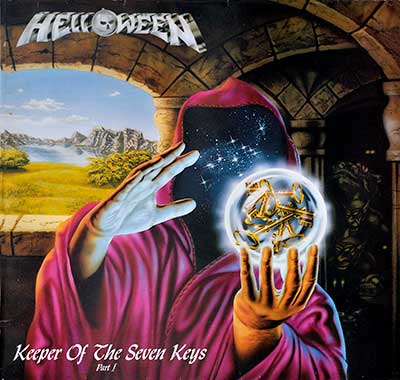
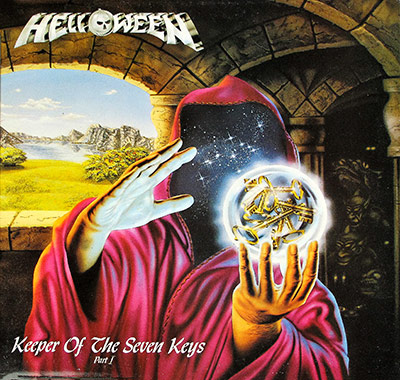
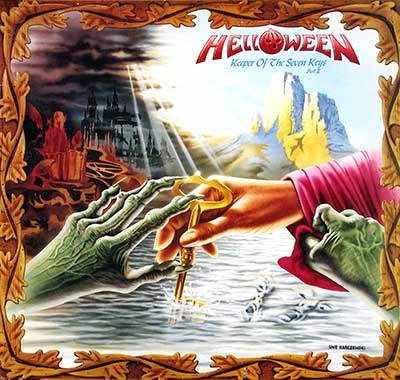
Keeper of the Seven Keys Part I wasn't just a musical triumph; it was a cultural touchstone. Its anthems like "I'm Alive" and "Future World" became rallying cries for a generation of metalheads who craved escapism and adventure. The album's iconic cover art, depicting a winged warrior battling a dragon, became a symbol of the genre's unyielding spirit. These songs quickly became fan favorites, with their catchy melodies and sing-along choruses echoing through concert halls and arenas around the world.
But Keeper wasn't without its controversies. Some critics dismissed it as cheesy and overblown, accusing Helloween of sacrificing substance for spectacle. The album's elaborate stage shows, complete with pyrotechnics and elaborate costumes, fueled these debates. Others praised its ambition and technical virtuosity, hailing it as a landmark achievement in heavy metal. Its impact on the genre is undeniable, inspiring countless bands to embrace symphonic elements and fantastical themes in their own music.
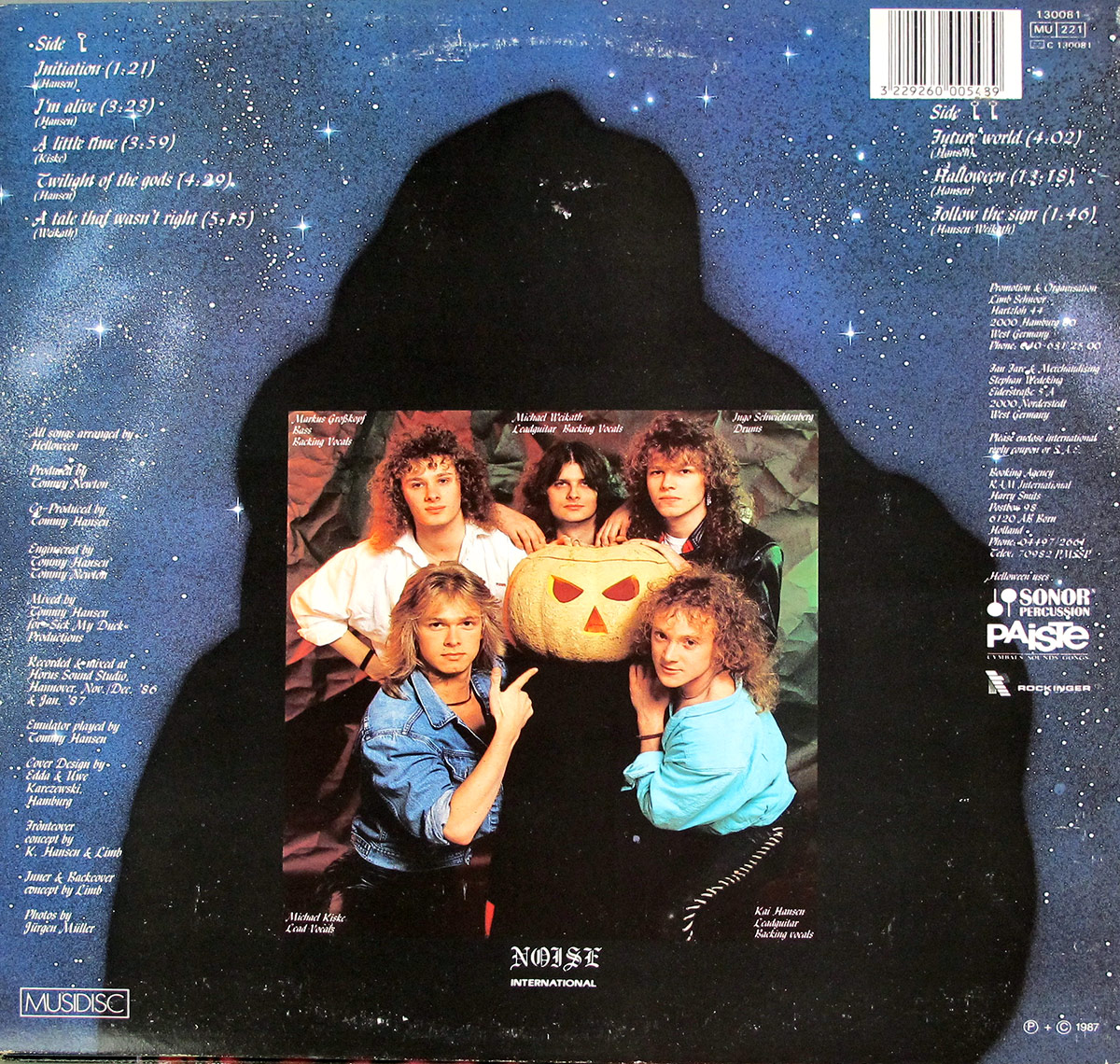
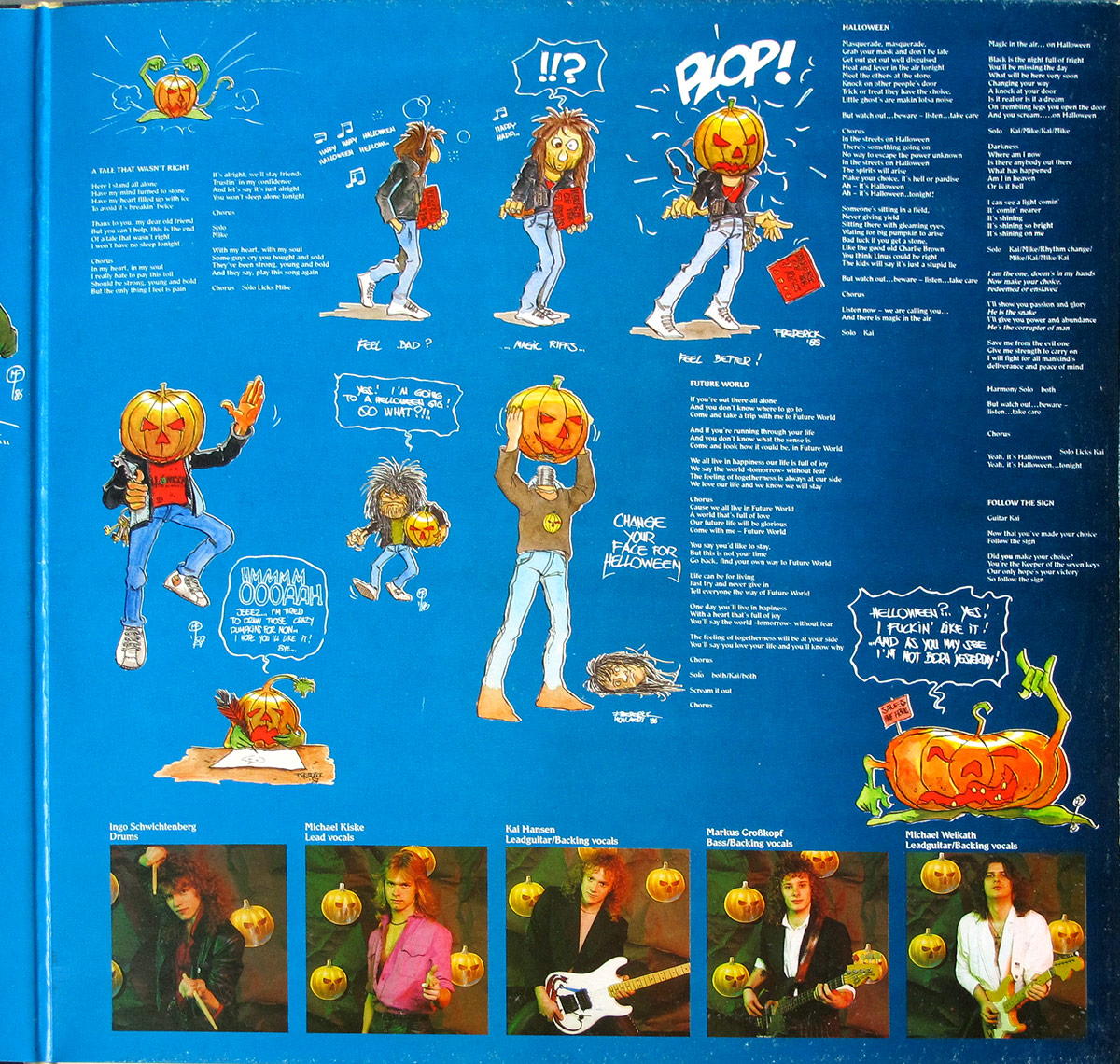
At the heart of the album's sound was the dual guitar attack of Kai Hansen and Michael Weikath. Their intricate harmonies and lightning-fast solos were a masterclass in neoclassical metal. Vocalist Michael Kiske's soaring tenor, meanwhile, added a theatrical flair to the proceedings, imbuing the lyrics with a sense of drama and urgency. This unique blend of technical skill and theatrical delivery set Helloween apart from their peers, solidifying their reputation as one of the most exciting live acts in the genre.
The album was recorded at Horus Sound Studio in Hamburg, with producer Tommy Hansen at the helm. Hansen, known for his work with other German metal bands like Pretty Maids and Gamma Ray, helped to capture the band's raw energy while also adding a touch of polish to their sound. This production style perfectly complemented the band's songwriting, creating a sound that was both powerful and polished.
Keeper of the Seven Keys Part I was more than just a collection of songs; it was a statement of intent. Helloween had taken the fantastical elements of power metal and pushed them to their limits, creating a sound that was both bombastic and sophisticated. In doing so, they cemented their status as one of the genre's most innovative and influential bands. Its legacy continues to this day, inspiring new generations of musicians and fans alike.