Santana's Musical Journey: 1970s to 1980s:
I don’t remember Santana as a “fusion of genres.” I remember it as a temperature. Warm air, sweaty rooms, that tone in the guitar that feels like it’s been left too long in the sun — and somehow that’s the point.
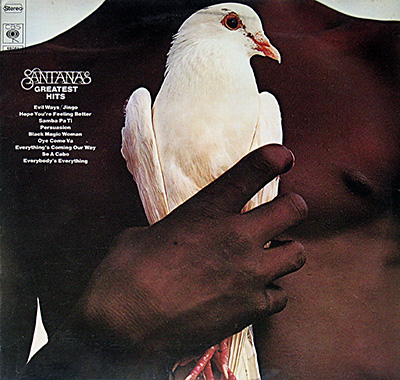
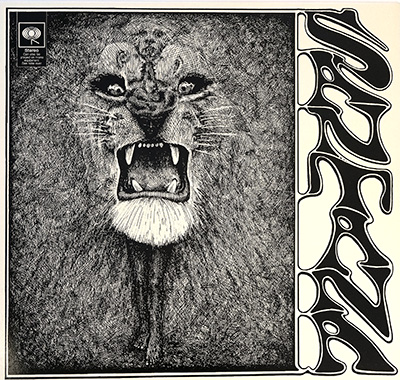
The first punch landed in 1969 with the debut album, "Santana". When "Evil Ways" hit, it didn’t ask for permission; it just slid into the room and started moving the furniture around.
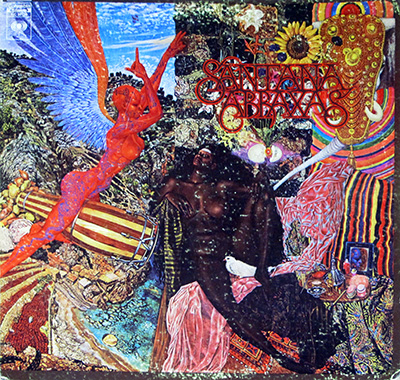
Then 1970 turns up with "Abraxas" and suddenly the air gets thicker. That’s where Santana’s version of "Oye Cómo Va" lives — not on the debut, no matter how often people swear it is after two beers and a nostalgia attack.
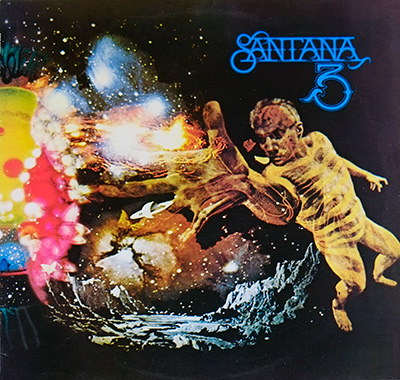
Early 70s Santana is where I start getting picky (in a loving way, but still picky). "Santana III" (1971) has that hungry, band-in-a-room snap. "Caravanserai" (1972) drifts off into jazzier territory, the kind of record you put on when you want the night to last longer than your attention span. Some people call it "challenging". I call it "worth it, if you’re in the mood."
By 1976, "Amigos" shows Santana getting leaner and more direct again. And "Europa (Earth's Cry Heaven's Smile)"? That one doesn’t need lyrics because the guitar already sounds like it’s arguing with the sky.
The 80s are where the edges get buffed down. Sometimes that works. "Zebop!" (1981) has a bright, punchy confidence — like the band decided to stop wandering and start aiming.
"Shangó" (1982) is classic early-80s Santana: glossy in places, still dangerous in others. The hit "Hold On" (a cover) is the kind of tune that sneaks onto the radio and refuses to leave, even if you’re trying to act too cool for it.
My quiet, very un-rock-and-roll anchor here: I’ve played these records while doing completely boring things — sorting sleeves, making coffee, staring at a rainy window — and Santana still manages to make the room feel slightly more alive. That’s the real trick. Not the "importance." The presence.
And yes, he resurged later with "Supernatural" (1999) and the big crossover moment — but that’s a different kind of Santana story. The 70s and 80s version is the one I trust when I want the guitar to sound like a human being, not a marketing plan.
References
- Santana (1969 album) – track listing ("Evil Ways")
- "Evil Ways" (single / song background)
- Abraxas (1970) – includes "Oye Cómo Va"
- "Oye Cómo Va" – Santana cover details
- Amigos (1976) – release info
- "Europa (Earth's Cry Heaven's Smile)" – from "Amigos"
- "Hold On" (Santana) – recorded for "Shangó"
- Discogs: Santana – "Shangó" (master release)