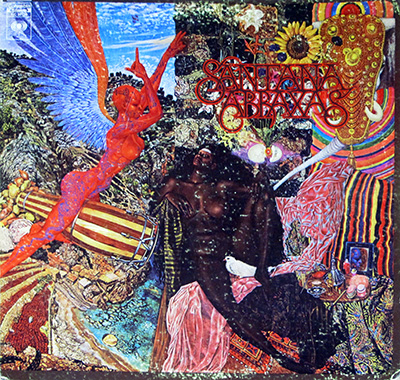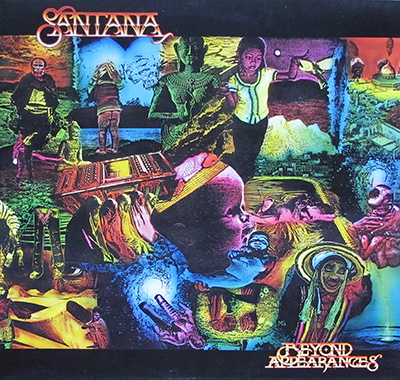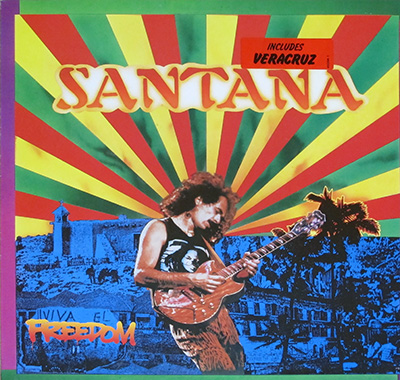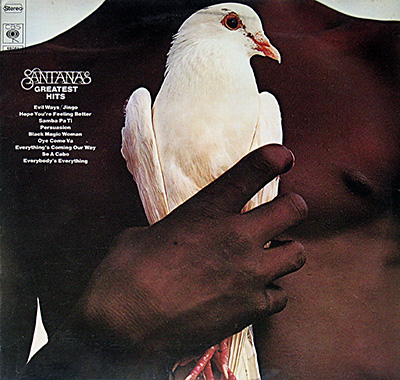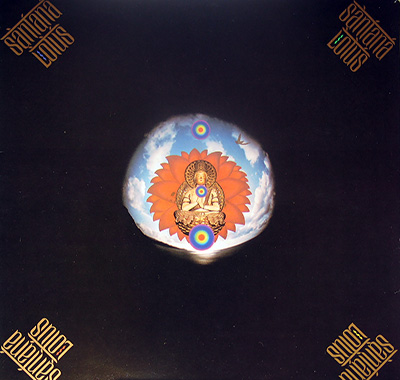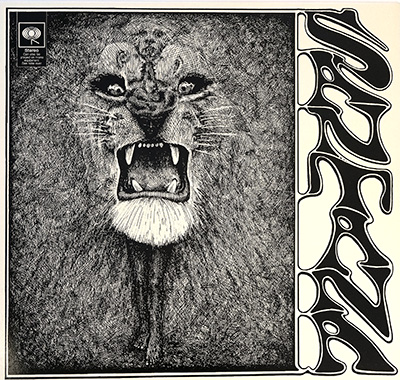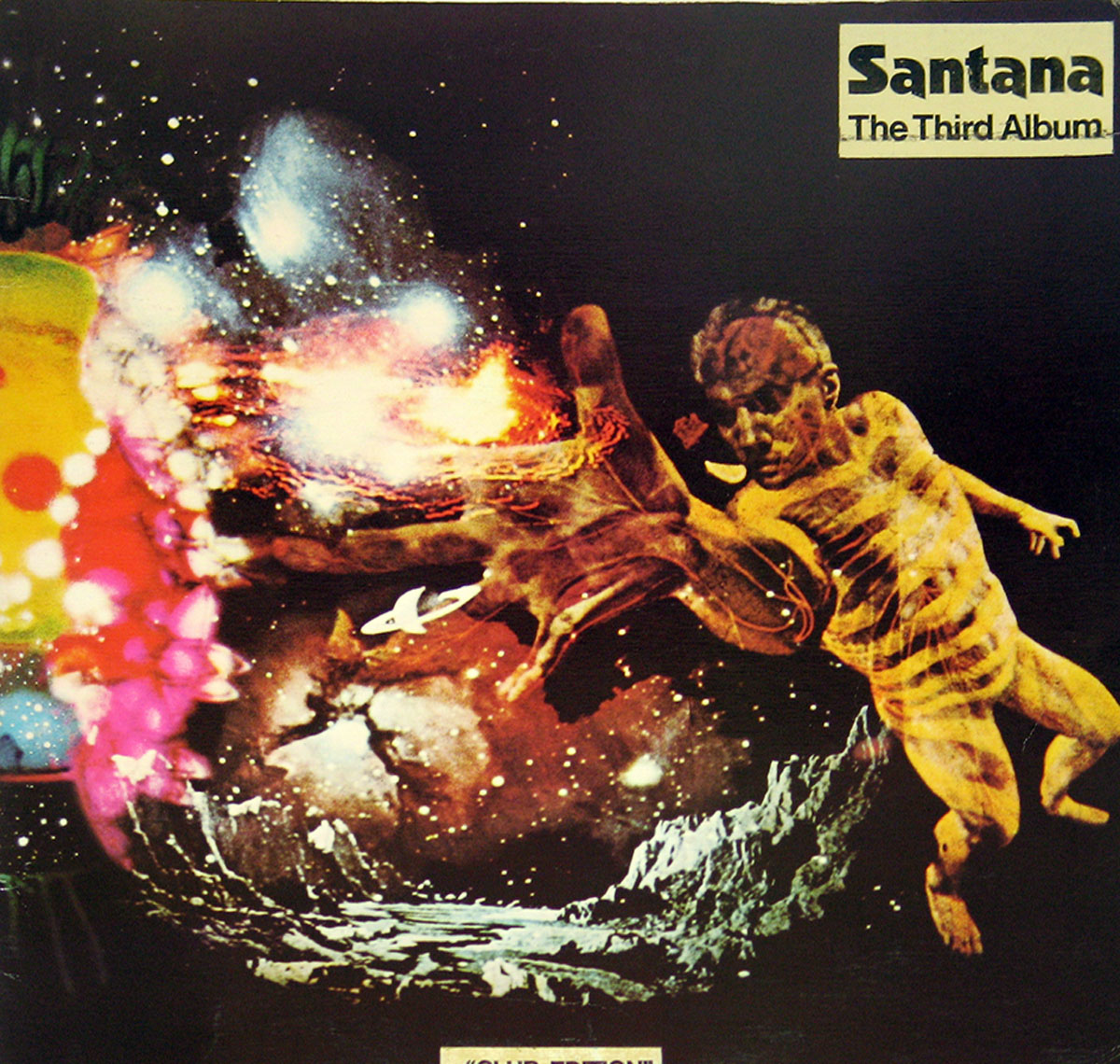
"Santana III" (1971) Album Description:
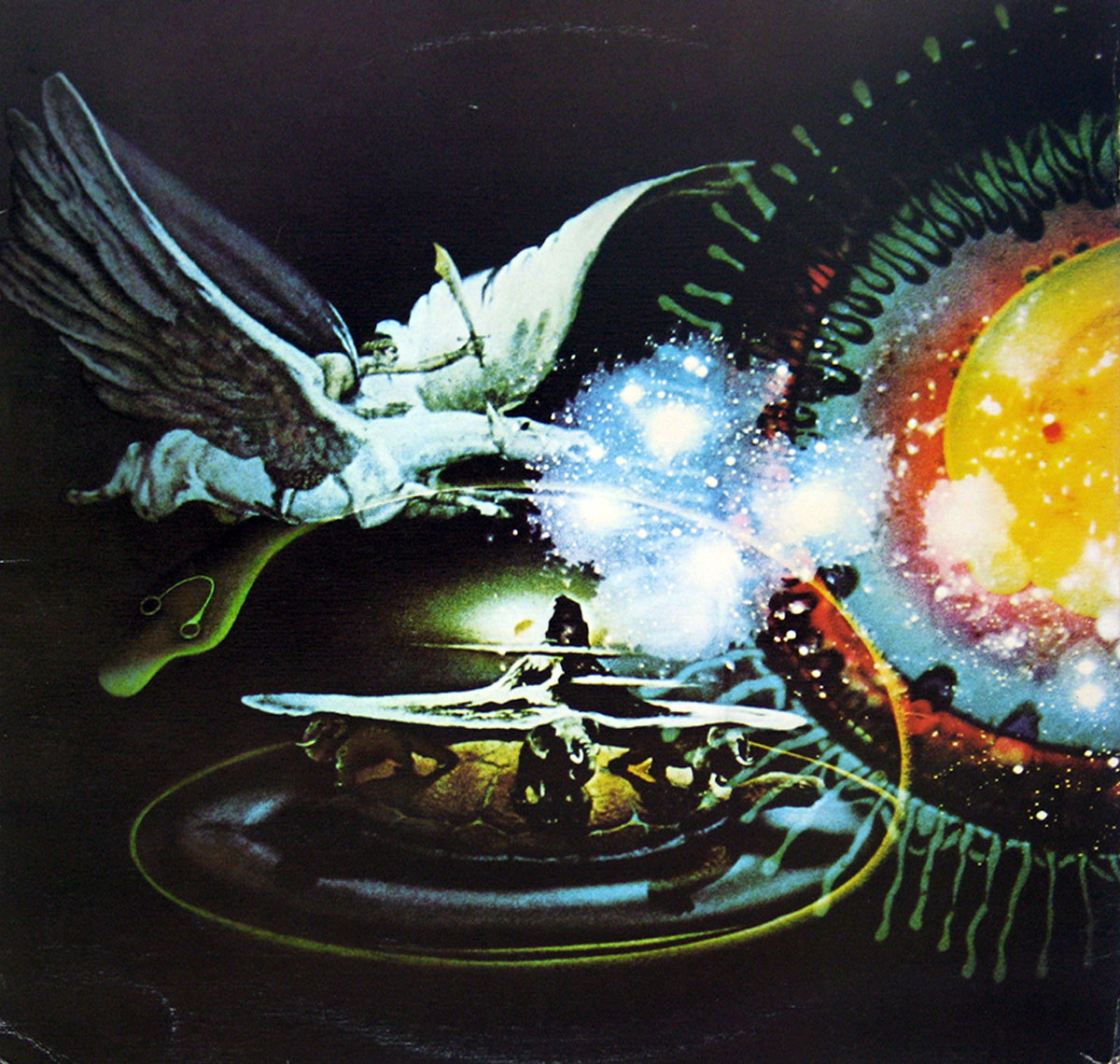
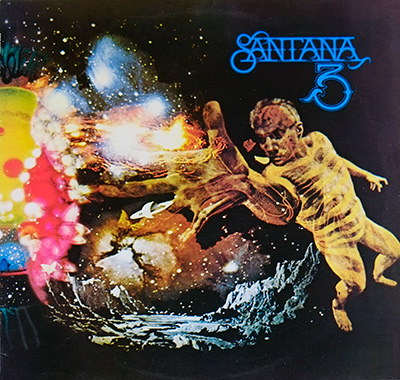
The cover doesn’t “invite” you. It grabs you by the collar: a nude man, arm out, hand reaching like he wants your last cigarette and your better judgment. Drop the needle and “Batuka” comes in caliente—drums and percussion up front, no manners, no soft shoes. This is Santana in 1971, taped in San Francisco, sounding like they’re allergic to staying still.
Here’s the hook: there’s a second guitarist in the room, and the band is producing itself—so the usual grown-up hand on the shoulder is missing. Some moments feel like a street party; other moments feel like a private argument you weren’t supposed to overhear. Stick around for “Toussaint L’Ouverture” and tell me those guitars aren’t circling each other like two dogs that “totally get along.”
1971: What Was in the Air
In ’71 the U.S. felt loud and twitchy—news on the TV, heat in the streets, and everybody pretending they weren’t exhausted. FM radio was stretching its legs at night, letting long tracks breathe and letting bands show their seams. Santana fits that moment because they don’t smooth anything over; they lean into the friction and make it dance.
The Bay Area scene didn’t behave like a single “sound” then. It was more like a crowded room: rock guys, Latin players, jazz heads, funk kids, all bumping elbows and stealing each other’s moves. This album doesn’t politely “blend” those worlds. It lets them collide. Dale.
Peer Pressure: Who They Were Brushing Up Against
Same year, same air, different instincts. If you were flipping dials or scanning bills, these were the neighbors:
- War — street funk with sunshine in its teeth; Santana comes off sharper, more percussive, less relaxed.
- Chicago — horns built like architecture; Santana uses horns like a door being kicked open.
- Sly & The Family Stone — the grin and the tension; Santana keeps the tension and sweats harder.
- The Allman Brothers Band — twin-guitar conversation; Santana answers with twin guitars plus congas telling them when to shut up.
- Miles’ electric circle — jazz turning the lights weird; Santana flirts with that edge without turning the room into a lab.
Who’s in the Room (and What They Actually Change)
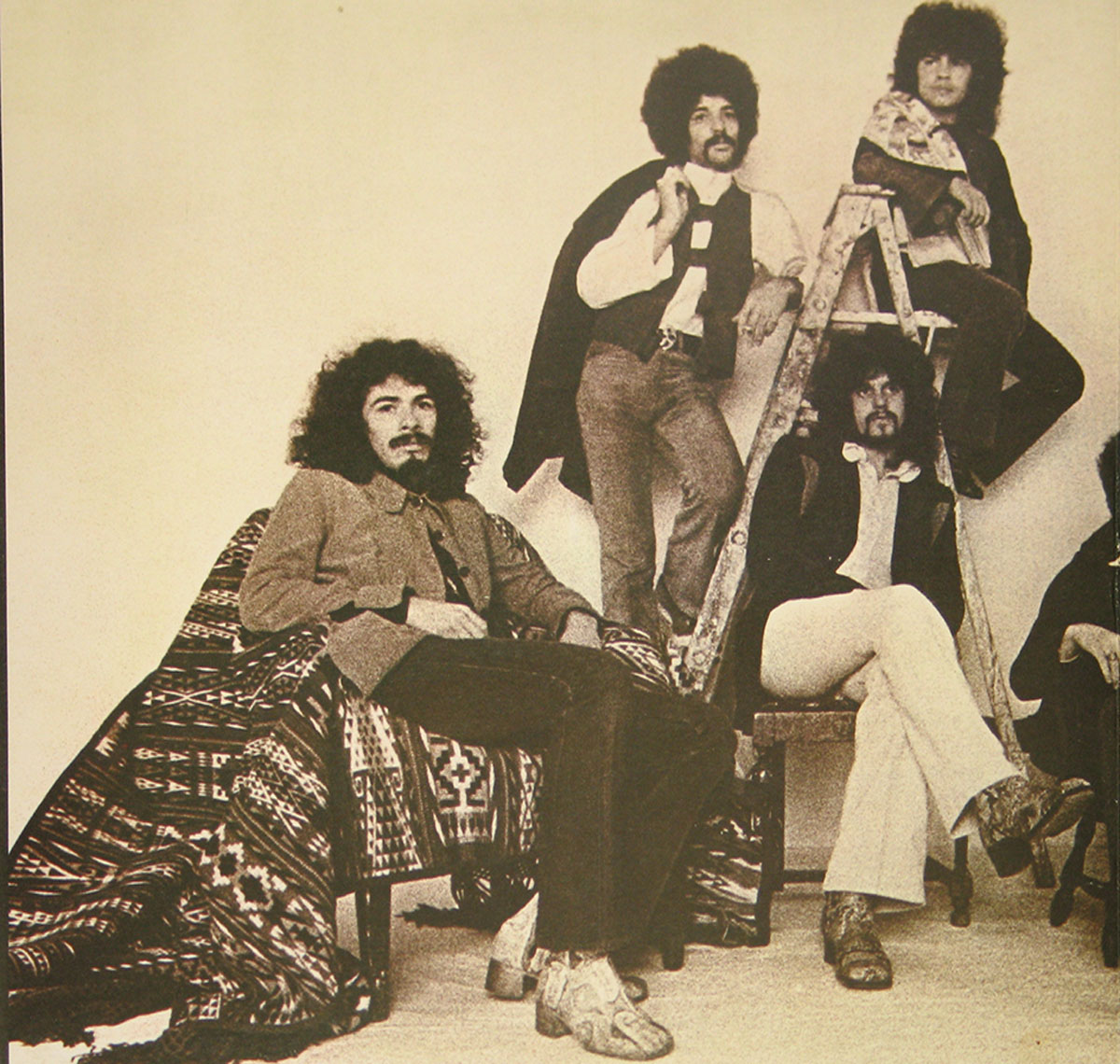
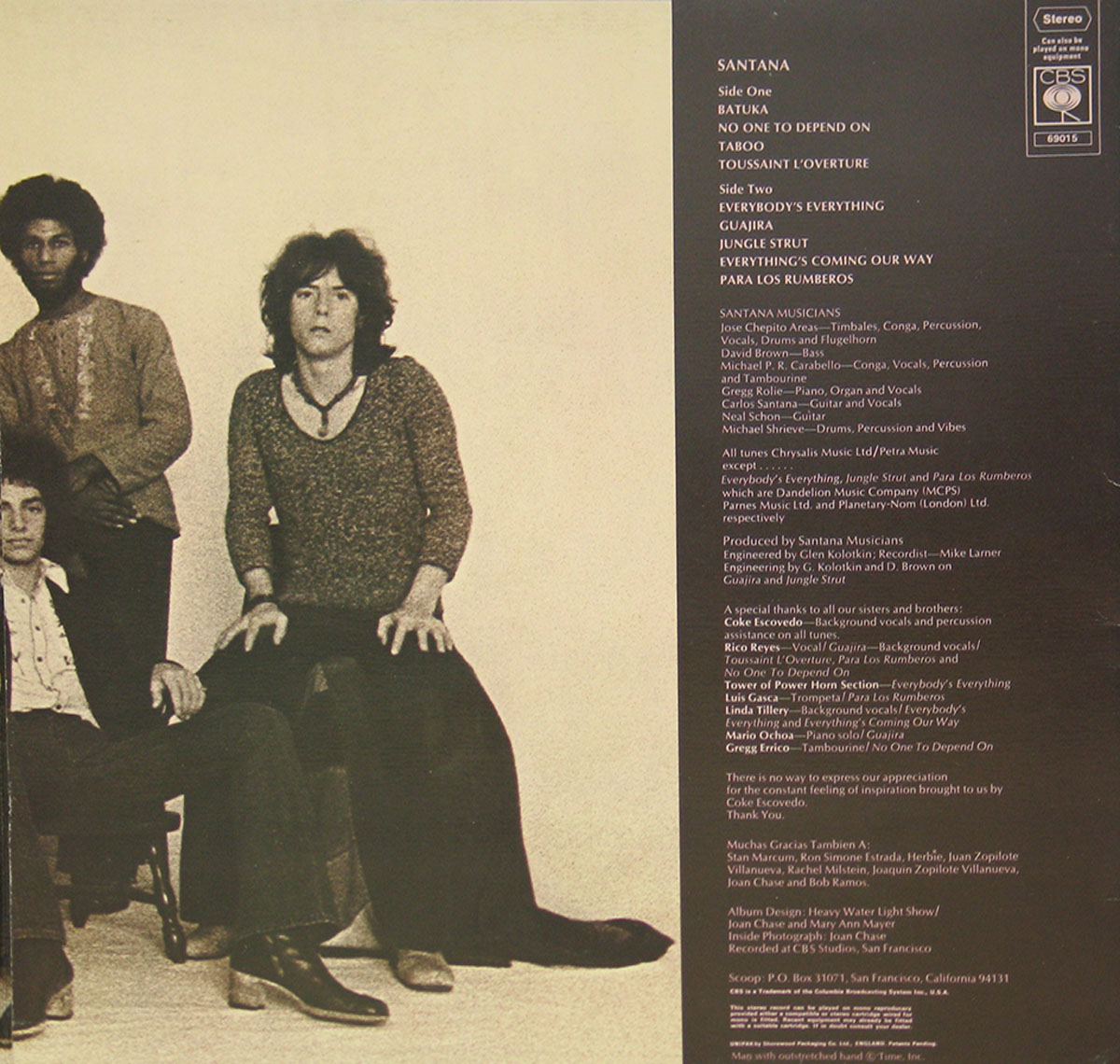
The core lineup is still that Woodstock-era engine, and this is the last time that particular crew holds together on a studio album for a long while. Then a 16-year-old Neal Schon shows up and—boom—suddenly the guitar role isn’t “Carlos on top.” It’s a two-front weather system.
Michael Shrieve plays with rock authority but leaves gaps on purpose, like he knows the percussionists are going to fill them with arguments. Chepito Areas and Mike Carabello don’t “support” the groove; they drive it, steering with congas and timbales while the bass (David Brown) keeps the whole thing from tipping over. Gregg Rolie’s keys are the glue—organ and piano holding the chordal floorboards together while everything stomps around.
The extras matter because they arrive like cameos that actually leave bruises: Tower of Power horns on “Everybody’s Everything,” Luis Gasca’s trumpet on “Para los Rumberos,” Mario Ochoa dropping in with that piano solo on “Guajira,” plus Linda Tillery on backing vocals. John Fiore’s engineering credit is the quiet hero move: keeping all that moving air from turning into a fog bank.
The Sound: Attack, Space, and That Nervous Forward Lean
The percussion sits in front of the band like it paid the rent. You don’t “hear” it as decoration—you feel it in your chest, in the way the room seems to tighten when the congas hit. The guitars jab and sing, sometimes in the same breath, and the keys keep the harmony wide enough for the chaos to run laps.
What makes it work is the space between strikes. Little pockets of air around cymbals, around hand percussion, around the ends of phrases—so the next hit lands harder. Not slick. Alive. A little sweaty. Perfect.
Tracks That Spill the Truth
The record tells you what it is, fast. These are the giveaways:
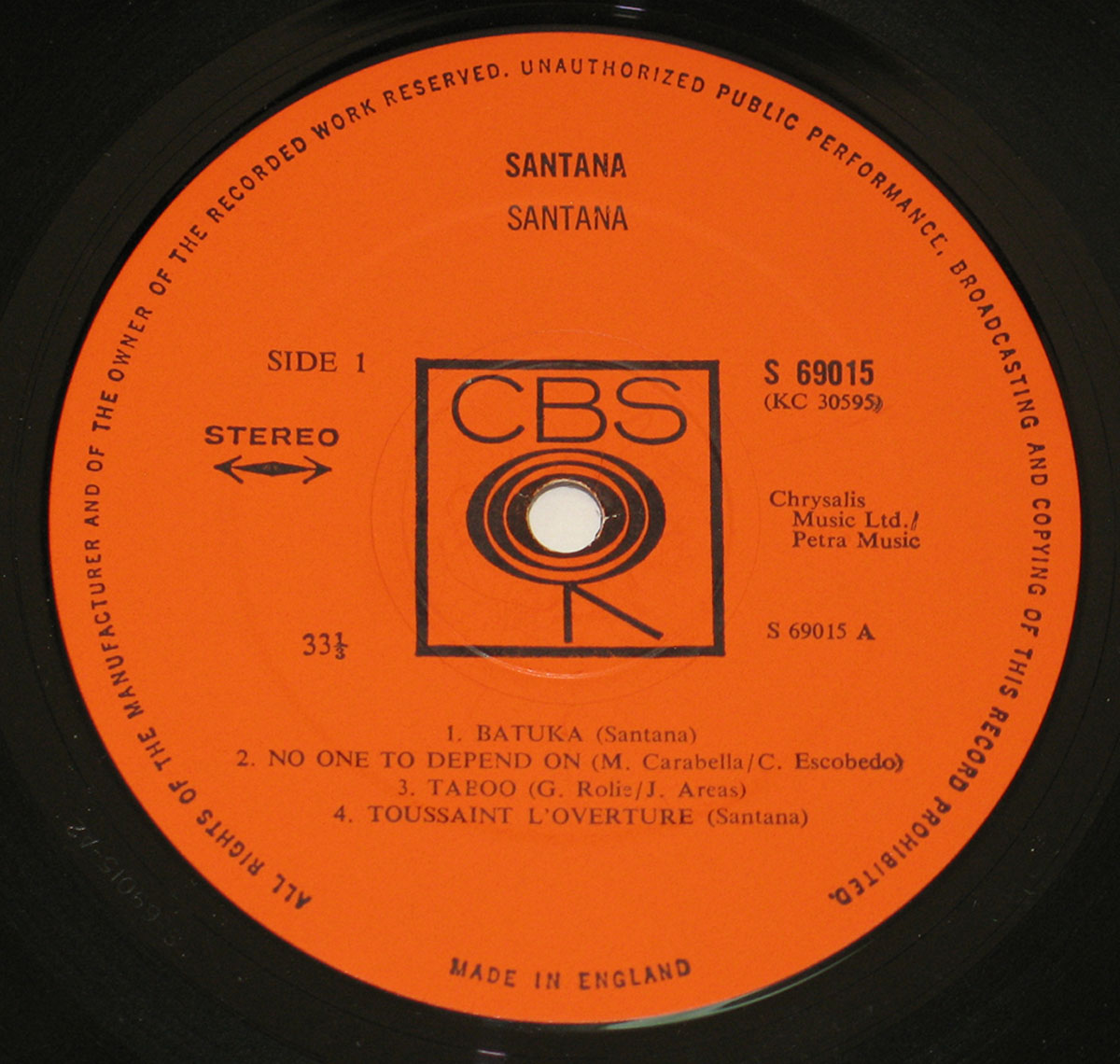
- “Batuka” — no warm-up. Just rhythm, attitude, and the sound of the band stepping forward.
- “No One To Depend On” — the groove locks in, then starts throwing elbows.
- “Taboo” — darker lighting, slow burn, a little paranoia in the corners.
- “Toussaint L’Ouverture” — the big one: guitars pushing and pulling while the rhythm section refuses to blink.
- “Everybody’s Everything” — horns show up and the song starts walking taller, like it just got a new jacket.
- “Para Los Rumberos” — quick, proud, straight to the point. Gracias, Tito Puente.
Band Dynamics: Cause and Effect, Not a Timeline
Two guitars changes the politics. Suddenly you can’t just “feature” Carlos and call it a day; there’s another voice cutting in, pushing tempos, daring the band to keep up. It thickens the sound, but it also raises the temperature—because now the rhythm section has to be even tighter to keep the whole thing from running hot and sloppy.
Producing it themselves is the other tell. You can hear choices that feel made in the room: keep that take, leave that edge, don’t polish the corners. It’s not a committee record. It’s a band record. Sometimes that’s the same thing as a fistfight with good timing.
The Cover, the “Non-Scandal,” and the Real Misread
The sleeve got nicknamed “Man with an Outstretched Hand,” and once you know that, you can’t unsee it—like the guy is reaching out from the rack, asking what you’re made of. There’s no big, famous scandal attached to this release in the usual documentation, just the kind of nervous chuckle you’d get from someone who doesn’t like naked art near their living room.
The real misunderstanding is worse: people treating this album like festive wallpaper. It’s not. It’s structured tension with a danceable face. Oye, listen closer and you’ll hear how hard they’re working to keep the groove from turning into a blur.
One Quiet Anchor
Late-night FM, cheap headphones, the dial light glowing, and “Taboo” sounding like a streetlight buzzing over an empty block.
References (verification + photos)
- Vinyl-records.nl — high resolution album cover photos (this page)
- Santana.com — official discography
- Wikipedia — Santana (1971 album): track list, personnel, cover note
- MusicBrainz — release data & credits
- AllMusic — "Santana III" album page
That outstretched hand on the cover still feels like a dare. Take it, or don’t. Either way, the percussion’s already started without you.