|
Album Description & Collectors information:
"Uprising" was to become the final studio album to be released during his lifetime. This album is one of Marley's most directly religious, with nearly every song addressing his Rastafarian beliefs, culminating in the acoustic Folk classic, "Redemption Song".
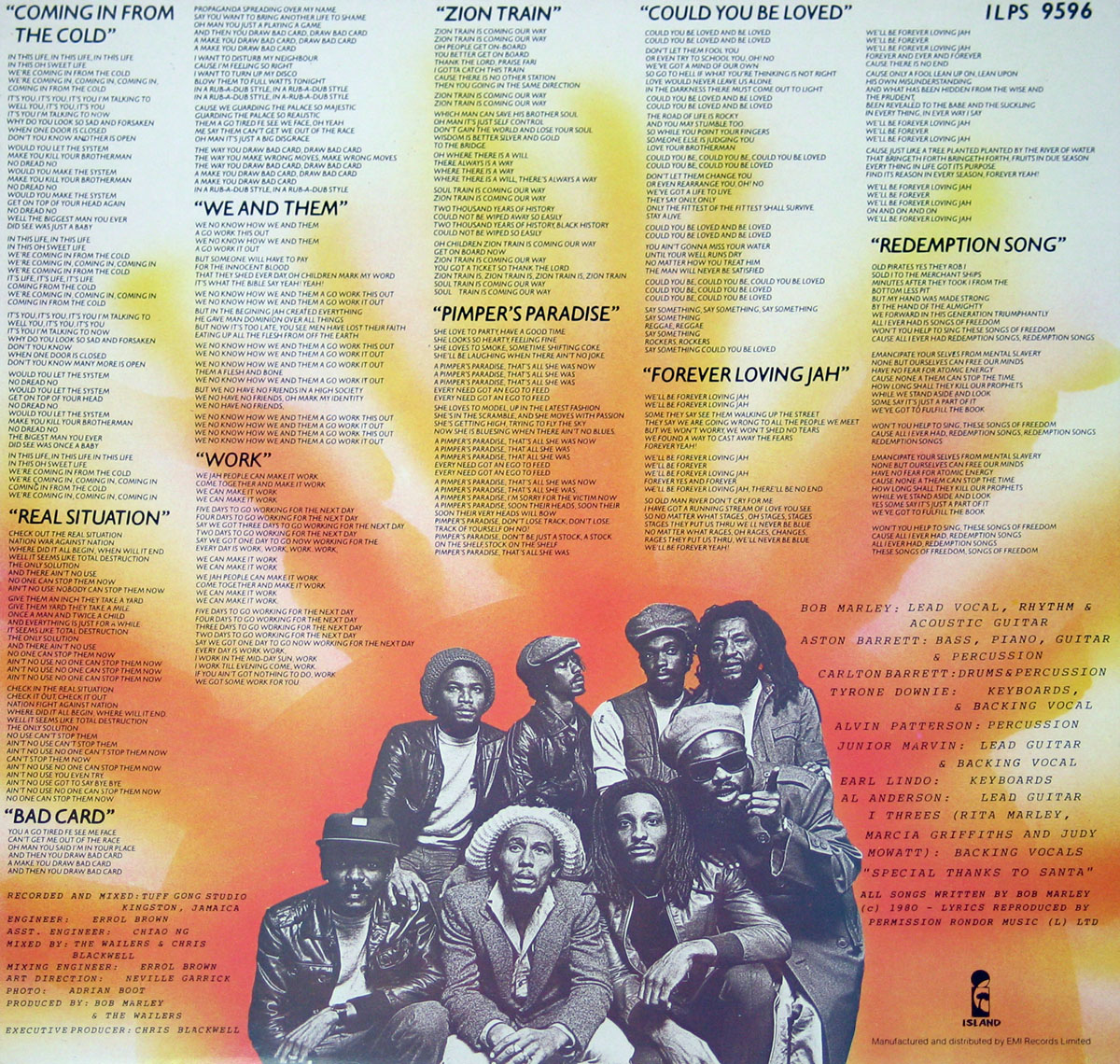
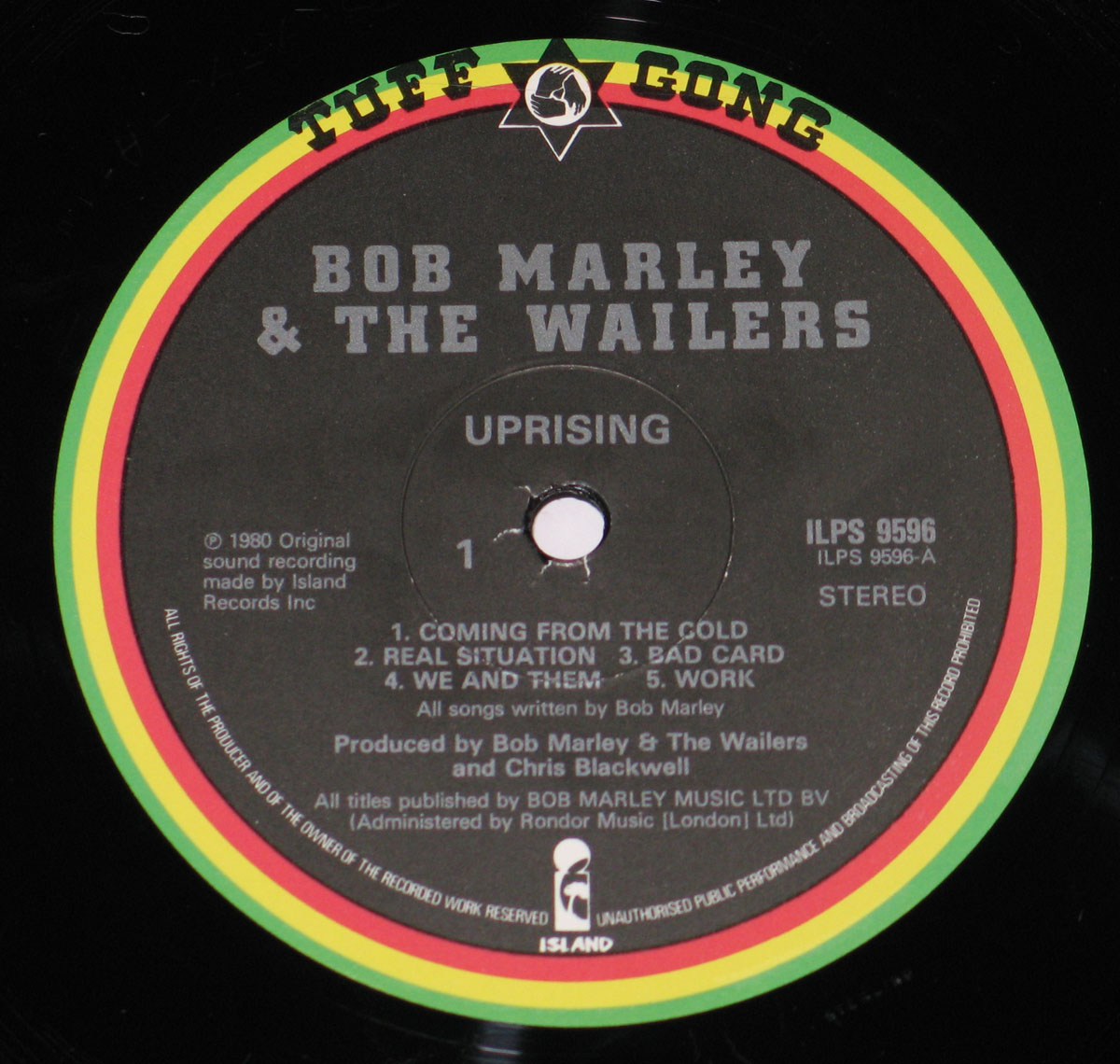
Bob Marley & The Wailers' "Uprising" is a 12" vinyl LP album that was released in England in 1980. It was the last studio album that Bob Marley & The Wailers released before Bob Marley's death in 1981. The album was produced by Chris Blackwell and Bob Marley, and was recorded at Tuff Gong Studios in Kingston, Jamaica.
The album features some of Bob Marley's most iconic songs, including "Redemption Song," "Could You Be Loved," and "Pimper's Paradise." These songs, along with the rest of the album, showcase Bob Marley's talent for blending reggae music with powerful lyrics that promote social justice and equality.
The album opens with the track "Coming In From The Cold," which has a catchy melody and a powerful message about the struggles that people face in their daily lives. This song sets the tone for the rest of the album, which is filled with songs that address social issues and promote unity and equality.
The album's standout track is "Redemption Song," which is a beautiful acoustic ballad that features Bob Marley's voice and guitar. The song is a powerful reflection on the struggle for freedom and equality, and its simple, yet poignant lyrics have made it one of Bob Marley's most beloved songs.
Another standout track on the album is "Could You Be Loved," which is a more upbeat and danceable song that features a catchy melody and a positive message about love and unity. The song's infectious groove and uplifting lyrics make it one of Bob Marley's most popular songs, and it has been covered by many other artists over the years.
Other notable tracks on the album include "Zion Train," which has a powerful rhythm and a message about the importance of spiritual unity, and "Work," which is a funky song that addresses the struggles of the working class.
"Uprising" is a powerful and important album that showcases Bob Marley's talent for blending reggae music with social commentary. The album's message of unity, equality, and justice still resonates today, and its songs continue to inspire people around the world.
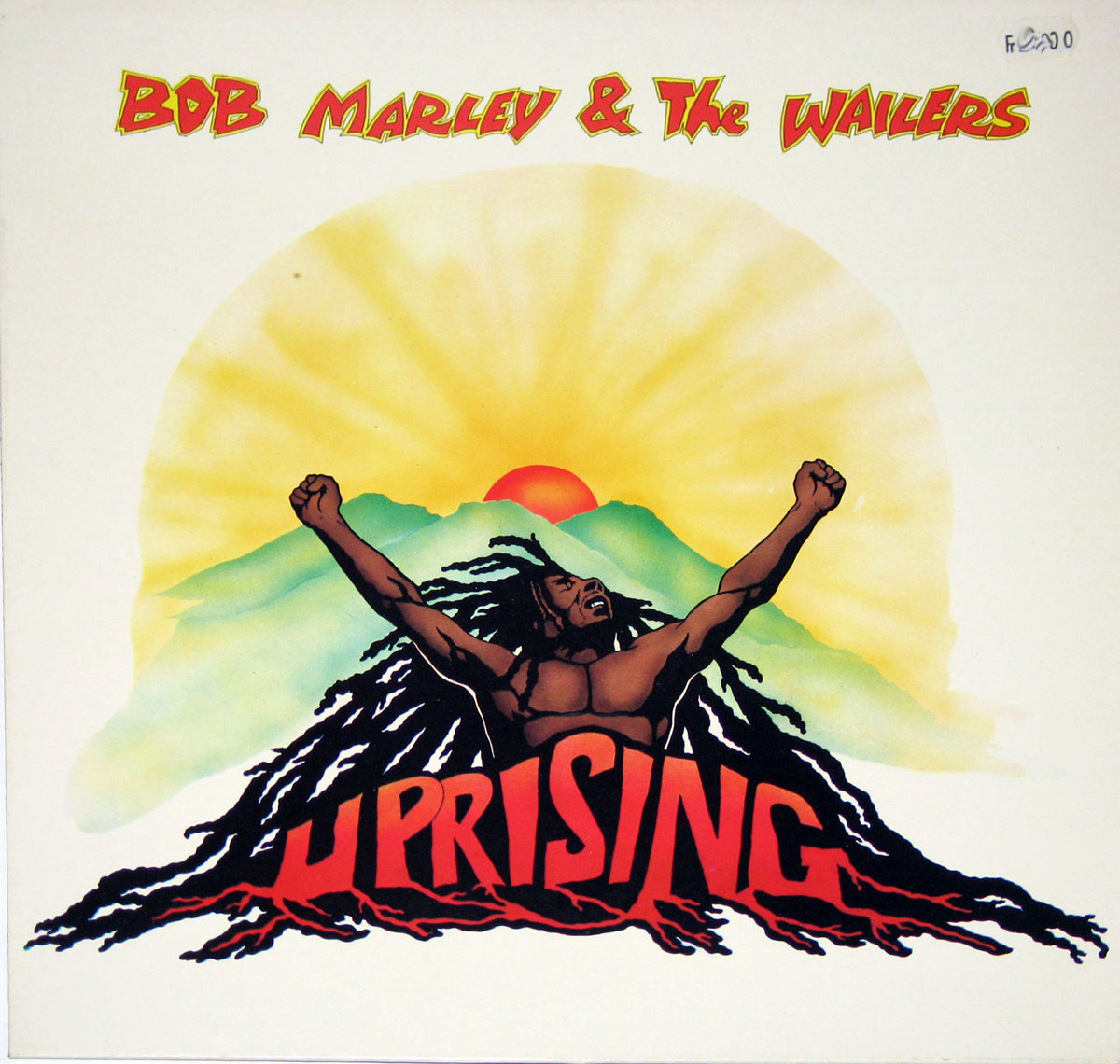
In addition to its powerful lyrics and messages, "Uprising" is also a technical masterpiece. The album's production is top-notch, and the sound quality of the vinyl is excellent. The album's artwork is also noteworthy, with a striking image of Bob Marley standing in front of a burning skyline.
Bob Marley died on 11 May 1981, in Miami, Florida, at the age of 36. He had been battling cancer for several years and had been receiving treatment in Germany before traveling to the United States for additional medical care. The cancer had initially been diagnosed as a melanoma on his toe, but it had spread throughout his body, ultimately leading to his death.
Despite his deteriorating health, Marley continued to perform and record music until shortly before his death. In fact, he had been scheduled to embark on a major tour in the United States in 1980, but it was cut short due to his declining health.
|