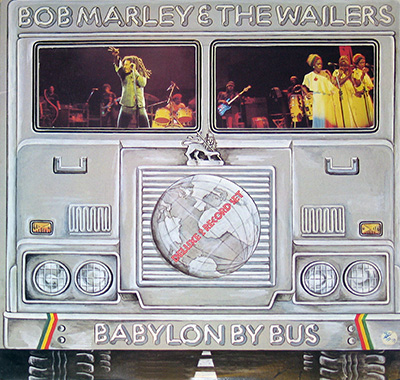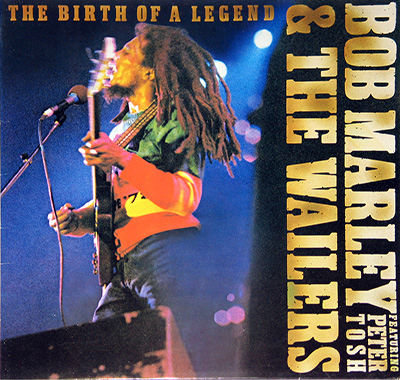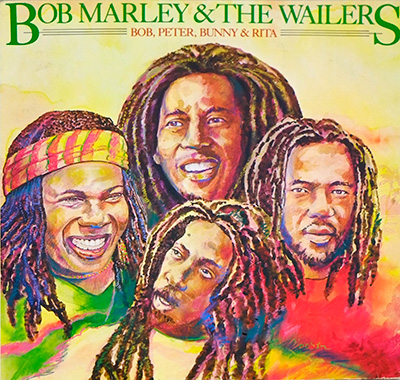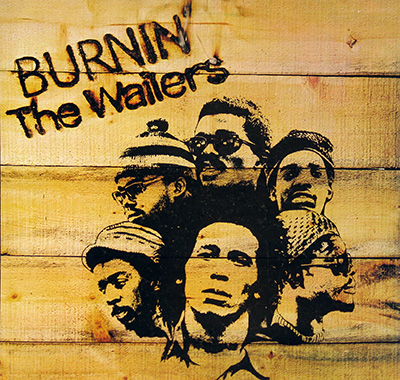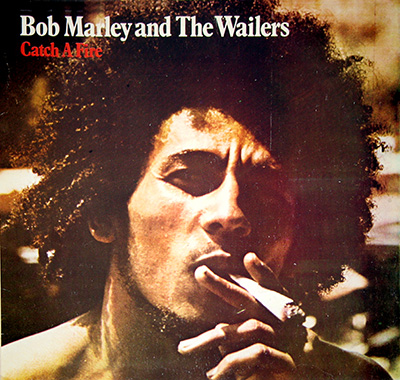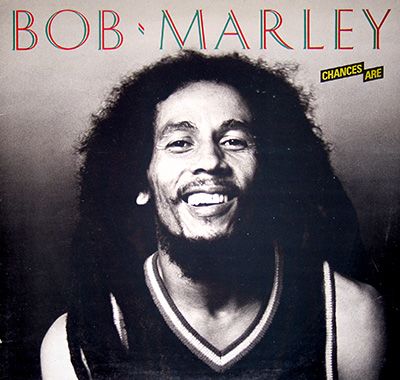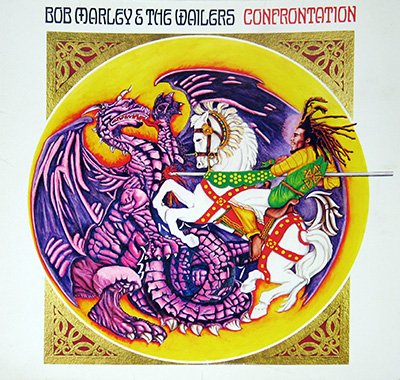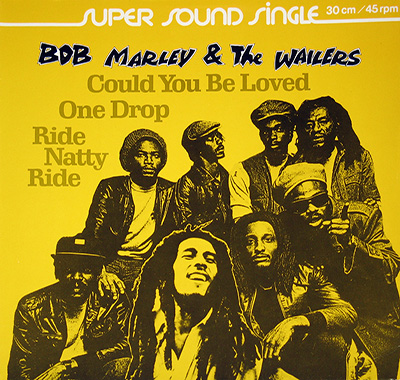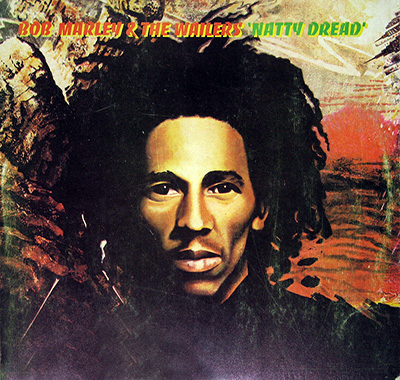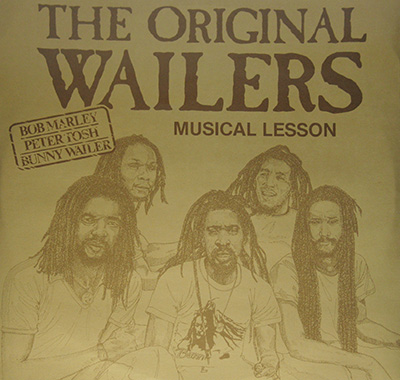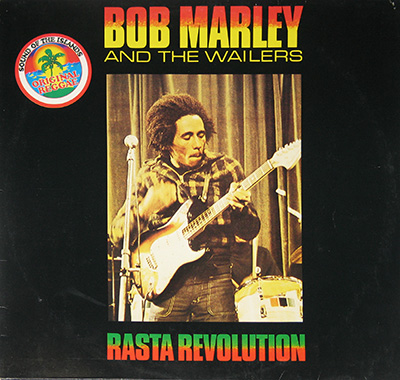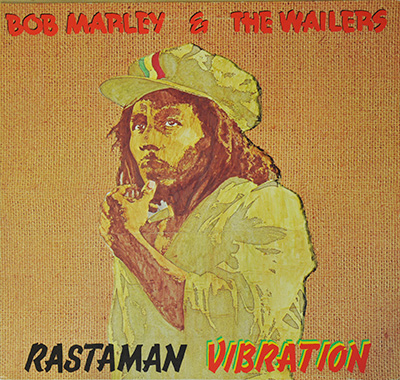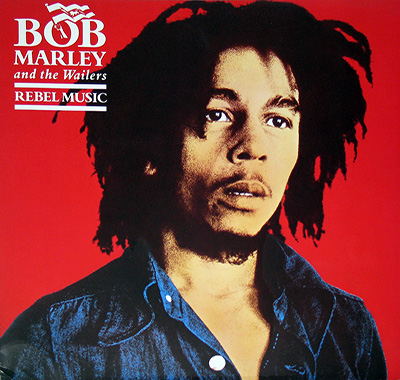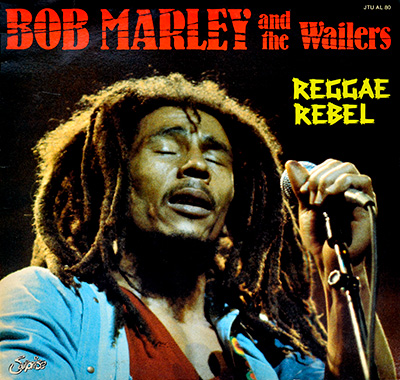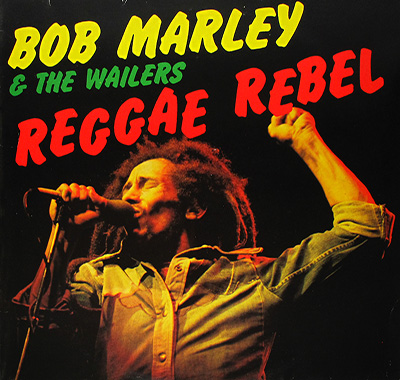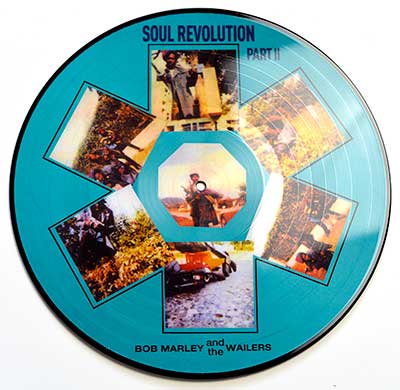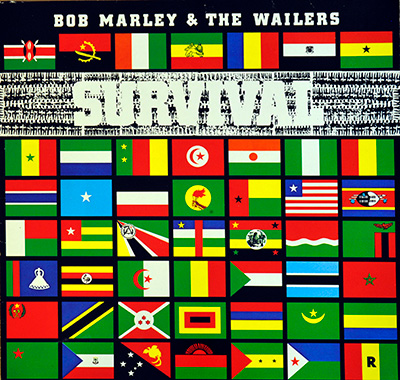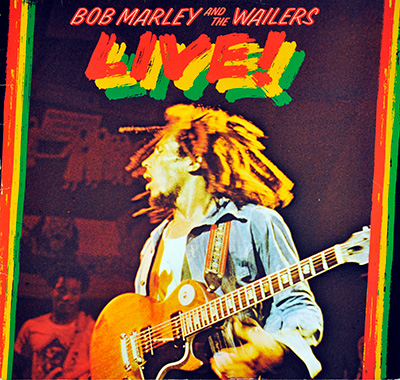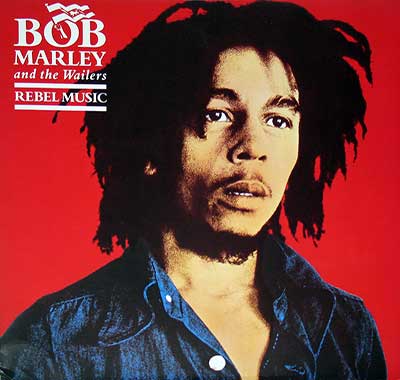
Bob Marley & The Wailers weren’t “a message” first—they were a sound that grabbed you by the collar and refused to let go. Yes, the big themes are in there, but what hit hardest was the pulse: street-level hope, spiritual heat, and that rhythm section moving like it had someplace urgent to be.
Marley was born on 6 February 1945 in Nine Mile, Saint Ann Parish, Jamaica, and by 1963 he’d formed the Wailers with Bunny Wailer and Peter Tosh (with early members like Junior Braithwaite, Beverley Kelso, and Cherry Smith in the mix). Those first sides lived in ska and rocksteady territory—because that’s what the island was breathing then, before “reggae” even had its name nailed down.
I still picture the 70s as the decade the band stopped being local property and became everybody’s argument: the records got bigger, the tours got longer, and suddenly the whole world had an opinion about what Jamaica “meant.” Marley sang like he was pushing air out of a crowded room. The Wailers didn’t “accompany” him—they drove the thing forward, tight and hungry, night after night.
Marley died on 11 May 1981 in Miami, only 36, and the industry has been varnishing his image ever since. Fine. Let them sell the candles and posters. I’d rather hear the actual recordings—where the edges are still sharp enough to cut through a bad day.
References
- Vinyl Records Gallery: Bob Marley & The Wailers "Catch a Fire" (high-resolution cover photos + credits)
- Britannica: Bob Marley (biography)
- HISTORY.com: Bob Marley dies (11 May 1981)
- Wikipedia: Bob Marley
- Wikipedia: Bob Marley and the Wailers (early lineup + timeline)
- The New Yorker: "Manufacturing Bob Marley" (myth vs. man)