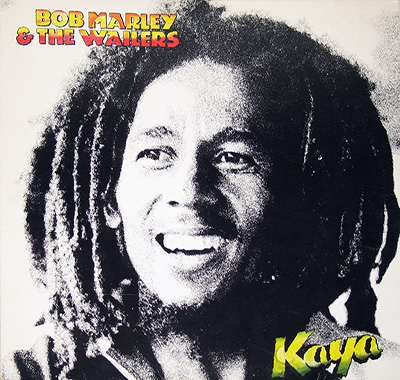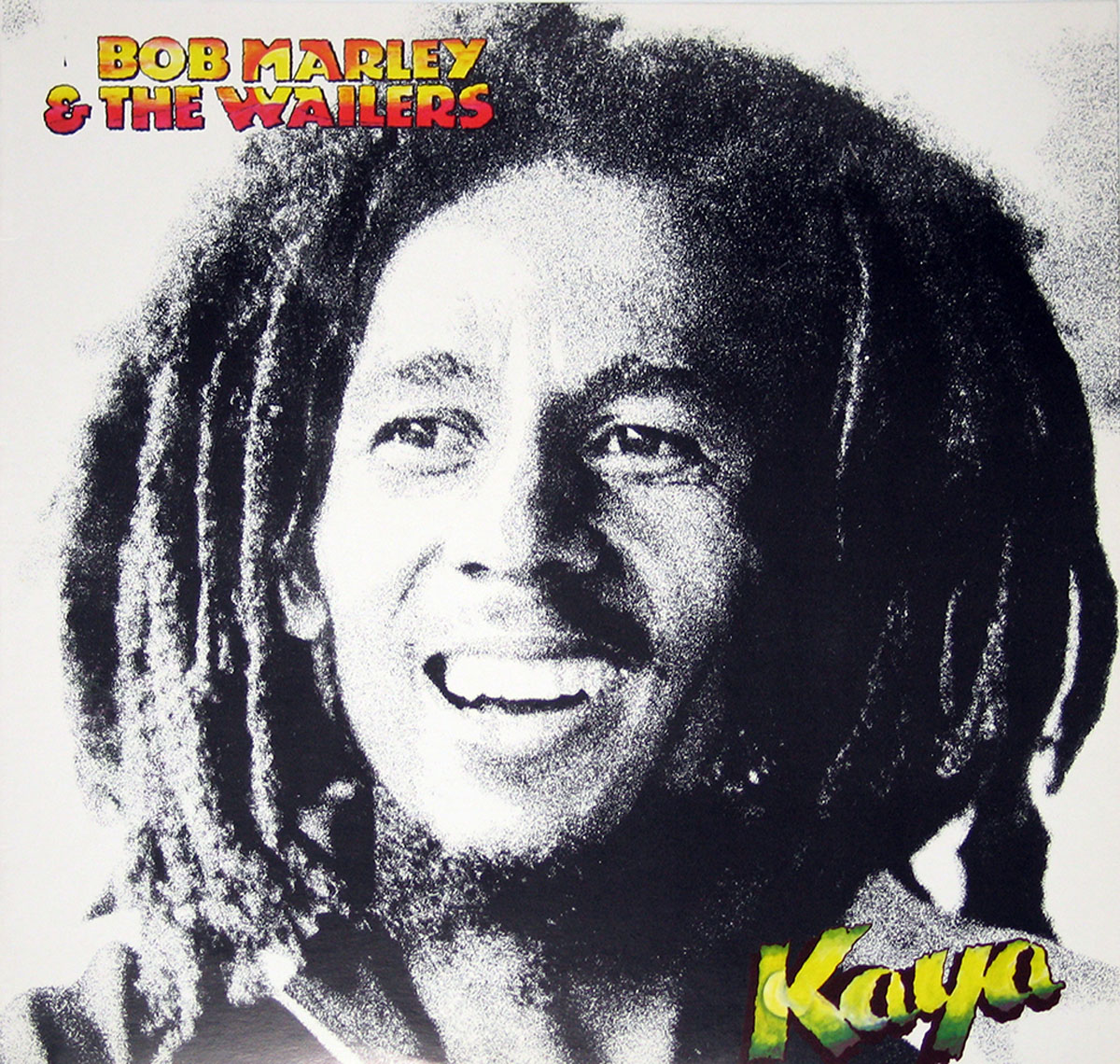
"Kaya" (1978) Album Description:
"Kaya" is the sound of Bob Marley & The Wailers stepping back from righteous thunder and letting the smoke hang in the room for a while. Released in 1978, with Jamaica still twitching from political violence and Marley returning from exile in London, it does not hit like "Exodus". It leans, sways, and watches the ceiling fan turn. That threw some people then, and it still does now. They wanted sermon and siren. Marley handed them warmth, herb, desire, and a bass pulse that moves with pure ganja logic.
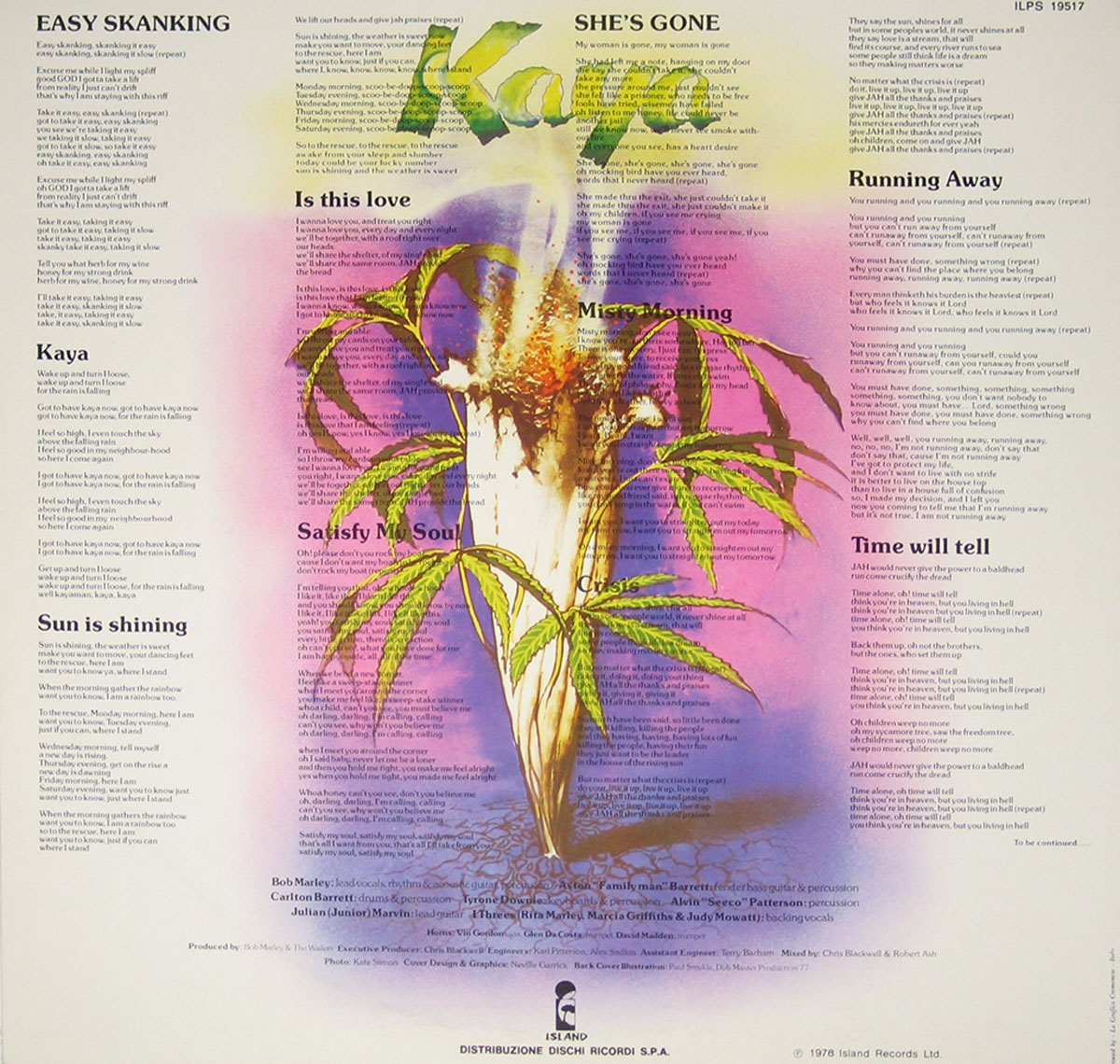
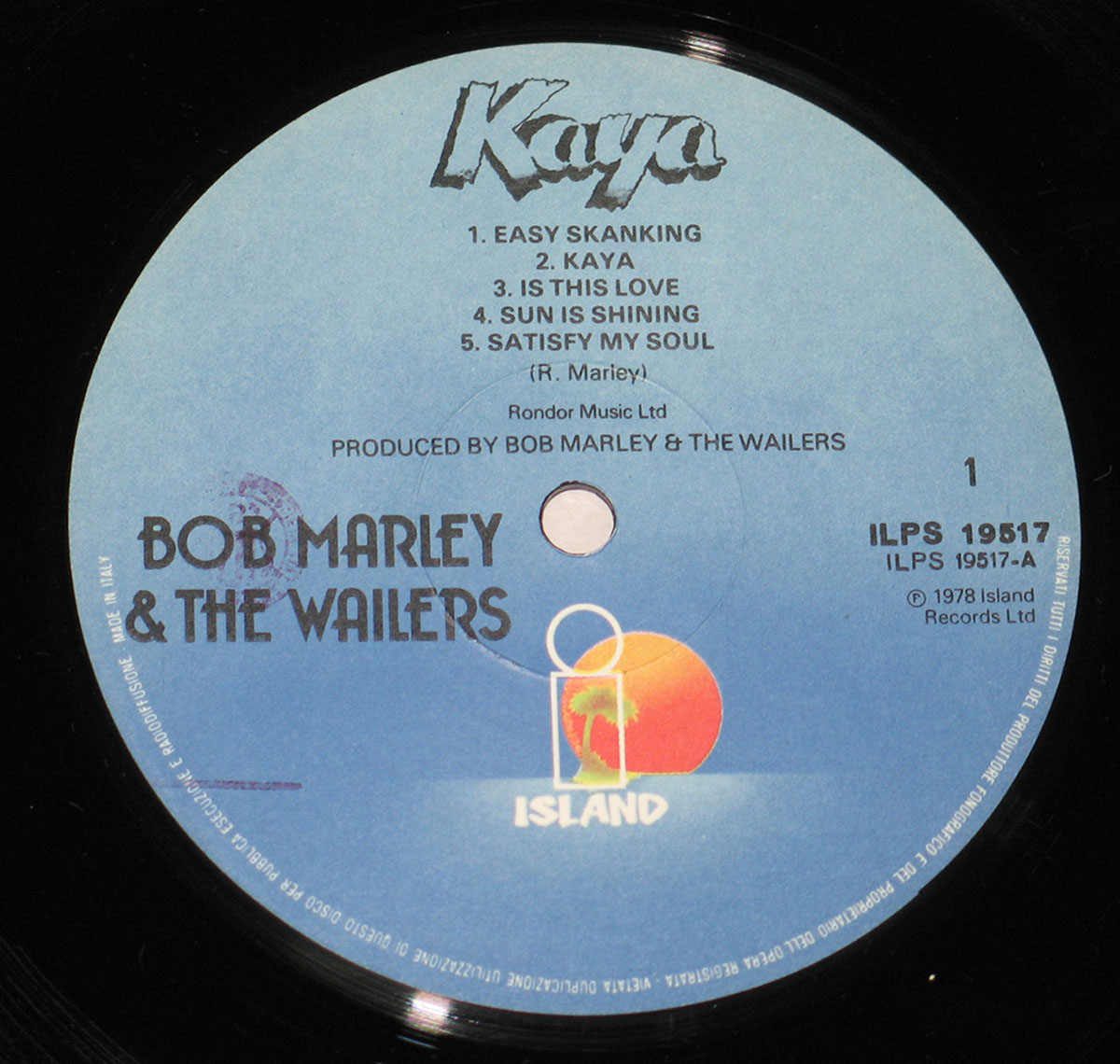
On an Italian copy, the blue Island label and S.I.A.E. stamp look neat enough, almost too neat, but the music is slyer than the packaging suggests. Beneath the easy skank sits a record with more tension, more shadow, and more bite than lazy summaries ever admit. Open the rest and the calm picture starts to ripple: the critics who called it soft, the players who kept it grounded, and the one side-two detail that changes the whole mood of the album.
Why it sounded like this
By 1978, Jamaica was strained to the point of frayed wire. Marley had been living in London after the violence that pushed him out of Kingston, and "Kaya" arrived in the same year as his return for the One Love Peace Concert. That matters. This is not some tourist-beach reggae postcard. It is a record made by someone who had seen heat, noise, politics, exile, and then chose, very deliberately, to cut an album that breathed out instead of lunging forward.
That choice made "Kaya" a strange fit for the mood of the moment, which is exactly why it still holds up. A lot of deep roots reggae around that time carried a sterner face. Culture sounded like judgment day at street level, Burning Spear moved with ritual gravity, Peter Tosh preferred the steel-toe approach, and even crossover-minded acts like Third World kept one eye on sophistication and one eye on survival. Marley, stubborn as ever, took a mellower route here. Not weaker. Mellow. There is a difference, though some critics never seem to hear it unless it arrives with a brick through the window.
The band under the haze
This was also a later Wailers unit, not the old founding-trio mythology that gets dragged around every time somebody wants to flatten the story. Peter Tosh and Bunny Wailer were long gone by then, and the band had become a more elastic road machine. Aston "Family Man" Barrett keeps the bottom end thick and patient, Carlton Barrett clips the drums into that dry one-drop heartbeat, Tyrone Downie lets the keyboards drift like warm resin in the air, Junior Marvin adds lean guitar detail instead of flash, and the I-Threes give the choruses lift without making them pretty for the sake of it. Chris Blackwell's co-production counts too. He knew how to leave the windows open for rock listeners without sweeping the Jamaican dust off the floor.
What the record actually does
Listen to how "Easy Skanking" opens the door. It does not rush you. It settles in first, bass first, then drum snap, then that loose-limbed vocal shape Marley had by this stage, half invitation and half private grin. The title track carries a soft herbal glow, "Is This Love" moves with easy grace instead of sticky sentiment, and "Sun Is Shining" feels bright without turning glossy. This is roots reggae thinned just enough to let light through, but the structure stays solid. Nothing here is accidental. Even the relaxation is arranged with care.
Side two is where the album stops being background smoke for casual listeners and starts showing its bones. "She's Gone" and "Misty Morning" bring in hurt and drift, "Running Away" has movement without panic, and "Time Will Tell" ends the record with prophecy spoken in a calm voice, which is always more unsettling than a shout. Then there is "Crisis". Leave that song out, as some sloppy summaries do, and "Kaya" starts looking like a soft-focus lover's set. Put it back where it belongs and the record gets its shadow back.
The so-called controversy
The argument around "Kaya" was mostly aesthetic, not scandalous. There was no grand public meltdown attached to it, no delicious rock soap opera, just the old complaint that Marley had supposedly gone soft because he was singing about love, ease, and herb instead of planting both boots on the throat of Babylon every minute. That complaint always felt a bit daft. People hear a warm groove and assume the mind behind it has gone to sleep. "Kaya" proves the opposite. The record is alert all the way through. It simply refuses to bark for attention.
I have always liked albums like this late at night, when the lamp is low, the sleeve feels slightly dry in the hands, and the room goes quiet enough for the bass to rearrange the furniture. An Italian pressing adds its own little collector's buzz with that S.I.A.E. mark and blue Island label, but that is not the real trick. The real trick is that you put "Kaya" on expecting an easy smoke, and somewhere around side two you realize the thing has been thinking harder than half the people who dismissed it.
"Kaya" is not Marley at his most militant, and that is precisely the point. It is the sound of a band easing the pressure without losing control of the riddim, a writer trading proclamation for intimacy, and a roots reggae record that understands recovery, appetite, tenderness, and unease can all live in the same groove. Some collectors will always reach first for "Exodus", "Natty Dread", or "Survival", and fair enough. But "Kaya" has its own weather. Warm air, slow curl of smoke, and a current underneath that never quite lets you relax completely.
References
- Vinyl Records Gallery page with Italian pressing photos and album details
- Bob Marley official "Kaya" release page
- Bob Marley official 40th anniversary notes on the "Kaya" sessions
- Britannica biography entry covering the 1978 One Love Peace Concert context
- Roots Archives discography page with corrected track listing and album credits