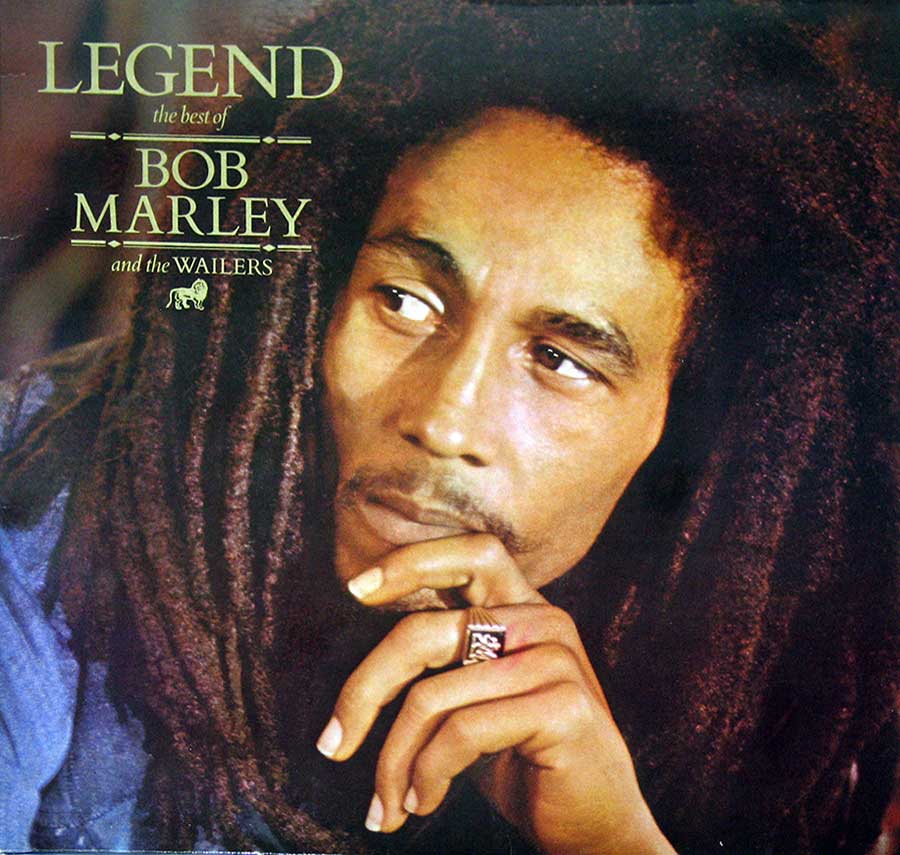
"Legend" Album Description:
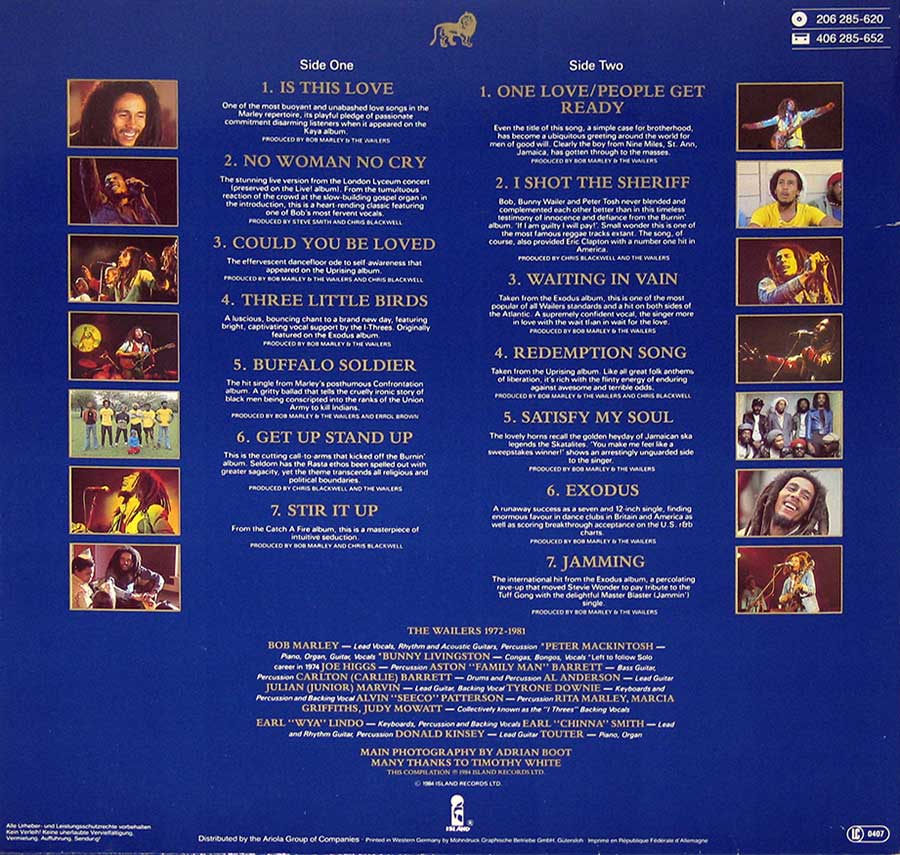
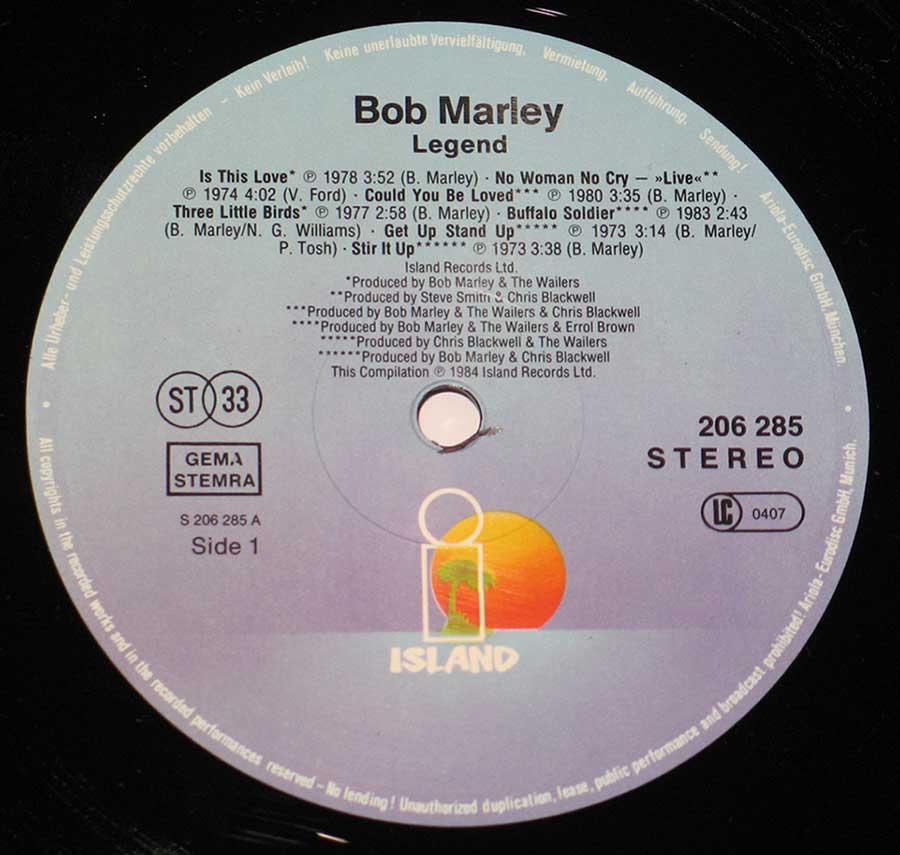
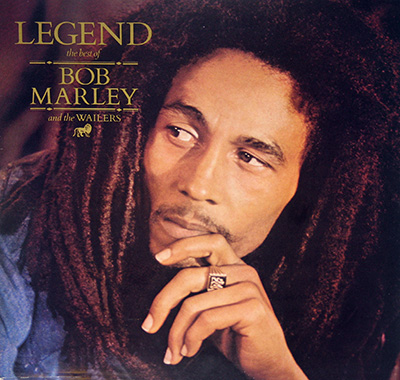
"Legend" is a compilation album by Bob Marley & The Wailers, released in 1984 on the Island Records label. The album features some of Marley's most popular and well-known songs, including "One Love", "Jamming", and "No Woman, No Cry".
The album was released in the wake of Marley's death in 1981, and helped to solidify his status as one of the greatest and most influential musicians of all time. Its success also helped to introduce his music to a new generation of fans around the world.
The album features a mix of upbeat, catchy tracks and more introspective, soulful songs, showcasing the band's incredible range and versatility. The songs on the album are also notable for their powerful messages of love, peace, and social justice, which remain as relevant today as they were when they were first recorded.
"Legend" has been re-released numerous times over the years, and remains one of the best-selling reggae albums of all time. Its impact on the world of music and popular culture cannot be overstated, and its songs continue to be played on radio stations and in clubs and bars around the world.
The EEC (European Economic Community) release of "Legend" is a highly sought-after version of the album, featuring a different track listing and cover art than the original release. The EEC version features 14 tracks, including classics like "Stir It Up", "I Shot the Sheriff", and "Get Up, Stand Up".
"Buffalo Soldier" The Song's Story
Bob Marley's music transcended borders and genres, becoming a powerful voice for social justice and Pan-African identity. One song that exemplifies this perfectly is "Buffalo Soldier."
The song doesn't center on sunny beaches or romantic woes – it delves into a potent chapter of American history: the story of the African-American cavalry regiments established after the Civil War. These regiments, nicknamed "Buffalo Soldiers" by the Native American tribes they encountered in the West, played a crucial role in securing the frontier.
"Buffalo Soldier" isn't simply a historical recount; it's a deeply layered exploration of race, identity, and the yearning for freedom.
A Tribute to Forgotten Heroes
The lyrics open with a stark image: "Stolen from Africa/ Brought to America/ Fighting on arrival/ Fighting for survival." These lines paint a raw picture of the forced migration that brought Africans to America and the fight for basic rights that continued even after the abolition of slavery.
Marley then sings, "Look at them Buffalo Soldier/ Dreadlocked Rasta don't care/ Carry their guns on their shoulders/ A-war away from home." This verse highlights the complex situation these soldiers faced. They were Black men fighting for a nation that hadn't granted them full citizenship.
Irony and the Search for Belonging
The song doesn't shy away from the irony. Lines like "Tell them what it's like to live in fear/ I don't want to live in fear" underscore the struggle for Black identity in a society fraught with racial prejudice.
A Call to Arms
The "woy! yoy! yoy!" chant in the bridge is a powerful moment. While some believe it references a children's TV show theme song, within the context of the song, it takes on a new meaning. It can be interpreted as a defiant cry for unity and resistance, a call to arms for continued struggle for equality.