|
Album
Production information:
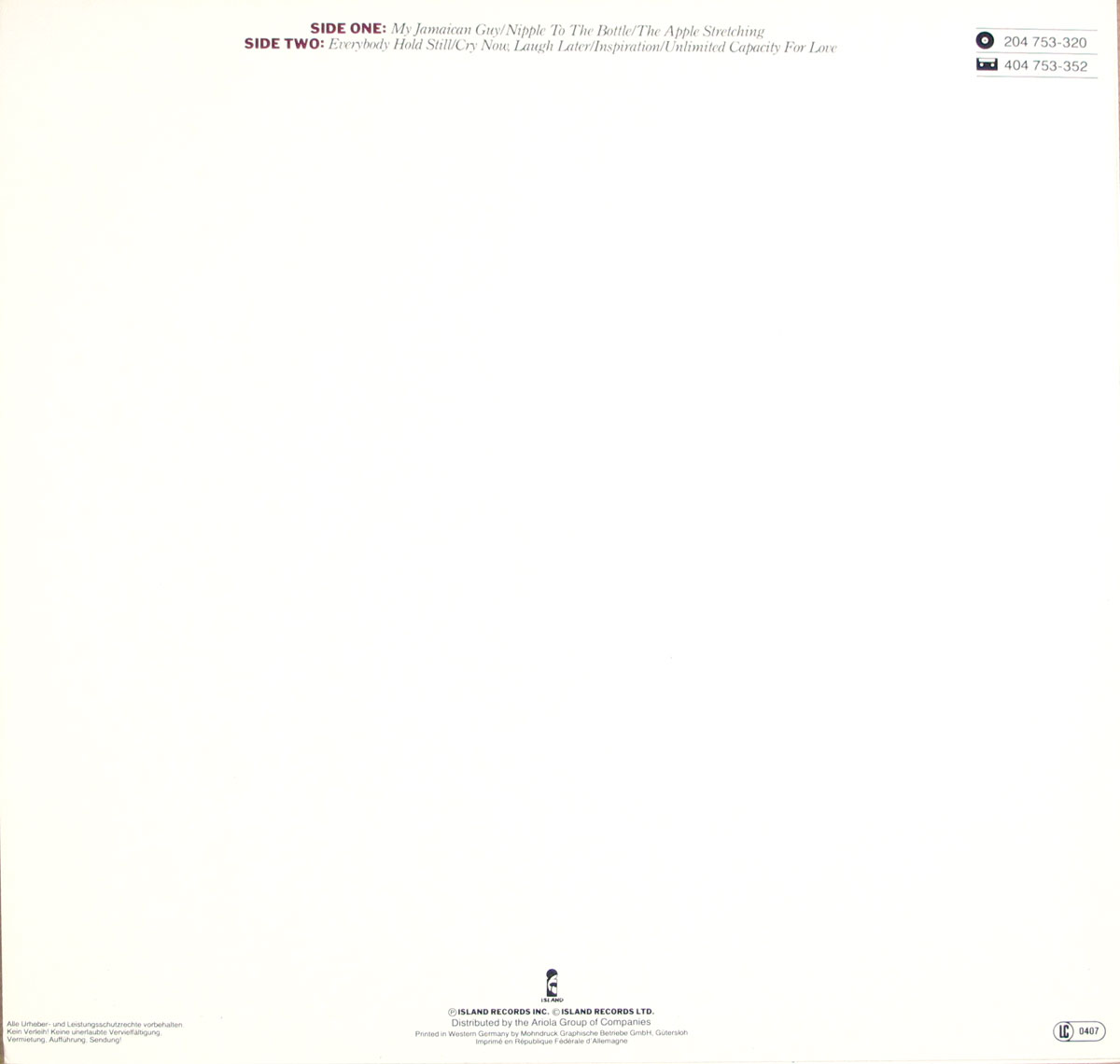
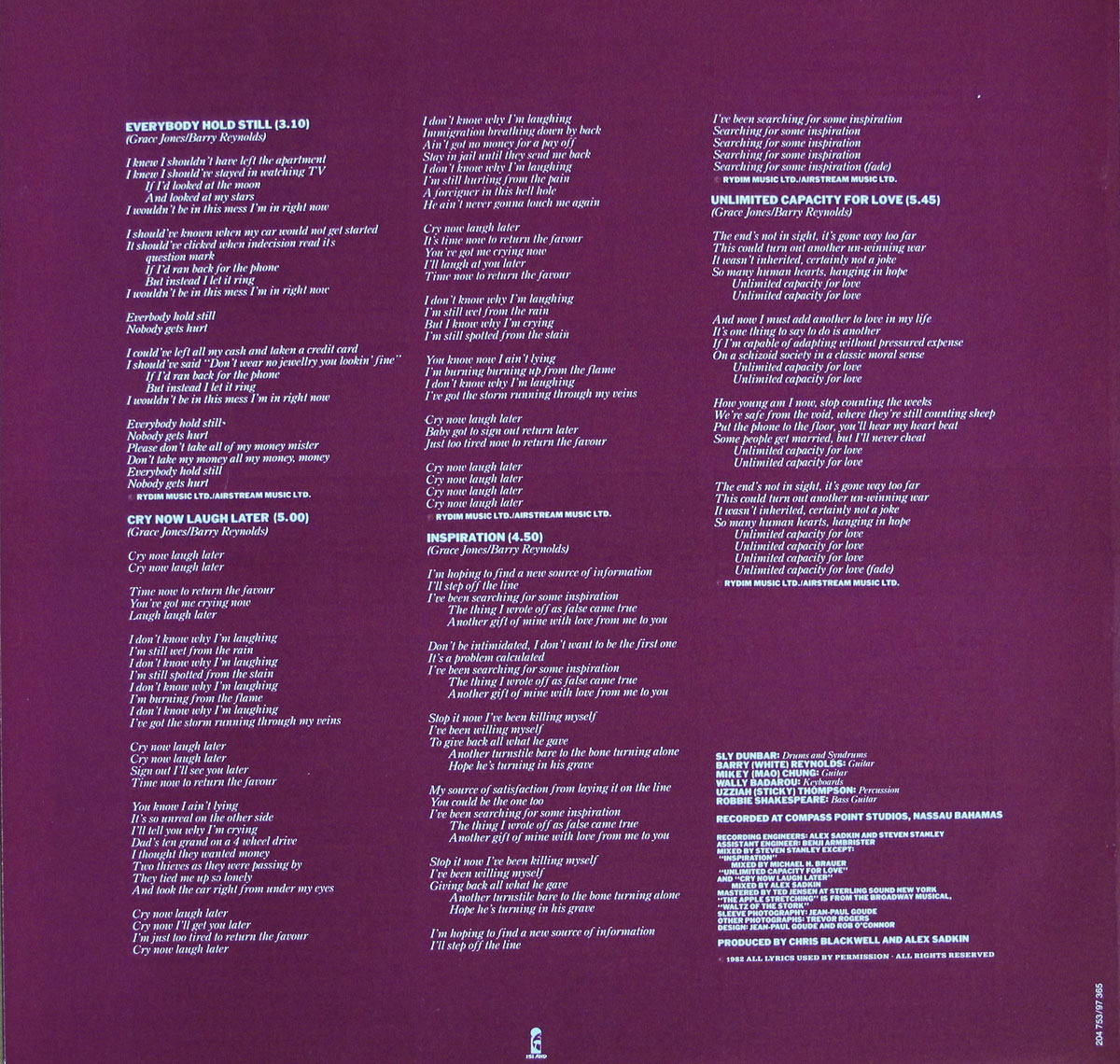
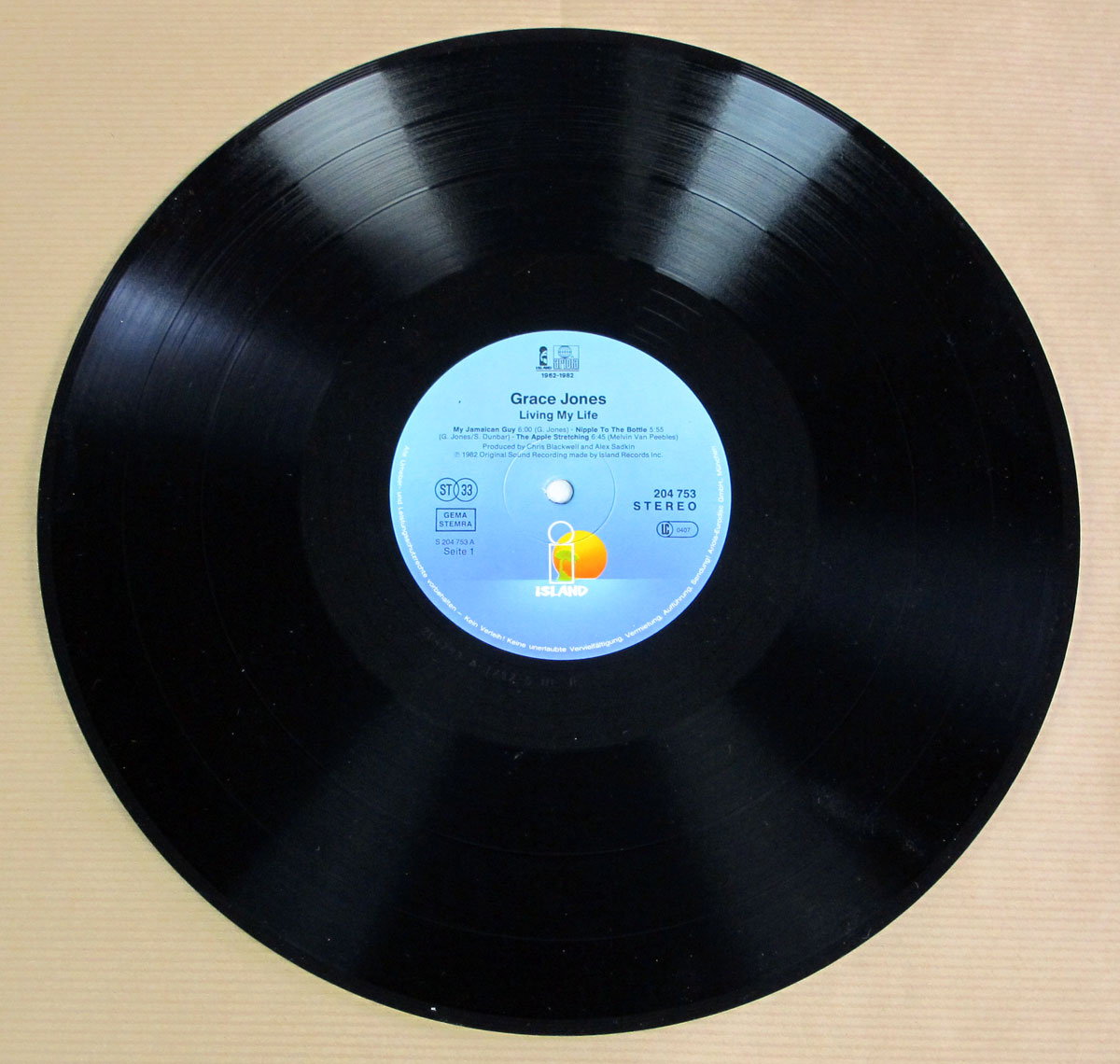
The album: "GRACE JONES - Living my Life" was produced by:
Chris Blackwell and Alex Sadkin Chris Blackwell – Producer, Sound EngineerIsland Records’ founder: the guy who helped turn Marley into a global force, then built Compass Point Studios as his sun-soaked sound laboratory. Read more... Chris Blackwell is the Island Records boss I always pegged as a gambler with taste. I watched him break out the Spencer Davis Group (1964-1967), then keep one foot in rock while betting hard on Jamaica. He backed Traffic in the late 1960s and early 1970s, and pushed The Harder They Come (1972) into the UK like contraband culture. In 1972 he funded Bob Marley & The Wailers and helped produce "Catch a Fire" and "Burnin'" (1972-1973), polishing the sound just enough for London and New York without sanding off the rebel edges; he stayed in their corner through Marley's Island years (1972-1980). In 1977 he built Compass Point Studios in Nassau, a tropical lab that later pulled in acts worldwide.
Sound/Recording Engineer(s):
Alex Sadkin, Steven Stanley
This album was recorded at:
Compass Point Studios, Nassau Bahamas
- Compass Point Studios (Bahamas)
Compass Point Studios, opened by Chris Blackwell in 1977 just outside Nassau, was less a paradise postcard than a working studio with sea air in its lungs and serious records being made behind the glass. The place mattered because it sounded like nowhere else once the right people got in the room. Grace Jones cut some of her sharpest work there, Talking Heads passed through, the Rolling Stones did too, and even Iron Maiden and AC/DC ended up on that same patch of Bahamian ground. I have always liked studios with a bit of salt and eccentricity in them; they usually beat the sterile ones. Compass Point had both, and you can still hear it on the records if the room is quiet enough and the coffee has gone cold.
Mastered by Ted Jensen at Sterling Sound, New York City
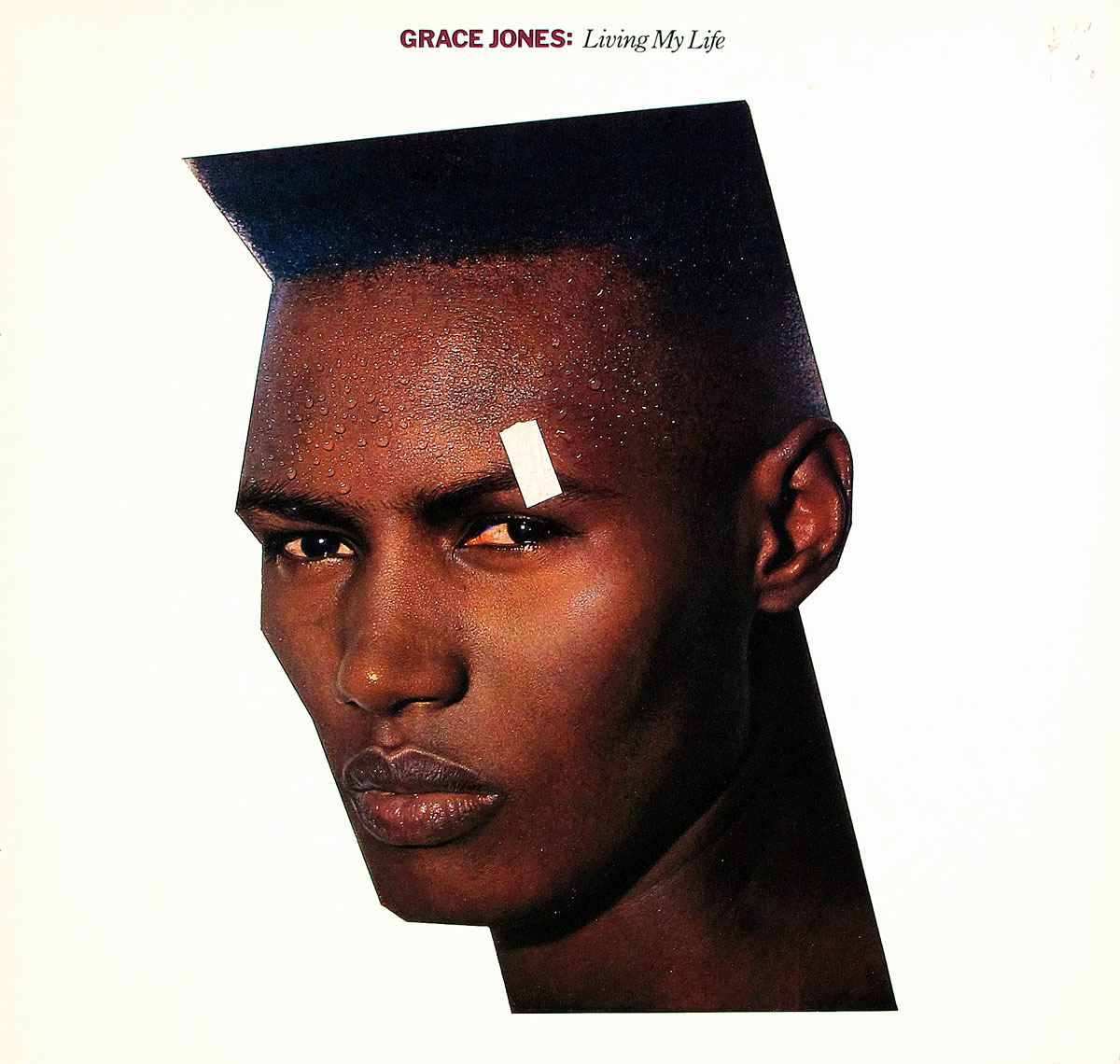
Album cover design:
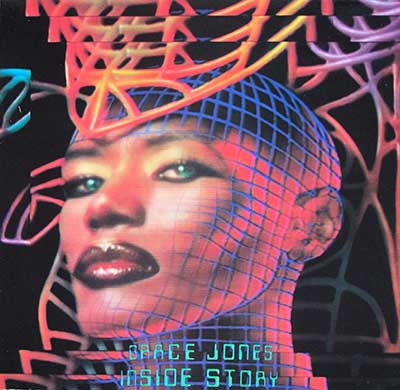
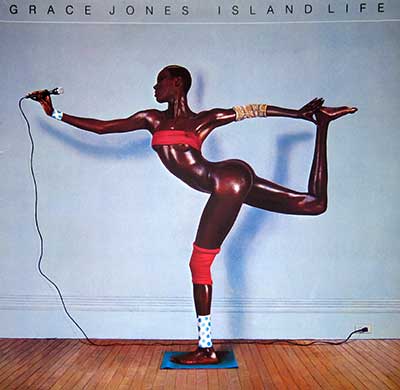
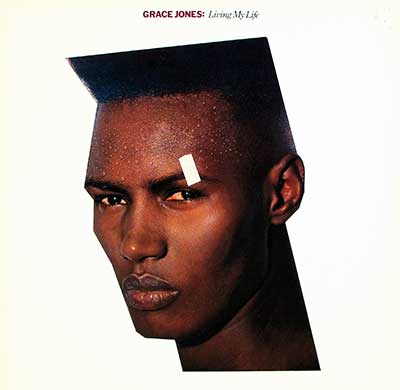
Jean-Paul Goude, Rob O'Connor
Jean-Paul Goude is a French graphic designer, photographer, illustrator, and director whose radical visual imagination reshaped fashion, advertising, and pop culture in the late 20th century. Born in 1940 in Saint-Mande, France, Goude began his career as an art director for Esquire magazine in the 1970s, where he developed a signature style that blended surrealism, fashion, and race-charged provocation.
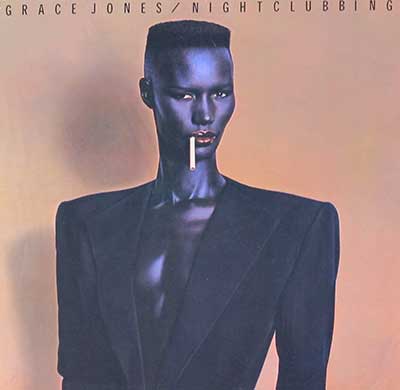
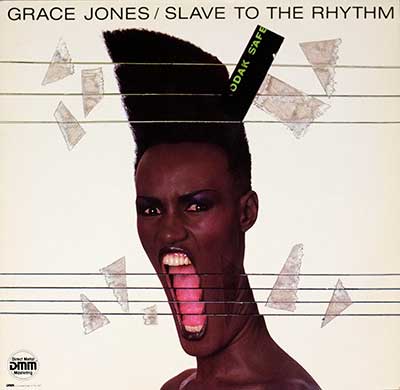
But it was his explosive collaborationÑand personal relationshipÑwith Grace Jones that cemented his legend. Goude didn't just style Jones; he reconstructed her. He transformed her into an androgynous, angular, hypermodern icon through stark photography, collage-like compositions, and boldly choreographed videos. He painted her image on the Nightclubbing album cover, designing one of the most iconic visuals in pop historyÑJones as a sculptural, post-human nightclub predator.
Their work together blurred the lines between fashion, art, and performance, turning Grace Jones into a living artwork and pushing the boundaries of race, gender, and power in visual culture. Goude's aestheticÑequal parts genius and controversyÑhas influenced generations of artists, from Madonna to Beyonce. Love him or critique him, Jean-Paul Goude changed how we see fame, beauty, and rebellion.
Album cover photography: Jean-Paul Goude, Trevor Rogers
Jean-Paul Goude is a French graphic designer, photographer, illustrator, and director whose radical visual imagination reshaped fashion, advertising, and pop culture in the late 20th century. Born in 1940 in Saint-Mande, France, Goude began his career as an art director for Esquire magazine in the 1970s, where he developed a signature style that blended surrealism, fashion, and race-charged provocation.
But it was his explosive collaborationÑand personal relationshipÑwith Grace Jones that cemented his legend. Goude didn't just style Jones; he reconstructed her. He transformed her into an androgynous, angular, hypermodern icon through stark photography, collage-like compositions, and boldly choreographed videos. He painted her image on the Nightclubbing album cover, designing one of the most iconic visuals in pop historyÑJones as a sculptural, post-human nightclub predator.
Their work together blurred the lines between fashion, art, and performance, turning Grace Jones into a living artwork and pushing the boundaries of race, gender, and power in visual culture. Goude's aestheticÑequal parts genius and controversyÑhas influenced generations of artists, from Madonna to Beyonce. Love him or critique him, Jean-Paul Goude changed how we see fame, beauty, and rebellion.
|