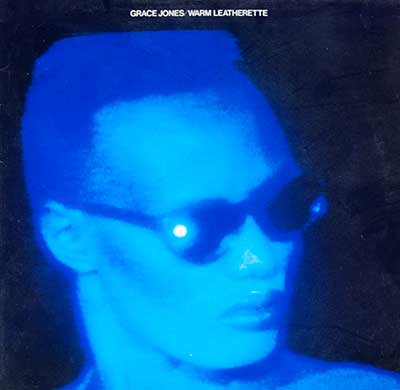
Grace Jones Artist Information:
Grace Jones was never just a singer standing in front of a band. She cut through pop culture like a blade: low voice, rigid posture, eyes that seemed to dare the room to flinch first. A lot of modern write-ups try to tidy her into a respectable “icon,” which is far too polite for the damage she did. I prefer the rougher version. She made glamour look dangerous, and most performers still do not know how to fake that.
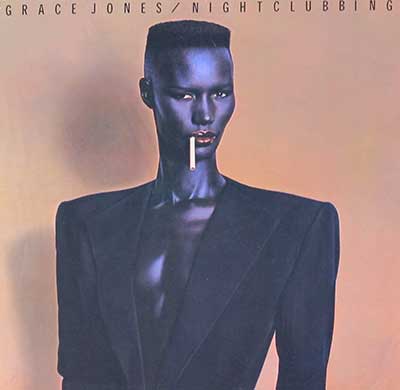
Born in Spanish Town, Jamaica, and later raised in Syracuse, she first carved out a place for herself in New York and Paris as a model before she turned that same hard-edged presence into records. The early albums matter - "Portfolio" (1977), "Fame" (1978), "Muse" (1979) - but the real jolt came when she swerved away from straight disco sheen and into something colder, leaner, and stranger on "Warm Leatherette" and "Nightclubbing." That was not a small adjustment. That was the sound sharpening.
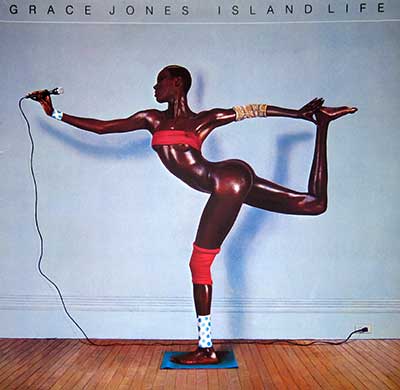
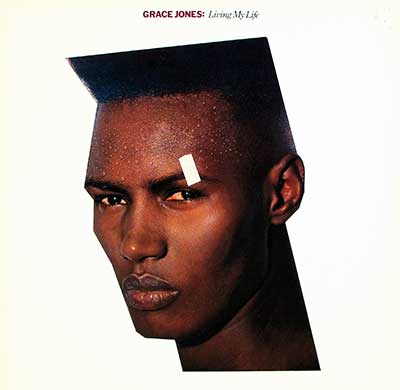
The image tightened with the music. Working with Jean-Paul Goude, Jones pushed the flat-top, the angular tailoring, the androgynous stance, the whole severe silhouette, until it stopped being style and started feeling like strategy. Plenty of stars wear costumes. Grace Jones wore confrontation. That is why the photos still hold up: they do not ask to be admired, they square up to you.
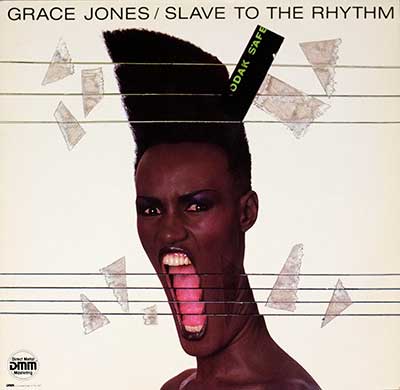
The film work deepened the legend rather than softening it. "Conan the Destroyer," "A View to a Kill," "Vamp," "Boomerang" - even in mainstream cinema she never looked as if she had wandered in from ordinary show business. Later records such as "Slave to the Rhythm," "Inside Story," "Bulletproof Heart," and, much later, "Hurricane" proved she was not some frozen 1980s relic either. The 2017 documentary "Grace Jones: Bloodlight and Bami" only underlined that point. Age had not sanded her down. It had given the edges more weight.
The gossip columns always want to drag Grace Jones toward men, scandals, and tabloid footnotes. Boring. The more useful detail is that her partnership with Jean-Paul Goude also gave her a son, Paulo, and left behind a visual language that still hangs over her best sleeves and performances. When I look at Grace Jones material on a quiet evening, I do not see a museum piece or a “legacy act.” I see somebody who refused to shrink herself for comfort, and left a trail of weaker imitators picking over the scraps.